
What are Trailer Hitch Balls Made Of?
Hitch balls are manufactured from various high-strength materials, each designed to meet specific towing demands and operational environments. The most common materials include forged carbon steel, stainless steel, and chrome-plated steel variants. Carbon steel provides exceptional strength-to-weight ratios for heavy-duty applications, while stainless steel offers superior corrosion resistance for marine environments. Chrome-plated options deliver balanced performance with enhanced surface protection and aesthetic appeal. Material selection directly impacts load capacity, durability, and maintenance requirements, making it a critical consideration for procurement professionals sourcing towing equipment for industrial and commercial applications.
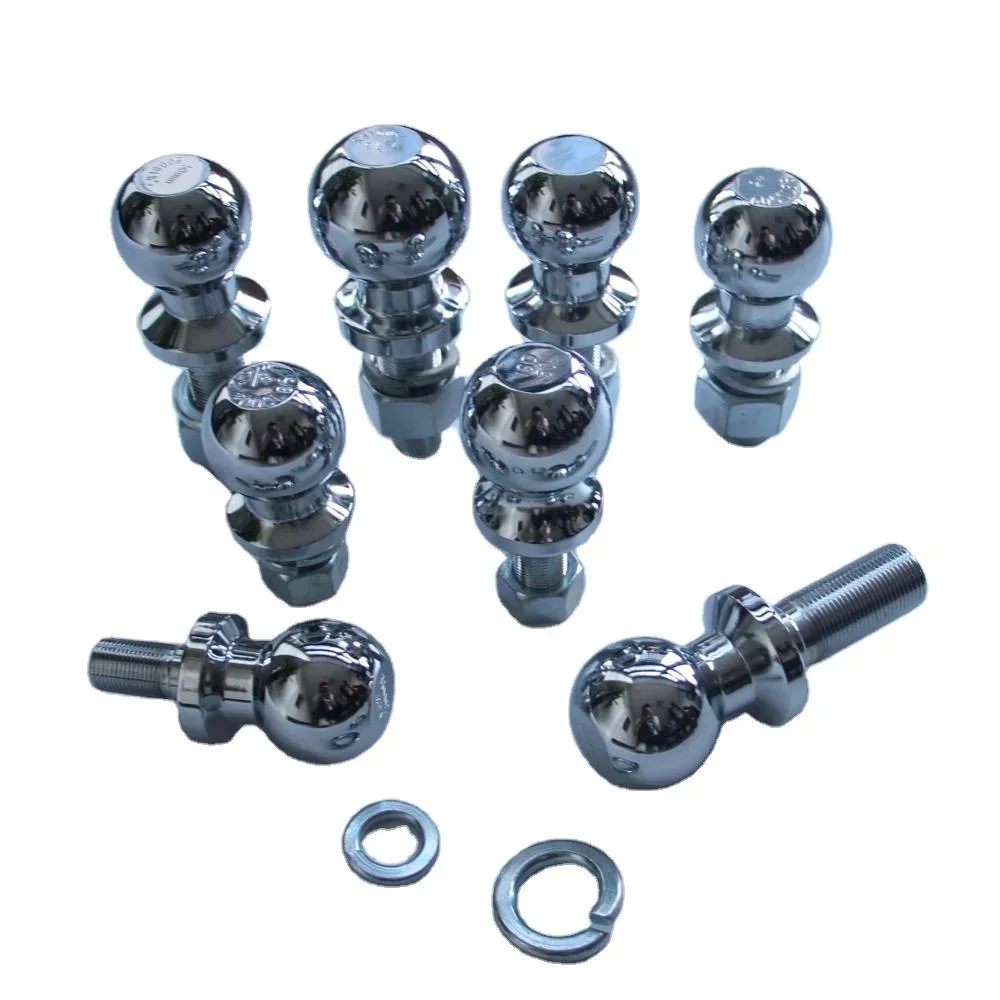
Understanding Trailer Hitch Balls: Materials and Their Impact
What really changes how well trailer connection parts work in different scenarios is the type of material that is used to make them. In modern business, a few main products are used. Each one was made to help industry users with a different issue.
Carbon Steel Construction and Properties
It is still most often made of carbon steel for heavy-duty pulls because it is strong, cheap, and simple to work with. When this material is made, the grain structures are lined up. This makes parts that can hold a lot of weight without breaking. You can use most carbon steel hitch balls for tough industrial tasks because their yield strengths are more than 80,000 PSI.
The heat process makes the material last longer, and the forging method gets rid of any weak spots that might be in cast choices. But carbon steel needs sealants to keep it from rusting in wet places. It's good for industrial users that this material works reliably under repeated loading conditions that are common in fleet operations.
Stainless Steel Advantages for Specialized Applications
There are places where different kinds of stainless steel, especially 304 and 316, don't rust as fast as others. These metals have chromium and nickel in them, which form oxide layers that protect them from rust even when they are in saltwater. People who work on the coast and boat makers like parts made of stainless steel because they last longer and need less maintenance.
Because it has more molybdenum, type 316 stainless steel works better in places where there is a lot of salt. They cost more than carbon steel options at first, but the longer life often makes it worth it for important uses where a broken part could cause big problems with how things work.
Chrome Plating and Surface Protection Technologies
Chrome coating takes the good things about carbon steel plates and makes the surface safer. When you electroplate something, thick layers of chromium are made that are hard to scratch and help keep rust away. With this method, parts can be made that look good and cost less than those made from solid stainless steel.
Today's chrome plating ways make sure that even the most difficult shapes are covered, which protects regularly where stress is high. People who work in industries like eye screening because chrome surfaces make it easy to see wear patterns and places where damage might have happened during regular maintenance checks.
Key Criteria for Selecting the Right Hitch Ball Material
To make the best buying decisions for hitch ball, practical factors must be matched with the material's abilities to make sure the part works at its best for as long as it's used. Knowing these things will help you make smart purchases that balance the costs of the purchase with the long-term costs of running the business.
Load Capacity and Safety Factor Considerations
The material used has a direct effect on the weight capacities. As an example, the most weight that different metals can hold is different. The heaviest weights that carbon steel hitch balls can hold are usually over 10,000 pounds for 2-5/16" versions. Stainless steel options may have slightly lower weight limits because of the different properties of the material, so they need to be carefully looked over in specifications before being used for heavy-duty tasks.
There are different safety factors for different types of materials and ways of making them. Forged parts usually have higher safety margins than machined ones, which makes important towing operations more reliable. Procurement teams should make sure that the materials they choose meet or go beyond operational requirements and have the right safety margins.
Environmental Resistance Requirements
The working conditions have a big effect on the materials that are used. Conditions that are harsh need stronger protections. Coastal operations, chemical processing plants, and areas that get road salt need materials that can stand up to corrosive elements without breaking down.
Temperature changes can also affect how well a material works, but some alloys stay strong over a wider temperature range. For example, industries that work in harsh climates can benefit from materials that are designed to be thermally stable, which means they work the same way all year.
Cost-Performance Optimization Strategies
When you do good procurement, you compare the initial cost of materials to their total lifecycle costs, which include maintenance needs and replacement schedules. More expensive materials cost more at first, but for demanding applications, their longer service lives often mean lower total cost of ownership for demanding applications.
If you buy a lot of a certain type of alloy, the company that makes it may offer better prices. Long-term supply deals with well-known sellers help you plan your costs and make sure that the quality of the material stays the same over time.
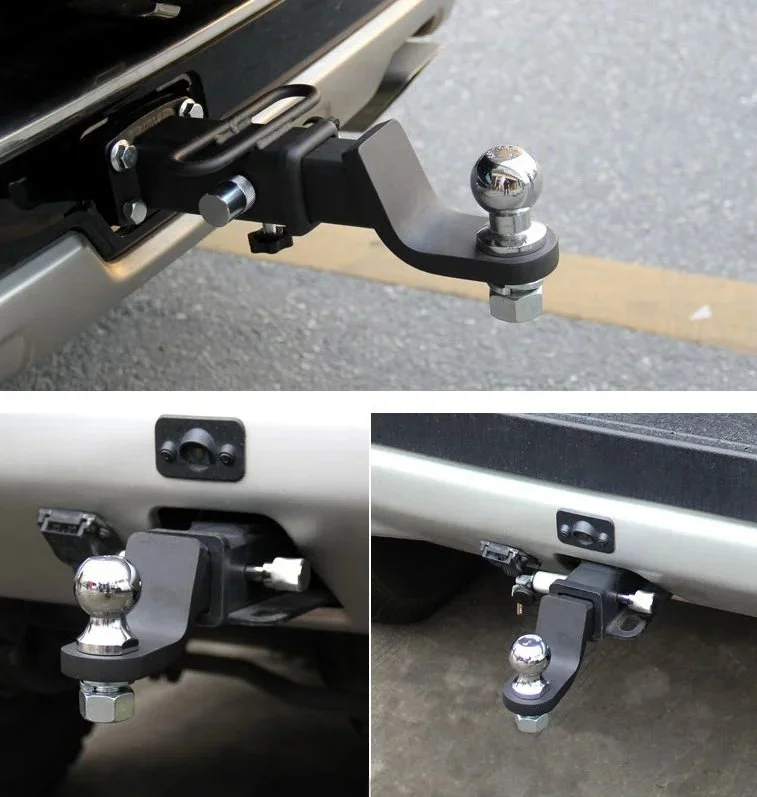
Common Types of Trailer Hitch Balls and Their Material Advantages
When couplings are set up in different ways, the best materials for the job are used. This way, each design can solve its own practical issues by carefully picking the materials it uses.
Standard Fixed Ball Configurations
A fixed ball coupler is the most common type. It is made of strong materials and can connect trucks of different weights reliably. These parts are generally made of carbon steel and chrome-plated to make them work well in a variety of situations.
Simple fixed designs that focus strength where loading forces are highest help manufacturers get the most load capacity with the least amount of material use. This method gets the most load capacity with the least amount of material use, which leads to cost-effective solutions for standard towing operations. Chrome-finished hitch balls in this category are very durable for general-purpose uses.
Heavy-Duty Industrial Variants
Sometimes, in an industrial setting, you need certain materials that can handle rough working conditions and big loads. These materials could be advanced steel metals with more carbon content or special heat treatment methods that make them stronger.
For some heavy-duty options, through-hardened construction is used. This means that the whole part is heated, not just the top layers. This makes sure that the strength is the same all the way through the part, which is important for critical applications where a failure could put people in danger or stop work.
Marine and Corrosive Environment Solutions
For marine uses, materials need to be specially made to not rust in saltwater and keep their shape when loads change. Grades 316 and 316L stainless steel work very well in these tough conditions.
Materials that have molybdenum added to them are less likely to split and crack, which are common in marine settings. The passive oxide layer that forms on stainless steel surfaces helps them heal, so even if they get some small damage from normal use, they are still safe.
Maintenance, Safety Guidelines, and Best Practices for Hitch Balls
Taking care of different types of materials in the right way is very different. For example, to make sure that different metals work at their best for as long as they are useful, they need different care steps.
Material-Specific Maintenance Protocols
Carbon steel components require regular inspection for rust formation, particularly at stress concentration points and threaded connections. Protective coatings should be kept in good shape by cleaning them every so often and reapplying them as needed. Lubrication schedules depend on the type of material, with steel parts needing more care than stainless steel ones.
To keep their protective qualities, chrome-plated surfaces should be cleaned regularly with cleaners that don't abrasively scratch. Staying away from harsh chemicals that could damage the chrome layer helps keep the surface's look and resistance to corrosion. You should always look at plated parts carefully, because damage to the coating can speed up the corrosion of the steel underneath.
Load Rating Compliance and Safety Verification
It's important to check load ratings on a regular basis to make sure you're following the manufacturer's instructions. Hitch balls should be checked for signs of deformation, cracking, or excessive wear that could lower their load-bearing capacity. For applications that are getting close to their maximum rated capacities, weight distribution accessories may be needed.
Records of inspection dates and results for hitch ball can help with decisions made by fleet managers and warranty claims. Making inspections the same for all vehicles in a fleet helps make sure that safety standards are always met and looks for patterns that could mean that material requirements need to be changed.
Storage and Environmental Protection
If you store things the right way, you keep them safe from damage and make them last longer. The best way to protect things is to keep them inside in a climate-controlled space. If you keep them outside, you'll need to add extra protection like covers or coats.
This is especially important in places with harsh winters, where road salt can speed up the rusting process. Regularly cleaning and checking parts during these times helps find problems before they damage the part's structure.
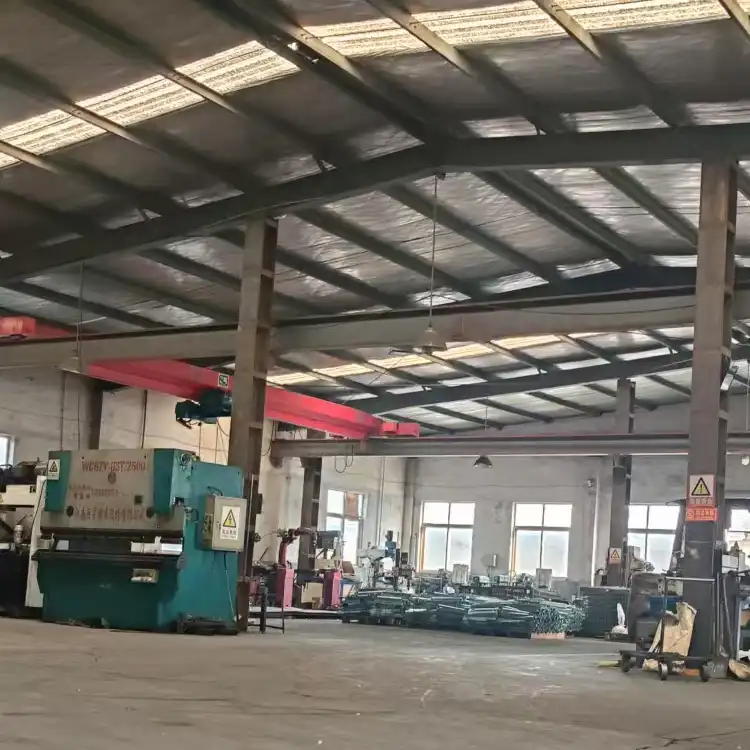
Procurement Insights: Where and How to Buy Quality Trailer Hitch Balls?
An important part of a good buying strategy is forming relationships with makers that can provide consistent quality, reliable shipping plans, and expert help throughout the duration of the product.
Supplier Evaluation and Qualification Criteria
A qualified manufacturer has a lot of certifications and test records. For example, ISO 9001 certification shows that the company has a quality management system in place. For some uses, you may need industry-specific certifications. Suppliers should give you material certifications that show what the alloy is made of and how strong it is.
Companies that can make things should have a production capacity, quality control procedures, and technical support resources. Suppliers with engineering teams that can make suggestions based on your needs are much more valuable than those that just sell products. RUIRUI is a great example of this because they have ISO-certified quality management systems and a lot of experience with metal fabrication.
Customization and OEM Requirements
Standard products don't work for many industrial uses because they need to be modified. Suppliers who can machine and build can change standard designs to fit specific operating needs. This is especially helpful for putting equipment that isn't standard or that has an odd shape.
As an OEM partner, you can get technical help while a product is being made, which helps you choose the best materials for each job. Working with makers also lets you make changes all the time and adjust to shifting business needs.
Volume Purchasing and Contract Considerations
Buying in bulk can save big companies money and make sure they always have enough supplies. Shipping containers can lower the cost per unit while still making sure there are enough supplies for daily operations. Buying things on the spot with established supply agreements cuts down on administrative costs and keeps prices the same.
In long-term contracts, you should spell out things like quality assurance, delivery dates, and the kind of technical support you need. Performance measures and review times help keep sellers responsible while also opening the door for ongoing growth.
Conclusion
When picking out materials for hitch ball trailer coupling parts, you should think about how they will be used, the environment, and your budget. Carbon steel is strong for heavy-duty tasks, while stainless steel is better at resisting corrosion in some environments. Chrome-plated options are a good compromise between performance and cost for general-purpose tasks. To make a successful purchase, you should work with qualified suppliers who can offer consistent quality, technical support, and customization options. Knowing these material characteristics and selection criteria will help you make smart choices that improve performance while keeping lifecycle costs low.
FAQ
What is the strongest material commonly used for hitch balls?
Most trailer couplings are made of forged carbon steel, which is the strongest material. Heat-treated carbon steel hitch balls can reach tensile strengths of over 120,000 PSI while still being flexible enough to be safe when they are being loaded and unloaded quickly. The forging process lines up the grain structures and gets rid of any weak spots that might be there in other ways of making the product.
How does material choice affect weight capacity ratings?
The safety factor and the strength of the material directly affect the maximum load ratings. For example, carbon steel parts usually have the highest weight capacities because their tensile and yield strengths are the highest. Stainless steel versions may have slightly lower weight capacities but better corrosion resistance for some uses.
Are chrome-plated hitch balls suitable for marine environments?
Chrome plating can help protect against corrosion and is fine for occasional marine exposure, but it might not be able to handle being in saltwater all the time. Grades 316 or 316L stainless steel are better for marine applications that need to be in saltwater all the time because they are more resistant to chloride-induced corrosion and keep their structural integrity under dynamic loading conditions.
Partner with RUIRUI for Superior Hitch Ball Solutions
RUIRUI stands ready to address your hitch ball procurement needs through our comprehensive manufacturing capabilities and extensive material expertise. Our ISO-certified factory in Qingdao uses advanced forging, machining, and surface treatment techniques to make high-quality coupling components. With over 15 years of industry experience and specialized capabilities in carbon steel, stainless steel, and chrome-plated variants, we serve as your trusted hitch ball manufacturer for demanding industrial applications. Contact our engineering team at kshdhardware@qdkshd.com to discuss custom specifications and volume pricing for your operational requirements.
References
American Society for Testing and Materials. "Standard Specification for Steel Bars, Carbon and Alloy, Hot-Wrought, General Requirements." ASTM International, 2019.
Society of Automotive Engineers. "Trailer Couplings and Hitches - Performance Requirements and Test Procedures." SAE Technical Standards, 2020.
National Institute of Standards and Technology. "Mechanical Properties of Structural Steel Components." U.S. Department of Commerce, 2018.
International Organization for Standardization. "Road Vehicles - Trailer Connections - Part 2: Dimensional and Mechanical Requirements." ISO Standards Catalogue, 2019.
American Welding Society. "Specification for Carbon Steel Electrodes for Shielded Metal Arc Welding of Trailer Components." AWS Technical Publications, 2020.
Materials Engineering Institute. "Corrosion Resistance Comparison of Steel Alloys in Marine Environments." Industrial Materials Research Journal, 2021.

Send Inquiry

Related Industry Knowledge
- Custom Trailer Accessories for Food Trucks & Promotional Trailers
- Best Trailer Coupler for Boat Trailer: Saltwater-Friendly Choices
- How a Custom-Sized Hitch Pin Ensures Perfect Fit and Maximum Safety?
- Why Is Stainless Steel Becoming the Preferred Material for Trailer Arm Locker Fasteners Worldwide?
- What are the advantages of custom metal brackets over standard ones?
- How do I design custom metal brackets?
- How do you install a trailer jack bottom plate?
- How do hydraulic rising bollards work?
- How do metal outdoor dustbins compare in cost to alternatives?
- What is the cheapest way to manufacture sheet metal parts?