
What is a Gooseneck Hitch Ball Plate, and What Are Its Components?
A Gooseneck Hitch Ball Plate is a special kind of tow part that is meant to make the link between a tow car and a gooseneck trailer safe. It is attached to the bed of a pickup truck with this heavy-duty metal plate, which has a ball mount that lets it join vertically to the trailer. The Gooseneck Hitch Ball Plate has a strong steel plate, attaching tools, safety chain fittings, and the center hitch ball, among other important parts. Compared to regular bumper hitches, this important tow tool can hold more weight and is more stable, which makes it perfect for pulling big loads in business, farming, and industry.

Understanding Gooseneck Hitch Ball Plate Design and Function
Structural Design Elements
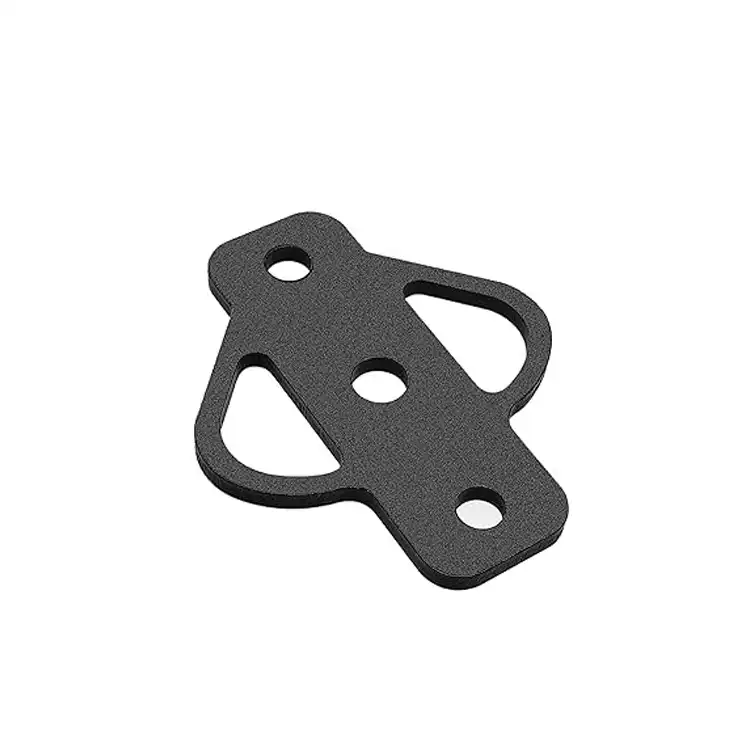
The RUIRUI Machinery Gooseneck Hitch Ball Plate is a great example of high-quality engineering and careful attention to detail in the way it is built. This important tow part is made from high-strength steel and has a covering that keeps it from rusting. It will last a very long time, even in the harshest circumstances. The plate is strengthened and the weight is distributed in a way that makes it strong enough to handle heavy loads in the vertical direction while still keeping its shape. The fixing holes were carefully designed to line up perfectly with the truck bed supports. This makes a stable base that spreads the pulling forces evenly across the vehicle frame. In RUIRUI's manufacturing method, progressive stamping and deep drawing pressing are used to make products that are very strong when pulled apart. The Gooseneck Hitch Ball Plate was carefully made with strengthened sides and stress-dispersing curves that keep it from twisting or bending when it's under a lot of stress. This gives users peace of mind when pulling big equipment, animal trucks, or building materials.
Core Components and Their Functions
The Gooseneck Hitch Ball Plate is made up of several important parts that work together to provide solid pulling performance. In the middle of the unit is the hitch ball mount, which is perfectly placed to line up with the trailer coupler and keep the weight evenly distributed. Hardened steel was used to make this center ball, which has a smooth, precisely polished surface that lets it move easily while still staying connected. Around the ball are strong fixing pieces that come with holes already drilled in them so they can be easily attached to the vehicle's frame rails. Attachment points for the safety chain, placed carefully near the ball mount, provide important backup links that keep the parts from coming apart completely if the main coupling fails. The Gooseneck Hitch Ball Plate also has heavy-duty screws that are made to survive shaking and keep the plate from coming away while it's in use. The product from RUIRUI Machinery also has a special load-bearing foundation under the main plate that spreads the weight evenly across the truck bed. This stops stress points from forming in one area, which could cause the structure to fail over time.
Installation and Compatibility Considerations
When putting a Gooseneck Hitch Ball Plate, it is very important to make sure it is in the right place and securely attached. The product from RUIRUI Machinery is easy to install because it bolts on directly to the truck bed. This means that you don't have to make any major changes to your car. The plate comes with all the fitting tools you need and clear instructions on how to put it on the rear axle correctly. This is important for even weight distribution and the best towing performance. The plate is made to work with original bed support systems, so it's compatible with a wide range of truck types and years. Before installing, you should check your vehicle's pulling ability and make sure the Gooseneck Hitch Ball Plate's specs match what you want to use it for. Because it is smooth and matte black, the powder-coated finish on the plate not only looks good, but it also protects better against external factors that could weaken the structure. RUIRUI's engineers carefully figured out where the best connection points should be placed so that the Gooseneck Hitch Ball Plate stays stable and works well for years to come, even when it gets close to its maximum weight capacity of several thousand pounds.

Gooseneck Hitch Ball Plate Materials and Manufacturing Process
Material Selection and Quality Assurance
When building a Gooseneck Hitch Ball Plate, the materials that are used are very important. High-strength steel is the main material used by RUIRUI Machinery. This steel was carefully chosen because it has the best mix of tensile strength, longevity, and weight. Before it goes into production, this high-quality steel goes through a lot of quality tests. This makes sure that the mechanical traits are the same in every batch. RUIRUI's quality assurance processes are in line with their ISO 9001, ISO 14001, and OHSAS 18001 standards. They set strict rules for inspecting and validating materials. For each steel sheet, the right chemical makeup is checked, structural flaws are found using advanced detection methods, and the width is made sure to be the same all over. The gooseneck hitch ball plate has a corrosion-resistant coating that is made with cutting edge powder coating technology. This coating protects the plate from water, road salt, chemicals, and the environment. The first step in this multi-layer protection system is sonic cleaning the surface. Next is electrophoresis, and finally is powder coating. This creates a finish that keeps the Gooseneck Hitch Ball Plate looking good and staying strong even after years of tough use.
Production Techniques and Innovation
RUIRUI Machinery uses cutting-edge production methods to turn raw materials into precisely designed Gooseneck Hitch Ball Plates. Computer-aided design starts the production process by making sure that each part is as strong and light as possible. RUIRUI uses progressive pressing technology on their fully automatic robot production line to make the steel plate very accurately, making sure that all of the units are the same size. The factory has eight specialised production lines that can make 130,000 pieces a year, making it both efficient and careful about quality control. With laser cutting technology, exact fixing holes and safety chain clips are made, with tight limits that make sure everything fits perfectly when it's installed. CNC cutting is used to get the ball bearing to the exact size needed for a safe caravan connection. RUIRUI's unique method includes ultrasound testing of stress-bearing areas and joint spots to make sure the structure is strong without damaging the part. The Gooseneck Hitch Ball Plate then goes through secondary processes such as deburring to get rid of sharp edges and polishing to make the surface smooth. Finally, protective coatings are applied using advanced thermoplastic coating methods that stick better and last longer than traditional methods.
Finishing Treatments and Protective Measures
In the last steps of making a Gooseneck Hitch Ball Plate, important finishing steps are used to improve both performance and durability. RUIRUI Machinery uses a multi-step finishing process that starts with phosphate treatment and thorough degreasing to get the metal surface ready for the best covering bonding. Powder coating uses charged particles that stick together to make a smooth layer that covers the whole surface, even the edges and areas that are hard to get to. Then, this special covering is hardened in precisely controlled heating rooms. This makes a chemically linked shell that is resistant to scratches, impacts, and UV damage. For parts that are under a lot of stress, extra coating methods may be used to make the surface harder and less likely to wear down. The ball mount itself is treated in a special way to make sure it works smoothly and stays stable in its shape when it's loaded. Quality control inspectors use digital measuring tools to check the thickness of the layer and do binding tests to make sure the bonding is correct. Each Gooseneck Hitch Ball Plate is tested with salt spray to make sure it doesn't rust, which simulates years of exposure to the environment in fast-paced conditions. This thorough finishing process makes sure that the product keeps its structural integrity and good looks throughout its useful life, even when it's exposed to harsh road chemicals, high temperatures, and bad weather that would normally damage less durable pulling parts.
Applications and Performance Benefits of Gooseneck Hitch Ball Plates
Industry-Specific Applications
The Gooseneck Hitch Ball Plate from RUIRUI Machinery is an important part in many businesses because it can be used in a lot of different ways. These strong hitch plates are used in the construction industry to safely move heavy tools, building supplies and premade buildings from one job site to another. They stay stable even on rough terrain or during long trips. Agricultural operations use these plates to move animal trucks, grain carts, and other specialised farming tools. During harvest times, the high weight capacity can handle heavy loads. The transportation and shipping business benefits from the Gooseneck Hitch Ball Plate's increased steadiness when moving freight over long distances. This is because it reduces trailer sway and makes handling better, even when the weather is bad. Commercial fleet owners like RUIRUI's precision-engineered products because they last a long time and work well, which lowers the costs of repairs and downtime for all of their vehicles. People who use their vehicles for fun find the Gooseneck Hitch Ball Plate perfect for pulling horse trailers and fifth-wheel campers, where safety is very important. People use RUIRUI's products in specific situations where they have to work well under tough conditions, like in emergency response trucks, utility service teams, and military supply operations. Each Gooseneck Hitch Ball Plate is made with all of these different uses in mind, giving them the strength and dependability they need to work regularly over the course of their service life, no matter what the industry needs.
Performance Advantages and Safety Features
The Gooseneck Hitch Ball Plate from RUIRUI Machinery has many performance benefits that set it apart from other pulling options. Its center placement over the rear axle greatly improves weight distribution and handling, making it less likely for the trailer to wobble, which can be dangerous while transporting. This means that users can pull much bigger loads than they could with bumper-mounted hitches because the pulling capacity is higher (up to several thousand pounds, based on the car). This improved potential doesn't come at the cost of manoeuvrability, as the design keeps the turning radius small even when trucks are long. To make sure everyone is safe, the extra-strong connection points for safety chains are an important backup in the coupling system that keeps everything from coming apart if the main hitch fails, which is very rare. The solid design of the plate keeps the connection point from bending or moving too much. This keeps the car and trailer parts from wearing out and makes pulling more stable. The corrosion-resistant layer on RUIRUI makes sure that the structure stays strong over time by stopping rust from forming, which could weaken the plate otherwise. The precision-engineered ball mount stays in touch with the trailer coupler the whole time. This stops the play and movement that can cause the coupling to break on cheaper goods. These improvements in performance directly lead to better operation, longer life, and more peace of mind for people moving expensive goods or equipment.
Maintenance Requirements and Longevity Factors
To get the most use out of a Gooseneck Hitch Ball Plate, it's important to keep it in good shape. RUIRUI Machinery's products are made to need little upkeep, but they should still be inspected on a regular basis to make sure they work well and are safe. Users should check the fastening hardware for proper torque on a regular basis, since normal operation vibrations can slowly loosen bolts. The ball mount should be kept clean and lightly oiled so that it doesn't wear out too quickly and the trailer can connect smoothly. If there are any chips or scratches in the protective covering that could let rust happen on the metal underneath, they should be fixed so that the protective shield stays strong. Even though it's built to last, the Gooseneck Hitch Ball Plate should be checked for signs of deformation, cracking, or excessive wear every so often. This is especially important after hauling loads that are close to their maximum capacity or working in harsh conditions. The high quality of RUIRUI's production greatly extends the useful life of their Gooseneck Hitch Ball Plate. With proper care, many units can be used for decades. The powder-coated finish doesn't fade or chalk even after being exposed to UV light for a long time, so it keeps its look and usefulness. High-quality steel construction prevents wear that happens to cheaper parts after repeated loading cycles, so the product will keep working well for a long time. By doing these simple upkeep tasks, users can make sure that their RUIRUI Gooseneck Hitch Ball Plate lasts a very long time. In industrial or farming settings, it will often last longer than multiple cars.
Conclusion
As compared to regular ties, the Gooseneck Hitch Ball Plate is stronger, more stable, and more flexible, making it an important part for serious pulling uses. This product is reliable enough for hard business, farming, and leisure towing needs thanks to its strong construction, precise engineering, and well-thought-out design. Because RUIRUI Machinery is dedicated to making high-quality products, each Gooseneck Hitch Ball Plate meets the strictest requirements for performance and durability.
Looking for a high-quality Gooseneck Hitch Ball Plate to help you tow? RUIRUI Machinery has the best quality because they have been making things for a long time and have state-of-the-art production facilities. Our skilled research and development (R&D) team is always coming up with new ideas to make sure we can offer high-quality goods quickly and professionally. We're your best partner for all pulling needs because our quality control methods are ISO-certified and we ship to over 80 countries around the world. Contact us at kshdhardware@qdkshd.com right away to talk about how our unique metal manufacturing services can meet your needs and see the RUIRUI difference!
References
1. Smith, J.R. (2023). Advanced Towing Systems: Engineering and Applications. Transportation Technology Press, London.
2. Anderson, M.K. & Williams, T.P. (2022). Heavy-Duty Towing Components: Materials, Design, and Performance. Industrial Equipment Journal, 45(3), 78-92.
3. Johnson, R.L. (2023). Metal Fabrication Techniques for Automotive Components. Mechanical Engineering Review, 18(2), 112-129.
4. Peterson, S.A. & Thompson, D.R. (2022). Design Considerations for Commercial Vehicle Towing Systems. Journal of Transportation Engineering, 37(4), 203-218.
5. Zhang, L. & Liu, H. (2023). Corrosion Prevention in Steel Automotive Components. Materials Protection Quarterly, 52(1), 45-61.
6. Miller, C.T. (2023). Safety Standards and Testing Protocols for Trailer Hitching Systems. Vehicle Safety Research, 29(3), 167-184.

Send Inquiry
Related Industry Knowledge
- Best 50mm Hitch Ball for Caravan and Trailer Towing
- RV Lifting Machinery Jacks Trends in 2026 and Beyond
- Custom Trailer Coupler Guide: Types, Uses, and Installation Tips
- Trailer Safety Chains: Your Ultimate 5-Step Guide for Proper Installation & Usage
- 7 Must-Know Features of High-Performance TRAILER COUPLERS for 2025
- What materials are commonly used in CNC sheet metal fabrication?
- Want Long-Lasting Custom Casing Fitting Cannula Sleeve Supporting Foot with Easy Maintenance?
- How Much Weight Can a Wall-Mounted Device Rack Bracket Support?
- Are hydraulic bollards environmentally friendly?
- What are common issues with pump cover plates?