
What is a U-Bolt and How do You Measure Them?
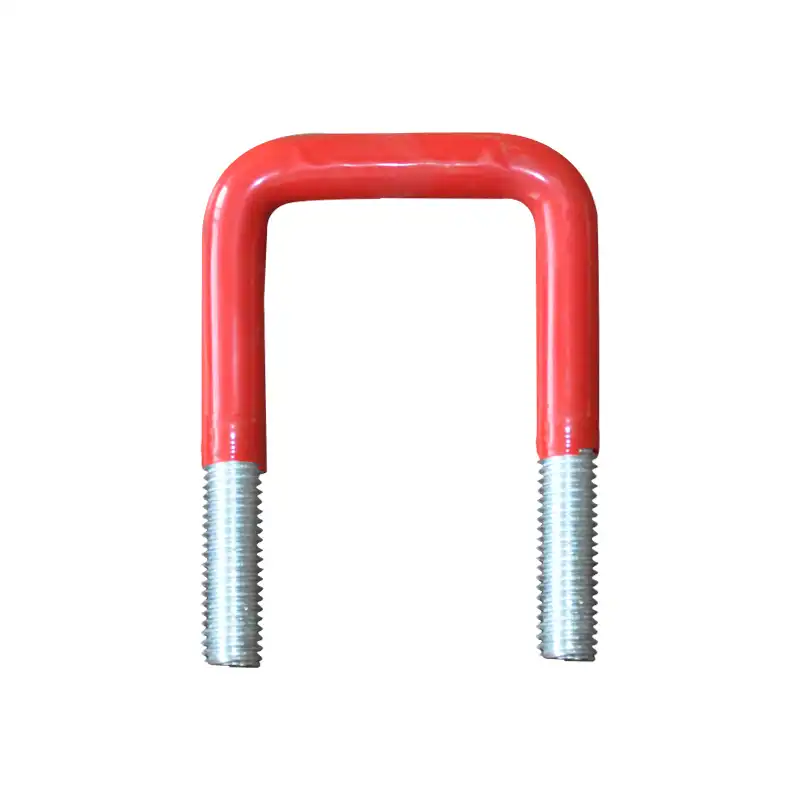
The form of a U-bolt is like the letter "U," and it has two threaded legs that stick out from a curved base. Its main purpose is to clamp or secure cylindrical items like pipes, tubes, ducts, and structural beams. This fastener is different from regular hex bolts because it supports the clamped surface from all sides when used with a backing plate or saddle. To correctly measure these fasteners, you need to know their inside width (the distance between the two threaded legs), leg length (from the base curve to the thread end), and rod diameter (the thickness of each threaded arm). If you measure correctly, you can be sure that it will work with your tools and avoid costly installation delays.
Understanding U-Bolts: Definition, Types, and Applications
Because of their unique form and ability to clamp in a variety of ways, these U-bolt fasteners are essential in many fields. The U-shaped design makes two anchor points that are stronger than single-point fastening methods against rotational movement and shaking. Because of this, they are especially useful in places where things are always moving or expanding due to heat.
Core Design Principles
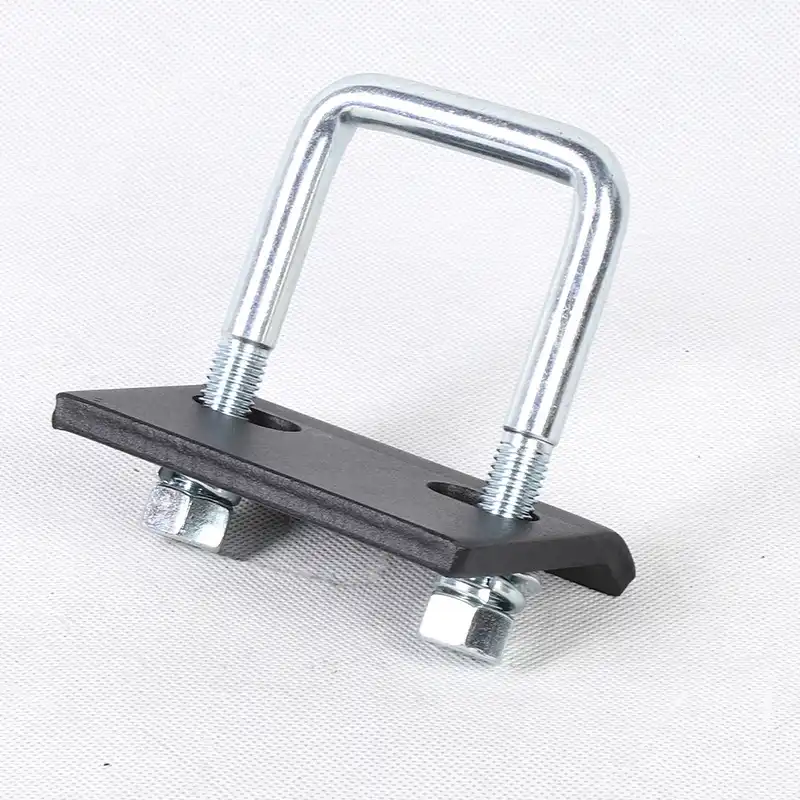
The basic structure is a half-circle bend with two threaded rods running parallel to each other. Because of its shape, the fastener can go around round or bent items and hold them securely when tightened against a flat backing surface. Standard nuts, usually paired with flat washers to spread the pressure and keep the material from deforming, can be used on the holes. Material choice depends on the needs of the application. Stainless steel is better at resisting rust, while carbon steel is stronger for less demanding conditions at a lower cost.
Common Variations in the Market
Round ones are used to hold pipes and have a half-circle bend that fits normal pipe diameters. Square ones, on the other hand, can fit rectangular tubing and structural beams. U-bolts, similarly, feature a curved bend for securing round objects. Semi-round types work well with oval lines, and heavy-duty models have rod diameters that are thicker to handle big loads. Some special designs have rubber or neoprene covers inside the bend to stop vibrations from getting through and stop galvanic rust between metals that are not the same. The thread configurations range from coarse pitch to fine pitch, and the lengths can be changed to fit the needs of the fitting.
Industrial Application Scenarios
These fasteners hold leaf springs to axle units in the car industry. They absorb road shock and keep wheels aligned under dynamic loads. They are used in construction projects to attach water lines, electrical cables, and HVAC pipes to building frames. Marine uses need high-grade stainless steel models that won't break down when exposed to saltwater. Galvanized versions are used to secure hydraulic lines and exhaust systems that are exposed to fertilizers and harsh weather. As part of infrastructure projects, they are used to build bridges by clamping wire bundles and supporting structural braces. For safety reasons and long-term endurance, each application needs a specific size.
How to Measure U-Bolt Size Accurately
Accurate measurements are the key to a smooth purchase and fitting process for any U-bolt project. When dimensions aren't specified correctly, parts won't fit, which costs a lot and causes the job to be delayed. Professional sellers must tell providers exactly what they need, so there is no room for confusion that leads to mistakes in production.
Essential Dimensions Explained
The inside width, measured at the bend's largest point, shows how far apart the two threaded legs' inner faces are. This measurement must be the same as or just a little bigger than the object's outside width. The leg length, which is the distance from the bottom of the curve to the end of the threads, tells you how much material the fastener can hold and how thick the backing plates and nuts need to be. The width of the rod tells you how thick each threaded shaft is, which is directly related to the strength and load rates. The thread length tells you how much of each leg is threaded, which changes the depth of contact and the range of adjustments.
Measurement Tools and Techniques
Digital calipers give the most exact readings for the U-bolt. To measure the inside width, press the jaws against the inner leg surfaces at the base of the bend. Tape measures can be used for bigger measurements, but they leave more room for mistake. To find the length of a leg, start at the inside bottom of the curve and measure all the way to the end of the thread. To check the rod width of the U-bolt, you have to measure the shaft thickness at a point that isn't threaded. Always use a thread gauge to check the thread size to make sure it works with the nuts and tools you already have. Keeping track of all numbers in both metric and standard units makes it easier to buy things from other countries and stops mistakes when converting units.
Avoiding Common Specification Errors
A lot of buyers measure the outside width instead of the inside width, which means they get fasteners that are too big for the job. Others don't take the thickness of the backing plate into account when they figure out how long the legs need to be, which causes the threads to not connect properly. Not taking into account the length of the thread can lead to problems if nuts fall off before they reach the right tightening force. Another common mistake is thinking that all bolts with the same rod width can handle the same loads. The grade of the material and how it was heated have a big effect on strength. Instead of making assumptions based on how something looks, you should always ask makers for exact specs.
U-Bolt Material Selection and Corrosion Resistance
The choice of U-bolt material has a direct effect on how well it works, how long it lasts, and how much it costs to own. The weather at the installation spot determines which types of material will protect well against wear and tear while still meeting structural needs.
Steel Grade Comparisons
Grade 304 stainless steel is very resistant to rust and can be used in most industrial settings. It is made up of chromium and nickel, which make protective oxide layers. Molybdenum is added to grade 316 stainless steel to make it more resistant to chlorides and marine atmospheres. This makes it a must-have for sites near the coast. Carbon steel is cheaper and has a high tensile strength, but it needs protection coats in places where it will rust. Alloy steels contain elements like silicon and manganese that improve certain qualities, like their ability to withstand heat or pressure.
Surface Treatment Options
Electrogalvanizing uses electroplating to add a thin layer of zinc, such as on a U-bolt. This provides moderate rust protection that is good for indoor uses and controlled settings. When bolts are hot-dip galvanized, they are submerged in molten zinc. This makes the coating stronger and more durable, and it works well outside. Zinc plating is usually between 5 and 15 microns thick, but hot-dip methods can get it to 50 to 100 microns. Powder coating adds a colored polymer layer that protects against rust and makes the item look better. Because each treatment method changes the allowed size ranges, buyers must define the finishing needs during the design phase.
At Qingdao RUIRUI Machinery, our electrogalvanized screws go through a lot of quality checks to make sure the covering is even and sticks well. In normal commercial settings, the electrogalvanizing method makes a thick protective coat that lasts up to 10 years. Our factory in Qingdao, China, is certified by both ISO 9001 and ISO 14001, which means that the quality of every batch is the same. We change the thickness of the coating based on what you need it for, combining defense against rust with exact measurements.
Maintenance Strategies for Extended Life
Visual checks done on a regular basis can find early signs of covering failure, like rust spots or flaking, so they can be replaced before they cause damage to the structure. Using anti-seize chemicals during installation stops thread galling and makes taking the parts apart later easier. Cleaning up built-up dirt and grime slows down localized rust that breaks down materials more quickly. In situations with a lot of shaking, checking the torque on screws on a regular basis makes sure they keep the right clamping force. Keeping track of repair tasks provides a historical record that helps with planning budgets and predicting when to replace things.
Comparing Different U-Bolts to Make the Right Choice
To choose the best U-bolt fastener, you need to look at a lot of things, like the structure's design, the material's qualities, the load requirements, and how well it works with other systems. Direct comparisons make the pros and cons of each choice more clear, which helps buying teams match technical requirements with limited funds.
Material Performance Analysis
Stainless steel varieties are better at resisting rust and staying strong over a wide range of temperatures. This makes them perfect for chemical processing plants and food production facilities that must follow cleanliness rules and keep surfaces clean. The longer service gaps and lower repair frequency more than make up for the higher cost of the materials. Galvanized choices offer enough protection at a lower starting cost, making them good for building projects with clear lifecycles and known weather exposure. When used indoors, where moisture levels are managed, carbon steel with a coating has the best strength-to-cost ratio.
Load Capacity Considerations
Heavy-duty versions have bigger rod diameters and better material types that can hold up to 20 tonnes of weight, which is what's needed for fixing industrial equipment and strengthening structures. Standard U-bolt models are good for supporting pipes and securing small equipment. To figure out the needed load capacity of a U-bolt, you have to look at the static weight along with the dynamic forces that come from vibration, thermal expansion, and operational pressures. Most safety factors for U-bolts are between 3:1 and 5:1, which means that the fastener's stated capacity should be three to five times its real load. Manufacturers' certification papers for U-bolts show load ratings that have been tried and confirmed by destructive testing methods.
Design Variant Selection
J-bolts have one straight leg and one bent part. This makes them useful when one anchor point needs to be mounted flush against a flat surface. This form works well for setting in concrete while the building is being built, giving a stable anchor point. Standard designs with equal curves work well for fixing equipment and running pipes where both legs go through backing plates. Objects that don't fit into circular or square shapes can be used with semi-round patterns. By choosing the right version, you can avoid making changes in the field that could damage the structure or void the guarantee.
When you work with RUIRUI to make something, you can completely change the size, material, and style to fit the needs of your project. We make screws out of high-strength steel and let you choose the rod thickness, thread length, and inside width. Our engineering team works with your technical plans to make sure that all of the numbers are compatible, whether you need them in metric or imperial units. We can work with mid-sized projects because our minimum order number is 1,000 pieces, and we still meet the quality standards needed for enterprise-level buying.
Procurement Tips: How to Buy U-Bolts for Your Business
To make U-bolt procurement work well, you need to build ties with producers who consistently show high quality, technical know-how, and supply chain dependability. Strategic buying lowers the total cost of acquisition while making sure that the supply of products fits with the plans of projects.
Supplier Evaluation Criteria
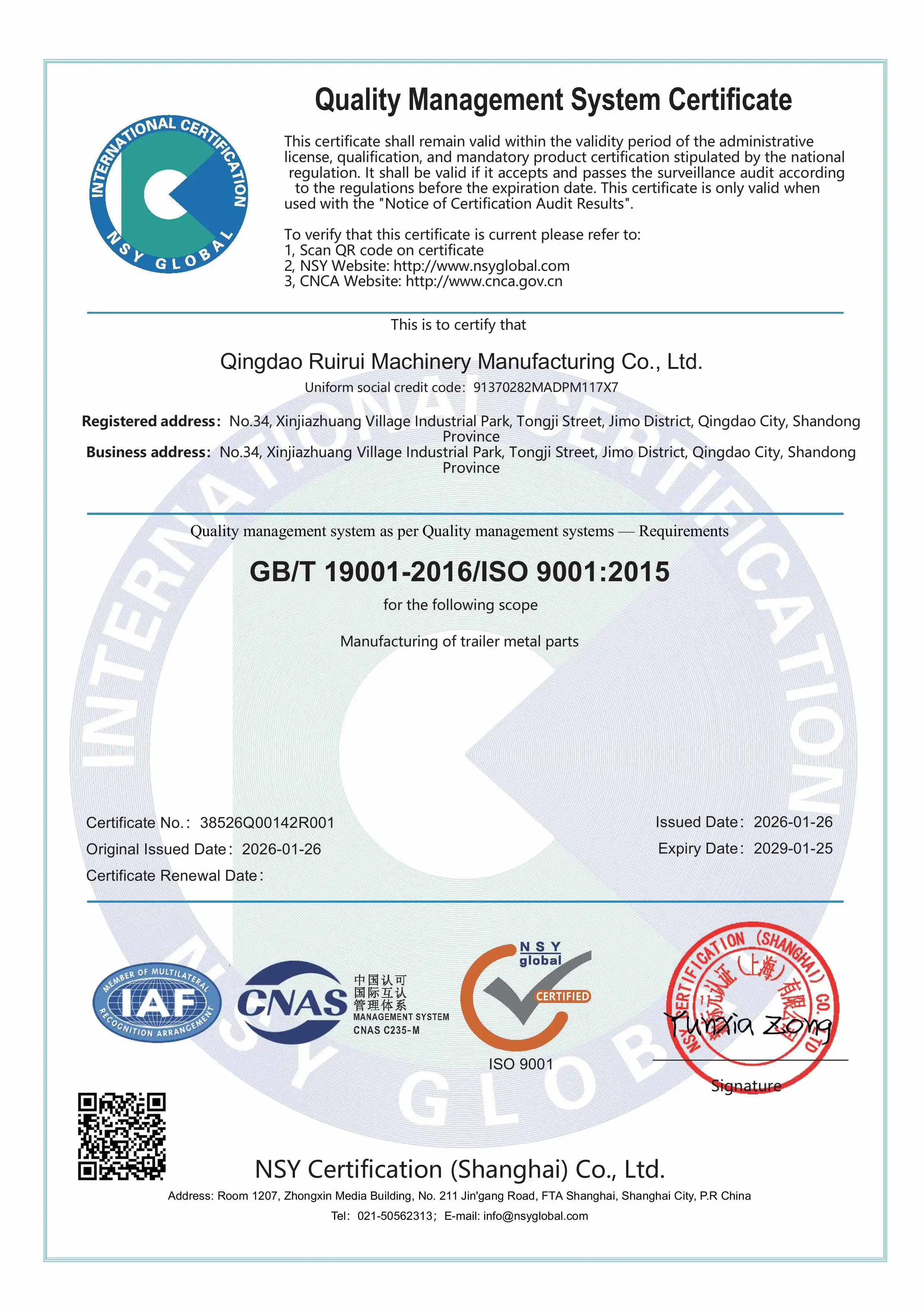
Manufacturers with a good reputation keep quality management system certifications like ISO 9001, which show that they follow written steps for controlling creation, overseeing production, and always making things better. Getting environmental certifications like ISO 14001 shows that you are making products in a way that is responsible and follows the rules set by the government. Before you place a big order, ask for samples of the goods you're interested in. This will allow your engineering team to check the sizes, material properties, and finish quality. Make sure the provider can increase production during times of high demand without affecting lead times by checking their production ability.
Pricing and Order Optimization
When you buy in bulk, you save a lot of money because you get big deals and your shipping costs per unit go down. Combining orders from several projects into a single package saves money on freight and makes getting easier. Pricing is greatly affected by the type of material used. For example, stainless steel costs three to five times more than galvanized carbon steel, and special finishes can raise prices by fifteen to thirty percent. If you negotiate yearly supply deals, you can lock in good prices and be sure that materials will be distributed when they become scarce. Knowing how the market works helps buyers time their purchases so that prices don't go up during busy building seasons.
Customization and Lead Time Management
Standard catalogue items ship within days, but unique configurations such as U-bolts take anywhere from 2 to 6 weeks to make, based on how complicated they are and how many are ordered. By giving clear engineering plans with tolerances, you can avoid production delays caused by requests for more information. Getting suppliers involved early on in the planning phase helps find problems that might come up during production before finalising the specs. If you need something quickly, you can choose expedited production, but it usually costs 20 to 50 percent more than normal price.
RUIRUI specialises in OEM custom manufacturing, and our advanced production methods can turn your technical needs into precisely made fasteners. Our eight production lines, each with an automatic computer system, make sure that the quality of the 130,000 pieces we make each year is always the same. We have low factory-direct prices that don't include markups for distributors, and we keep our delivery times short. Our expert support team helps you choose the right materials, figure out how much weight they can hold, and install them correctly, so you can be sure that your purchase will be worth it in the long run.
Logistics and Quality Verification
When sending large amounts of goods across foreign borders, shipping them in 20-foot containers is the most cost-effective choice. Air freight is best for small, pressing orders where speed is worth the extra cost of shipping. The right packaging keeps things from getting damaged during shipping. Each fastener should come in its own bag inside a reinforced box with a moisture shield. By putting in place inbound inspection processes, you can check the quality of the surface finish, material properties, and dimensions of goods before they are put into stock. When total certainty is needed for important uses, third-party testing services can independently check the mechanical qualities.
Conclusion
To choose and measure any U-bolt properly, you need to know how design standards, material qualities, environmental conditions, and application needs affect each other. It is important to get the inside width, leg length, and rod diameter measurements right so that the furniture fits and works properly and so that expensive fitting mistakes don't happen. Choosing the right material means finding a balance between how well it resists rust, how strong it needs to be, and how much it costs. Materials can range from cheap galvanized steel to high-end stainless metals. By comparing different versions of a product, procurement professionals can match its technical abilities to specific use cases, like anchoring infrastructure elements, holding car parts, or supporting industrial pipes. When you work with certified makers who offer customization, quality documents, and expert support, buying stops being a transactional activity and turns into a strategic relationship that improves the results of projects and the reliability of operations.
FAQ
1. How do I verify my measurements are accurate before ordering?
Use precise measuring tools to double-check all the measurements and compare them to the manufacturer's instructions for the equipment that is being attached. Before agreeing to big orders, size problems can be found by making a simple test fit using current hardware or temporary mock-ups. A lot of companies offer measurement guides with pictures that show the right way to measure each important size. When you're not sure what you want, buying sample numbers for test installations keeps you from making costly mistakes when you buy in bulk.
2. Can galvanized fasteners work in marine environments?
Standard galvanized coats don't offer much protection in saltwater environments; they usually wear down within 1 to 3 years, based on how much they are exposed. In marine settings, you need either hot-dip galvanized versions with thicker zinc layers or stainless steel types 316 or higher, which don't rust when exposed to chloride. Regular checking and upkeep can make something last longer, but it can't make up for bad material choice. Coastal systems in spray zones need the best grades for corrosion protection in order to last a long time.
3. What lead times should I expect for custom orders?
Standard customization that involves changing sizes usually takes two to three weeks from the time the order is confirmed until it is shipped. Timeliness may be pushed back to 4 to 6 weeks for more complicated changes like special finishes, non-standard materials, or custom threading designs. When you make an order, giving full technical specs, such as tolerances, material approvals, and finish requirements, cuts down on the time it takes to clarify things. When you work with makers who keep a wide range of raw materials on hand, you can cut down on production times compared to providers who need to order special materials.
Partner with a Trusted U-Bolt Manufacturer for Your Next Project
Qingdao RUIRUI Machinery delivers electrogalvanized and stainless steel fastening solutions engineered to meet the demanding requirements of industrial equipment manufacturers, infrastructure contractors, and global distributors. Our Qingdao-based production facility combines advanced bending processes with precision threading to create fasteners that maintain dimensional accuracy across production runs. With customization capabilities spanning rod diameters, leg lengths, and coating specifications, we transform your technical drawings into ready-to-install components. Our ISO-certified quality systems ensure every piece meets international standards for tensile strength, corrosion resistance, and dimensional tolerance. Minimum orders start at 1,000 pieces, making professional-grade fasteners accessible for projects of all scales. Contact our engineering team at kshdhardware@qdkshd.com to discuss your specifications, receive detailed technical support, and access competitive pricing that reflects our position as a direct supplier. Discover why leading construction firms and equipment manufacturers trust RUIRUI for reliable delivery, expert consultation, and metal fabrication solutions that strengthen their supply chains.
References
1. American Society for Testing and Materials. (2021). ASTM A307 Standard Specification for Carbon Steel Bolts, Studs, and Threaded Rod. West Conshohocken: ASTM International.
2. Industrial Fasteners Institute. (2020). Fastener Standards Guide: Dimensional and Mechanical Requirements for Industrial Applications. Cleveland: IFI Technical Publications.
3. Bickford, J. H. (2018). Introduction to the Design and Behavior of Bolted Joints: Non-Gasketed Joints (5th ed.). Boca Raton: CRC Press.
4. National Association of Corrosion Engineers. (2019). Corrosion Protection Methods for Fasteners in Marine and Industrial Environments. Houston: NACE International Press.
5. Machinery's Handbook Editorial Board. (2020). Machinery's Handbook: Guide to Fastener Specifications and Applications (31st ed.). New York: Industrial Press.
6. Society of Automotive Engineers. (2022). SAE J429 Mechanical and Material Requirements for Externally Threaded Fasteners. Warrendale: SAE International Standards.

Send Inquiry
You may like