
What is the Difference Between a Hitch Lock and a Coupler Lock?
It's important for procurement managers to know the basic differences between hitch locks and coupler locks so they can make smart decisions about trailer security. Hitch locks protect the receiver hitch link between the car towing the trailer and the trailer itself, while coupler locks protect the part of the trailer that connects to the tow ball. The hitch pin lock specifically locks the pin that connects these parts together. This stops anyone from removing the trailer without permission and ensures operational safety in business fleet applications. In full trailer security systems, these security gadgets each do a different job.
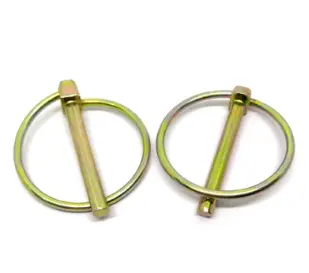
Understanding Hitch Locks and Coupler Locks: Definitions and Key Differences
The security landscape for trailer protection involves multiple locking mechanisms, each serving specific operational requirements. Hitch locks represent a broader category of security devices designed to prevent unauthorized trailer access and theft, while coupler locks target the specific connection point between trailer and towing vehicle.
Fundamental Design Differences
Hitch locks encompass various security solutions including receiver locks, tongue locks, and special pin systems, among other security options. Most of the time, these devices are made of sharpened steel and have finishes that are resistant to rust and work well in industrial settings. Stainless steel types 304 and 316 are often used as materials because they are very resistant to damage from the environment and attempts to mess with them.
Coupler locks are designed to keep the trailer coupler latch device in place. These parts keep the coupler from opening by hand, which keeps the trailer connected to the tow ball while it's being moved or stored. Different types of couplers, such as A-frame couplers, adjustable couplers, and special naval uses, can be accommodated by the different design changes.
Operational Mechanisms and Security Features
The changes in how these lock types work have a big effect on how they are used in business settings. Many hitch locks have locked mechanisms that can work with a master key. This lets fleet managers keep entry under control from one place. Modern models have cylinders that can't be picked and locks that are strong enough to fight common theft tools.
Different types of coupler locks use different ways to connect, such as clamp-style mechanisms and internal locking systems. These devices need to be able to work with the unique shape of trailer couplers and keep loads safe in a variety of situations. The closing device usually works with the coupler's built-in safety features, adding another level of protection against disconnecting without permission.
Hitch Pin Lock Essentials for B2B Buyers
By learning about the technical details and performance traits of hitch pin lock systems, procurement professionals can make smart buying choices that meet business needs and stay within their budgets.
Working Principles and Security Architecture
The latest hitch pin lock designs use complex technical ideas to make sure that security is at its highest level while still being easy to use. The locking mechanism usually has a hardened steel pin with a locking core built in. This makes it impossible to remove without the right key. Modern types have closing methods that are either tubular or disc-detainer and are hard to get around.
There are many levels of defense in the security design, starting with the physical pin construction. Cutting tools can't damage high-grade steel metals, and special heat treatment processes make them last longer when they're stressed. By keeping wetness out of internal parts, weather protection systems make sure that things work reliably even in harsh conditions.
Material Selection and Durability Considerations
Material specs must be looked at by procurement managers to make sure that the materials will work well in difficult situations for a long time. Stainless steel choices are better at resisting corrosion in marine settings and along the coast, while carbon steel options are more cost-effective for everyday business uses.
Zinc polishing, chrome finishing, and special coats that make things less likely to rust are some of the surface treatments that can be used. When these methods are used in places with a lot of salt or big changes in temperature, they have a big effect on the equipment's useful life. Cycle testing and salt spray testing should be part of quality assurance processes to make sure that performance standards are met.
Sizing and Compatibility Requirements
Correct sizing provides the highest level of safety and functionality across a wide range of trailer designs. Standard pin sizes are 1/4-inch, 5/16-inch, and 1/2-inch, and pin lengths can be changed to fit different hitch shapes. Specifications for purchases should take into account both the current needs of the company and any possible future growth.
When thinking about compatibility, it's not just about the actual measures; you also need to think about things like quick-release mechanisms and installation without tools. These features have a big effect on how efficiently they work in business settings with a lot of users and where managing time directly affects productivity.
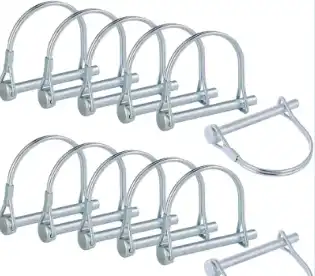
Comparing Hitch Pin Locks and Coupler Locks for Procurement Decisions
Before making a strategic purchasing choice, you need to carefully compare the total cost of ownership, operational ease, and security effectiveness of various locking options.
Security Effectiveness Analysis
The level of security that hitch pin locks and coupler locks offer depends a lot on what they are used for and how they were made. Hitch pin locks are great for keeping trailers from being stolen because they secure the main connection point. Coupler locks, on the other hand, offer extra protection against opportunistic tampering and accidental disconnections.
Based on the risk assessment, hitch pin lock systems are better at stopping advanced theft attempts because they are built into the hitch assembly's structural parts. Coupler locks add to this security by blocking different types of attacks and making the area look less inviting.
Cost-Benefit Evaluation
When doing an economic analysis for hitch pin lock, you need to look at both the initial costs of buying something and the long-term costs of running it, such as repairs, replacements, and possibly preventing loss. The original cost of a premium hitch pin lock device is usually higher, but it provides better durability and security over longer periods of time.
Opportunities to buy in bulk have a big effect on unit prices, especially for fleet operators who need standard security options. Volume savings usually range from 15% to 30% for orders that are bigger than the minimum quantity. Custom OEM solutions offer more value by letting you customize specs and add your own logo.
Brand Comparison and Market Analysis
Some of the best makers, like CURT, Reese, and Master Lock, have clear benefits in certain types of applications. CURT focuses on making products that are strong enough to withstand rust and work reliably in heavy-duty industrial settings. Reese focuses on precise engineering and making sure that their products work with a wide range of hitch setups. Master Lock has a wide range of security choices, including complicated keying options and features for managing a fleet.
The study of the market shows that there is a rising need for security systems that include more than one locking device to provide full safety. Because of this trend, buying strategies are shifting toward providers who can offer full security packages instead of just individual parts.
Installation and Removal: Practical Guides for Hitch Pin and Coupler Locks
The best security and operating efficiency are achieved by following the right installation steps, which also reduce the need for upkeep and the chance of user error.
Hitch Pin Lock Installation Procedures
The first step in the fitting process is a careful check of the hitch system to make sure it works with the trailer and to look for any damage or wear that might make the security less effective. Make sure all the connection points are clean and free of anything that could get in the way of the closing devices.
Make sure the hitch pin lock is fully engaged with all structural parts by inserting it through the marked mounting places. The pin should go through easily, without getting stuck or requiring too much force. This means that the size and placement are correct. Engage the closing mechanism according to the instructions from the maker and make sure that all of the safety features work correctly.
Coupler Lock Installation Guidelines
When you install a coupler lock, you need to pay close attention to how the coupler is designed and how it works. Place the lock device so that it engages the coupler latch without getting in the way of regular towing. The installation should make it easy to take down when approved, but it shouldn't be possible to change it or disconnect it by accident.
Check to see if the lock system puts stress on any other parts of the trailer or interferes with them. To make sure the software works reliably and to find any problems before putting it into use, test it in a way that mimics real-life operations.
Troubleshooting Common Installation Challenges
Mismatched sizes, problems with compatibility, and influence from the surroundings are all common problems that come up during installation of a hitch pin lock. To solve these issues in a planned way, check the specifications, look at the manufacturer's compatibility charts, and, if needed, talk to expert help resources.
Installation and function can be affected by things in the environment, like corrosion, buildup of waste, and thermal growth. To deal with these issues and make sure long-term dependability in tough operating settings, use preventive maintenance methods.
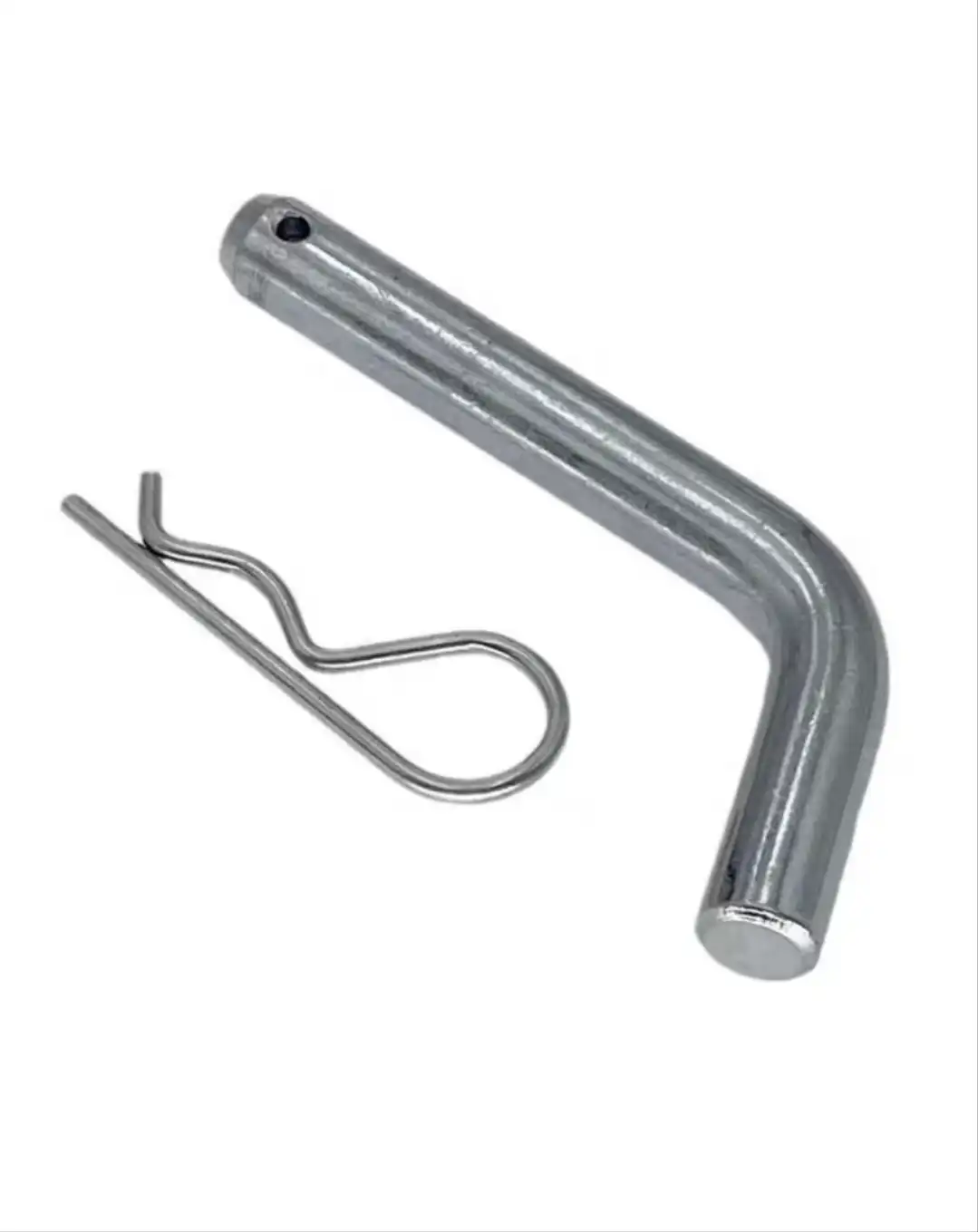
Enhancing Trailer Security: Best Practices and Recommendations
Comprehensive trailer security plans use many levels of defense and working steps to lower the risk of theft and keep assets safe in a variety of situations.
Anti-Theft Design Features
Modern security systems have many anti-theft features, such as toughened materials, lock cylinders that are hard to pick, and elements that are just plain ugly. All of these features work together to protect against a wide range of attack types and levels of skill.
Devices that have been shown to be resistant to common theft tools like bolt cutters, pry bars, and drilling equipment should be given more weight in the selection process. Certifications from independent testing provide objective proof of security performance and help procurement workers make smart choices based on skills that have been checked.
Material Strength Assessment
To test a material's strength, its tensile strength, shear resistance, and weather stability must be looked at in real-world situations. For industrial uses, high-grade steel alloys usually offer the best mix of strength, longevity, and cost-effectiveness.
As part of quality assurance processes, certificates for materials, tolerances for size, and surface treatment requirements should all be checked. In tough business settings, these factors have a direct effect on daily success and long-term cost-effectiveness.
Return on Investment Analysis
The calculation of the return on investment must take into account the benefits of reducing theft, improving working efficiency, and lowering the cost of upkeep. Studies show that full security systems usually pay for themselves within 18 to 24 months by lowering the number of losses and boosting operating trust.
Case studies from fleet owners show that fewer thefts, lower insurance rates, and better asset utilization rates can save a lot of money on operations. These benefits usually far outweigh the initial cost of the security system by a large amount, especially in high-risk work settings.
Conclusion
Procurement workers who are in charge of protecting fleets and assets need to know the difference between hitch locks and coupler locks. Hitch pin lock systems protect the connection between the car and the trailer the most, while coupler locks add an extra layer of security against tampering and entry by people who aren't supposed to be there. For procurement plans to work, they need to take into account all of the costs, practical limitations, and security needs. When you use multiple layers of security and follow the right steps for installation and maintenance, you get the best protection against theft and working interruptions while keeping costs low for long periods of time.
FAQ
Can hitch pin locks and coupler locks be used together for enhanced security?
Of course. When you combine hitch pin locks with coupler locks, you get more security layers that make the trailer much safer overall. This method covers a number of different weak spots and offers extra protection against a number of different theft ways. When compared to single-lock options, the mixed system provides better security.
How do I determine the correct size for my trailer application?
Find out what the pin's width and length needs to be for your particular hitch setup. Standard widths are 1/4-inch, 5/16-inch, and 1/2-inch, and there are different lengths to choose from. Check the manufacturer's suitability charts and think about options that can be adjusted for fleet uses with different trailer types.
What maintenance practices ensure optimal lock performance?
Regularly applying lubricants based on graphite stops cylinders from freezing up and increases their useful life. Check the seals and weather protection features on a regular basis and replace any broken parts right away. Regularly cleaning locks will get rid of dirt and salt buildups that could make them less effective.
Are these locks suitable for marine environments?
Locks used in marine environments need to be made of marine-grade stainless steel, which is more resistant to rust. Look for goods that have been tested in saltwater and have sealed barrel designs. In marine settings, regular repair is necessary to ensure that things keep working right.
Can locks be keyed alike for fleet management?
Yes, most companies that make business locks have choices that can be keyed alike for fleet use. This feature makes it possible to handle keys from one place and makes operations simpler. For big fleet operations, master key systems give you more options for controlling who can see what in a structured way.
Partner with RUIRUI for Premium Hitch Pin Lock Manufacturing Solutions
Industrial buying managers looking for reliable hitch pin lock suppliers can use RUIRUI's wide range of manufacturing skills and years of experience making fine metal parts. Our ISO 9001-certified factory makes personalized security hardware using advanced CNC machining, laser cutting, and special finishing techniques to make sure the goods are of the highest quality.
With over 15 years of manufacturing experience and eight dedicated production lines, RUIRUI provides OEM customization services, competitive factory-direct prices, and fast shipping options for large orders. Get in touch with our engineering team at kshdhardware@qdkshd.com to talk about your unique needs and find out how our advanced manufacturing skills can help you meet your trailer security buying goals.
References
American National Standards Institute. "ANSI/SAE J684: Trailer Couplings and Hitches - Automotive Type." Society of Automotive Engineers International Standards Committee, 2019.
National Institute of Standards and Technology. "Security Requirements for Trailer Coupling Systems in Commercial Applications." U.S. Department of Commerce Technology Administration, 2020.
International Association of Chiefs of Police. "Vehicle and Trailer Theft Prevention: Best Practices for Fleet Security Management." Law Enforcement Policy Development Series, 2021.
Society of Automotive Engineers. "Recommended Practices for Trailer Security Hardware Design and Testing." SAE Technical Standards Board Publication J2638, 2022.
American Society for Testing and Materials. "Standard Test Methods for Security Hardware Performance Evaluation." ASTM Committee F12 on Security Systems and Equipment, 2023.
Commercial Vehicle Safety Alliance. "Inspection Procedures for Trailer Coupling and Security Systems." North American Standards Harmonization Initiative, 2023.

Send Inquiry
You may like
Related Industry Knowledge
- Trailer Hitch Pin Lock Corrosion Resistance: What to Look For
- What Are the Key Features of High-Quality Trailer Container Handle Locks on Both Sides?
- How to Pick the Perfect Cart Trolley for Your Needs?
- What Makes Our Anchoring System for Portable Winch Weather-Resistant for Outdoor Use?
- Hitch Tightener Buying Guide: What to Know
- How Can Car Tuning Accessories Towbars Improve Vehicle Stability and Safety?
- What materials are 1/4 Hitch Pin Locks made from?
- Can I Use a Trailer Jack Stand Foot for Heavy-Duty Trailers?
- How do I install a trailer ball cover?
- How to assemble a cast iron bench?