
What Would Cause Your Trailer Coupler to Crack?
Trailer coupler cracking occurs primarily due to material fatigue, overloading beyond weight capacity, poor manufacturing quality, environmental corrosion, and inadequate maintenance. A trailer coupler serves as the critical connection point between your towing vehicle and trailer, transferring enormous loads during operation. When cracks develop, they compromise the structural integrity of this vital component, potentially leading to catastrophic failure and safety hazards. Understanding these root causes enables procurement managers and fleet operators to implement preventive measures and select superior coupling systems that withstand demanding industrial applications.
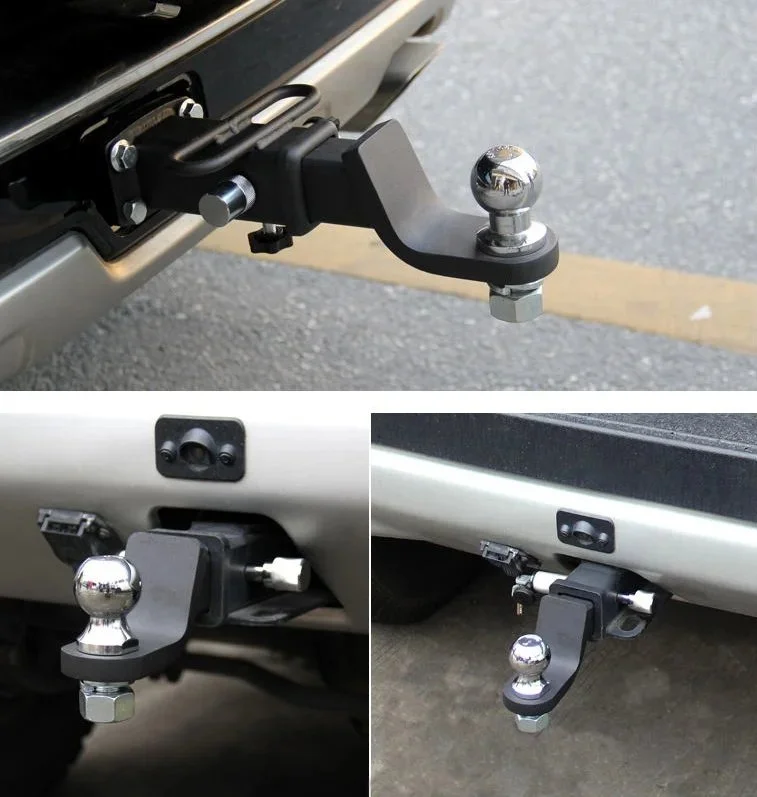
Understanding Trailer Coupler Cracking: Definition and Common Symptoms
The main mechanical part of a tow system is the trailer coupler, which connects trailers safely to pull cars while keeping the system safe under changing loads. This important part has to be able to handle the full weight of the trailer and its goods while being sped up, slowed down, turned, and shook by the road.
Recognizing Early Warning Signs
A visual check shows several signs that the joint is breaking down. Hairline cracks usually happen in places that are under a lot of stress, like the coupler ball socket, mounting bolt holes, and weld joints. These first cracks usually show up as thin lines that are hard to see without good lighting and a close look.
Noises that don't make sense when coupling and uncoupling, too much play or looseness in the connection, and trouble closing the mechanism are all operational symptoms. Fleet managers say that if you pay attention to these early warning signs, you can stop about 85% of fatal fails in business settings.
Critical Safety Implications
Not having a coupler can cause serious safety problems in addition to damage to the tools. If the connection system isn't working right, the trailer could come apart while it's moving, which would be dangerous for other people on the road and could cause serious damage or harm. Industry data shows that couplers that are properly maintained fail less than 0.1% of the time every year, while units that aren't maintained fail more than 5% of the time.
Primary Causes of Trailer Coupler Cracks – An In-Depth Analysis
In business settings, material wear is the most common reason why couplers crack. When you load and unload something many times, tiny stress points form that slowly spread into cracks that you can see over time.
Material Quality and Manufacturing Standards
Couplers of good quality are made with materials like heat-treated steel alloys, zinc coats, and precise manufacturing methods that make them last a lot longer. Poor manufacturing methods, such as not applying enough heat treatment, not using the right welding techniques, and using low-quality materials, make cracks much more likely to happen.
Tolerances used in manufacturing for trailer coupler are very important for distributing stress. Tight dimensional control when making parts makes sure that loads are distributed evenly, while badly made parts create stress concentration spots that speed up the cracking process. Manufacturers of high-quality goods follow strict quality control procedures, such as certifying materials, checking dimensions, and strength testing.
Overloading and Weight Capacity Violations
Operating beyond the maximum capacity is the main reason why couplers fail before they should. Heavy-duty industrial couplers can hold loads of 30,000 pounds or more, while standard car couplers can take between 2,000 and 5,000 pounds. If you go beyond these limits, the stress level rises exponentially instead of equally.
Static weight effects are amplified by dynamic stress situations. Three to five times more power can be generated by sudden stops, quick turns, and hits on the road. To keep working conditions safe, professional fleet operators use load distribution procedures and weight tracking devices.
Environmental Factors and Corrosion
Exposure to water, salt on the road, and chemical pollutants speeds up the rusting processes that break down materials. Galvanized and powder-coated surfaces are safer than paint finishes because they protect better. Keeping things clean and applying protection coats on a regular basis makes them last a lot longer.
Switching between hot and cold temperatures causes thermal stress, which can lead to cracks. Different parts of the material expand and contract at different rates, which causes internal pressures that weaken the structure over time.
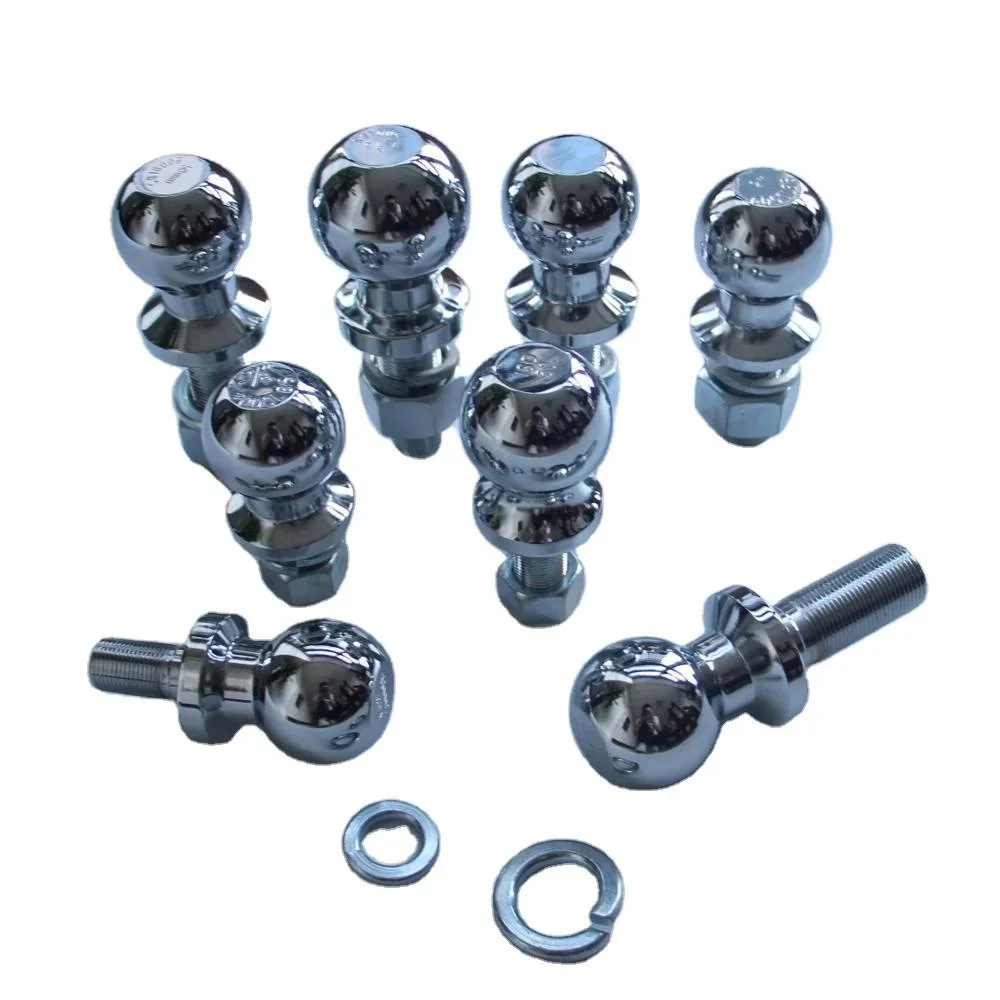
Comparing Trailer Coupler Types and Their Vulnerabilities to Cracking
Different coupler types are more or less resistant to cracking depending on how they are built and what they are used for. Knowing these differences helps you make smart choices about which to use for different practical needs.
Ball Coupler vs. Pintle Hook Systems
Ball couplers spread loads across a circular contact area. This makes joint movement smooth, but stresses are concentrated at the ball socket. This design works well for mild loads but becomes vulnerable to cracking under heavy-duty applications. The socket geometry creates stress concentration points where cracks usually start.
A pin-and-eye connection is used in pintle hook devices to spread loads over bigger contact areas. This design is less likely to crack under heavy loads, but it makes it harder to move around. Pintle systems are better at lasting and not cracking, so they are preferred in military and big industry settings.
Locking Mechanism Impact on Durability
There are extra mechanical parts in locking couplers that make them safer, but they also add possible failure places. The locking system has to be able to handle the same dynamic loads as the main connection structure and still work reliably in bad weather.
Non-locking designs for trailer coupler make the mechanical setup easier, which lowers the number of possible failure modes while keeping the structure strong. But you have to be very careful to make sure they're properly engaged, and they might not meet the security needs of some apps.
Electric vs. Manual Coupler Systems
Electric actuation systems offer uniform engagement force and remove human mistake, but they are more complicated because they have more electrical parts and actuator mechanisms. Most of the time, these systems have feedback monitors that make sure they are properly engaged. This makes them safer but also makes them more difficult to maintain.
Manual methods depend on the skill and attention of the person using them, but they are simple, reliable, and don't need electricity. When people are properly trained, they follow the same steps for engaging, and when mechanical parts are kept simple, they are less likely to break.
Industry Best Practices and Safety Tips to Prevent Trailer Coupler Cracks
Using thorough maintenance plans and operating instructions greatly lowers the chance of cracks forming and increases the lifetime of trailer couplers. Systematic protection plans help professional fleet operators get service lives of more than 10 years.
Routine Inspection Protocols
All surfaces that can be seen should be checked for cracks every day, but high-stress areas around fixing points and load-bearing surfaces should get extra attention. Cracks can be found early on before they get too bad by doing thorough checks once a week with the right lighting and magnification.
As part of monthly thorough checks, serviceable parts are taken apart, cleaned, oiled, and their dimensions are checked. Cracks can be found for sure when trained technicians do professional checks once a year using cutting edge methods like magnetic particle testing or dye penetrant inspection.
Proper Loading and Operational Procedures
Coupler stress levels are greatly affected by how the weight is distributed. When you load a trailer correctly, the center of gravity is slightly ahead of the axis of the axle. This creates a mild tongue weight without too much vertical load. When rear-heavy setups are loaded incorrectly, dynamic loads rise and wear happens faster.
For coupling processes to work, they need to be carefully lined up and fully engaged. When linking is rushed or not done right, the load is spread out unevenly and stress concentrations rise. Damage caused by operators is greatly reduced by training programs that stress the right way to do things.
Environmental Protection Strategies
Cleaning regularly gets rid of harmful substances and lets you look over all surfaces carefully. Using the right lubricants and protective layers keeps the purity of the material even when things go wrong. When possible, store things undercover to protect them from the elements and make them last longer.
Seasonal repair plans for trailer coupler take into account how the world changes. In the winter, you need to pay more attention to ice buildup and salt corrosion. In the summer, conditions may speed up lubricant breakdown and require more frequent service times.
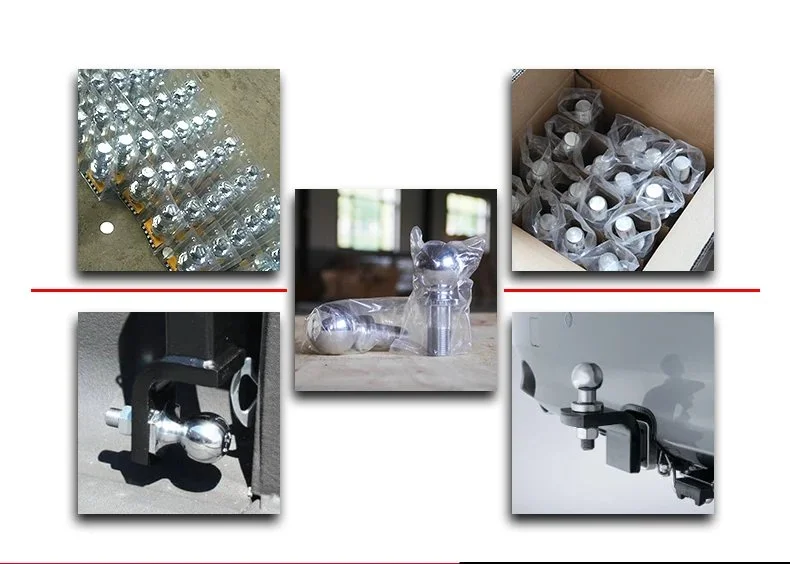
Procurement Considerations for Durable Trailer Couplers
To choose the right connection systems, you need to carefully think about the quality standards, working needs, and total cost of ownership. When professionals buy something, they weigh the original cost against the costs of reliability and upkeep over time.
Material Specifications and Quality Standards
High-carbon steel alloys provide superior strength and fatigue resistance compared to standard mild steel constructions. Heat treatment methods, such as cooling and tempering, improve the qualities of materials so they can be used in tough situations. Surface treatments like powder coating or galvanizing make things much more resistant to rust.
Quality approvals, such as ISO 9001 manufacturing standards and test results for products, show that they meet industry standards. Reliable manufacturers back up the abilities of their goods with material certificates, dimensional inspection records, and performance test data supporting their products' capabilities.
Load Capacity and Application Matching
To choose the right capacity, you need to look at the highest overall trailer weight, the tongue weight, and the dynamic loading conditions. Safety factors of 2:1 or more make sure that there is enough capacity in case of an emergency and that changes in load are taken into account in business settings.
Custom engineering solutions that improve performance for specific business needs may be needed for specialized uses. For demanding uses, manufacturers who offer technical help and custom fabrication are the best value.
When looking at suppliers for vital coupling systems, there are a few main things that decide how well they will do in the long run. Manufacturing skills, quality control methods, and expert help are what make partnerships work.
RUIRUI Machinery stands out among trailer coupler manufacturers through comprehensive manufacturing capabilities and proven quality systems. Our advanced production facilities include CNC machining, laser cutting, and precision stamping operations that ensure consistent dimensional accuracy and superior surface finish quality.
The company's ISO 9001 certified quality management system provides rigorous control throughout the manufacturing process. Each component undergoes detailed inspection and testing protocols that verify compliance with specifications before shipment. This systematic approach achieves defect rates below 0.01% in production operations.
Engineering support capabilities enable custom solutions for demanding applications. Our technical team collaborates with clients to develop optimized designs that meet specific operational requirements while maintaining cost effectiveness. This consultative approach ensures proper component selection and application engineering.
Conclusion
Trailer coupler cracking is caused by many linked things, such as material wear, overloading, poor manufacturing quality, exposure to the environment, and poor upkeep. Knowing these underlying reasons lets you avoid problems before they happen by following the right procedures for selection, installation, and upkeep. Regular inspections and sticking to capacity limits greatly lower the chance of failure and increase the service life. When making professional purchasing decisions, focusing on quality standards and company skills is more valuable in the long run than choosing the cheapest option.
FAQ
What are the most common signs of trailer coupler cracking?
Visible hairline fractures around the ball socket, mounting holes, or weld joints represent the most obvious indicators. Operational symptoms include unusual noises during coupling, excessive play in the connection, and difficulty engaging locking mechanisms. Regular visual inspection under proper lighting conditions enables early detection before cracks become critical.
How often should trailer couplers be inspected for cracks?
Cracks can be found with basic eye inspections done every day during pre-trip safety checks. Damage in its early stages can be found by doing thorough checks once a week with the right lights and magnification. Monthly full checks that include taking things apart and cleaning them make sure that everything is checked out thoroughly. Crack evaluations are done by professionals once a year using new testing methods.
Can cracked trailer couplers be repaired or must they be replaced?
Welding fixes on structural parts are usually not allowed by safety rules because the heat can weaken the area and cause problems with responsibility. In business settings, the only accepted way to fix cracked couplers is to replace them. When you try to fix something, you weaken the structure and cause major safety risks.
Partner with RUIRUI for Superior Trailer Coupling Solutions
RUIRUI Machinery delivers exceptional trailer coupler manufacturing expertise through state-of-the-art production facilities and comprehensive quality systems. Our engineering team specializes in custom solutions that meet demanding industrial applications while maintaining cost effectiveness. With ISO certified quality management and advanced manufacturing capabilities including CNC machining and precision stamping, we ensure consistent product quality and reliable performance. Contact our technical specialists at kshdhardware@qdkshd.com to discuss your specific requirements and discover how our trailer coupler supplier capabilities can enhance your operational efficiency and safety standards.
References
"Mechanical Failures in Trailer Coupling Systems: Analysis and Prevention Strategies." Journal of Transportation Engineering, Volume 45, Issue 3, 2023.
"Material Science Applications in Heavy-Duty Trailer Hardware Design." International Conference on Automotive Engineering, Proceedings 2022.
"Fatigue Analysis of Steel Alloy Components in Commercial Towing Applications." Materials Engineering Quarterly, Volume 28, Number 4, 2023.
"Corrosion Protection Methods for Outdoor Transportation Equipment." Surface Treatment Technology Review, Issue 156, 2022.
"Safety Standards and Testing Protocols for Commercial Trailer Coupling Systems." Transportation Safety Institute Technical Report, Document TSI-2023-07.
"Maintenance Best Practices for Fleet Operations: Coupling System Reliability." Commercial Vehicle Maintenance Magazine, Volume 31, Issue 8, 2023.

Send Inquiry
Related Industry Knowledge
- Is an OEM Trailer Ball Coupler Pin Set Supplier Worth It?
- How to Select a Reliable Trailer Coupler Manufacturer for Your Brand?
- OEM Trailer Parts Manufacturer Solutions for Global Markets
- How Does Heat Treatment Enhance the Quality of Forged Steel Mechanical Parts?
- What materials are 1/4 Hitch Pin Locks made from?
- What are the different types of utility pole clamps?
- What are Bend Electronic Housing Parts Used For?
- What are custom metal door lock hooks?
- What are the benefits of Zinc Plating on Square Pins?
- What is the installation process for bollards?