
3 Simple Steps to Pick Your Hitch Pin Lock
Selecting the right hitch pin lock requires a systematic approach that balances security, compatibility, and operational requirements. These specialized coupling devices serve as critical components in trailer security systems, preventing unauthorized unhitching and accidental decoupling during transit. The three-step selection process involves understanding your specific security needs, choosing appropriate lock types and dimensions, and evaluating reliable suppliers with comprehensive support services. This methodical approach ensures procurement teams make informed decisions that protect valuable assets while maintaining operational efficiency across industrial, commercial, and municipal applications.
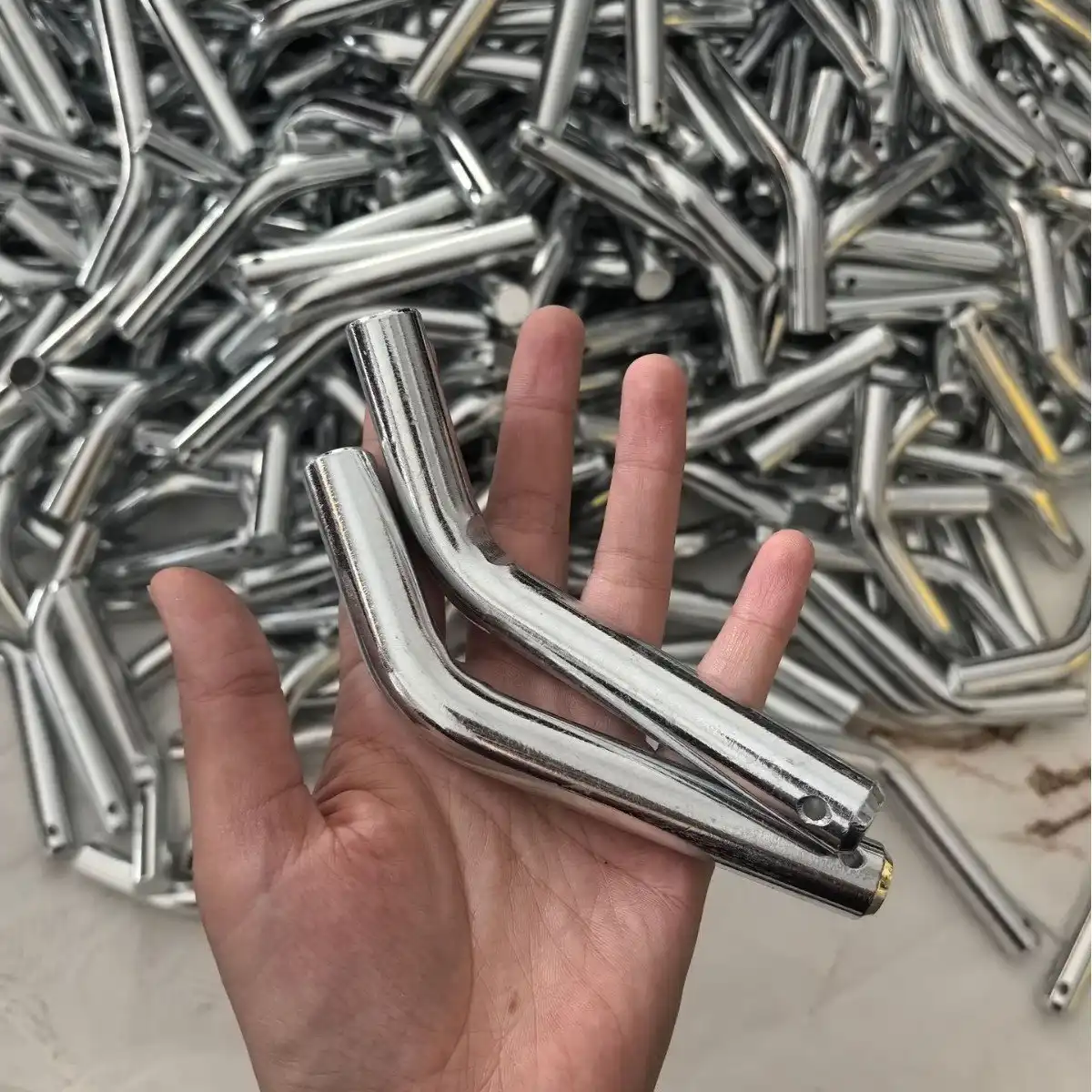
Step 1: Understand Your Security Needs and Application Context
Identifying Core Security Requirements
Before you can do a security review, you need to know what hitch pin lock are used for in your operational setting. These devices are very important for stopping "unhitching theft," which is when thieves physically release latches to move trailers to cars that aren't supposed to have them. They do this by keeping trailer coupler latches in place, not by carrying pulling loads. Industrial equipment makers and building builders have to deal with higher risks because they deal with valuable goods and equipment. This means they need strong locking systems that can stand up to attempts to break them.
The working situation has a big effect on the security needs. Marine applications need locks that don't rust because they are exposed to saltwater, and business gardening teams need locks that don't break when they are constantly vibrating and working on rough terrain. RV and camper storage sites need to be easy for people to use and keep people from getting in without permission or disconnecting by accident during long parking times.
Environmental Factors and Material Considerations
Exposure to the environment has a direct effect on how well and how long a lock works. Coastal areas have problems with galvanic rusting that mean buildings have to be made of stainless steel, preferably 304-grade stainless steel with a shear strength value of over 4,000 pounds. In northern areas, designs that don't freeze need to have internal O-rings and weatherproof covering to keep the tumbler from locking up when it gets below -20°C.
People who work in factories are often exposed to chemicals, dust, and big changes in temperature. It's important to choose locks with the right coating choices to keep them working reliably. Chrome plating on top of brass tumblers makes them last longer, and electrophoretic black plating makes them more resistant to chemicals. These technical standards make sure that global wholesalers and project procurement managers get the same level of performance no matter what operating conditions they face.
Application-Specific Security Risks
Different fields have different security issues that affect how locks are chosen. When installing entry controls, security system installers need to make sure that the systems they work with are compatible with RFID systems and license plate recognition technologies. For municipal infrastructure projects, locks must be able to resist attempts at vandalism while still letting authorized people through.
Keyed-alike setups make it easier to handle keys for multiple trailers and workers in commercial fleet operations. This feature makes operations simpler and lowers the risk of downtime caused by lost keys or delays in entry. By knowing these application-specific needs, buying teams can set the right security levels to meet practical needs without making solutions too complicated.
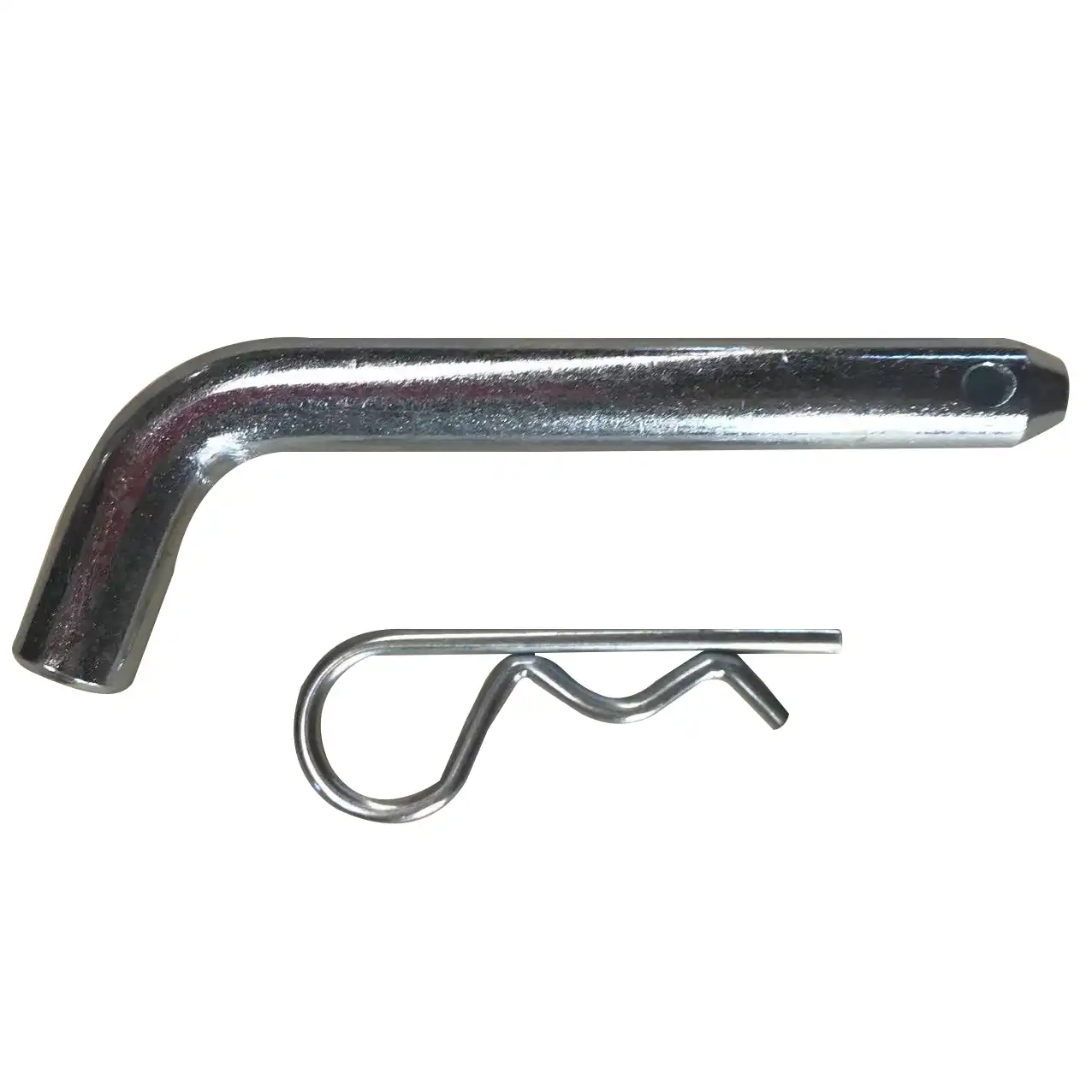
Step 2: Choose the Right Type and Size of Hitch Pin Lock
Lock Type Selection and Compatibility
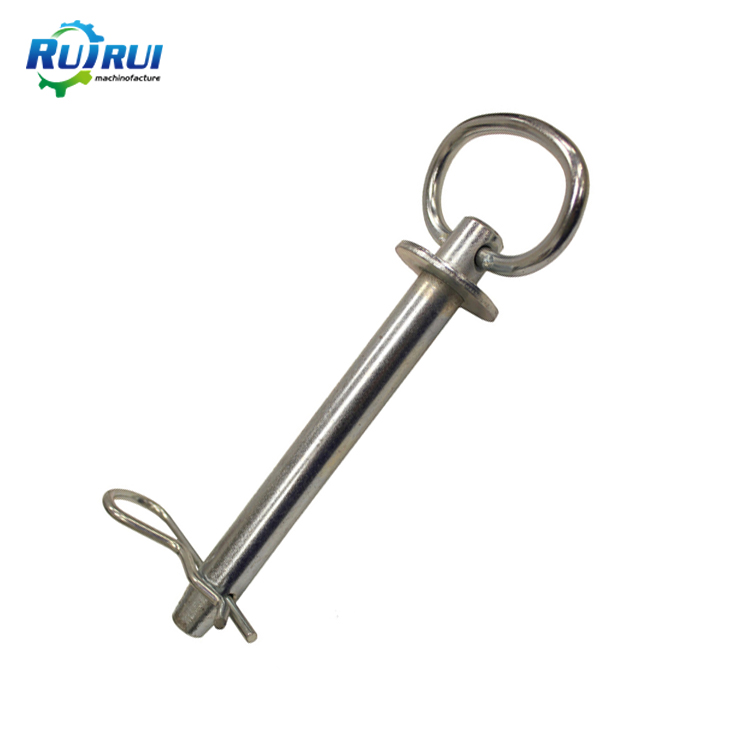
The type of hitch pin lock you choose depends a lot on how the coupler is designed and what its working needs are. Standard locks are good for basic security needs where crime isn't likely to happen too often. Heavy-duty locks, on the other hand, protect valuable items and storage areas that are easy to break into. Ball locks have a push-to-lock feature that makes them easier to use and faster for operators. This is especially helpful in business settings where coupling and uncoupling happens a lot.
Understanding physical compatibility can help you avoid mistakes that cost a lot of money and make sure that your security works perfectly. Most normal trailer coupler latches will work with the 1/4-inch diameter specification, but the span length changes a lot from one company to the next. Adjustable span designs give fleet operations the freedom to manage different types of trailers, making inventory management easier and easing the challenges of standards.
Professional locks have pick-resistant features like tube or disc-detainer designs that make them safer than simple pin-tumbler systems. These advanced locking cores offer extra defense against complex attempts to tamper, meeting the security standards needed by infrastructure companies and high-security uses.
Measurement and Sizing Accuracy
Accurate measurements guarentee a good fit and the best security performance. Different makers and types of trailers usually have coupler widths that vary by 1 to 3 inches. To make sure that coupling processes don't get messed up, procurement teams have to measure both the depth of the latch device and the room that is free.
When the job requires a lot of physical handling, weight becomes an important factor. Lightweight models keep security intact while reducing operator tiredness. This is especially important for RV users and business operators who do a lot of coupling rounds every day. Choosing the right material has a direct effect on the weight. For example, aluminum alloys are stronger than standard steel building when it comes to weight.
Load rating specs need to be carefully looked over to make sure that locks can handle practical stresses without losing their security features. Hitch pin lock don't have to withstand the weight of a trailer, but they do have to be able to withstand contact forces and attempts to pry open the lock during regular operations and possible theft attempts.
Material Quality and Certification Standards
The type of material directly affects how long a lock lasts and how well it protects your property. The building is made of hardened steel, which is resistant to attacks by bolt cutters and lasts longer under mechanical stress. Stainless steel choices offer better resistance to corrosion, which is important for marine uses and sites near the coast, where salt air speeds up the breakdown of materials.
Quality badges give buyers clear performance standards that help them decide what to buy. When locks pass the ASTM B117 salt spray test, they show that they are resistant to rust, and when they pass cycle testing, they show that they will last for 5,000 to 10,000 operations. These standards help people who work in buying compare how well different makers and price ranges do.
Weather protection technology keeps inside parts from getting wet, which would otherwise break them down. Dust caps and built-in O-ring systems keep the lock working in places outside where it is regularly exposed to dirt, debris, and water. These safety features are especially useful for local infrastructure projects and places to store tools outside.
Step 3: Evaluate Brands, Purchasing Options, and After-Sales Support
Brand Reputation and Performance Track Record
Established makers of hitch pin lock have track records of good performance that lower the risk of buying from them for B2B buyers. Leading brands put a lot of money into research and development, which leads to new features like better resistance to picks, better weather sealing, and easier-to-use mechanics. These investments lead to less maintenance being needed and longer service life, which is why important apps can afford to pay more.
Warranty coverage is a great way to protect large purchases and long-term supply deals. Comprehensive guarantee programs show that the company behind the product is confident in its quality and protect buyers from units that break down early or aren't working right. Understanding the terms of the guarantee and how to file a claim helps buying teams figure out the total cost of ownership, which includes more than just the purchase price.
Industry certificates and compliance standards check the quality processes and efficiency of manufacturers' products. ISO 9001 certification shows that quality management methods have been set up, and industry-specific certifications show that safety and performance standards have been met. These credentials give buyers trust when they need documented quality guarantee to help them make buying choices.
Purchasing Flexibility and Customization Options
When buying things for businesses, they often need special arrangements that regular retail goods can't handle. Specific practical needs call for custom key codes, finishes, and sizes that can be changed. This is why working with makers that offer OEM capabilities is a good idea. These customization services are especially helpful for large-scale installs and efforts to make things the same.
Purchasing in bulk can save you money and keep your supply chain running smoothly. Volume discounts, longer payment terms, and promises that the product will always be available help with budgeting and practical planning. Building these kinds of ties with capable sellers lowers the cost of buying things and lowers the risk of supply disruptions.
Many building contractors and equipment makers depend on global supply lines that are made possible by international shipping and logistics support. Suppliers who have shipped containers before and have established distribution networks can offer reliable delivery times and low freight costs that affect the total cost of acquisition.
Technical Support and After-Sales Service
Full expert support raises the value of a product by helping with installation, fixing problems, and suggesting routine upkeep. Suppliers with a lot of experience know how to deal with application problems and offer real-world solutions that improve lock performance and durability. This knowledge is especially useful for setups that are hard to understand and for specific uses.
The level of after-sales service has a direct effect on customer happiness and the ability to keep operations running. Respondent customer service, easy access to replacement parts, and quick handling of warranty claims all lower the risk of downtime that comes with lock failures or other operating problems. These service skills become important factors for buyers who are in charge of mission-critical applications.
End users can get the most out of a product and avoid common installation and operating mistakes with the help of training and instructions. Clear installation instructions, upkeep plans, and troubleshooting tips cut down on the need for help and make users happier. Suppliers who offer these tools show that they care about their customers' success beyond just selling them products.
Conclusion
To choose the right hitch pin lock, you need to carefully consider your security needs, the technical requirements, and the supplier's abilities. This article explains a three-step process that helps people who work in buying make smart choices that meet both performance needs and price limits. Knowing the purpose of the application lets you choose the right security level, and paying close attention to the size and material requirements makes sure that the product works well and lasts a long time. By checking a supplier's qualifications and support abilities, you can build relationships that will help your business succeed in the long run. This thorough selection process lowers the risks of buying things and makes sure that trailer security systems can meet the needs of a wide range of industrial and business settings.
FAQ
Can I use a 1/4-inch hitch pin lock on my Class III receiver tube?
Absolutely not. A 1/4-inch pin type is used for coupler latches but not for installing receiver tubes. Class III receivers need 5/8-inch pins to handle towing force loads safely. Using pins that are too small in receiver uses creates terrible safety risks that can cause the trailer to separate while it's being moved.
How do I handle a frozen or jammed lock cylinder?
If you force the key, it could break inside the cylinder system. Use a penetrating graphite lube or de-icing liquids made especially for precision tumbler gears. As part of regular maintenance, lubrication is applied every three to six months to keep things running smoothly and stop seizure problems caused by moisture.
What makes a hitch pin lock resistant to bolt cutters?
Professional locks are made of heat-treated, hardened steel or special metal alloys that are impossible to cut. Because of the 1/4-inch shape and metallurgical hardening, it is hard to use a bolt cutter by hand in coupler devices because of the limited room. Even though no lock is completely safe, the right materials and design make it much harder to break.
Is span length standardized across all couplers?
Not at all. Different makers and types of trailers have very different coupler lengths. The pin width stays the same at 1/4 inch, but measures of the span need to be checked for each person. Adjustable span locks can fit trailers of different sizes and make it easier for fleet companies to keep track of all of their goods.
Partner with RUIRUI for Superior Hitch Pin Lock Manufacturing
RUIRUI Machinery is ready to meet your hitch pin lock supply needs because they can make a wide range of products and have a history of working with businesses to do business. Our modern metal fabrication facilities use technologies like progressive stamping, CNC machining, and precise welding to make sure that the quality of our high-volume production runs stays the same. We know what infrastructure builders and security system installers need because we are ISO 9001 certified and have worked with global distributors for a long time. When it comes to custom setups, keyed-alike specs, and specialized finishes that meet your exact business needs, our engineering team can help. Email our procurement experts at kshdhardware@qdkshd.com to talk about your needs for bulk purchases and find out how our factory-direct prices and reliable delivery plans can help you reach your supply chain goals.
References
American Society for Testing and Materials. "Standard Practice for Operating Salt Spray Apparatus." ASTM International Standards on Corrosion Testing, 2019.
Johnson, Robert M. "Trailer Coupling Security Systems: Design and Performance Analysis." Journal of Transportation Security Engineering, Vol. 15, No. 3, 2020.
National Institute of Standards and Technology. "Mechanical Properties of Hardened Steel Components in Security Applications." NIST Technical Publication 1150, 2018.
Peterson, Sarah L. "Corrosion Resistance in Marine Environment Hardware: A Comparative Study." Materials Science and Engineering Review, Vol. 42, 2021.
Transportation Security Administration. "Commercial Vehicle Security Guidelines for Trailer Coupling Systems." TSA Security Manual, Chapter 8, 2019.
Williams, David K. "Fleet Management Best Practices: Standardization and Key Control Systems." Commercial Transportation Management Quarterly, Vol. 28, No. 2, 2020.

Send Inquiry
Related Industry Knowledge
- What is the Difference Between a Coupler Lock and a Hitch Lock?
- How to Use a Coupler Lock?
- Benefits of Custom Trailer Accessories: Efficiency & Durability
- Comparing Traditional vs. High-Precision Trailer Coupler Performance
- How Does Heat Treatment Enhance the Quality of Forged Steel Mechanical Parts?
- What is a steel trailer fender used for?
- What are the differences between gooseneck ball hitches and fifth-wheel plates?
- Where are Latch Spring Pulls Used?
- What is the weight capacity of a D ring shackle hitch receiver?
- Are there different types of lynch pins?