
How to Use a Coupler Lock?
To use a coupler lock correctly, you need to know the right way to place it and how to secure it. Place the lock over the trailer's ball coupler and make sure the locking pin lines up with the coupler's latch hole. Put the safety pin through the holes that are marked, and then turn on either the locked cylinder or the combination dial until you hear a clear clicking sound. Check the connection by gently pulling on the lock assembly. When installed correctly, the lock body and coupler housing can't move, making it impossible for someone to remove the trailer without permission.
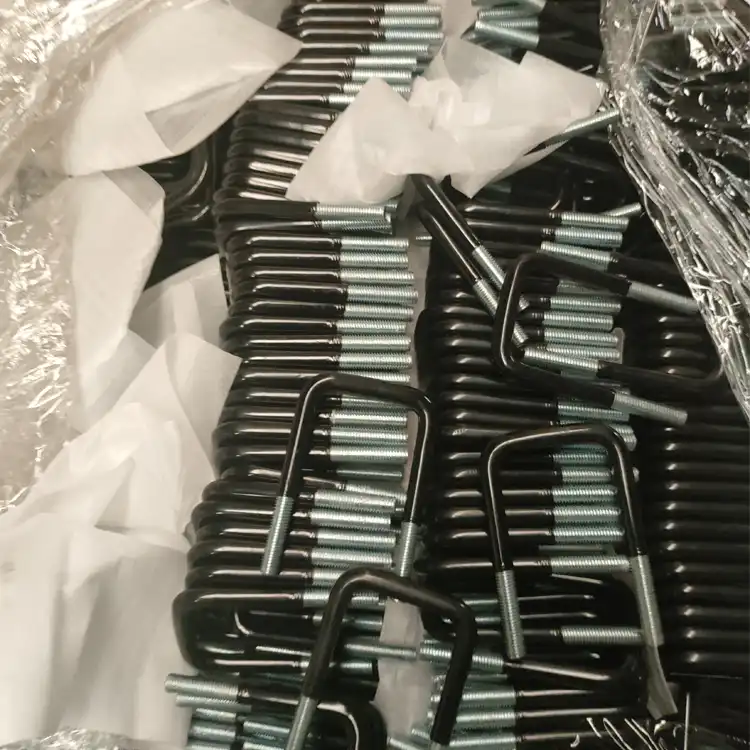
Understanding the Basics of Coupler Locks
A lot of trailer security systems depend on special locking devices that keep thieves out and people who aren't supposed to be there out. These safety features work directly with your trailer's connection system, making it very hard for thieves to get through while still letting legal users do their jobs quickly and easily.
What Are Coupler Locks and How Do They Work?
Coupler locks are specialized security devices that make it physically impossible to get to the trailer ball coupler system. The coupler's latch system is protected by the lock housing, so only allowed people can't disconnect the trailer from its tow car. Hardened steel structure and tamper-resistant features are used in modern designs to make things that can stand up to efforts to cut them and harsh weather.
By strategically placing the lock body, the main idea behind how it works is to stop the coupler's release mechanism from working. When placed correctly, these devices make a shield around important connection parts that can't be moved. This means that the trailer can't be detached without the right key or combination. The more advanced types have weather-resistant seals and coatings that keep them working in a range of weather situations.
Core Components and Latch Mechanisms
Professional-grade coupler locks have a number of important parts that work together to give you the most security. The main body is usually made of high-tensile steel and has precisely machined areas that are impossible to drill or cut. On the inside, there are devices like spring-loaded pins, tumbler systems, and stronger locking cylinders that are made to last longer.
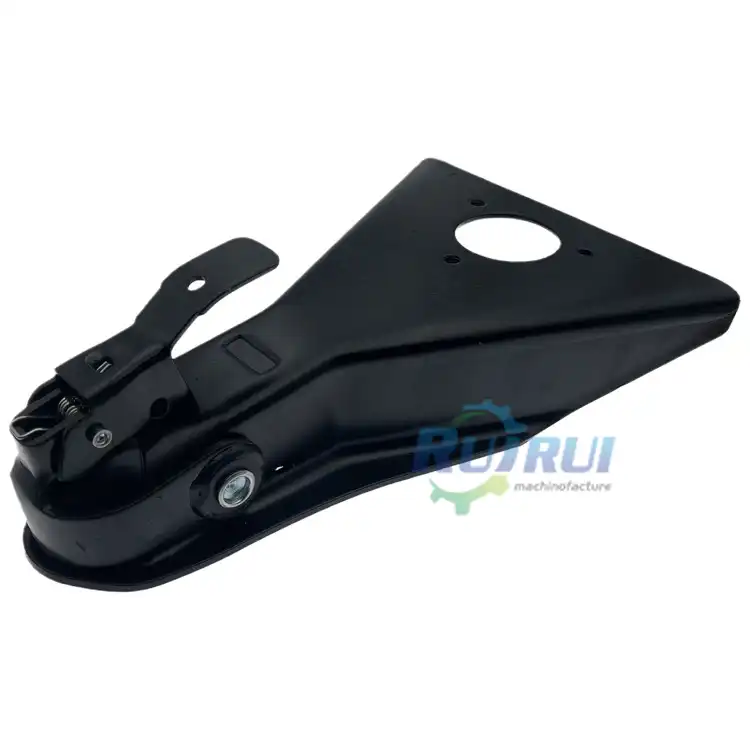
The trailer ball couplers made by RUIRUI work well with these security systems because they are built to last. Our high-quality alloy steel construction and zinc-plated or black powder coat finishes make sure that they work with a wide range of closing systems. The forged construction makes it very durable, and our ISO/TS16949 approval ensures the high quality of making that B2B purchasing managers look for.
Keyed vs. Combination Models: Operational Differences
You can choose between locked and combination locking systems based on your organization's needs and the opinions of its users. Keyed systems offer rapid engagement and disengagement capabilities, making them ideal for frequent loading scenarios where time efficiency matters most. Most of these models come with master key features that give fleet managers centralized control while still letting operators choose how to do their jobs.
Combination locks for coupler lock are great for long-term storage because they remove the need to worry about managing keys. Modern combination mechanisms have knobs that are sealed against the weather and have physical feedback systems that work reliably even when it's dark. Not having actual keys lowers the security risks that come with copying keys or getting into key storage areas without permission.
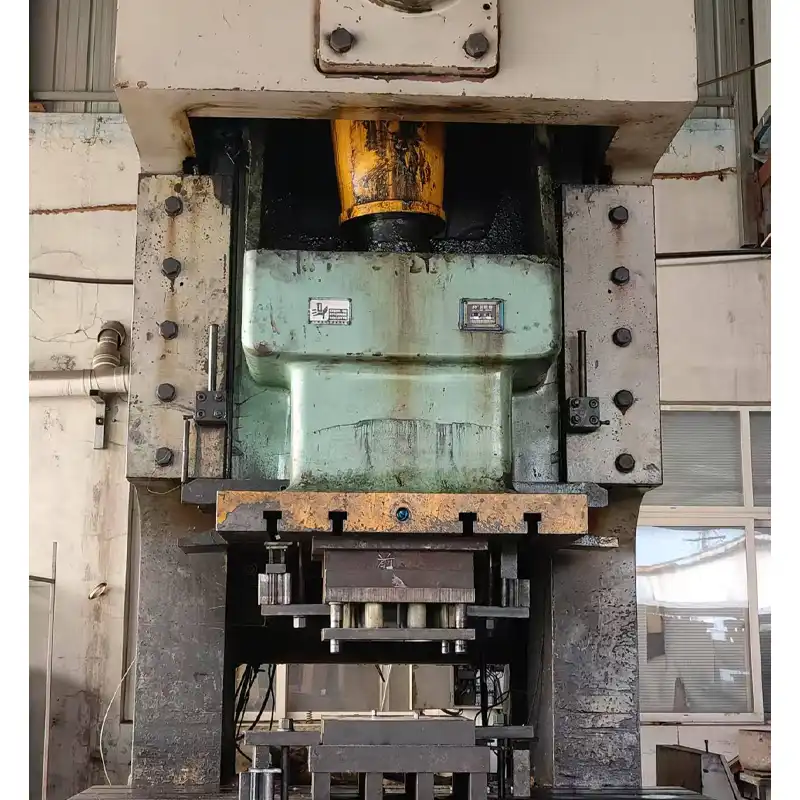
Step-by-Step Guide: How to Use a Coupler Lock Correctly?
For professional assembly to work at its best, there needs to be careful planning and attention to detail. Knowing the right way to install something keeps you from making common mistakes that could risk the safety of your trailer and keep the lock's guarantee valid.
Preparation and Safety Measures
To start the fitting process, make sure the trailer is on level ground and that there is enough light to see all of its parts. During the fitting process, put on the parking brakes and use wheel chocks to keep the wheels from moving around. Get the tools you'll need, like work gloves, a flashlight, and any other tools the maker of your lock says you should have.
Safety concerns go beyond just protecting yourself; they also include how to properly use the locking device. Before trying to install the coupler lock, check the case for any damage that happened during shipping or problems with the way it was made. Make sure that all the moving parts work well and that the weather seals stay in place. Write down serial numbers and key codes so you can use them in the future and make warranty claims.
Installation Procedures for Different Lock Types
For keyed coupler locks to work, the lock body and trailer coupler parts must be perfectly lined up. Place the lock body on top of the coupler mechanism and make sure the main shell covers the latch release mechanism all the way. Be careful not to push parts that don't naturally fit together as you insert the locking pin through the marked alignment holes. Slowly turn the key cylinder while keeping downward pressure on the lock case.
Combination locks are installed in a way that is similar to other locks, but you need to pay more attention to where the key is placed during the locking process. Set your chosen mixture according to the manufacturer's instructions, which usually include turning it several times in certain ways. Before finishing the installation, test the combination sequence several times to make sure it will work reliably in the field.
Heavy-Duty Models and Weather Resistance Features
Enhanced security features that normal home locks can't provide are often needed in industrial settings. Heavy-duty models have housings made of hardened steel, cores that can't be drilled through, and anti-picking devices made for high-security settings. These units usually have bigger locking pins and stronger housings that can stand up to strong attempts to mess with them.
For things that are kept outside, where wetness, temperature changes, and corrosive factors can damage locks, weather protection is very important. Premium models have sealed bearing systems, internal parts made of stainless steel, and special oils that keep them working in a wide range of temperatures. Keeping up with regular repair helps keep these safety features in good shape for longer amounts of time.
Selecting the Right Coupler Lock for Your Business Needs
When buying a coupler lock, you have to carefully weigh the needs for security against the needs for working speed and cost. Finding the best answer for your application needs is easier when you know about all the different choices you have.
Key Selection Criteria and Material Specifications
Threat research that is special to your working environment and asset values is the first step in figuring out the security level. Advanced security features, such as hardened steel construction, anti-drill plates, and pick-resistant cylinder designs, are needed for high-value equipment. Specifications for materials should stress how resistant they are to rust by choosing alloys and treating their surfaces in the right way.
It's not just basic fitting that needs to be thought about when it comes to compatibility. Operational requirements like coupling regularity, storage length, and environmental conditions must also be taken into account. In order to meet the needs of a wide range of fleets, RUIRUI's trailer ball couplers can work with balls that are between 1-7/8" and 2-5/16". Our weight ranges from 2,000 to 20,000 pounds, and our heavy-duty models can hold up to 15,000 pounds of vertical load and 60,000 pounds of M.G.T.W., so you can be sure that they will work well with your needs.
Size Compatibility and Trailer Categories
Different types of trailers need different locking systems that are made to fit their special coupling configurations and use cases. Most ATV trailers use lighter-duty locks with small housings that don't get in the way of moving or storing things. Combination locks are useful in these situations because they get rid of the need to handle keys while still keeping recreational tools safe.
For heavy-duty industrial uses, locking devices need to be strong enough to handle rough working conditions and determined theft attempts. Construction equipment trailers have lock housings that are too big and fixing systems that are too weak, so they don't get damaged by bumps on the job site. Keyed systems with master key features that make inventory management easier while still following security rules are often preferred by fleet apps.
Brand Comparison and Procurement Strategies
Leading manufacturers offer distinct advantages across different application categories, making brand selection an important procurement consideration. Master Lock provides widely recognized reliability with extensive distribution networks that support rapid replacement needs. Bulldog specializes in heavy-duty applications with robust construction suitable for commercial fleet operations.
Strategic procurement approaches can yield significant cost advantages through volume purchasing and supplier relationship development. Here are key considerations for B2B procurement managers:
- Bulk purchasing agreements that leverage volume discounts while ensuring consistent product availability across multiple delivery schedules
- Supplier certification programs that verify manufacturing quality standards and ensure compliance with industry-specific requirements
- Technical support availability including installation guidance, troubleshooting assistance, and warranty claim processing capabilities
- Inventory management solutions that optimize stock levels while minimizing carrying costs and storage requirements
These procurement strategies enable organizations to achieve cost-effective security solutions while maintaining operational flexibility and supplier accountability that supports long-term business objectives.
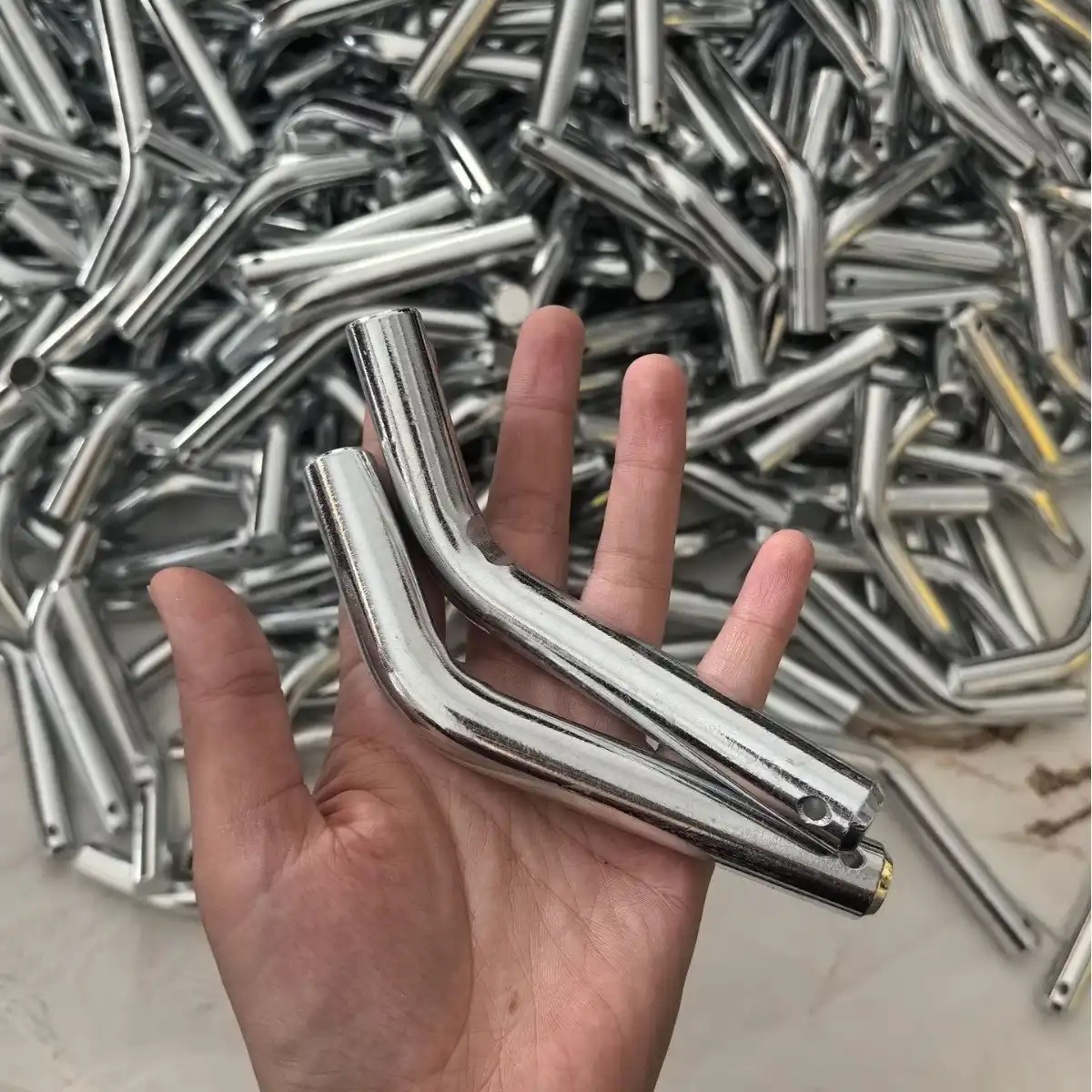
Maintenance and Safety Tips for Long-Lasting Coupler Locks
Regular preventative maintenance plans for coupler lock greatly increase the service life of locks and make sure they work reliably during demanding operating cycles. Setting up routine repair processes lowers the chance of unexpected breakdowns and keeps your warranty coverage for the whole security investment.
Routine Maintenance and Environmental Protection
Cleaning locks on a regular basis gets rid of the buildup of dirt and other harmful substances that can damage them over time. Once a week, you should check the state of the housing, the operation of the key cylinder, and the stability of the weather seal. For a monthly deep cleaning, available parts must be taken apart so that all contaminants can be removed and a protection lubricant can be applied.
Protecting the environment is especially important for things that are used in marine settings, with chemicals in factories, or where temperatures change a lot. Specialized oils made for certain weather conditions help keep things running smoothly and stop corrosion inside. When things are stored for a long time, protective covers keep fragile parts from being exposed to direct weather and dirt.
Troubleshooting Common Issues
When a lock jams, it's usually because of too much dirt or not enough grease affecting the internal parts. To start fixing, clean gently with allowed chemicals and then apply the right lubricant. Do not use too much force when operating the key, as this could damage internal parts or weaken security features.
If you lose a key or combination, you need to take action right away to keep things safe and keep operations running smoothly. Set up emergency plans that include ways to get to backup entry and ways to quickly repair equipment. Keep thorough records of key codes and combination settings in safe places that only authorized staff can get to in case of an emergency.
Employee Training and Site Security Protocols
Comprehensive training programs make sure that security rules are always followed and that users don't make mistakes that make defense less effective. Training should include the right way to put things, how to do regular upkeep, and what to do in an emergency. Regular refresher lessons help people stay skilled while presenting new methods or changes to tools.
Site security management includes more than just operating individual locks. It also includes bigger plans for keeping assets safe. Coordinate the deployment of coupler lock with lighting systems, exterior security, and monitoring to create multiple layers of defense against theft. Write down the steps you take for security and keep an audit trail that you can use to back up insurance claims and court processes if needed.
Conclusion
The right way to use a coupler lock ensures the safety of important trailer assets and helps businesses run more efficiently in a wide range of situations. Knowing how to put something, how to keep it in good shape, and how to choose the right one helps you make smart buying choices that balance how well it works for security with how much it costs. Systematic repair programs and regular training make sure that your equipment works well for long periods of time, protecting your investment while still letting you be flexible with your operations. Professional locking systems from well-known brands are durable and dependable, which is what B2B businesses need to protect all of their assets.
FAQ
How secure are coupler locks compared to other trailer security options?
Coupler locks provide superior security compared to standard hitch pin locks because they fully surround the coupling mechanism, making it difficult to free the trailer without taking off the lock. Unlike wheel locks, which can be broken by lifting the trailer, or chain locks, which can be cut, quality coupler locks require significant time and special tools to break. This makes them the best choice for protecting expensive equipment.
What should I do if my key breaks or I forget the combination?
Get in touch with the maker right away with your serial number and proof of purchase to get new keys or directions on how to change the combination. A lot of professional-grade locks come with master key services or change processes that can be done by a locksmith. Do not try to force the device; doing so could damage it permanently and void the guarantee.
Are coupler locks compatible with all trailer and hitch configurations?
A lot of modern coupler locks can fit standard ball sizes, like 1-7/8", 2", and 2-5/16". But some applications, like pintle hitches or European-style couplers, may need different lock designs. Before you buy, make sure the lock will fit your exact coupler model and work properly as a security measure.
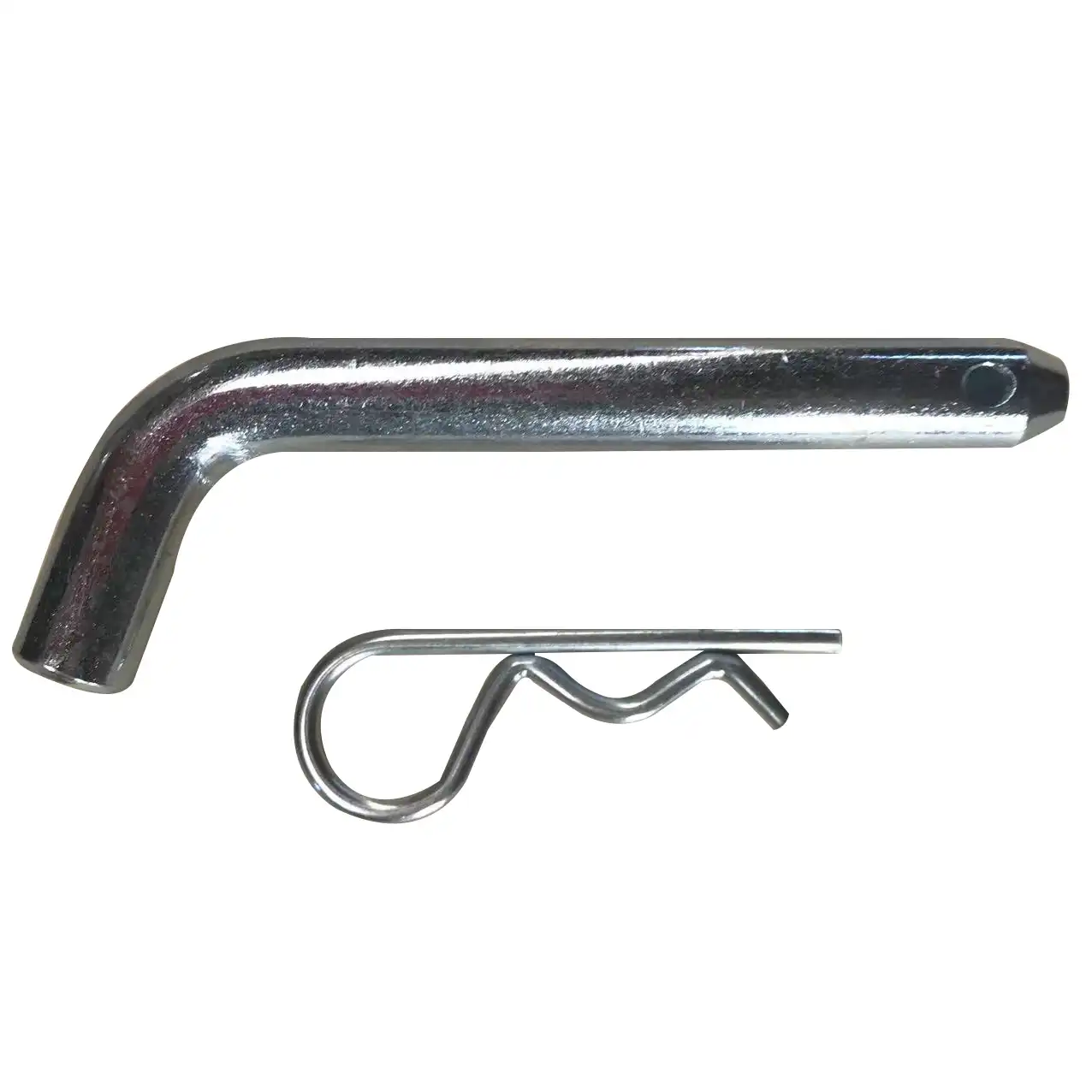
Partner with RUIRUI for Premium Coupler Lock Solutions
RUIRUI Machinery can help with your trailer security needs because we can make a lot of different things and have a lot of engineering knowledge. Our carefully made trailer ball couplers, which have ISO/TS16949 certification and can hold up to 60,000 pounds M.G.T.W., are the reliable base your security systems need. As an experienced coupler lock manufacturer, we know how important it is for parts to work together and last in tough industrial settings. Email our team at kshdhardware@qdkshd.com to talk about custom solutions, bulk pricing options, and technical support that will make your purchasing process easier while still providing the best security.
References
National Institute of Standards and Technology. "Physical Security Guidelines for Trailer and Equipment Protection Systems." NIST Special Publication 800-116, 2023.
Society of Automotive Engineers. "Recommended Practices for Trailer Coupling Security Mechanisms." SAE International Standard J684, 2024.
International Association of Chiefs of Police. "Commercial Vehicle and Equipment Theft Prevention Best Practices." IACP Training Manual, 2023.
American Trucking Associations. "Cargo Security and Theft Prevention Guidelines for Fleet Operations." ATA Safety Management Council, 2024.
Federal Motor Carrier Safety Administration. "Commercial Motor Vehicle Security Requirements and Implementation Standards." FMCSA Regulation 49 CFR 385, 2023.
Transportation Security Administration. "Ground Transportation Security Guidelines for Commercial Operations." TSA Technical Report TR-2024-001, 2024.

Send Inquiry

Related Industry Knowledge
- Stamped Stainless Steel Pan Heat Distribution Explained
- Trailer Hitch Pin Lock Corrosion Resistance: What to Look For
- How does the black Zinc Coating Benefit the Receiver Pin?
- What is the weight capacity of a 2-inch coupler repair kit?
- What is retractable bollards?
- How do retractable bollards work?
- What are lifting chain slings?
- Are metal dustbins environmentally friendly?
- How are iron casting spider wheels manufactured?
- What is the difference between link plates and other types of connectors?