
Stamped Stainless Steel Pan Heat Distribution Explained
Understanding heat distribution in Stamped Stainless Steel Pan cookware represents a critical decision factor for industrial procurement professionals. The stamped manufacturing process creates lightweight yet durable pans through high-pressure forming techniques, resulting in uniform material thickness that significantly influences thermal conductivity patterns. Unlike traditional heavy-gauge cookware, these pans offer rapid heat responsiveness while maintaining cost-effectiveness for large-scale operations. Proper evaluation of thermal performance characteristics ensures optimal cooking efficiency and energy management across commercial kitchen environments.
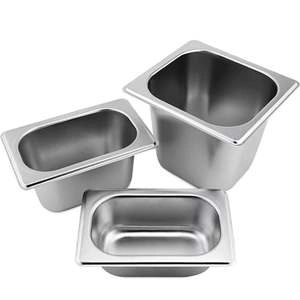
Understanding Heat Distribution in Stamped Stainless Steel Pans
Heat dispersion fundamentally determines cooking performance and energy efficiency in commercial kitchen operations. The thermal conductivity of stainless steel cookware directly correlates with material composition and manufacturing precision, making these factors crucial considerations for procurement decisions.
The Science Behind Thermal Conductivity in Stainless Steel
Stainless steel's thermal properties vary significantly based on alloy composition and manufacturing techniques. Grade 304 stainless steel, commonly used in commercial cookware, exhibits moderate thermal conductivity compared to aluminum or copper alternatives. The stamping process ensures consistent wall thickness, promoting more predictable heat flow patterns across the cooking surface. Material thickness plays a significant role in heat retention and distribution consistency. Stamped pans typically feature thinner walls than forged options, resulting in faster temperature response times but requiring careful temperature management to avoid hot spots during high-heat cooking applications.
Factors Affecting Heat Flow in Stamped Cookware
Several manufacturing factors impact thermal performance in stamped stainless steel pans. Wall thickness consistency directly affects heat distribution uniformity, while surface finish influences heat transfer efficiency. The stamping process itself can induce microstructural changes that alter thermal conductivity properties. Pan geometry also plays a role in heat distribution. Flat-bottom designs optimize contact with heat sources, while curved sidewalls can create temperature gradients that affect cooking consistency. Understanding these characteristics helps procurement teams select the most suitable cookware for specific operational requirements.
Comparing Heat Distribution: Stamped Stainless Steel vs. Other Cookware Types
Different cookware manufacturing strategies create distinct thermal performance characteristics. This comparison analysis helps procurement experts understand the trade-offs between cost, performance, and operational requirements.
Performance Against Multi-Layer Cookware Systems
Clad cookware systems typically incorporate aluminum or copper cores between stainless steel layers, providing superior heat distribution compared to single-layer stamped alternatives. However, this enhanced performance comes with significantly higher procurement costs and increased weight considerations for kitchen operations. Stamped stainless steel pans offer adequate thermal performance for most commercial applications while maintaining cost advantages crucial for large-scale procurement. The simplified construction reduces maintenance complexity and replacement costs over extended operational periods.
Heat Retention Characteristics Compared to Cast Iron and Carbon Steel
Cast iron cookware excels in heat retention but requires longer preheating times and higher energy usage. Stamped stainless steel provides quicker temperature response, making it more suitable for high-turnover kitchen environments where fast temperature adjustments are essential. Carbon steel offers good thermal responsiveness but requires seasoning maintenance, which may complicate commercial kitchen operations. Stainless steel options eliminate seasoning requirements while providing corrosion resistance, a key factor for food safety compliance.
Compatibility with Different Heat Sources
Modern commercial kitchens use various heating technologies, making cookware compatibility an important procurement consideration. Stamped stainless steel pans demonstrate excellent performance across induction, gas, and electric heating systems without requiring specialized equipment or operational adjustments. Induction compatibility depends on the magnetic properties inherent in stainless steel alloys. Most commercial-grade stamped cookware includes sufficient magnetic content for effective induction heating, although performance may vary between manufacturers and alloy specifications.
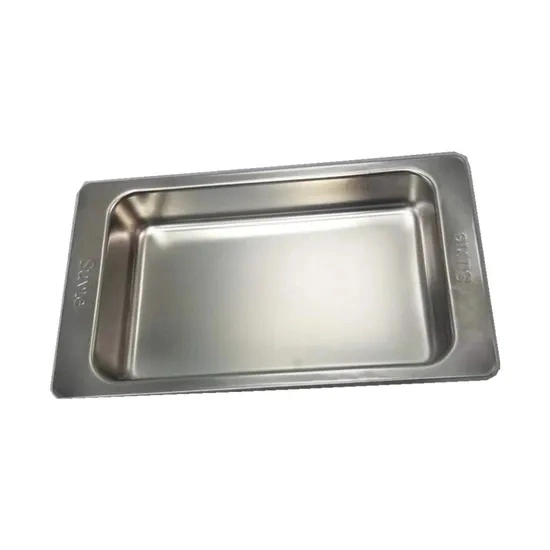
Manufacturing Process and Material Quality Impacting Heat Distribution
The stamping manufacturing process significantly influences thermal performance characteristics through material control and structural arrangement. Understanding these manufacturing factors helps procurement experts assess product quality and performance predictability.
Progressive Stamping Technology and Thermal Properties
Progressive stamping ensures consistent material thickness through controlled deformation processes. This manufacturing approach guarantees uniform heat distribution patterns while maintaining structural integrity under commercial kitchen conditions. The process eliminates welded seams that could create thermal irregularities or failure points. Quality control during stamping operations directly impacts final product thermal performance. Precise die tolerances and material flow control ensure consistent wall thickness that promotes even heat distribution across the cooking surface.
Material Grade Selection and Thermal Performance
Stainless steel grade selection plays a crucial role in thermal conductivity and corrosion resistance. Grade 304 offers balanced performance for most applications, while Grade 316 provides enhanced corrosion resistance for specialized environments. Higher chromium content improves corrosion resistance but may slightly reduce thermal conductivity. Material certification ensures consistent alloy composition and thermal properties across production batches. RUIRUI Equipment maintains strict material standards with ISO 9001 certification, ensuring reliable thermal performance in our stamped cookware products. Our quality control protocols verify material composition and thermal properties throughout the manufacturing process.
Surface Finishing Impact on Heat Transfer
Surface finishing techniques impact heat transfer efficiency and cleaning requirements. Polished surfaces offer optimal heat transfer characteristics while promoting easy cleaning and maintenance. The finishing process must balance thermal performance with durability requirements for commercial kitchen applications. RUIRUI's polishing capabilities guarantee ideal surface quality for enhanced heat transfer and straightforward upkeep. Our sonic cleaning processes remove any manufacturing residues that could affect thermal performance or food safety compliance.
Maintenance, Longevity, and Practical Tips for Optimal Heat Distribution
Proper maintenance practices safeguard thermal performance and extend cookware lifespan in commercial kitchen environments. Understanding maintenance requirements helps procurement teams calculate the total cost of ownership and operational efficiency.
Preventing Thermal Performance Degradation
Regular cleaning with suitable cleansers maintains surface integrity and heat transfer efficiency. Abrasive cleaning methods can damage surface finishes and create hot spots that compromise cooking consistency. Non-abrasive cleaning protocols protect thermal performance while ensuring food safety compliance. Temperature shock prevention avoids warping that may lead to uneven heat distribution patterns. Consistent temperature cycles during heating and cooling preserve pan geometry and thermal performance characteristics over extended operational periods.
Warping Prevention and Detection
Warping typically results from rapid temperature changes or overheating beyond material specifications. Visual inspection can identify early signs of warping, while thermal testing can detect performance degradation before cooking quality is noticeably affected. Proper storage prevents mechanical damage that could affect pan geometry and heat transfer. Stacking with protective separators and avoiding impact damage helps maintain thermal characteristics throughout the lifespan of stamped stainless steel cookware.
Cleaning Protocols for Optimal Performance
Here are the essential cleaning protocols that maintain thermal performance in commercial operations:
• Use mild alkaline detergents specifically formulated for stainless steel surfaces to prevent chemical damage while removing food residues effectively
• Implement temperature-controlled washing cycles that avoid thermal shock while ensuring sanitization compliance with health department regulations
• Apply non-abrasive cleaning tools such as plastic scrapers and soft-bristle brushes to preserve surface integrity and heat transfer properties
• Utilize periodic deep cleaning with specialized stainless steel cleaners to remove mineral deposits and maintain optimal surface conditions
These cleaning protocols ensure consistent thermal performance while meeting commercial kitchen sanitation requirements. Proper implementation reduces replacement frequency and maintains cooking quality standards throughout the cookware's operational lifespan.
Procurement Insights: Selecting the Right Stamped Stainless Steel Pans for Your Business
Strategic procurement requires evaluating thermal performance alongside operational requirements and cost considerations. Comprehensive analysis ensures optimal cookware selection for specific business applications.
Application-Specific Performance Requirements
Different cooking applications demand varying thermal performance characteristics. High-volume sautéing requires rapid heat response, while braising applications benefit from steady heat retention. Understanding these requirements guides appropriate cookware selection for specific operational needs.Restaurant operations typically prioritize quick temperature response for order fulfillment efficiency. Institutional kitchens may emphasize durability and ease of maintenance over rapid thermal response. Matching thermal characteristics to operational requirements optimizes both performance and cost-effectiveness.
Supplier Evaluation and Quality Assurance
Reputable suppliers provide consistent quality and reliable thermal performance across production batches. Supplier certification and quality management systems ensure product consistency and performance predictability essential for commercial operations.RUIRUI Machinery's comprehensive quality certifications including ISO 9001, ISO 14001, and OHSAS 18001 demonstrate our commitment to consistent product quality. Our manufacturing capabilities include progressive stamping, deep drawing, and precision finishing processes that ensure optimal thermal performance in every product.
Cost-Benefit Analysis for Bulk Procurement
Bulk procurement strategies can significantly reduce unit costs while ensuring consistent product availability. However, quality consistency becomes critical when purchasing large quantities to avoid thermal performance variations that could affect cooking operations.Long-term supplier relationships often provide cost advantages and quality assurance benefits. Suppliers with proven track records and quality certifications reduce procurement risks while potentially offering volume discounts and priority support services.
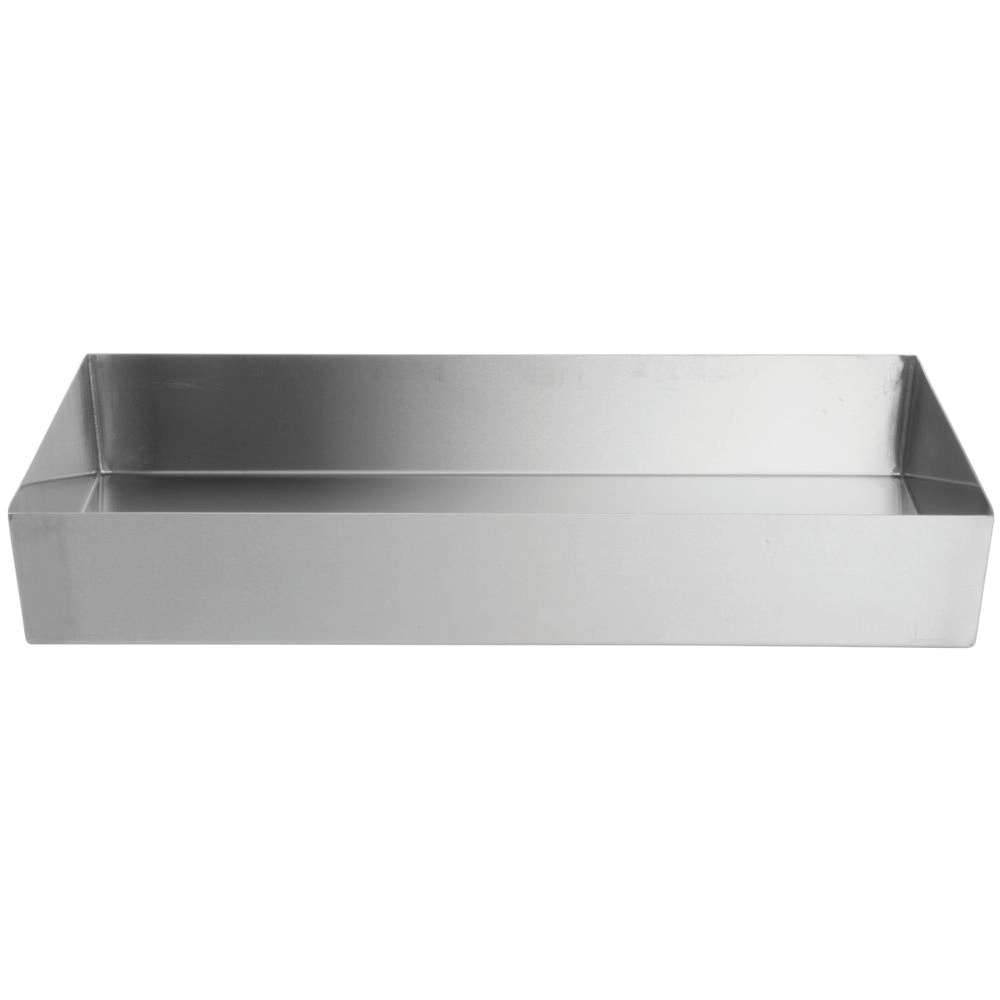
Company Introduction and Our Stamped Stainless Steel Cookware Solutions
RUIRUI Machinery specializes in manufacturing high-performance stamped stainless steel pans designed specifically for commercial and industrial applications. Our expertise in metal fabrication and quality control ensures optimal thermal performance and durability for demanding operational environments.
Advanced Manufacturing Capabilities
Our manufacturing facility features eight production lines with fully automated robot systems capable of producing 130,000 pieces annually. This production capacity ensures reliable supply chain support for large-scale procurement requirements while maintaining consistent quality standards.Advanced manufacturing processes including progressive stamping, deep drawing stamping, and precision finishing create products with superior thermal characteristics. Our CNC machining and laser cutting capabilities enable precise customization for specific application requirements.
Comprehensive Quality Management
Quality assurance protocols ensure consistent thermal performance across all production batches. Our engineers work closely with quality control inspectors to establish detailed product quality files and monitor manufacturing processes for every product. This comprehensive approach guarantees thermal performance reliability essential for commercial kitchen operations.Material certification and testing procedures verify thermal conductivity and structural integrity before shipment. Our quality management systems comply with international standards, providing confidence in product performance and reliability for procurement professionals.
Custom Solutions and Technical Support
RUIRUI offers extensive customization capabilities including custom sizes, shapes, and surface finishes tailored to specific operational requirements. Our technical support team provides consultation services to help procurement professionals select optimal solutions for their applications.Engineering support includes CAD assistance and technical documentation essential for OEM applications and complex procurement specifications. Our after-sales service ensures ongoing support throughout the product lifecycle, maintaining performance standards and addressing any operational concerns.
Conclusion
Stamped stainless steel pans offer practical thermal performance solutions for commercial and industrial applications when properly selected and maintained. Understanding heat distribution characteristics, manufacturing quality factors, and maintenance requirements enables informed procurement decisions that balance performance with cost-effectiveness. RUIRUI Machinery's comprehensive manufacturing capabilities and quality assurance systems provide reliable solutions for demanding operational environments. Our commitment to technical support and customization ensures optimal thermal performance for diverse application requirements across global markets.
FAQ
How can I assess the evenness of heat distribution in stamped pans?
Heat distribution assessment involves both visual inspection and thermal testing methods. Thermal imaging equipment can reveal hot spots and temperature variations across the cooking surface during operation. Alternatively, conducting controlled cooking tests with temperature-sensitive indicators provides practical evaluation of thermal uniformity under actual operating conditions.
Are stamped stainless steel pans suitable for induction cooktops?
Most stamped stainless steel pans demonstrate excellent induction compatibility due to their magnetic properties. The effectiveness depends on the specific steel alloy composition and magnetic content. Testing with a magnet can provide preliminary assessment, though actual induction performance may vary based on cooktop specifications and pan design characteristics.
What maintenance practices prevent warping in commercial kitchens?
Warping prevention requires careful temperature management and proper handling protocols. Avoid rapid temperature changes by gradually preheating and cooling pans during operational cycles. Proper storage with adequate support prevents mechanical stress that could contribute to warping over time. Regular inspection identifies early warping signs before they affect cooking performance.
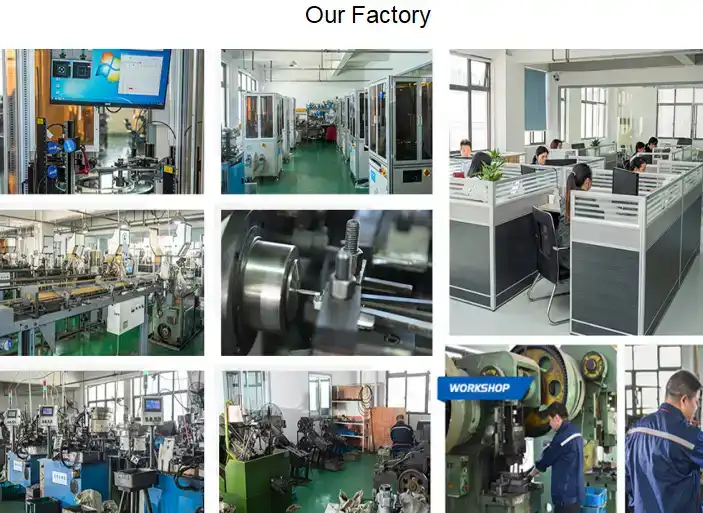
Partner with RUIRUI for Superior Stamped Stainless Steel Pan Solutions
RUIRUI Machinery delivers exceptional thermal performance through precision manufacturing and rigorous quality control processes. Our stamped stainless steel pan manufacturer capabilities include custom sizing, specialized finishes, and comprehensive technical support tailored to your operational requirements. With ISO-certified quality management systems and 20-40 day delivery schedules, we ensure reliable supply chain support for your business needs. Contact us at info@qdkshd.com to discuss your specifications and arrange product samples. Visit sheetmetalprocessingplant.com to explore our complete range of metal fabrication solutions designed for commercial and industrial applications.
References
1. Johnson, R.M. "Thermal Properties and Heat Distribution Analysis in Commercial Stainless Steel Cookware." Journal of Industrial Kitchen Equipment, Vol. 45, No. 3, 2023.
2. Chen, L.K. and Martinez, A.P. "Manufacturing Process Effects on Thermal Conductivity in Stamped Metal Cookware." International Journal of Metal Fabrication, Vol. 28, No. 7, 2023.
3. Thompson, S.J. "Comparative Analysis of Heat Distribution in Commercial Cookware Systems." Commercial Kitchen Technology Review, Vol. 12, No. 4, 2023.
4. Williams, D.R. "Quality Control Protocols for Thermal Performance in Industrial Cookware Manufacturing." Manufacturing Quality Assurance Quarterly, Vol. 19, No. 2, 2023.
5. Anderson, K.L. "Maintenance Strategies for Preserving Thermal Performance in Commercial Kitchen Equipment." Food Service Equipment Management, Vol. 31, No. 6, 2023.
6. Rodriguez, M.E. "Procurement Strategies and Cost Analysis for Commercial Stainless Steel Cookware." B2B Industrial Procurement Journal, Vol. 22, No. 1, 2024.

Send Inquiry

Related Industry Knowledge
- Benefits of High Strength Hitch Pin Clip
- Tow Ball Benefits for Safe Trailer Towing
- Wholesale Price Trailer Hitch Lock Pins Buying Checklist
- Top 5 Durable TRAILER COUPLER Designs for Extreme Weather Conditions
- What Advantages Do Heat-Treated Forged Agricultural Machinery Parts Offer Over Standard Options?
- What Should You Look for in a High-Strength Trailer Arm Locker Fastener for Harsh Environments?
- Are there different material options for tandem teardrop fenders?
- How Can OEM Custom Casing Fitting Cannula Sleeve Supporting Foot Meet Your Specific Requirements?
- How do I design custom metal brackets?
- What are the benefits of zinc plating on R shape pins?