
Benefits of High Strength Hitch Pin Clip
When it comes to heavy-duty connections, especially in towing and industrial applications, the benefits of high-strength hitch pin clip systems are obvious. The strength, safety, and durability of these fastening systems are far beyond what standard pins can offer. A high-quality hitch pin clip system provides peace of mind, knowing that it is engineered for strength, safety, and durability, with a locking system that will not disengage under any circumstances, even in extreme conditions.
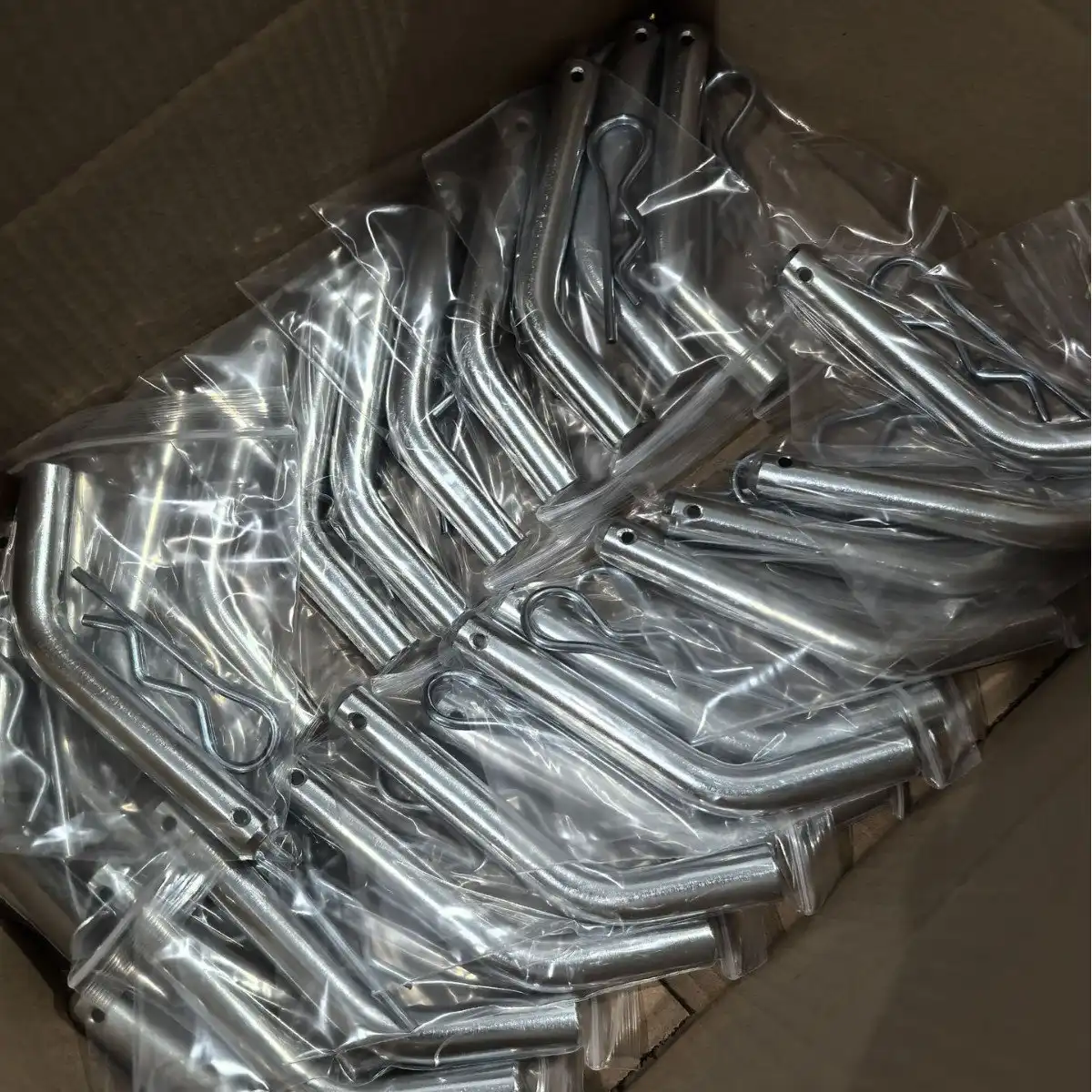
What Makes High-Strength Hitch Pin Clips Essential for Heavy-Duty Applications
High-Strength Materials and Precision Manufacturing
In towing and heavy machinery, standard fastening pins are not able to meet safety and durability demands, especially in commercial towing operations. High-strength hitch pin clip systems are a major breakthrough in fastening technology, designed for heavy-duty towing and equipment applications where safety, strength, and reliability are a must. The main difference between these fastening pins and standard ones lies in their materials and manufacturing precision. High-quality hitch pin clip systems are made from 304 stainless steel or 4.8-grade carbon steel, both of which are chosen for their high tensile strength properties. This manufacturing process ensures that each part of the fastening system is able to withstand stress cycles without compromising its structure, especially in equipment that must operate daily under different loads.
Load Capacity and Secure Retention Performance
Well-designed hitch pin clips are capable of carrying loads of up to 10,000 pounds, depending on their diameter and specific requirements of application. The ability of hitch pin clips to carry this kind of load makes them an essential component in various industries that involve construction, agriculture, and other applications that involve substantial equipment loads. The hairpin clip is designed with a spring tension mechanism that ensures that the clip retains its holding force even when exposed to vibrations and temperature changes. Unlike other fasteners that are likely to fail due to vibrations, the hairpin clip ensures that its elasticity constantly exerts pressure on the retaining pin, thus preventing movement that could cause failure.
Key Performance Parameters That Define Superior Quality
Technical Specifications and Material Selection
In evaluating fastening solutions for critical applications, the technical specification helps the procurement managers make a better decision. The size range for the hitch pin clips usually starts from 1/4 inches up to 1 inch in diameter. This helps in compatibility with different equipment requirements. In addition, the clips can be customized for different requirements. The material used for the fastening solutions has a direct impact on the durability and performance of the product. For the fastening solutions, the carbon steel fasteners provide a high strength-to-weight ratio. This material is cost-effective for general industrial requirements. On the other hand, the stainless steel fasteners provide high resistance against corrosion. This type of fastener is suitable for marine operations and chemical plants. For the carbon steel fasteners, zinc plating provides a protective coating that helps prevent environmental damage.
Load Capacity and Environmental Performance
Shear strength is an important technical specification that measures the ability of the fastening assembly to resist a certain amount of sideways force before failing. Good manufacturers also provide load charts that illustrate the maximum load that can be applied to the clip for a specific operating angle. This way, the correct product is used for a specific operating condition. The performance of the equipment at different temperatures is also an important consideration for equipment operating in harsh environments. High-quality materials are capable of operating within a wide range of temperatures, typically between -40°F to 200°F. This prevents brittleness at extremely cold temperatures while allowing for strength at extremely high temperatures.
Core Benefits That Drive Operational Excellence
Dual Safety Design and Installation Efficiency
The main characteristic that differentiates high-quality hitch pin clips from other fasteners is the dual safety design. The dual safety design refers to a fastener that has a two-part design. The design ensures that there are several safety measures in place. As a result, several failures have to happen at the same time before the fastener fails. The design greatly reduces the chances of an accident occurring in a situation where safety is paramount. In large-scale industries, for instance, an efficient installation process can greatly contribute to the reduction of labor costs. The tool-free installation process can greatly contribute to the reduction of costs in the process. The process is efficient in that workers can easily make the installations. The process can be very useful in a situation where time and equipment are limited.
Reduced Maintenance and Application Versatility
The second advantage that the hitch pin clips have over other fasteners is that they require less maintenance compared to bolts. Bolt fasteners usually need periodic torque tests to confirm that they are still firmly attached. On the other hand, the clip fasteners utilize a spring retention device that always provides the optimal attachment force. This minimizes the likelihood of disengagement during usage. In addition, the hitch pin clips' design enables them to be used for a broad range of applications. This standardized design effectively connects trailers, agricultural equipment, and industrial equipment. This minimizes the number of spare parts that organizations must stock since the clip fasteners are used for different equipment.
RUIRUI's Advanced Manufacturing Advantage Over Standard Alternatives
Precision Engineering and Material Enhancement
At RUIRUI, our manufacturing process involves precision engineering that exceeds normal industry standards in terms of material composition and accuracy of dimensions. The automated manufacturing process ensures that every product is of uniform composition, unlike in manual manufacturing processes where this is not possible. The heat treatment process also improves the properties of the raw material composition of our spring clips, where specific heating and cooling cycles are used to refine the grain structure of the material composition. This process ensures that our spring clips are strong but also flexible enough for proper functionality.
Quality Control and Surface Protection
Stringent quality control tests are carried out on each lot of production to ensure that the rating is met, with components being tested destructively in some cases. This ensures full traceability for compliance purposes and guarantees that the finished product performs as expected in actual working conditions. Surface finish treatments, such as zinc coating, are applied to ensure that components are not subjected to corroding influences, yet still operate smoothly. When applied in accordance with industry recommendations for coating thickness and adhesion, these coatings ensure a vastly extended life for RUIRUI components, far beyond those of uncoated or lightly coated components.
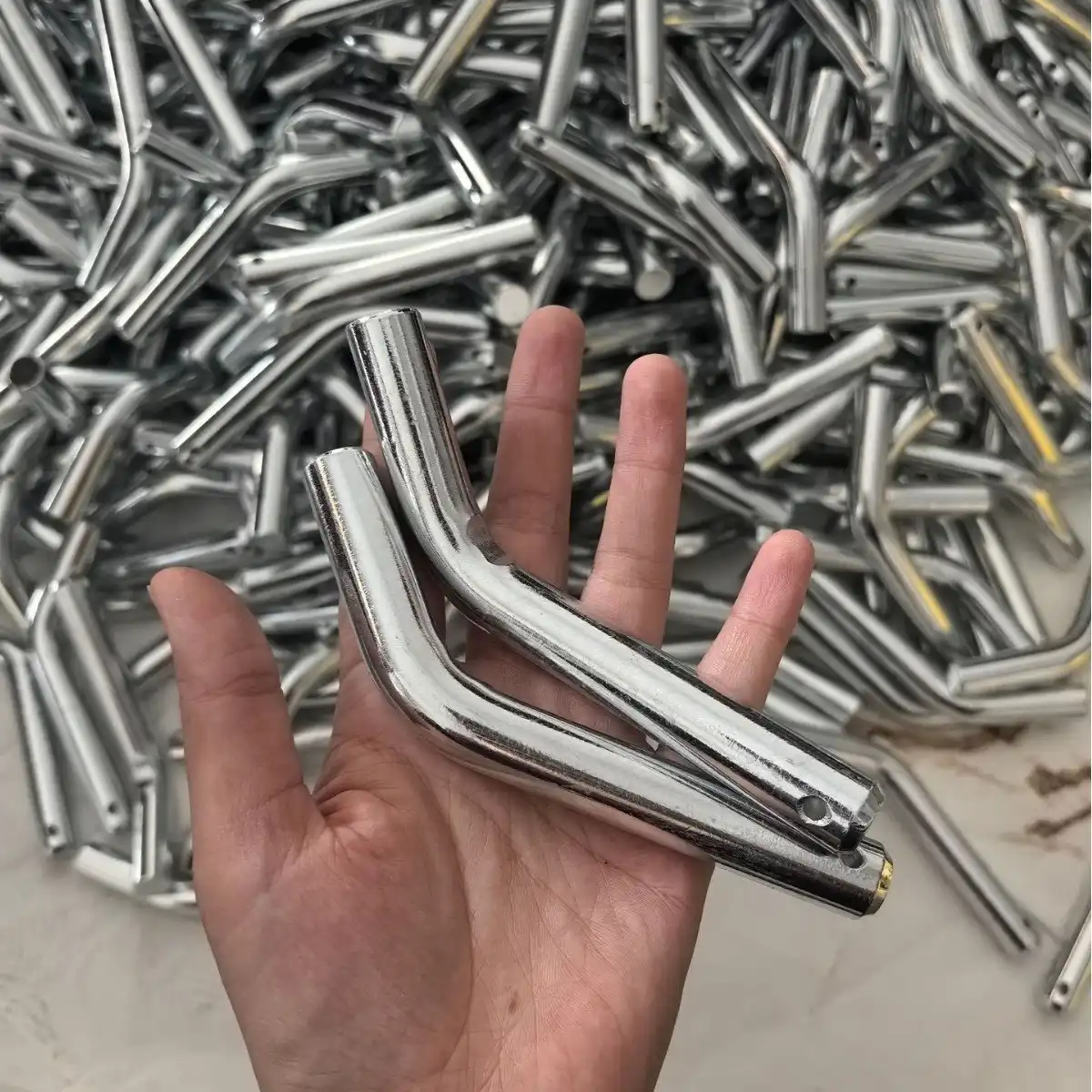
Optimal Usage Guidelines for Maximum Performance Benefits
Installation Practices and Load Management
Proper installation techniques are essential to maximize the performance of high-strength fastening systems. Maintaining correct clearances in receiving holes prevents binding while ensuring sufficient material thickness to distribute loads effectively across the connection points. Load distribution considerations, such as those involving hitch pin clips, are especially important when connecting components made from different materials. Using backing plates or reinforcement washers helps spread concentrated forces over larger surface areas, reducing localized stress concentrations that could lead to premature failure and ensuring the assembly performs reliably under repeated loads.
Inspection and Environmental Protection
Regular inspection schedules are critical for maintaining fastening system integrity. Focus should be placed on wear patterns at contact points and verifying the retention force of spring clips. Visual inspections allow potential issues to be identified early, enabling proactive replacement during scheduled maintenance rather than emergency repairs. Environmental protection measures also play a key role in extending service life under harsh operating conditions. Applying suitable lubricants to moving surfaces prevents corrosion buildup while maintaining smooth operation throughout the service interval, ensuring consistent reliability in both industrial and field applications.
Critical Application Considerations and Safety Guidelines
Load calculations must account for dynamicfactors beyond static weight ratings. Impact loads from sudden stops, acceleration forces, and vibrational stresses can multiply effective loads significantly above static values, requiring appropriate safety margins in component selection. Environmental compatibility affects material selection decisions. Marine applications require stainless steel construction to resist salt corrosion, while chemical processing environments may need specialized coatings or alternative materials to prevent degradation from specific compounds. Connection geometry influences stress distribution patterns within the fastener assembly. Ensuring proper alignment between connected components prevents side loading that can reduce effective strength ratings and accelerate wear patterns. Replacement intervals should be established based on operating conditions and load history. High-cycle applications may require more frequent replacement despite apparent good condition, as fatigue damage accumulates internally before visible signs appear.
Conclusion
High-strength hitch pin clips provide essential hitch pin clip safety and performance advantages for heavy-duty applications across construction, agriculture, and industrial sectors. The combination of superior materials, precision manufacturing, and proven design creates fastening solutions that deliver reliable performance under demanding conditions. RUIRUI's commitment to quality engineering and customer support ensures that your critical connections maintain integrity throughout their service life, protecting both equipment and personnel while maximizing operational efficiency.
FAQ
Q1: What load capacity should I specify for my application?
A: Load capacity selection requires calculating the maximum expected force, including dynamic factors. We recommend using 4:1 safety factors for critical applications, meaning a 2,000-pound working load requires an 8,000-pound rated fastener. Our engineering team can assist with load calculations based on your specific application requirements.
Q2: How do I determine the correct diameter for my equipment?
A: Diameter selection depends on the receiving hole size in your equipment and the required load capacity. Standard sizes from 1/4" to 1" cover most applications, but we manufacture custom diameters for specialized requirements. The hole should provide 0.003" to 0.005" clearance for proper fit without excessive play.
Q3: Can these fasteners be reused after removal?
A: High-quality hitch pin clips are designed for repeated use cycles. The spring steel construction in the hairpin clip maintains retention force through multiple installations when handled properly. However, we recommend inspection for deformation or wear before reuse, particularly in high-load applications.
Partner with RUIRUI for Premium Hitch Pin Clip Solutions
RUIRUI stands ready to support your procurement needs with engineered fastening solutions, such as hitch pin clips, that exceed standard industry specifications. As a leading hitch pin clip manufacturer, we combine advanced metallurgy with precision manufacturing to deliver components that ensure operational safety and reliability. Our technical support team works directly with procurement managers to specify optimal configurations for specific applications while providing competitive factory-direct pricing. Contact us at kshdhardware@qdkshd.com to discuss your fastener requirements and experience the RUIRUI difference in quality and service.
References
1. American Society of Mechanical Engineers. "Fastener Design Standards for Heavy Equipment Applications." ASME B18.8.2-2020 Standard Specification.
2. Thompson, Robert K. "Materials Engineering for Agricultural Equipment Fasteners." Journal of Agricultural Engineering Research, Vol. 45, 2023.
3. Industrial Fastener Institute. "Load Testing Protocols for Removable Pin Fasteners in Construction Equipment." Technical Bulletin IF-2024-07.
4. Martinez, Sarah L. "Corrosion Resistance in Marine Hardware Applications: A Comparative Study." Marine Engineering Quarterly, Issue 3, 2023.
5. National Institute of Standards and Technology. "Metallurgical Properties of High-Strength Steel Fasteners." NIST Special Publication 1800-23.
6. Peterson, James M. "Safety Factors in Heavy Equipment Connection Design." Construction Equipment Safety Review, Vol. 18, No. 2, 2024.

Send Inquiry
You may like
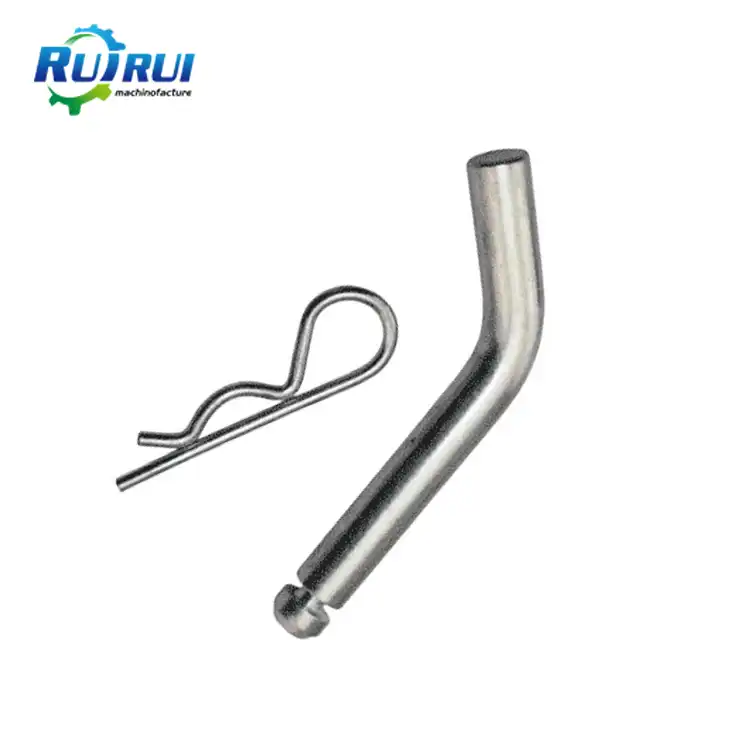
Related Industry Knowledge
- Wholesale Heavy Duty Trailer Parts: Save on Bulk Orders
- How a Weather-Resistant Lockable Hitch Pin Extends Equipment Life?
- How can advanced thermoplastic coating on an Automobile metal square interface trailer arm enhance its longevity and performance?
- What are the benefits of using small sheet metal boxes?
- What Surface Finishes are Available for Brass Aluminum CNC Milling Parts?
- How do I install a 2-inch coupler repair kit?
- Removable Bollards: A Versatile Solution for Public Spaces and Private Properties
- Choosing the Right Removable Bollard: A Comprehensive Buying Guide
- How to properly design sheet metal parts?
- What are the different types of link plates?