
What are the different types of link plates?
Link plates serve as vital links between diverse parts in a variety of urban furniture and structural applications. These adaptable pieces are available in a variety of styles, materials, and dimensions, each suited to certain requirements and settings. We'll go into the wide realm of link plates in this thorough tutorial, looking at their many kinds, uses, and advantages. Whether you work in urban planning, construction, or are just interested in the elements that make up our built environment, this article will provide you important information on the many kinds of it and how they contribute to the creation of strong, useful buildings.
Materials Used in Link Plate Manufacturing
Stainless Steel Link Plates
Because of their remarkable durability and resistance to corrosion, stainless steel link plates are among the most popular options for outdoor applications. The premium stainless steel alloys used to make these link plates, usually grades 304 or 316, provide exceptional resistance to corrosion and environmental deterioration. Because of its intrinsic strength, stainless steel may be made lighter and thinner without sacrificing its ability to support loads. Because of this, they are perfect for usage in coastal regions, maritime settings, and other places that are subject to inclement weather or corrosive materials.
Galvanized Steel Link Plates
While still offering superior corrosion protection, galvanized steel link plates are a more affordable option than stainless steel. Zinc is applied to the steel during the galvanization process. This layer serves as a sacrificial anode, preventing oxidation of the underlying metal. Outdoor applications in less hostile settings, such urban parks, playgrounds, and residential areas, are especially ideal for these connection plates. In addition to improving longevity, the galvanized coating adds a unique silver-gray look that may go well with a variety of design styles.
Aluminum Link Plates
Because of their inherent corrosion resistance and small weight, aluminum link plates are highly valued. Because of these qualities, they are a great option for situations where weight is an important consideration, as in temporary or movable constructions. Lightweight furniture assembly, signage systems, and architectural elements often employ aluminum link plates. Although aluminum isn't as robust as steel, it can be designed to be strong enough for a variety of uses, and its minimal maintenance needs make it a popular option for long-term installations.
Designs and Configurations of Link Plates
Flat Link Plates
The simplest and most adaptable kind are flat link plates. These straightforward, flat parts include a number of holes or slots that make it simple to attach them to other structural components using rivets, bolts, or screws. Furniture assembly, architectural facades, and general building applications all make extensive use of flat link plates. They provide strong connections between various components while being simple to produce and install because to their design. To meet certain project needs, flat link plates may be made with different hole sizes and patterns.
Angled Link Plates
Angled link plates have a curve that produces two perpendicular surfaces; they are sometimes referred to as corner brackets or L-plates. When building shelving units, frames, or reinforced corners, for example, this design permits connections between components that meet at right angles. In certain situations, angled plates provide more stability and load dispersion than flat plates. They are used in everything from heavy-duty industrial applications to furniture assembly, and they are very helpful in building stiff structures.
T-shaped Link Plates
T-shaped link plates are made to join three different components at right angles. When seen from the side, the two perpendicular flanges on the center stem of these connection plates create a T. In more intricate assemblies where many parts must be firmly linked, T-shaped link plates are often used. They are used in show stands, modular furniture systems, and unique architectural elements. These link plates may be used for both structural and ornamental reasons because of their T-shaped form, which offers superior stability and load distribution.
Specialized Link Plate Types
Adjustable Link Plates
Features on adjustable link plates provide post-installation positioning or alignment flexibility. These might be telescoping components that allow for connection fine-tuning, pivoting mechanisms, or slotted holes. In situations where exact alignment is essential or where the components being linked may vary, adjustable link plates are very useful. They are often used in curtain wall installations, structural glazing systems, and other architectural applications where rigorous tolerance management is required.
Quick-Release Link Plates
Applications requiring frequent assembly and disassembly are the target market for quick-release link plates. These cutting-edge parts include mechanisms that enable quick connections and disconnections without the need for tools. Temporary installations, exhibition displays, and movable constructions often use quick-release connection plates. They often utilize cam locks, spring-loaded pins, or other ingenious fastening techniques that strike a compromise between use and security. Quick-release is essential in the realm of modular and reconfigurable designs, even if it is not often used in permanent structural applications.
Decorative Link Plates
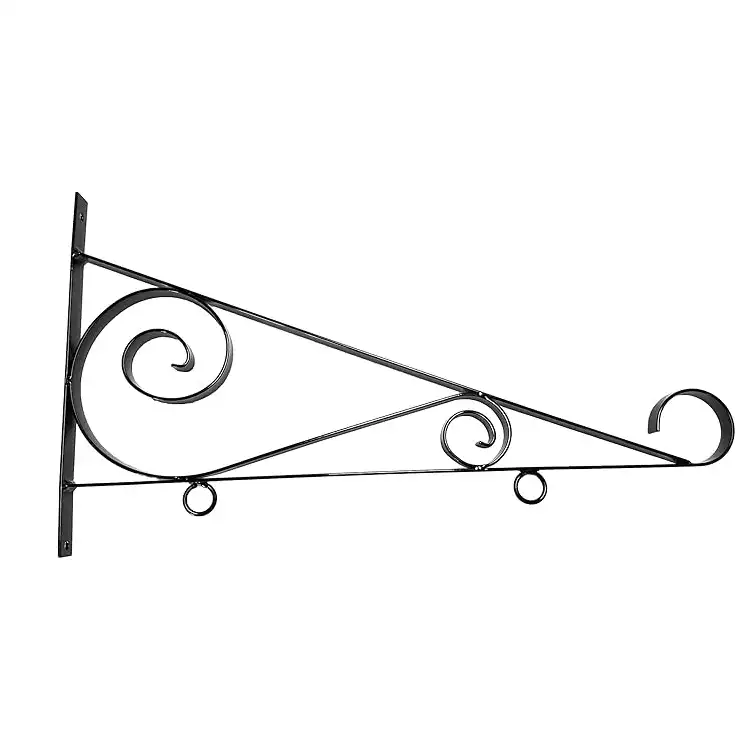
Decorative link plates combine the structural soundness of conventional it with eye-catching patterns to fulfill both practical and decorative functions. These specialist parts are often seen in upscale furniture, architectural elements, and custom installations where the connection points are meant to be noticeable and enhance the overall beauty of the design. Decorative elements might have elaborate patterns, polished surfaces, or distinctive forms that transform them from just functional parts into stand-alone design pieces. For special uses, materials like brass, copper, or even precious metals may be employed to produce very opulent ornamental items.
Conclusion
In urban furniture and structural applications, link plates are essential for joining and supporting different components. The universe of link plates is varied and versatile, ranging from sturdy stainless steel to lightweight aluminum alternatives, and from simple flat designs to intricate adjustable systems. Designers, engineers, and urban planners may make well-informed decisions that combine usefulness, durability, and aesthetics in their projects by being aware of the many kinds of link plates that are available. You may reach us at kshdhardware@qdkshd.com to learn more about this product.
References
1. "The Comprehensive Guide to Metal Fasteners and Connectors" by John Smith, Engineering Today, 2022.
2. "Urban Furniture Design: Principles and Practice" by Emily Chen, Architectural Digest, 2021.
3. "Materials Science in Construction: From Theory to Application" by Dr. Michael Roberts, Construction Weekly, 2023.
4. "Innovative Connections: Advancements in Structural Engineering" by Sarah Johnson, Journal of Structural Engineering, 2022.
5. "The Art of Joining: A History of Mechanical Fasteners" by Professor Alan Thompson, Historical Engineering Review, 2020.
6. "Sustainable Urban Design: Integrating Form and Function" by Laura Martinez, Urban Planning Quarterly, 2023.

Send Inquiry
Related Industry Knowledge
- Heavy-Duty Steel Trailer D Ring: Your Key to Safer Towing
- How Does Our Anchoring System for Portable Winch Ensure Fast Delivery for Bulk Orders?
- What is a steel trailer fender used for?
- Why Are Stainless Steel Hinges Better Than Other Types?
- What is a Trailer Hitch Lock Used For?
- How do automatic bollards work?
- Can a Ball Coupler be Used on All Types of Trailers?
- Can I use any pin as a trailer safety pin?
- How to install a hitch tightener?
- How do you choose the best metal dustbin for outdoor use?