
How to properly design sheet metal parts?
Designing sheet metal parts is a critical process in manufacturing that requires precision, creativity, and technical expertise. While exploring the complexities of sheet metal design, this exhaustive guide provides engineers, designers, and manufacturers with valuable information. In order to guarantee that your products are not only practicable but also reasonably priced and readily manufactured, we will address critical components, industry best practices, and innovative methodologies. In order to assist you in the optimization of your projects and the development of exceptional urban furniture or other metal-based products, this article discusses every aspect of sheet metal design, including the selection of materials and the process of manufacturing.
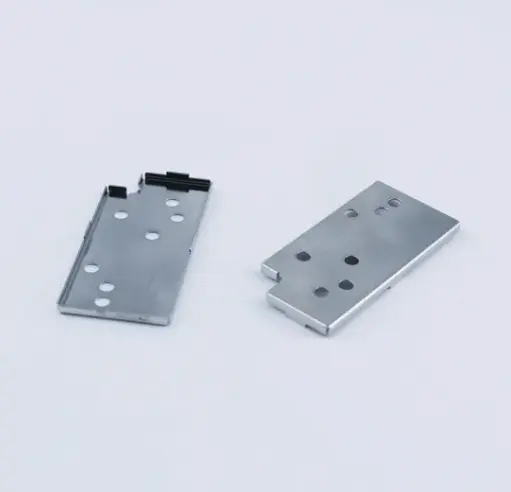
Understanding Sheet Metal Design Fundamentals
Material Selection and Properties
Picking the right metal is very important for sheet metal designs because each has its own properties that affect how the finished product looks, how long it lasts, and how much it costs. Most of the time, they are made of metal, steel, aluminum, or copper. Each of these materials has its own pros and cons. For example, steel is good for uses that need strong support because it has a high amount of strength to weight. Interestingly, aluminum is popular because it doesn't rust and is very light, which makes it perfect for situations where weight reduction is important. Copper is often used for electrical parts because it conducts electricity very well. Metal, on the other hand, is more resistant to erosion and looks better. When architects choose materials, they should carefully think about things like stiffness, pliability, warm conductivity, and the needs of the product to make sure the best performance and longevity. This smart way of choosing materials is very important for the success of the plan.
Thickness Considerations
The thickness of sheet metal parts plays a crucial role in their structural integrity and manufacturability. Although thicker materials are stronger, they may be more difficult to produce and weigh more overall. Thinner sheets, on the other hand, may be less durable but are lighter and more flexible. In order to maximize performance and save material costs, designers often use several thicknesses inside a single item in order to balance strength needs with production restrictions.
Design for Manufacturing (DFM) Principles
Design for Manufacturing guidelines must be followed in order to produce goods that are both practical and profitable. DFM takes into account every step of the manufacturing process, from the first design to the last assembly. Reducing the amount of components, standardizing features, and providing for simple assembly are important factors. Engineers may save production costs, enhance quality, and expedite product manufacture by using DFM concepts early in the design phase.
Advanced Techniques in Sheet Metal Part Design
3D Modeling and Simulation
The design of sheet metal has changed a lot since 3D modeling technologies came out. Before making a real prototype, these powerful tools let designers make correct, detailed models of parts. Advanced modeling tools let you find the best shape for a part, analyze stress, and guess how it will shift. Designers may not need as many expensive samples, can make sheet metal parts faster, and can find problems earlier if they use 3D models and simulation.
Innovative Forming Techniques
New shaping methods allow for the production of more things in the sheet metal business, which is always growing. It is possible to work with tighter limits and more complicated forms thanks to new techniques like progressive sheet forming and hydroforming. With these new technologies, it may now be possible to make parts with complicated forms that were either too hard or too expensive to make the old way. Designers need to learn about these new techniques so they can use them to make unique items.
Sustainable Design Practices
Sustainability is becoming more and more important in sheet metal design. In other words, makers are making things that are useful and good for the earth. Recycling is very important because it keeps natural resources from running out and makes things with less energy. Making it easy to break things down and recover them at the end of their useful life cuts down on waste even more. Making the most of the resources used in the producing process is another important step. This will cut down on waste and the cost of materials generally. More and more customers are realizing that companies can have a much smaller effect on the environment by designing sheet metal parts in these eco-friendly ways. Using eco-friendly methods could also make a business look better and bring in more eco-friendly people. Adding sustainability to the planning process leads to new ideas and supports efforts around the world to make the future more sustainable.
Optimizing Sheet Metal Part Performance
Structural Reinforcement Strategies
For various uses, especially load-bearing portions, it is important to make sheet metal parts stronger. Designers utilize a number of strengthening methods to make things stronger without adding much weight or material. Adding ribs, gussets, or embossments to a part may make it more stiffer and able to hold more weight. To make them more efficient while still being easy to make, these reinforcements need to be placed carefully.
Surface Treatment and Finishing
Products' performance and appearance are greatly impacted by surface treatment and finishing. Anodizing, powder coating, and galvanization are examples of processes that may improve durability, corrosion resistance, and aesthetic appeal. When choosing suitable surface treatments, designers must take the part's intended use and surroundings into account. A product's longevity, usefulness, and overall quality may all be increased with the proper finish.
Tolerance Management
Effective tolerance control is essential in sheet metal design to guarantee that parts fit together correctly and function as intended. Tight tolerances may improve performance, but they may also increase manufacturing costs and complexity. Designers must balance exact specifications with practical manufacturing capabilities. High-quality products may be produced consistently and design intent can be conveyed more effectively by using geometric dimensioning and tolerancing (GD&T) techniques.
Conclusion
It takes a combination of technical expertise, imagination, and real-world experience to become an expert in sheet metal part design. Designers may produce outstanding sheet metal components that satisfy both functional and financial criteria by grasping basic concepts, using cutting-edge processes, and maximizing performance. Success in this fast-paced sector requires constant learning and adaptability to new technology and approaches. You may reach us at kshdhardware@qdkshd.com to learn more about this product.
References
1. "Sheet Metal Design Handbook: Principles and Practices" by John Smith.
2. "Advanced Manufacturing Processes for Sheet Metal Components" by Sarah Johnson.
3. "Sustainable Design in Metal Fabrication" by Michael Green.
4. "3D Modeling and Simulation for Sheet Metal Design" by Emily Chen.
5. "Innovative Forming Techniques in Sheet Metal Manufacturing" by David Brown.
6. "Structural Optimization of Sheet " by Lisa Wang.

Send Inquiry
You may like
Related Industry Knowledge
- Best Trailer Parts Wholesale Distributor Guide
- Heavy Duty Trailer Coupler Factory Direct: How It Compares vs Forged Types
- How Can a Forged Container Eccentric Steel Latch Simplify Your Installation Process?
- China Trailer Parts Supplier vs European OEM: Which Is Better?
- How Can a Custom Forged Auto Parts Yoke Improve Driveshaft Performance?
- How Much Weight Can a Wall-Mounted Device Rack Bracket Support?
- How do I choose the right trailer safety pin for my setup?
- What metal fasteners can be used with aluminum?
- What are the benefits of Zinc Plating on Square Pins?
- What criteria are needed for installing a bike rack?