
Best Trailer Parts Wholesale Distributor Guide
Finding the right trailer parts wholesale distributor can make or break your business operations. Whether you're managing a fleet of commercial trailers or running a retail parts business, partnering with reliable wholesale suppliers ensures consistent product availability, competitive pricing, and quality components. This comprehensive guide explores the essential criteria for selecting wholesale distributors, evaluates leading suppliers in the global market, and provides actionable insights for procurement professionals. Understanding the landscape of trailer parts wholesale distributor options helps businesses optimise their supply chains while maintaining cost efficiency and product reliability across diverse markets.
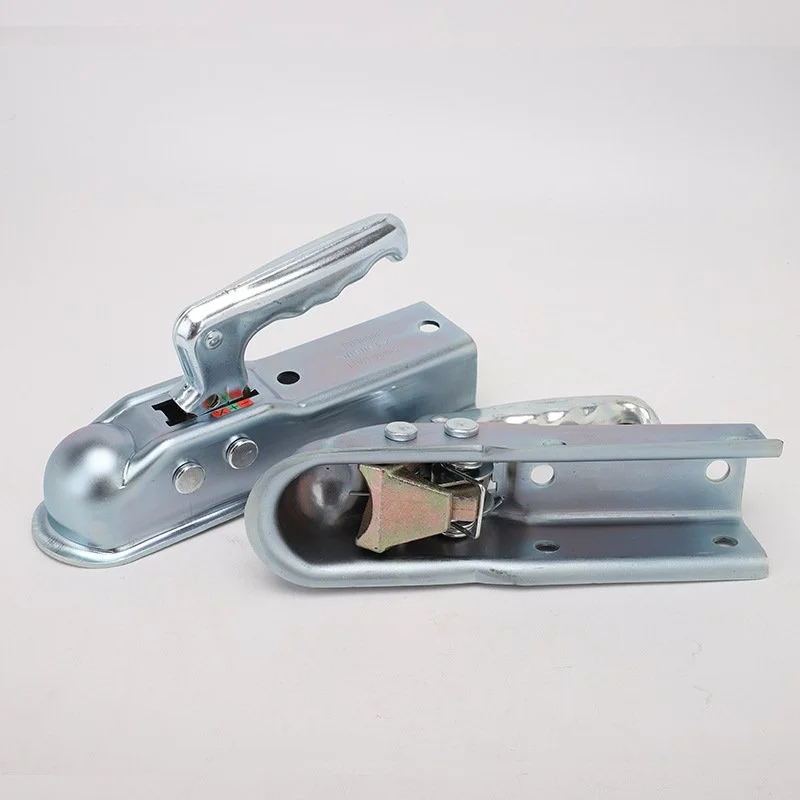
Why Focus on Trailer Parts Wholesale Distribution
The caravan parts business is an important part of the transportation and shipping industry, and demand is always rising around the world because of growing e-commerce and freight transportation needs. Wholesale distribution is a key part of this ecosystem because it links producers with stores, fleet operators, and repair shops. Focusing on wholesale marketing has a number of benefits over buying things in stores. Volume-based pricing cuts costs per unit by a large amount, and long-term wholesale ties give customers first access to inventory when supplies are low. As a professional wholesaler, you can get technical help, product certifications, and customisation services that you usually can't get from a store. Due to their complexity, caravan systems need a lot of different products and a lot of specialised knowledge. Braking systems, electrical parts, suspension assemblies, and safety gear on modern trucks are very advanced. Wholesale wholesalers need to keep a lot of these items in stock and make sure they work with trailers from different manufacturers and meet regional standards.
Selection Criteria for Wholesale Distributors
Product Portfolio Breadth
Outstanding wholesale wholesalers can tell you apart from limited suppliers by the wide range of products they offer. Some of the most important parts that leading distributors keep in stock are trailer axle supplier goods, brake assemblies, suspension systems and electrical parts. Getting a lot of different kinds of products from one seller makes the buying process easier and cuts down on the amount of work that needs to be done. Quality distributors work with more than one manufacturer, which lets them offer a range of choices within each product area. This gives buyers the freedom to choose the best specifications for their needs based on price, performance, and specific applications.
Manufacturing Capabilities and Certifications
In modern times, wholesale distributors often run manufacturing sites that are integrated with their distribution businesses. This mixed method gives you more power over quality, price, and delivery times. Being able to make things lets you give custom solutions and private label options that only distributors can't. Getting an ISO license, especially for an ISO 9001 quality management system, shows that you are committed to high-quality standards. Environmental certifications, such as ISO 14001, show that a business is using sustainable methods that are in line with its social responsibility goals. These certifications give procurement managers peace of mind when they are looking at long-term relationships.
Global Logistics and Support Infrastructure
For international shipping, you need advanced logistics skills and help networks in different regions. Effective distributors keep their inventory in strategic places, build strong shipping relationships, trailer parts wholesale distributor and offer customer service in multiple languages. Shipping at the container level lowers the cost of shipping each item for buyers who buy in bulk. Professional distributors are different from commodity suppliers because they can offer technical help. Engineering help, services for customising products, and installation instructions add value on top of just supplying products. These services are especially helpful for setups that are hard to understand or for specific uses.
Leading Wholesale Distributors Analysis
RUIRUI Machinery - Integrated Manufacturing Excellence
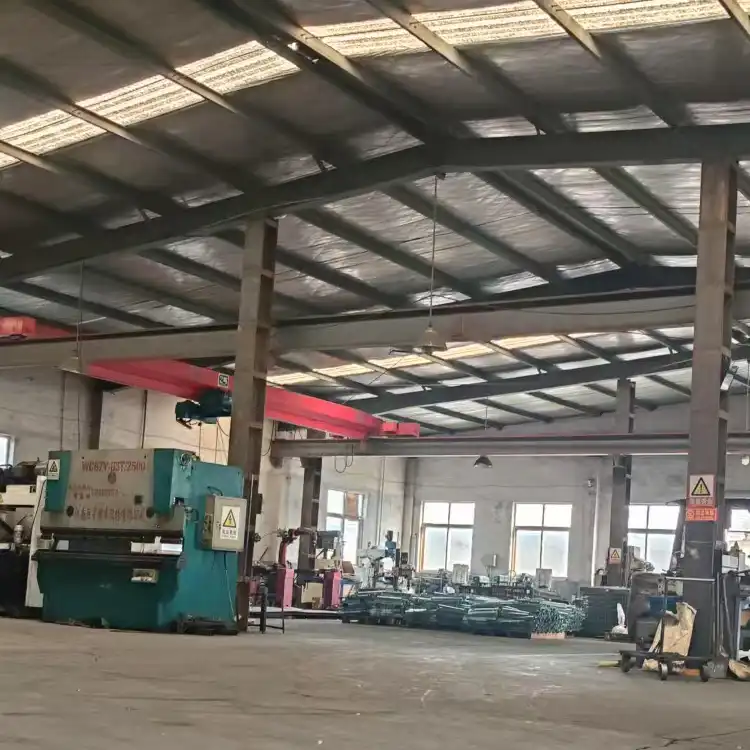
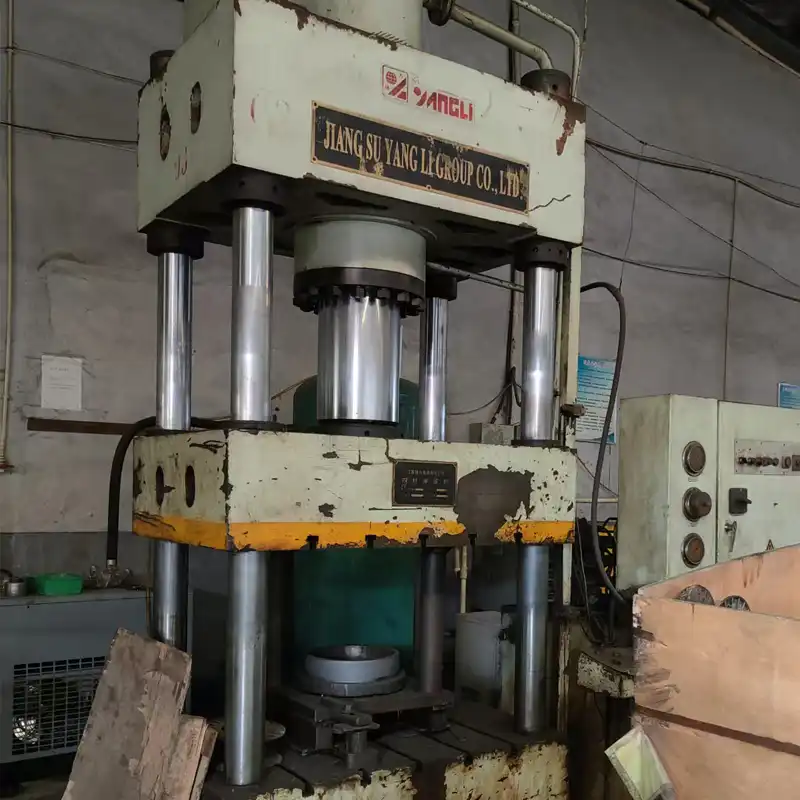
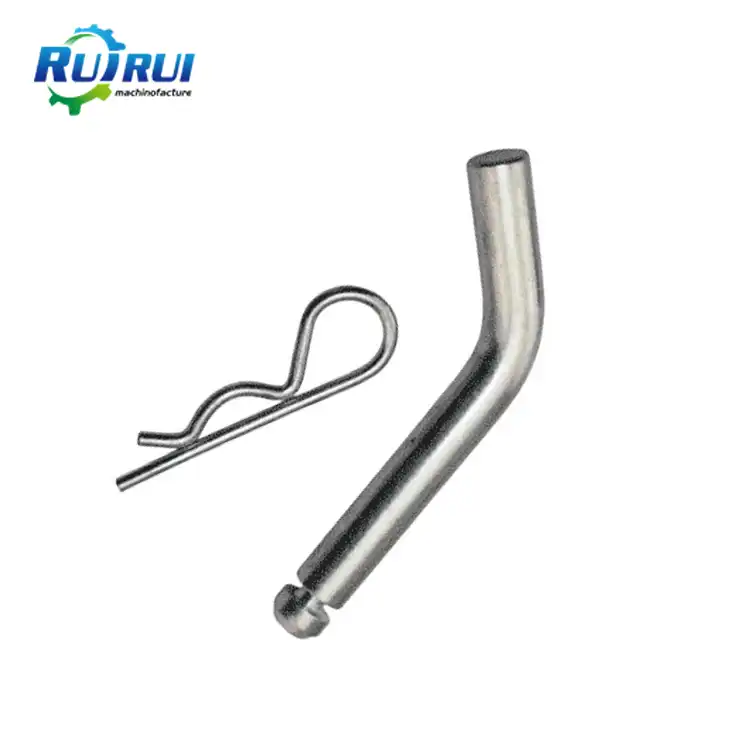
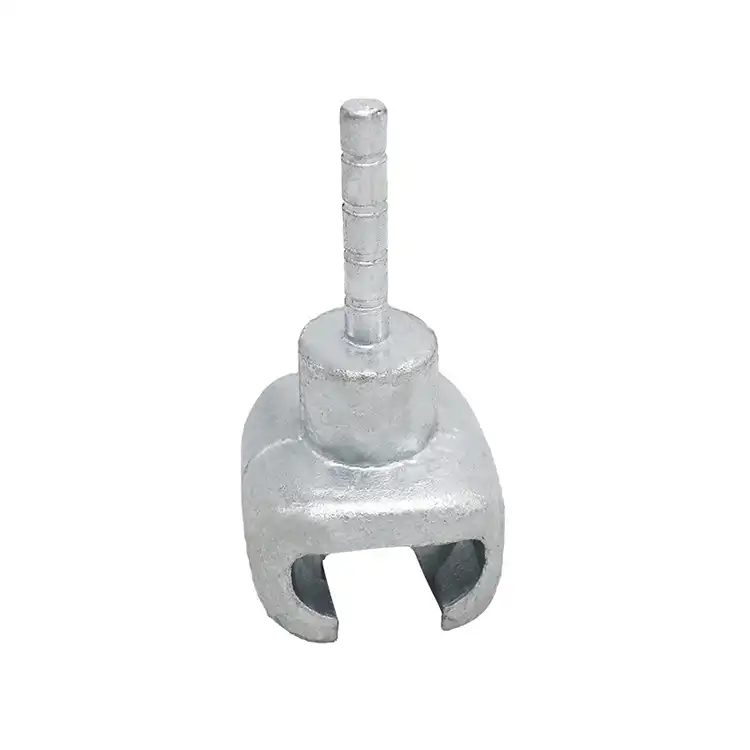
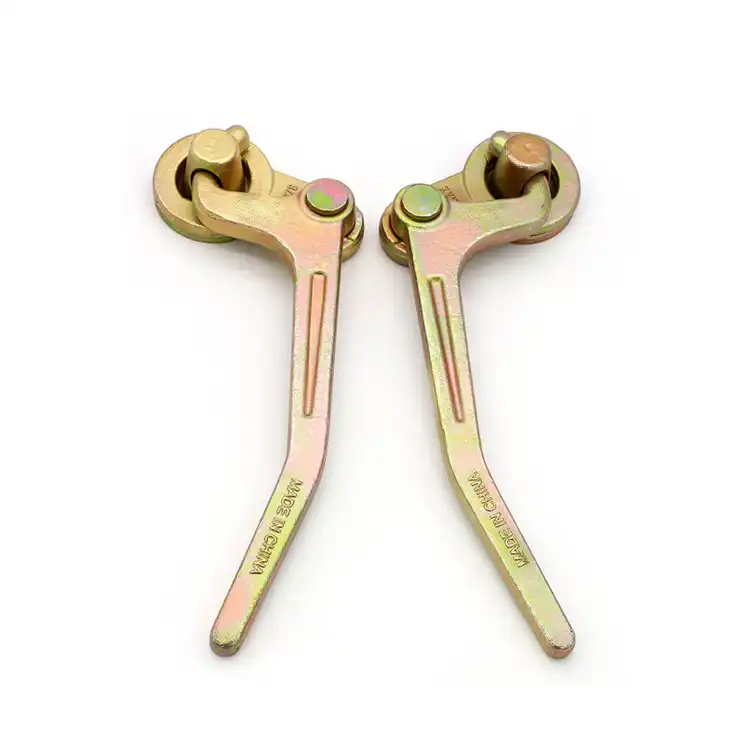
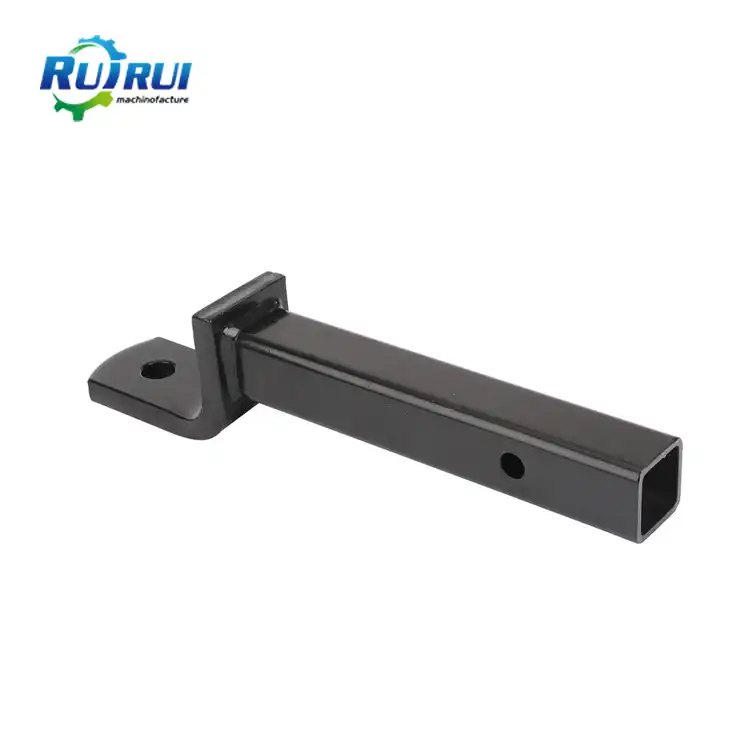
RUIRUI Machinery is a great example of the integrated manufacturing method that is typical of today's wholesale distribution. Company RUIRUI was founded in 2016 and is based in Qingdao, China. It is a maker and trader of caravan accessories and custom sheet metal goods. The company can make things using a lot of different high-tech methods, such as CNC machining, laser cutting, progressive pressing, and welding. Eight production lines make more than 130,000 pieces a year, and automated robot production systems make sure that quality and speed are always maintained. This foundation for manufacturing lets us offer competitive prices and a level of customisation that standard distributors can't match. Pins, arms, fasteners and winches are just a few of the important trailer parts that RUIRUI makes. Powder coating, anodising, and electrophoresis are examples of secondary processing techniques that can be used to make finished goods that meet a wide range of specifications. We know how to work with mild steel, stainless steel, aluminium, copper, and brass. Certifications like ISO 9001, ISO 14001, and OHSAS 18001 are part of quality assurance systems. They show a dedication to quality, safety at work, and caring for the environment. The engineering team and quality inspectors work together to keep accurate records of production and make sure that the company meets all foreign standards.
Regional Speciality Distributors
Regional distributors serve specific areas of the country with products and customer service that are tailored to those areas. These groups usually focus on certain types of trailers or uses for them, and they keep close ties with people in the areas they serve. Regional distributors are very good at knowing how local laws, weather, and customer preferences affect the specifications of a product.A lot of regional distributors add niche manufacturers' specialised goods to their main stock. This way of doing things lets them serve a wide range of customers without having to keep up a lot of production capacity. Having strong ties with many suppliers gives you options when there are problems with supplies or changes in demand. When compared to bigger companies, regional wholesalers often offer better customer service. For smaller customers who might not get much attention from larger distributors, having direct access to decision makers, personalised help, and flexible payment terms are all valuable.
International Trading Companies
Companies that do business in more than one country use their connections to get access to a wide range of products at low prices. These businesses usually keep their inventories low and have strong networks of suppliers that make it easy to get specialised things quickly. Trading companies are very good at understanding international rules, customs processes, and paperwork needs. Customers who are entering new markets or looking for goods from more than one country can benefit from this knowledge. There is, however, a risk that not enough control over the manufacturing process can lead to problems with quality or changes to the product.
Global Market Characteristics and Considerations
Regional Regulatory Variations
The rules for caravan parts are very different in different parts of the world, which makes it hard for wholesale wholesalers to follow the rules. In North America, approvals from the Department of Transportation (DOT) and compliance with the Federal Motor Vehicle Safety Standards (FMVSS) are very important. Many parts sold in European markets need to be certified by the ECE (Economic Commission for Europe) and marked with the CE mark. By understanding these regulatory systems, trailer parts wholesale distributors can make sure that their products have the right certifications and paperwork. Compliance mistakes can cause big delays, extra costs, and the risk of being sued, all of which can hurt business operations and relationships with customers.
Material and Environmental Standards
Environmental laws are having a bigger effect on the choices of materials and the ways they are made in places around the world. The European RoHS (Restriction of Hazardous Substances) rules put limits on the use of some materials in electronic parts. The REACH (Registration, Evaluation, Authorisation and Restriction of Chemicals) rules change the kinds of paperwork that are needed for important things. Material specifications and performance needs are also affected by climate. Extreme changes in temperature, salt exposure, and humidity levels call for specific coats and treatments on materials. Distributors who serve customers in a wide range of areas need to be aware of these environmental factors and make sure that the right product standards are always met.
Cultural and Business Practice Variations
There are big differences between global markets in how business is done and what people expect from relationships. In some areas, building long-term partnerships and relationships is important, while in others, transactional efficiency and low prices are more important. Understanding these societal differences makes it easier to communicate and build relationships. Cultural effects can also be seen in payment terms, contract structures, and negotiation styles. Global distributors who are good at what they do change how they do business to fit local needs while keeping quality and service standards the same in all areas.
Product Category Deep Dive
Electrical and Lighting Systems
Modern caravan electrical systems have high-tech parts like telematics connections, LED lighting arrays and ABS stop controllers. Wholesalers need to know how to work with both old-fashioned lighting systems and new technologies like wireless tracking systems and adaptive lighting. To sell caravan lights in bulk, you need to know about voltage standards, connector types, and the rules that apply to different markets. Adopting LED technology opens up possibilities for energy-saving solutions, but it also means getting new technical skills and product training.
Suspension and Axle Components
Trailer suspension systems directly impact ride quality, load capacity, and maintenance requirements. Air suspension systems provide superior ride quality but require specialised components and maintenance knowledge. Leaf spring systems offer simplicity and durability, but may require more frequent replacement intervals. Axle specifications vary based on load requirements, brake configurations, and regulatory compliance needs. Trailer axle supplier relationships must encompass various capacity ratings, brake types, and mounting configurations to serve diverse customer applications effectively.
Brake System Components
Brake system reliability directly impacts safety and regulatory compliance, making quality and consistency critical factors in supplier selection. Modern trailer brake systems incorporate electronic controls, anti-lock systems, and automated monitoring capabilities that require specialised technical knowledge. Trailer brake parts distributor operations must maintain inventory across mechanical and electronic components while providing technical support for installation and maintenance procedures. Regular training updates ensure awareness of evolving technologies and safety requirements.
Purchasing Recommendations and Considerations
Supplier Evaluation Framework
Comprehensive supplier evaluation requires assessment across multiple criteria, including quality systems, manufacturing capabilities, financial stability, and service levels. Site visits provide valuable insights into manufacturing processes, quality controls, trailer parts wholesale distributor, and organisational capabilities that cannot be assessed through documentation alone. Reference checks with existing customers provide realistic perspectives on service quality, problem resolution capabilities, and long-term relationship satisfaction. Industry certifications and quality awards indicate commitment to excellence and continuous improvement initiatives.
Contract Structure Optimisation
Effective wholesale contracts balance price competitiveness with supply security and service requirements. Volume commitments often enable preferential pricing but require accurate demand forecasting and inventory management capabilities. Flexible contract terms accommodate business growth and market fluctuations while maintaining supplier relationships. Quality specifications, delivery requirements, and technical support expectations should be clearly defined to prevent misunderstandings and ensure consistent performance. Regular performance reviews provide opportunities to address issues and optimise contract terms based on actual experience.
Risk Management Strategies
Supply chain diversification reduces dependency on individual suppliers while maintaining competitive pricing through strategic competition. Backup supplier relationships provide security during primary supplier disruptions without requiring significant inventory investments. Quality control processes should include incoming inspection procedures, supplier audits, and customer feedback systems. These processes enable early identification of quality issues and provide data for supplier performance improvement initiatives.
Conclusion
The wholesale industry for caravan parts is still moving toward more integrated production and distribution models that use technology to their advantage. Online shopping sites, warehouse management systems, and predictive maintenance analytics that improve the efficiency of the supply chain are all examples of digitalisation trends. Demand for eco-friendly materials and energy-efficient parts is driven by efforts to protect the environment across all product categories. As companies merge, they become bigger and better at what they do. Niche suppliers, on the other hand, focus on niche uses and providing better service. Wholesale distributors who are good at what they do mix the ability to make things, technical know-how, and global logistics networks to offer full solutions that go beyond just supplying products.
FAQ
1. What minimum order quantities do wholesale distributors typically require?
Minimum order requirements vary significantly based on product categories, supplier capabilities, and market positioning. Large manufacturers often require container-level orders (typically 500-2000 pieces depending on product size), while regional distributors may accept smaller quantities with adjusted pricing structures. Many suppliers offer mixed container options that allow buyers to combine different products to meet minimum thresholds.
2. How do I verify the quality standards of international wholesale suppliers?
Quality verification requires multiple approaches, including certification review, reference checks, and potentially facility audits. Look for ISO 9001 quality management certifications, industry-specific approvals, and customer testimonials. Request product samples for testing and evaluation before committing to large orders. Many reputable suppliers welcome facility visits and provide detailed quality documentation.
3. What are typical payment terms for wholesale trailer parts orders?
Payment terms vary based on supplier relationships, order volumes, and geographic locations. New customers typically encounter 30% deposit requirements with a balance due before shipment. Established relationships may qualify for net 30-60 day terms or letters of credit for large orders. International transactions often utilise letters of credit to protect both parties and ensure contract compliance.
4. How can I ensure regulatory compliance when importing trailer parts?
Regulatory compliance requires understanding destination country requirements and ensuring supplier certifications match these standards. Work with suppliers who maintain relevant certifications (DOT, ECE, CE marking) for your target markets. Consider engaging customs brokers or trade consultants who specialise in automotive components to navigate complex regulations and documentation requirements.
5. What technical support should I expect from wholesale distributors?
Professional wholesale distributors typically provide product specifications, installation guides, and technical consultation services. Leading suppliers offer engineering support for custom applications, compatibility verification, and troubleshooting assistance. Training programs, product updates, and warranty support demonstrate commitment to long-term customer relationships beyond basic product supply.
6. How do I handle quality issues with wholesale suppliers?
Establish clear quality expectations and dispute resolution procedures before placing orders. Document quality issues with photographs and detailed descriptions, then communicate promptly with suppliers. Reputable suppliers typically offer replacement products, partial refunds, or credit toward future orders for legitimate quality problems. Maintain detailed records of all quality issues for supplier performance evaluation and contract negotiations.
Partner with RUIRUI for Your Trailer Parts Wholesale Distributor Needs
RUIRUI Machinery stands ready to serve as your trusted trailer parts wholesale distributor and manufacturer partner. Our integrated production capabilities, quality certifications, trailer parts wholesale distributor, and global export experience to over 80 countries provide the foundation for successful long-term partnerships. With automated manufacturing lines, comprehensive material expertise, and dedicated engineering support, we deliver customised solutions that meet your specific requirements.
Contact our team at kshdhardware@qdkshd.com to discuss your wholesale procurement needs and discover how our factory-direct pricing and OEM capabilities can optimise your supply chain performance while ensuring consistent quality and reliable delivery schedules.
References
1. Anderson, M.J. (2023). "Global Trailer Parts Market Analysis: Supply Chain Dynamics and Distribution Strategies." Industrial Manufacturing Quarterly, Vol. 45, No. 3, pp. 78-95.
2. Chen, L.K. (2022). "Quality Management Systems in Automotive Parts Manufacturing: ISO Standards Implementation and Best Practices." International Journal of Quality Engineering, Vol. 28, No. 4, pp. 234-251.
3. Rodriguez, C.A. (2023). "Regulatory Compliance in International Trailer Parts Trade: A Comprehensive Guide for Wholesale Distributors." Transportation Equipment Review, Vol. 19, No. 2, pp. 112-128.
4. Thompson, R.D. (2022). "Emerging Technologies in Trailer Manufacturing and Parts Distribution." Heavy Duty Trucking Technology Journal, Vol. 31, No. 7, pp. 45-62.
5. Williams, S.P. (2023). "Supply Chain Risk Management for Automotive Parts Wholesalers: Strategies for Global Operations." Business Logistics Management, Vol. 42, No. 1, pp. 89-104.
6. Zhang, H.W. (2022). "Manufacturing Excellence in Metal Fabrication: Process Innovation and Quality Control Systems." Advanced Manufacturing Technologies, Vol. 36, No. 5, pp. 156-173.

Send Inquiry
Related Industry Knowledge
- What Are the Key Benefits of Trailer Parts Wholesale for Your Business?
- What Makes Forged Steel Trailer Container Handle Locks on Both Sides More Durable?
- The Ultimate Guide to Drop Hitches for Level Towing
- Why High-Quality HITCH BALLs Improve Towing Safety?
- Why Is the Automobile Metal Square Interface Trailer Arm the Best Choice for Heavy-Duty Applications?
- How would a Trailer Hitch A Frame Coupler manufactured with laser cutting and CNC precision benefit your operational efficiency?
- Why is a 1/4 Hitch Pin Lock important?
- Are there locking versions of Trailer D Pins?
- What are removable bollards?
- How does a lynch pin differ from a cotter pin?