
Tow Ball Benefits for Safe Trailer Towing
When it comes to safe trailer towing, a high-quality tow ball serves as the critical connection point between your vehicle and trailer. This spherical coupling component provides essential benefits, including superior load distribution, enhanced stability during transport, and a reliable mechanical connection that prevents trailer separation. A properly engineered tow ball reduces stress on your vehicle's frame while ensuring smooth power transfer and optimal braking performance throughout your journey.
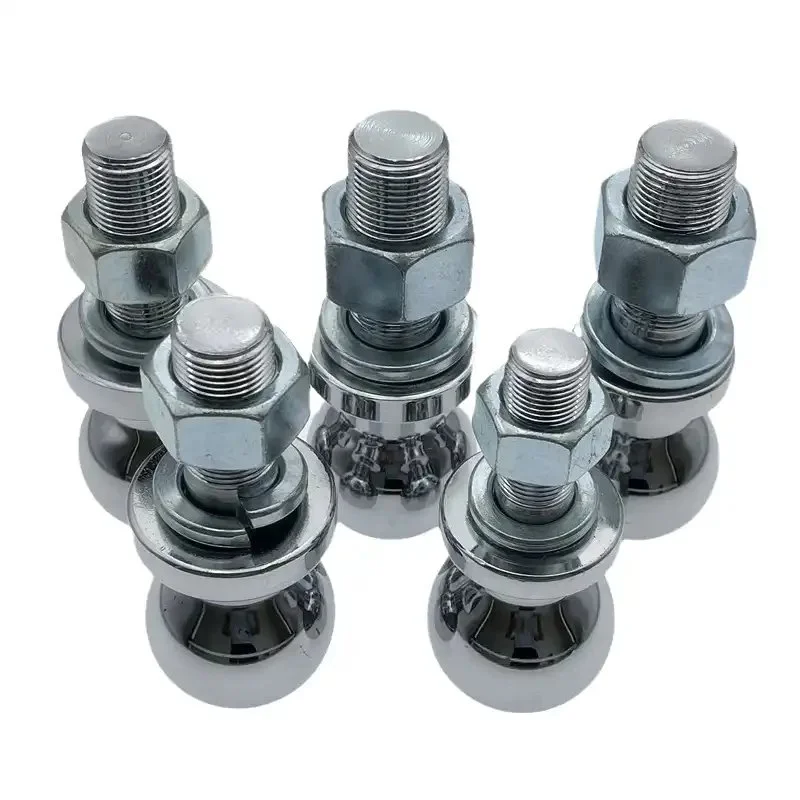
Understanding Tow Ball Construction and Key Performance Indicators
Material Engineering and Manufacturing Process
The engineering behind an effective caravan coupling begins with careful material selection and precise manufacturing processes. At RUIRUI, tow balls are produced using either forged carbon steel or machined stainless steel bar stock, providing excellent tensile strength and long-term durability. The production process includes controlled heat treatment to enhance structural stability and prevent deformation when exposed to heavy shock loads during towing operations. This metallurgical approach ensures that the finished components combine surface hardness with internal toughness, allowing them to withstand demanding mechanical stresses while maintaining consistent performance over time.
Size Specifications and Corrosion Protection
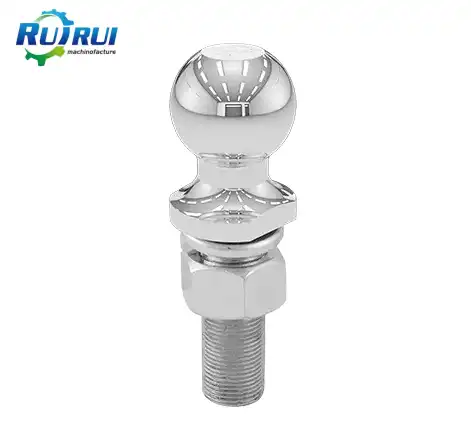
Caravan tow balls are manufactured in three standard diameters—1-7/8 inches, 2 inches, and 2-5/16 inches—each designed to support different towing capacities. The 1-7/8-inch diameter typically supports loads up to 2,000 pounds, while the 2-inch diameter can handle up to 7,500 pounds. The largest 2-5/16-inch tow balls are built for heavy-duty towing applications and can support more than 10,000 pounds. Key performance indicators include the Gross Trailer Weight (GTW) rating and tongue weight capacity, both of which must align with the specific towing requirements to ensure operational safety. Shank diameters generally range from 3/4 inch to 1-1/4 inch, allowing compatibility with different ball mount plate configurations and load demands. Surface treatments further enhance durability, with chrome plating offering strong corrosion resistance and zinc-nickel alloy coatings providing even greater protection against harsh environmental conditions. Premium models are often made from 316-grade stainless steel, which delivers superior corrosion resistance, particularly in marine environments.
Core Benefits of Professional-Grade Tow Balls
Safety Performance and Towing Stability
The primary advantage of investing in high-quality trailer hitch components is improved towing safety. A properly rated tow ball distributes pulling forces evenly across the entire coupling system, preventing excessive stress concentration that could lead to structural failure. This balanced load distribution helps protect both the ball coupler and trailer coupler from premature wear. Precisely manufactured coupling spheres further enhance load stability by maintaining accurate dimensions and smooth contact surfaces. The consistent surface finish reduces friction and binding when turning, allowing the towing vehicle and trailer to move smoothly together. This natural articulation minimizes the risk of mechanical binding that could otherwise contribute to dangerous trailer sway or jackknifing during operation. Strong mechanical connections also improve braking efficiency by ensuring that braking forces transfer effectively from the towing vehicle to the trailer, which is particularly important for maintaining control during sudden or emergency stops.
Durability, Versatility, and Environmental Protection
Durability plays a key role in reducing maintenance costs and extending service life. High-quality materials maintain their structural integrity even after repeated cycles of loading and unloading, allowing tow balls to retain their shape and performance over many years of use. Chrome-plated surfaces resist rust and corrosion, reducing the need for frequent replacement and maintenance. Standardized dimensions also make these components highly versatile, allowing them to work with various trailer types such as utility trailers, boat trailers, and RV travel trailers. This compatibility enables tow ball fleet owners to simplify inventory management while maintaining operational flexibility. In addition, advanced surface finishes provide strong environmental protection. Marine-grade coatings resist salt spray and high humidity, while UV-stable materials prevent degradation caused by prolonged sunlight exposure, ensuring that critical towing components remain reliable in a wide range of operating environments.
RUIRUI Tow Balls Versus Competitive Options
Precision Manufacturing and Superior Material Quality
RUIRUI tow balls stand out in the market due to their advanced manufacturing precision and high-grade material selection. Through progressive stamping and CNC machining processes, we achieve exact dimensional tolerances that ensure perfect component fit and reliable mechanical performance. This level of precision significantly reduces play within the coupling connection, improving overall towing stability and safety. Material quality further differentiates RUIRUI products from many standard market alternatives. While some manufacturers rely on untreated carbon steel with minimal surface protection, RUIRUI utilizes heat-treated alloy steels combined with advanced plating technologies for enhanced strength and durability. Our ISO 9001-certified quality management system ensures strict production consistency, guaranteeing that every batch meets the same high performance and safety standards.
Advanced Testing, Surface Finishing, and Production Capacity
RUIRUI’s testing procedures exceed typical industry requirements to ensure long-term product reliability. Each production batch undergoes comprehensive tensile strength testing and precise dimensional inspection, while engineers and quality inspectors maintain detailed production records for full traceability. Surface finish quality also plays a critical role in product performance. Our chrome plating process delivers uniform thickness and complete coverage, providing stronger corrosion resistance than basic zinc coatings commonly used by competitors. The resulting smooth surface also helps reduce wear on trailer couplers, extending service life. In addition, RUIRUI offers strong customization capabilities through OEM support, allowing customers to specify shank length, material selection, and specialized surface treatments to meet unique industrial towing requirements. With eight automated production lines capable of manufacturing up to 130,000 units annually, supported by robotic manufacturing systems, RUIRUI maintains reliable supply capacity for high-volume customers while consistently meeting strict quality standards.
Maximizing Tow Ball Performance Through Proper Selection and Usage
Selecting and Installing the Right Trailer Ball
When choosing the correct trailer ball, it is essential to carefully evaluate your towing requirements. Start by calculating the maximum loaded trailer weight and the corresponding tongue weight to determine the appropriate load rating. The ball diameter must match the trailer coupler size exactly to ensure a secure and stable connection. Proper installation plays a major role in towing safety and operational performance. Verify that the ball mount plate is compatible with the selected shank diameter and rated load capacity. Apply thread-locking compound to the mounting nut and tighten it according to the manufacturer’s torque specifications. Using a lock nut can further prevent loosening during operation. During coupling, slowly lower the trailer coupler onto the ball while ensuring correct alignment. Confirm that the coupler latch is fully engaged and that the safety pin is securely positioned. Before traveling, test the connection by slightly lifting the trailer tongue to confirm that the coupling is firmly locked in place.
Maintenance, Weight Distribution, and Storage Practices
Routine maintenance is essential for maintaining safety and extending the service life of towing components. Before each use, clean the ball surface to remove dirt or debris that could cause binding between the coupler and the ball. Applying a thin layer of automotive grease helps reduce friction while also protecting the surface from corrosion. Regular inspections should be performed to detect cracks, abnormal wear, or deformation that could affect performance. Proper weight distribution also plays a critical role in towing stability and component longevity. The recommended tongue weight should typically remain between 10% and 15% of the trailer’s total weight. Excessive tongue weight can overload the tow vehicle’s rear axle, while insufficient tongue weight may lead to dangerous trailer sway during travel. When the equipment is not used for extended periods, proper storage is recommended. Apply corrosion-resistant coatings to exposed metal surfaces, store the unit in a dry environment, and cover it to protect rubber or plastic components from prolonged UV exposure.
Professional Installation and Maintenance Guidelines
Installation Requirements and Torque Specifications
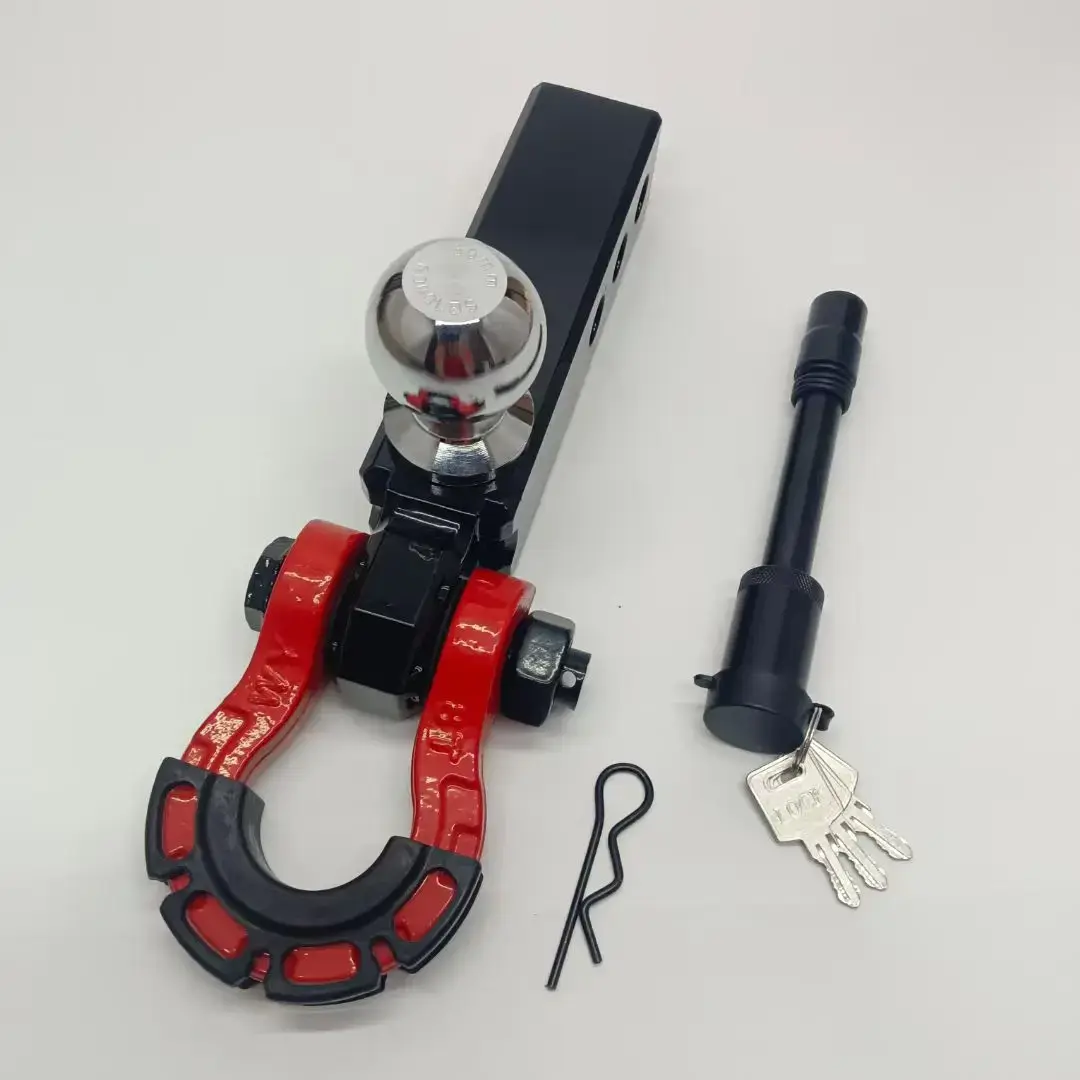
Proper installation begins with selecting a compatible ball mount system that matches the vehicle’s hitch configuration. The receiver tube size should correspond with the hitch receiver on the vehicle, which is typically 1-1/4 inch or 2 inches for most passenger vehicles, while commercial or heavy-duty applications may require larger 2-1/2 inch receivers. Ensuring this compatibility is essential for maintaining towing stability and safety. Torque specifications vary depending on the shank diameter and the manufacturer’s recommendations. In general, 3/4-inch shanks require tightening torque in the range of 150–200 ft-lbs, while 1-inch shanks typically require 250–300 ft-lbs. Following the exact torque guidelines provided by the manufacturer helps secure the assembly properly and prevents loosening during operation.
Inspection, Maintenance, and Replacement Guidelines
Inspection schedules should be based on usage frequency and operating conditions. Commercial users are advised to inspect coupling components before every trip, while recreational users can usually perform inspections on a monthly basis. During inspections, check for visible wear, corrosion, surface damage, or mechanical deformation that could compromise safety. Lubrication practices should also be adjusted according to the operating environment. For example, equipment used in marine environments requires more frequent greasing to prevent corrosion caused by salt exposure. Applying marine-grade grease to moving parts and exposed surfaces helps maintain smooth operation and protects metal components. Replacement becomes necessary when visible wear appears on the ball surface, when the sphere becomes deformed, or when looseness develops in the mounting assembly. Cracks or damage in the chrome plating should also prompt immediate replacement to prevent sudden failure. Maintaining proper documentation of installation dates, torque values, and inspection results helps track maintenance history, supports warranty claims, and can add value when equipment is resold.
Conclusion
Quality tow balls form the foundation of safe trailer towing operations. The benefits extend beyond basic functionality to include enhanced safety, improved stability, and extended equipment life. RUIRUI's commitment to precision manufacturing and quality assurance ensures our products meet the demanding requirements of professional and recreational users alike. Proper selection, installation, and maintenance maximize these benefits while protecting your investment in towing equipment.
FAQ
Q1: What tow ball size should I choose for my trailer?
A: The tow ball diameter must match your trailer coupler exactly. Check the coupler specification plate or measure the socket diameter. Common sizes include 1-7/8 inches for light trailers, 2 inches for medium-duty applications, and 2-5/16 inches for heavy trailers. Never use a smaller ball than specified, as this creates dangerous loose connections.
Q2: How often should I replace my trailer hitch ball?
A: Replace your tow ball when you notice visible wear on the sphere surface, any cracks in the chrome plating, or deformation of the mounting shank. With regular use, quality balls typically last 5-10 years, depending on operating conditions. Marine environments and commercial use may require more frequent replacement due to accelerated corrosion and wear.
Q3: Can I use the same tow ball for different trailer weights?
A: You can use a higher-rated ball for lighter trailers, but never exceed the ball's maximum capacity rating. Each ball is stamped with its maximum GTW (Gross Trailer Weight) and tongue weight limits. Using an appropriately rated ball ensures safety margins and prevents premature failure under load.
Contact RUIRUI for Premium Tow Ball Solutions
RUIRUI stands ready to serve your trailer coupling requirements with precision-manufactured tow balls designed for demanding applications. Our experienced engineering team provides technical support for custom specifications and bulk procurement needs. As a leading tow ball manufacturer, we combine advanced metallurgy with rigorous quality control to deliver reliable products that exceed industry standards. Contact our team at kshdhardware@qdkshd.com to discuss your specific requirements and discover why professionals worldwide trust RUIRUI for critical towing applications.
References
1. Smith, Robert J. "Automotive Towing Systems: Engineering Principles and Safety Standards." Journal of Transportation Engineering, Vol. 145, 2019.
2. Thompson, Michael A. "Material Science in Trailer Coupling Design: Stress Analysis and Failure Prevention." International Review of Mechanical Engineering, 2020.
3. Williams, David K. "Commercial Vehicle Towing: Load Distribution and Stability Factors." Heavy Duty Trucking Research Quarterly, Issue 3, 2021.
4. Anderson, Sarah L. "Corrosion Protection in Marine Towing Applications: Surface Treatment Technologies." Materials and Corrosion Engineering, Vol. 72, 2020.
5. Johnson, Mark R. "Safety Standards for Recreational Vehicle Towing Equipment: A Comprehensive Analysis." RV Industry Association Technical Bulletin, 2021.
6. Brown, Jennifer C. "Quality Control in Automotive Hardware Manufacturing: ISO Standards Implementation." Manufacturing Excellence Review, Vol. 28, 2019.

Send Inquiry
Related Industry Knowledge
- Top 5 Steel Tread Plate Trailer Fenders for Off-Road
- What Are Bulk Trailer Balls and Why Your Fleet Needs Them?
- Best Trailer Coupler for Boat Trailer: Top Picks 2025
- What Role Does a Custom Forged Auto Parts Yoke Play in Steering and Suspension Systems?
- What sizes are available for Trailer D Pins?
- How do I choose the right trailer safety pin for my setup?
- Can I use any pin as a trailer safety pin?
- How are metal fences made?
- How do metal bins compare in cost to plastic or composite bins?
- How durable is sheet metal?