
What is the Difference Between a Coupler Lock and a Hitch Lock?
A coupler lock and a hitch lock are mostly different in how they protect your vehicle and where they are mounted. A coupler lock protects the trailer's coupler device directly, stopping it from being detached from the tow vehicle without permission. A hitch lock, on the other hand, protects the tow vehicle's hitch ball, stopping attempts to connect the trailer. Both are very important parts of complete trailer security systems used in business and industry.
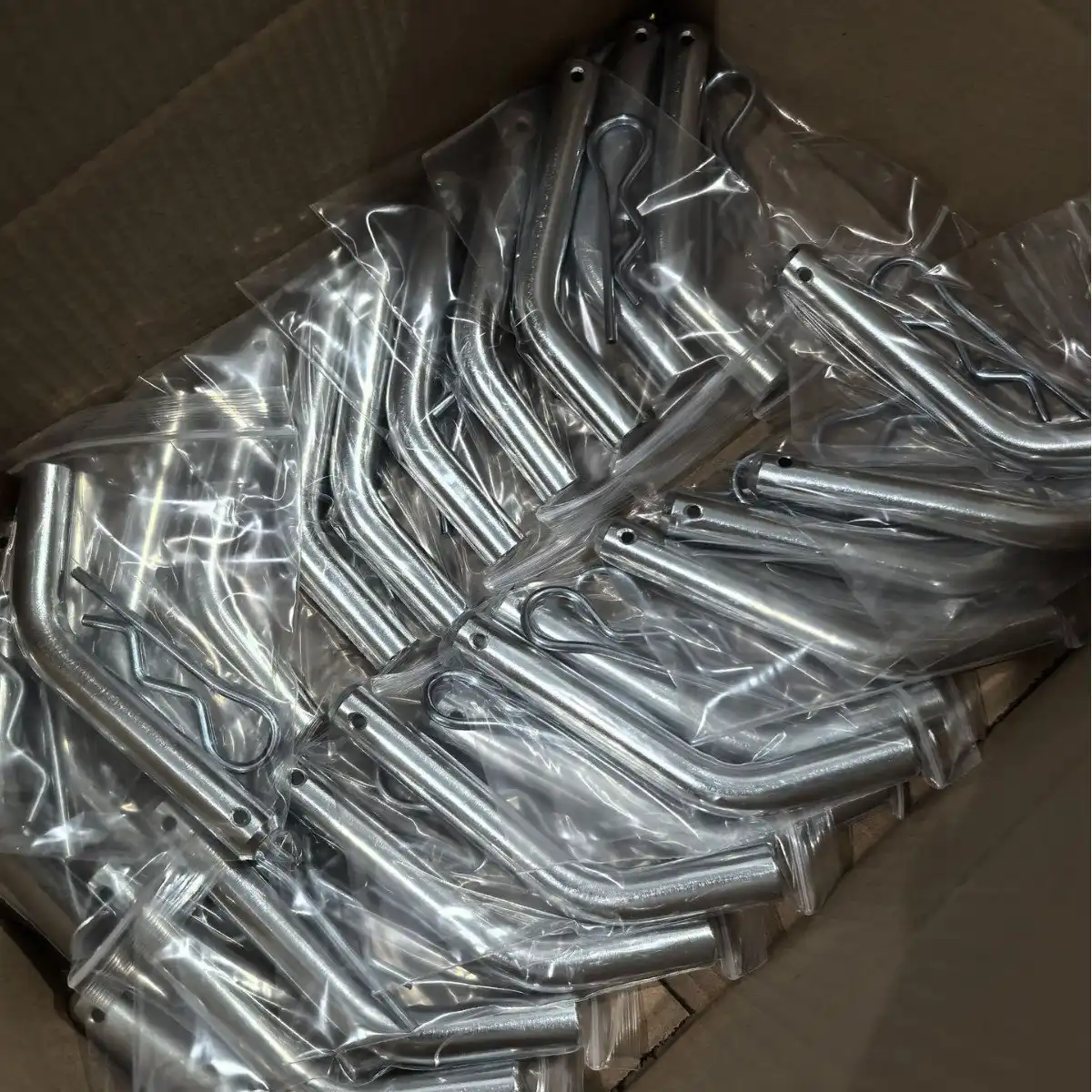
Understanding Coupler Locks and Hitch Locks
Trailer security is an important part of protecting the assets of transportation companies, building companies, and fleet managers in many other fields. Choosing between different locking methods has a direct effect on how secure operations are and how property is protected.
What Are Coupler Locks?
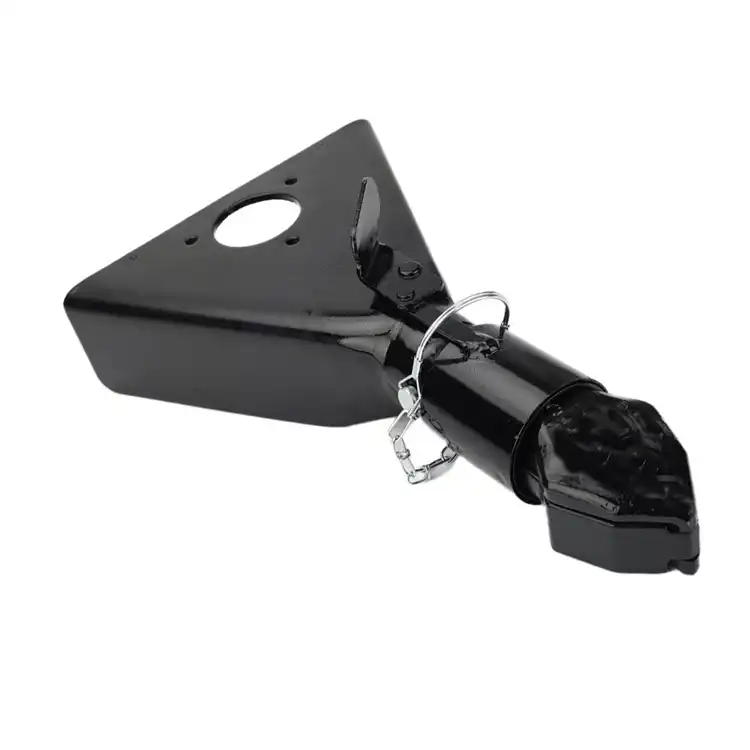
Coupler locks are specialized security devices that connect directly to the ball coupler system on the trailer. By locking the coupler's latch mechanism in the closed position, these parts keep the trailer from being taken off without permission. Many modern coupler locks can fit balls of different sizes, such as 1-7/8", 2", and 2-5/16", so they can be used with a wide range of trailers.
Professional-grade coupler locks are made of high-tensile alloy steel and are finished with zinc plating or powder coating to keep them from rusting. Modern models have quick-release levers and trigger latches that make it easier for authorized people to get in while still keeping security. Most models can hold between 2,000 and 20,000 pounds, and heavy-duty models can hold up to 60,000 pounds of gross trailer weight.
Hitch Lock Fundamentals
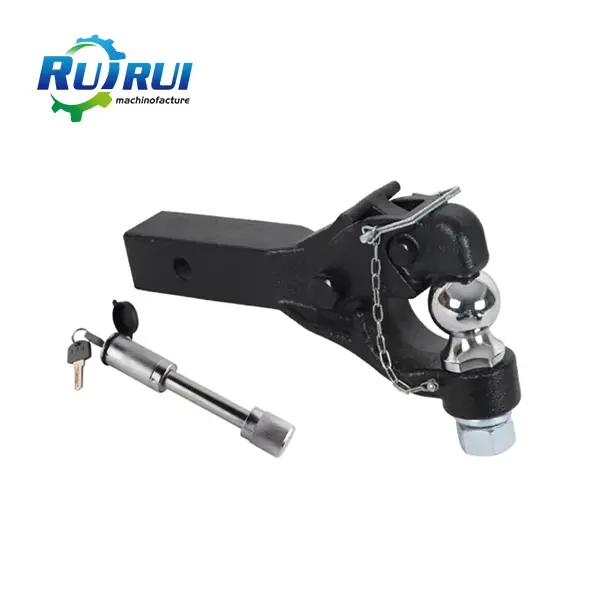
Hitch locks work by locking the hitch ball receiver on the car being towed. This stops any trailer from being hooked up without permission. These things go around the hitch ball assembly and use different locking systems to make it physically impossible to steal.
A hitch lock's flexibility makes it very useful for fleet operations, where the same pull vehicle can be used with more than one trailer. Their installation process usually doesn't require a lot of technical know-how, so they can be quickly used on a wide range of car kinds and hitch setups.
Key Differences Between Coupler Locks and Hitch Locks
Procurement experts can make smart choices based on fleet needs and risk assessment criteria when they know the operating differences between these security systems.
Security Focus and Application
By locking the attachment device directly on the trailer unit, coupler lock methods protect only the trailer. When storing a trailer for a long time, this method works especially well because the trailer stays in one place for long amounts of time. The straight connection to the coupler mechanism acts as both a visual and physical deterrent against efforts to connect without permission.
Hitch locks protect the tow vehicle's connection point, which makes them a vehicle-centric protection measure. A coupler lock, by contrast, focuses on securing the trailer itself. This method works well when one vehicle is used to pull more than one trailer or when the main goal is to keep the tow vehicle from being used without permission.
Installation Complexity and Compatibility
The instructions for installing these two locking methods are very different. Coupler locks need to be precisely fitted to fit certain trailer coupler sizes and latch mechanisms. Professional-grade units, like those made by RUIRUI, can be mounted in two ways: bolt-on or weld-on. They work perfectly with trailer tongue systems that are already in place.
When it comes to universal support across different hitch ball sizes, hitch locks usually make installation easier. This gives fleet managers more control over their assets while still ensuring that all types of vehicles follow the same safety standards.
Cost-Effectiveness and Durability
The economic analysis of these security systems looks at more than just the original purchase price. It also looks at how often they need to be replaced, how much upkeep they need, and how they affect operations. High-quality coupler locks made to ISO/TS16949 standards usually last longer because they are built stronger and have finishes that don't get damaged by the weather.
Specifications of the material are very important for figuring out its long-term value. Premium units are made of cast alloy steel and have special surface treatments that keep them from rusting and wearing down even when they are used in harsh circumstances.
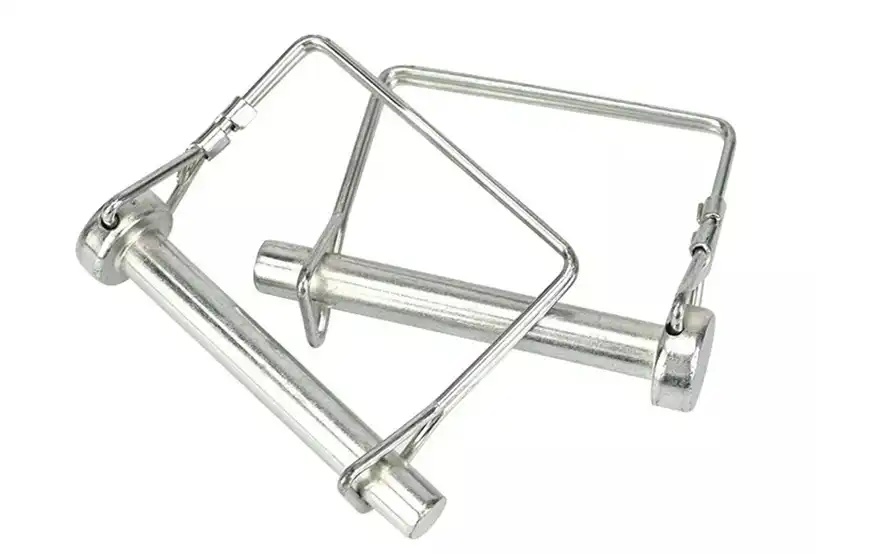
How to Choose the Right Lock for Your Trailer Security Needs?
For security planning to work, organizational needs, external conditions, and risk exposure factors that affect lock choice must all be carefully considered and analyzed.
Security Strength Assessment
To choose the right lock, you need to do a full risk assessment that looks at things like the value of the trailer, how sensitive the goods is, and how exposed the trailer is to the environment. High-value equipment needs extra security features like construction that doesn't allow drilling, strengthened steel parts, and systems that show tampering.
Professional-grade security systems have multiple levels of protection, such as main locking mechanisms, secondary safety pins, and features that make them look bad. When these things are put together, they offer full defense against both simple theft and complex attack methods.
Material Quality and Construction Standards
Premium locking systems use advanced metalworking standards, such as high-quality carbon steel and special alloy mixes. Tensile strength ratings can be raised to more than 480–600 MPa through heat treatment methods, and the materials will still work reliably in harsh circumstances.
Using surface treatment methods like hot-dip galvanization and coatings with a thickness of 45 to 85 microns on a coupler lock makes things more resistant to rust. These processes make sure that the product will always work well in marine settings, chemically exposed areas, and for long periods of time when it is stored outside.
Brand Reliability and Certification Standards
Well-known brands have strict quality control systems that are backed up by full certification programs. Leading brands in their fields offer comprehensive warranties and technical support services that lower operating risks and servicing costs.
Following certification rules like ISO 9001 quality management systems and environmental management standards helps make sure that products are always of high quality and follow the rules in different countries.
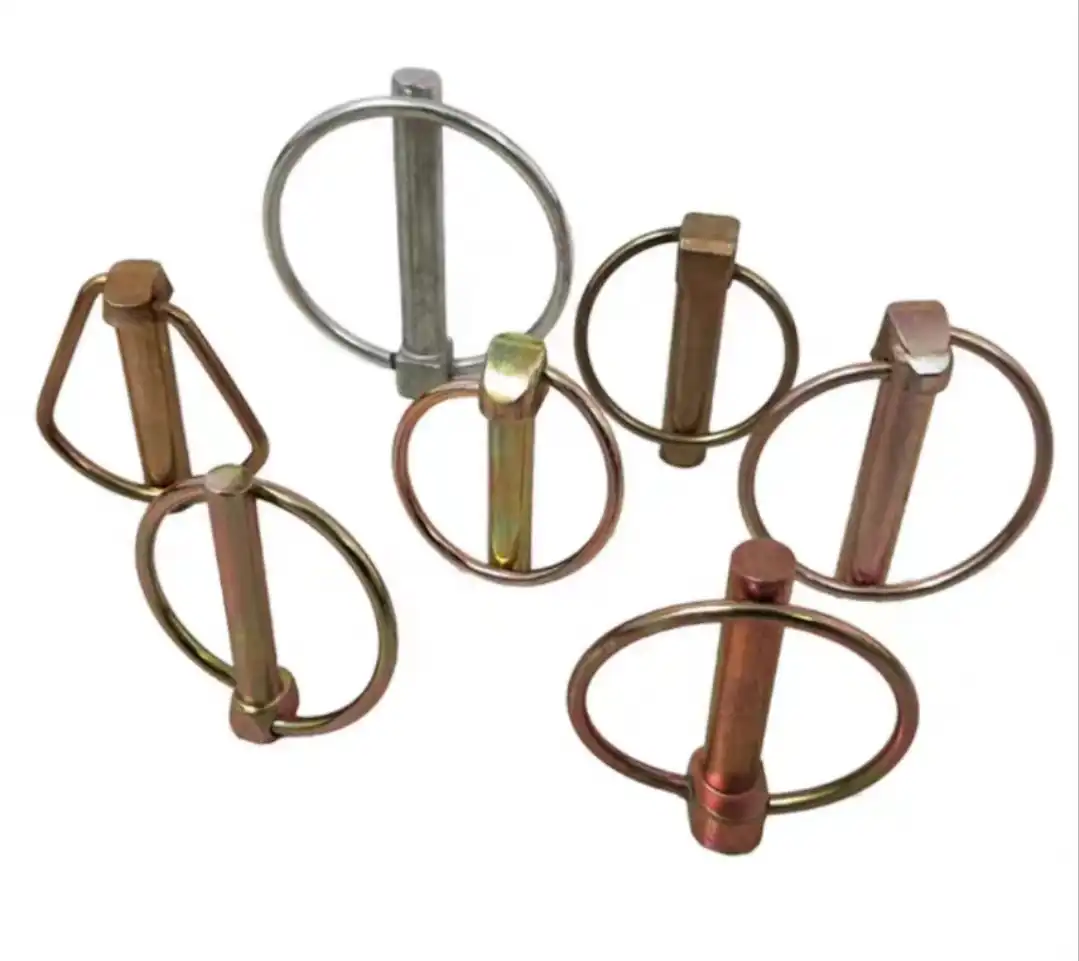
Installation and Maintenance Guide for Coupler and Hitch Locks
The most effective protection is achieved by following the right installation and maintenance methods, which also increase the life of equipment and make it more reliable.
Installation Best Practices
When installing mechanical screws professionally, you need to pay close attention to the manufacturer's instructions and the power levels that are needed. When placing a coupler lock, the shape of the trailer tongue and how the weight is distributed are important factors that affect the structure's strength.
The first step in the installation process is to carefully check the current coupler parts for signs of wear, corrosion, or technical problems that might affect how well they work for security. The right orientation makes sure that everything works smoothly and that security is at its highest level.
Maintenance Protocols and Troubleshooting
As part of regular maintenance, moving parts should be oiled, locking systems should be checked, and structural connection points should be confirmed. Professional-grade oils keep things running smoothly even when the temperature changes. They also keep moisture out.
Corrosion buildup around locking systems, mechanical wear of contact surfaces, and contamination from road debris or exposure to the environment are all common upkeep problems. These problems are taken care of by preventative maintenance routines before they make security less effective or operations less reliable.
Advanced Safety Features
Modern locking systems have advanced safety features like secondary locks that are filled with springs, retention devices that work with gravity, and positive contact signs. These features let you see if the installation is done right and keep the parts from coming loose by chance during travel.
Specialized gaskets, drainage channels, and protective coatings are used in weather-resistant building methods for coupler lock to keep things working even in tough conditions like marine exposure, chemical contamination, and big changes in temperature.
Procurement Insights: Where and How to Buy Coupler and Hitch Locks
When you're looking for trailer security equipment strategically, you need to look at the skills of the suppliers, the quality standards for the products, and the long-term support services.
Supplier Evaluation Criteria
Professional purchasing practices put a lot of weight on checking the manufacturer's credentials, such as through quality licenses, assessments of production capacity, and expert support services. Companies that have been around for a while have complete quality management systems that include ISO approval and strict testing methods.
As part of the evaluation process, manufacturing sites, quality control methods, and tech support skills are all looked at. When it comes to complicated applications and special needs, suppliers with a lot of knowledge in the field can be very helpful.
Bulk Purchasing and Contract Negotiations
Through volume prices and long-term supply deals, large-scale buying can lead to big cost savings. Manufacturers of coupler locks often offer customization services for fleet-specific needs, such as custom finishing, mounting arrangements, and performance standards.
Negotiation strategies should include shipping dates, quality guarantees, and technical help clauses that make sure the supply chain works consistently. Complete contracts include guarantee terms, replacement processes, and ways for quality problems to be taken to the next level.
Quality Assurance and Verification Procedures
Professional providers have full quality assurance programs that include inspecting inbound materials, checking while the product is being made, and validating the finished product. These steps make sure that all industrial processes consistently make high-quality products and follow the rules.
Material approvals, dimensional inspection records, and performance test results that show compliance with industry standards and customer specs are some of the documents that are needed. Having the right paperwork makes it easier to find things and helps with insurance claims when they're needed.
Conclusion
The selection between coupler locks and hitch locks relies on the needs of the business, the need for security, and the way the fleet is managed. Coupler locks protect the trailer by attaching directly to the coupler assembly, while hitch locks protect the place where the trailer is attached to the tow car. Based on the needs of the product and the way it is used, each method has its own unique benefits. When professionals buy things, they should think about the quality of the materials, the guidelines for certification, and the skills of the suppliers to make sure the best security and long-term value.
FAQ
Can I Use Both Coupler and Hitch Locks Together?
Using both locking methods together makes things safer by adding more layers of safety. This method works especially well for storing expensive cars or things for long periods of time when extra security is worth the cost.
What Are the Advantages of Heavy-Duty Coupler Locks?
Heavy-duty coupler lock systems offer superior strength values, better resistance to corrosion, and longer service lives in tough working situations. Most of the time, these units are made of strengthened structure and special materials that can handle heavy loads and being exposed to the elements.
How Do I Identify Authorized Dealers and Avoid Counterfeit Products?
Manufacturers and authorized dealers work together directly, and authorized dealers offer full guarantee assistance. As part of the verification process, dealer certifications, product paperwork, and the manufacturer's contact information are checked to make sure that the goods are real and that the right support services are available.
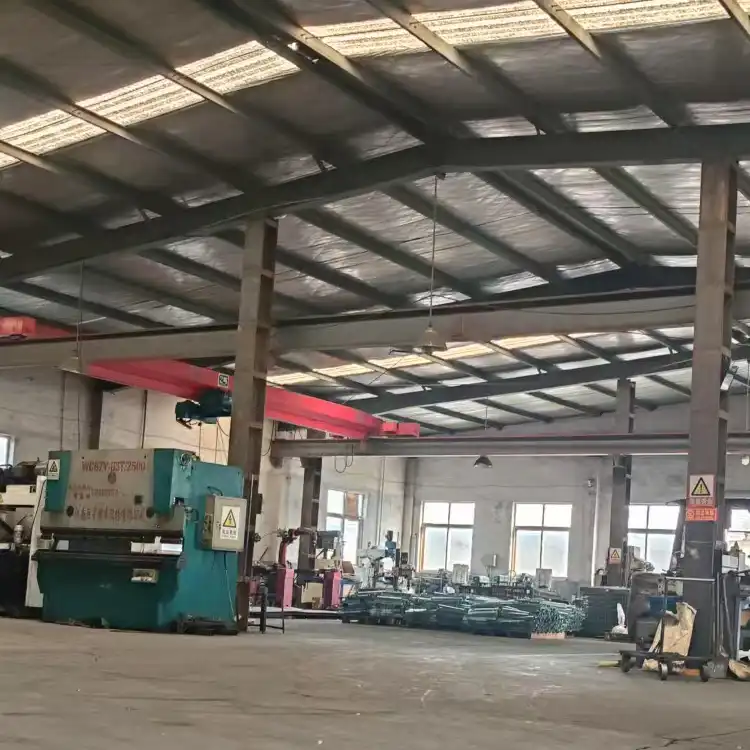
Contact RUIRUI for Premium Coupler Lock Solutions
RUIRUI Machinery specializes in manufacturing high-quality trailer security parts, like professional-grade coupler lock systems made for tough industrial uses. We can make a wide range of products using CNC machining, laser cutting, and special surface processes that make sure the quality and performance of the final product are the best. As a well-known coupler lock maker with ISO approval and a lot of experience in the field, we offer custom solutions for fleet operators, building companies, and companies that sell security equipment. Email our technical team at kshdhardware@qdkshd.com to talk about your unique needs and get full price quotes for large orders.
References
National Highway Traffic Safety Administration. "Trailer Coupling and Safety Systems: Technical Standards and Requirements." Federal Motor Vehicle Safety Standards Publication, 2023.
Society of Automotive Engineers. "Heavy-Duty Vehicle Trailer Coupling Mechanisms: Design and Performance Specifications." SAE International Technical Paper Series, 2022.
American National Standards Institute. "Trailer Ball Couplers and Locking Mechanisms: Safety and Performance Criteria." ANSI Standards Documentation, 2023.
International Organization for Standardization. "Road Vehicles: Trailer Coupling Systems Quality Management." ISO Technical Specification 16949, 2022.
Commercial Vehicle Safety Alliance. "Trailer Security Systems and Anti-Theft Mechanisms: Industry Best Practices." CVSA Technical Bulletin, 2023.
Transportation Research Board. "Fleet Management and Asset Protection: Trailer Security Technologies and Implementation Strategies." TRB Research Publication, 2022.

Send Inquiry
Related Industry Knowledge
- RV Lifting Machinery Jacks Trends in 2026 and Beyond
- How to Choose Custom Trailer Parts for Your Trailer
- Are drop hitches safe to use?
- What Are the Key Benefits of Using a Customizable Towing Eye Automotive Connector?
- Which tire sizes are compatible with Steel Tandem Fender?
- What is a rising bollard?
- How to fix metal fence?
- What are the benefits of zinc plating for D-shape pins?
- How does a lynch pin differ from a cotter pin?
- What industries commonly use link plates?