
Best 50mm Hitch Ball for Caravan and Trailer Towing
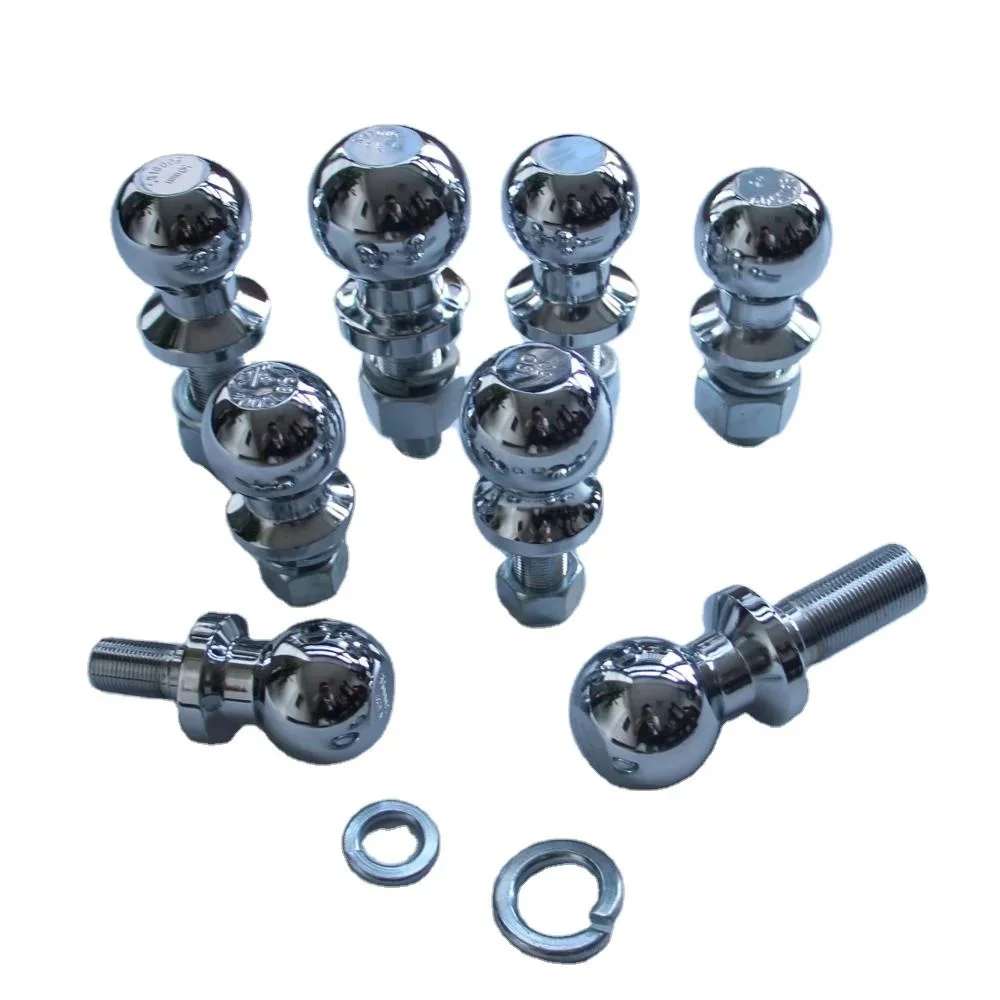
The best 50mm hitch ball for caravan and trailer towing is a forged steel connector designed to EN standards with a chrome or electroplated finish, capable of handling a 3,500kg load capacity. These precision-engineered components feature h13 tolerance fit for secure coupling, manufactured from high-strength steel with continuous grain flow for enhanced durability. Quality manufacturers like RUIRUI produce these critical towing components with advanced metallurgical processes and rigorous quality control systems.
Introduction
The right 50mm hitch ball can make the difference between a safe trip and a disaster on the side of the road when pulling a caravan or trailer. In many places, the 50mm diameter has replaced older imperial measurements as the standard in Europe, Australia, and other foreign markets. This standardisation handles important safety concerns while making different trailer systems compatible. It's very important to choose high-quality trailer hitch parts. Forged hitch balls are different from cast ones because they go through hot-forming processes that realign the steel's grain structure. Cast balls can develop stress cracks that are hard to see. This way of making things makes parts that are stronger in both tension and impact tests. Professional purchasing managers in the infrastructure, logistics, and recreational vehicle industries know that buying high-quality tow ball assemblies cuts down on liability risks and maintenance costs by a large amount. Today's towing needs parts that can work in harsh conditions and keep precise measurements. The best 50mm choices have advanced surface treatments, like electroplating or chrome finishing, that make them resistant to corrosion in salty seawater. It's clear that fleet operators, rental companies and OEM makers who need reliable trailer coupling solutions are having a hard time with these engineering improvements.
Why Focus on 50mm Hitch Ball Standards
The move toward 50mm hitch ball specifications around the world is part of a larger attempt to standardise transportation infrastructure. European EN standards set very strict tolerances for these parts, which ensures that they work the same way in all makers and applications. This standardisation gets rid of the confusion about compatibility that used to happen in foreign logistics. When making safety-critical parts, manufacturing accuracy is very important. For the 50mm diameter, the fit tolerances must be h13, and the clearances must be kept within ±0.005 inches to avoid binding and ensure a stable fit. Professional buyers know that these specs have a direct effect on operating safety and legal compliance in commercial towing applications. To make sure that their products are of the highest quality, manufacturers use testing methods that go above and beyond what the industry requires. Load testing, fatigue cycling, and corrosion resistance tests make sure that these parts work consistently in tough situations. When you forge metals in the right way, they have qualities that make them 20 to 30 per cent more resistant to impact than machined parts.
Selection Criteria for Professional Procurement
Material Composition and Manufacturing Process
The metallurgical features of a hitch ball are what make it good. High-quality medium-carbon steels, such as 1045 or 4140 alloy, have the best mix of strength, hardness, and ease of machining. Forging makes sure that the grains keep moving around the spherical shape, which gets rid of the weak spots that come with machined bar stock. The surface hardness ranges from 50 to 60 HRC, based on the treatment method. This amount of hardness is very good at resisting wear while still being tough enough for impact loading. Professional buyers look at these specs to make sure that the parts they're buying will work with the tasks they need to do. Heat treatment methods are very important for making sure that the mechanical properties stay the same. The microstructure works best when it goes through the right quenching and tempering processes. Good makers keep detailed metallurgical records for every batch of their products. This makes it possible to track and ensure quality throughout the supply chain.
Surface Treatment and Corrosion Protection
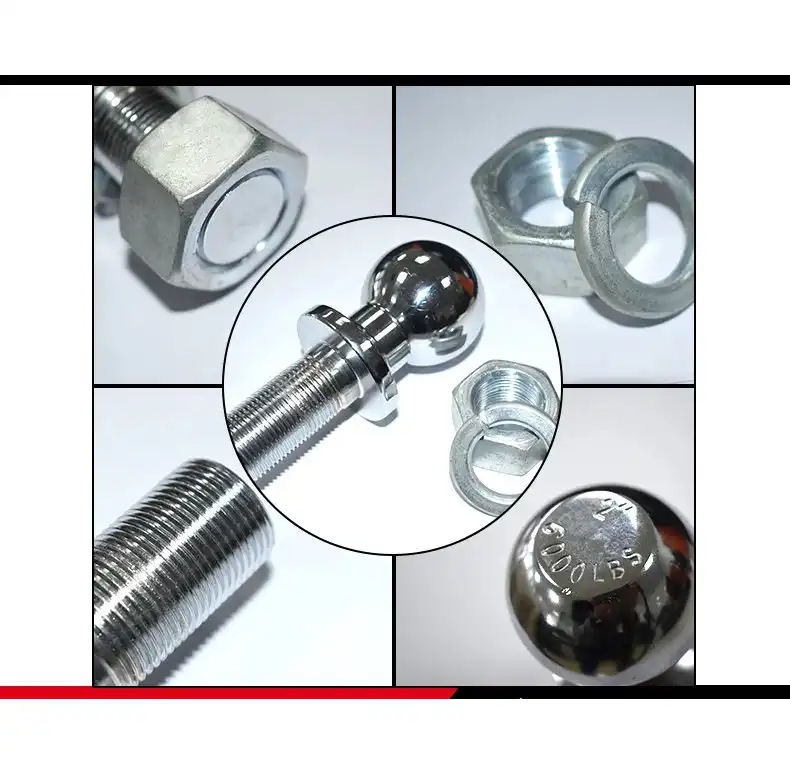
Electroplating represents 50mm hitch ball the gold standard for hitch ball surface protection. The copper-nickel-chrome stack provides exceptional corrosion resistance, targeting 700+ hours of salt spray resistance according to ASTM B117 standards. This performance level ensures reliable operation in marine environments and harsh weather conditions. Alternative coating options include zinc-nickel alloys and specialised automotive finishes. Each treatment offers specific advantages depending on the application environment. Professional procurement teams evaluate these options based on expected service life and environmental exposure conditions. The plating thickness and adhesion characteristics directly impact long-term performance. Quality manufacturers implement rigorous coating inspection protocols to ensure consistent coverage and proper adhesion. These quality control measures prevent premature coating failure that could compromise corrosion protection.
Load Capacity and Safety Factors
Professional-grade 50mm hitch balls typically handle Gross Trailer Weight ratings up to 3,500kg (7,700 lbs), depending on configuration. These ratings incorporate appropriate safety factors to account for dynamic loading conditions encountered during towing operations. The shank diameter and heat treatment specifications directly influence these capacity ratings. Engineering calculations consider both static and dynamic loading scenarios. Professional buyers evaluate these specifications to ensure adequate safety margins for their specific applications. Proper load rating verification prevents overloading situations that could lead to component failure. Quality manufacturers provide comprehensive load testing documentation for their products. This data enables procurement teams to make informed decisions based on actual performance rather than theoretical calculations. The testing protocols typically exceed industry requirements to ensure reliable operation under demanding conditions.
Top 50mm Hitch Ball Recommendations
RUIRUI Premium Forged 50mm Hitch Ball
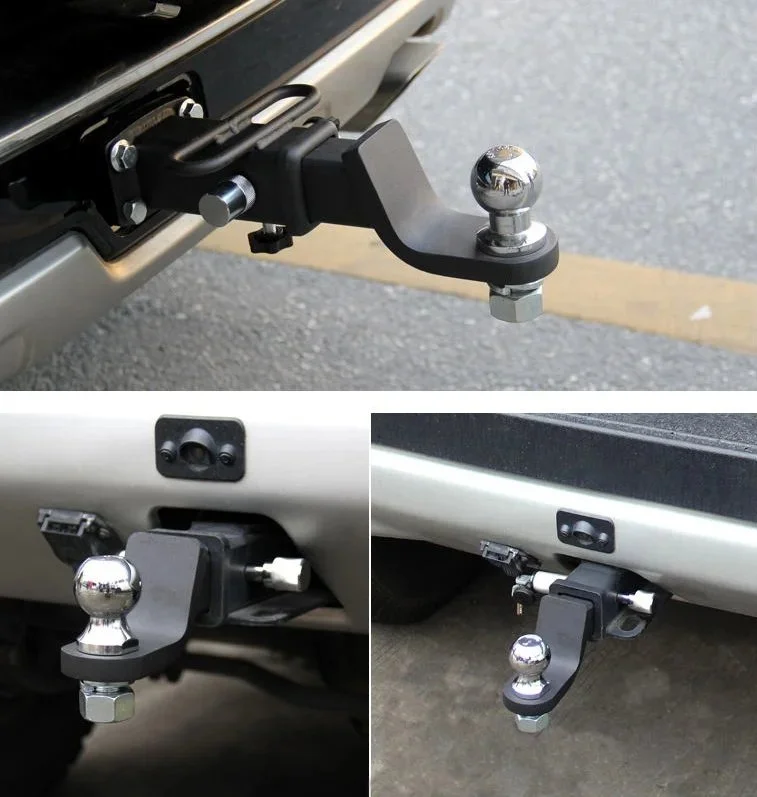
RUIRUI's premium offering represents the pinnacle of manufacturing excellence in trailer coupling technology. This component features high-strength steel construction with advanced forging processes that create superior grain structure alignment. The manufacturing facility in Qingdao implements ISO 9001-certified quality management systems, ensuring consistent product quality. The electroplating process utilises a multi-layer copper-nickel-chrome stack that provides exceptional corrosion resistance. Salt spray testing consistently exceeds 700 hours to red rust formation, making this component ideal for marine applications and harsh environmental conditions. The surface finish maintains its appearance while providing excellent wear resistance. Load capacity specifications reach 3,500kg with appropriate safety factors incorporated into the design. The shank construction utilises precision machining to ensure proper fitment with standard receiver assemblies. Multiple shank lengths accommodate different mounting configurations and user preferences. Quality control procedures include comprehensive dimensional inspection using coordinate measuring machines. Each production batch undergoes metallurgical testing to verify mechanical properties. The manufacturing process incorporates automated systems that ensure consistent quality while maintaining competitive pricing for bulk procurement. Professional packaging protects components during international shipping while minimising handling damage. The packaging design accommodates container-level shipments for distribution partners worldwide. Technical documentation includes installation instructions and load rating certifications for compliance verification.
Heavy-Duty Industrial Grade 50mm Ball
Industrial applications demand components that exceed standard performance requirements. This heavy-duty option features enhanced metallurgy with premium alloy steels that provide superior strength characteristics. The manufacturing process includes additional heat treatment cycles that optimise the microstructure for demanding applications. Surface treatment options include specialised coatings designed for industrial environments. The coating selection depends on specific environmental conditions and operational requirements. Quality manufacturers offer multiple coating options to address diverse application needs. Load ratings for industrial applications often exceed standard specifications. These components incorporate larger safety factors to account for the demanding conditions encountered in commercial operations. Professional buyers appreciate the additional margin of safety provided by these enhanced specifications. Quality assurance programs for industrial components include extended testing protocols. Fatigue testing simulates long-term operational conditions to verify component durability. These testing programs provide confidence in component reliability for critical applications. The manufacturing documentation includes comprehensive material certifications and test reports. These documents support compliance requirements for regulated industries. Professional procurement teams rely on this documentation for vendor qualification processes.
Marine Environment Specialised 50mm Hitch Ball
Marine applications present unique challenges that require specialised component design. Saltwater exposure accelerates corrosion processes, demanding superior surface protection systems. These specialised components feature enhanced coating systems specifically designed for marine environments. The base material selection considers the galvanic compatibility with marine hardware. Proper material selection prevents accelerated corrosion caused by dissimilar metal contact. Professional marine equipment manufacturers specify these requirements to ensure long-term reliability. Sealing systems prevent moisture intrusion into critical wear surfaces. These design features extend service life in demanding marine environments. The sealing approach varies depending on the specific application requirements and environmental conditions. Testing protocols for marine applications include extended salt spray exposure and cyclic corrosion testing. These procedures simulate actual marine service conditions to verify component performance. The testing results provide confidence in component reliability for marine applications. Installation considerations for marine environments include compatibility with stainless steel hardware. The component design accommodates the corrosion-resistant fasteners commonly used in marine applications. This compatibility ensures system-wide corrosion protection.
Global Market Characteristics and Regulations
European Standards and Compliance
European EN standards define comprehensive 50mm hitch ball requirements for trailer coupling components. These standards address dimensional specifications, load ratings, and testing protocols. Compliance with EN standards ensures compatibility across European markets while meeting safety requirements. The regulatory framework includes type approval procedures for commercial applications. These procedures verify component performance under standardised testing conditions. Professional buyers rely on these certifications to ensure regulatory compliance. Market preferences in Europe favour metric specifications and standardised interfaces. The 50mm diameter has become the dominant standard, replacing older imperial measurements. This standardisation simplifies procurement while ensuring component compatibility. Quality certification requirements include ISO 9001 and automotive-specific standards. These certifications provide confidence in manufacturing quality and process control. Professional procurement teams evaluate these certifications during vendor selection processes. Environmental regulations influence coating selection and manufacturing processes. These requirements drive innovation in surface treatment technologies. Manufacturers invest in environmentally friendly processes to meet regulatory requirements while maintaining performance standards.
Australian and Asia-Pacific Requirements
The Australian market features unique requirements driven by extreme environmental conditions and long-distance towing applications. These conditions demand components with enhanced durability and corrosion resistance. Professional buyers specify requirements that address these challenging conditions. Regulatory requirements include Australian Design Rules (ADR) compliance for commercial applications. These rules define safety and performance standards for trailer coupling systems. Component manufacturers must demonstrate compliance to access Australian markets. Market preferences favour robust construction and proven reliability. The harsh Australian environment tests component durability under extreme conditions. Professional buyers prioritise suppliers with demonstrated experience in demanding applications. Quality standards align with international requirements while addressing local conditions. These standards ensure component reliability under Australian operating conditions. Manufacturers adapt their testing protocols to address local requirements. Distribution networks in the Asia-Pacific region require reliable supply chain partners. Professional buyers evaluate supplier capabilities, including logistics experience and regional support. These factors influence long-term partnership decisions.
North American Market Adaptations
North American markets predominantly use imperial measurements, creating opportunities for metric standard adoption. The 50mm specification offers advantages in precision and international compatibility. Professional buyers appreciate these benefits for global operations. Regulatory compliance includes DOT requirements for commercial applications. These requirements address safety and performance standards for highway use. Component manufacturers must demonstrate compliance to access commercial markets. Market preferences emphasise performance and value in component selection. Professional buyers evaluate the total cost of ownership, including reliability and maintenance requirements. These factors influence procurement decisions beyond initial purchase price. Quality standards align with ASTM and SAE specifications where applicable. These standards provide familiar benchmarks for North American buyers. Manufacturers adapt their documentation to address local requirements and preferences. Supply chain considerations include local distribution and support capabilities. Professional buyers evaluate supplier networks to ensure reliable availability. These factors influence vendor selection for critical applications.
Purchasing Recommendations and Considerations
Professional procurement requires a comprehensive evaluation of supplier capabilities beyond product specifications. Manufacturing quality systems, engineering support, and logistics experience directly impact project success. Experienced buyers develop vendor qualification criteria that address these critical factors. Technical support capabilities become crucial for custom applications and troubleshooting. Quality suppliers provide engineering assistance throughout the project lifecycle. This support includes application guidance, installation assistance, and performance optimisation recommendations. Pricing structures should reflect total value rather than initial purchase cost. Quality components provide superior reliability and longer service life, reducing the total cost of ownership. Professional buyers evaluate these factors to make informed procurement decisions. Supply chain reliability ensures consistent product availability for ongoing operations. Quality suppliers maintain adequate inventory levels and backup production capacity. These capabilities prevent supply disruptions that could impact customer operations. Documentation and certification requirements vary by application and region. Professional suppliers provide comprehensive technical documentation, including test reports and certifications. This documentation supports compliance verification and quality assurance requirements.
Industry Trends and Summary
The global trailer coupling industry 50mm hitch ball continues evolving toward standardised metric specifications and enhanced safety requirements. Manufacturing technology advances enable superior metallurgical properties while maintaining competitive pricing for professional buyers. Automation in production processes ensures consistent quality while reducing lead times for urgent projects. Environmental considerations drive innovation in surface treatment technologies and manufacturing processes. Professional buyers increasingly specify environmentally responsible suppliers that meet regulatory requirements while maintaining performance standards. These trends create opportunities for manufacturers that invest in sustainable technologies and processes. The integration of advanced materials and manufacturing techniques continues to improve component performance and reliability. Professional procurement teams benefit from these advances through reduced maintenance costs and enhanced operational safety.
Conclusion
Selecting the optimal 50mm hitch ball requires careful consideration of metallurgical properties, manufacturing quality, and supplier capabilities. The investment in premium forged components with proper surface treatments provides superior reliability and safety compared to economy alternatives. Professional buyers who prioritise these factors achieve better operational outcomes while reducing long-term costs. The global standardisation toward metric specifications offers advantages in precision and international compatibility. Quality manufacturers like RUIRUI provide the engineering expertise and manufacturing capabilities needed for demanding B2B applications. Professional procurement teams benefit from partnering with suppliers that understand their specific requirements and provide comprehensive technical support throughout the project lifecycle.
RUIRUI Machinery delivers world-class 50mm hitch ball manufacturer excellence through advanced forging technology and ISO-certified quality management systems. Our Qingdao facility combines automated production capabilities with rigorous quality control, ensuring consistent performance for demanding B2B applications. Contact our technical team at kshdhardware@qdkshd.com to discuss your specific procurement requirements and discover how our engineering expertise can optimise your trailer coupling solutions.
References
1. Society of Automotive Engineers. "SAE J684: Trailer Couplings and Hitches - Automotive Type." SAE International Standards, 2019.
2. European Committee for Standardisation. "EN 1648-1: Leisure Accommodation Vehicles - 50 mm Nominal Diameter Coupling Balls for Caravans and Light Trailers." Brussels: CEN, 2018.
3. American Society for Testing and Materials. "ASTM B117-19: Standard Practice for Operating Salt Spray (Fog) Apparatus." ASTM International, 2019.
4. Australian Government Department of Infrastructure. "Australian Design Rules for Motor Vehicle Standards - Trailer Couplings and Safety Chains." Canberra: Commonwealth of Australia, 2020.
5. International Organization for Standardization. "ISO 3853: Road Vehicles - Trailer Couplings - 50 mm Ball Couplings." Geneva: ISO, 2017.
6. Miller, Robert J. "Metallurgical Considerations in Automotive Hitch Ball Manufacturing: A Comparative Analysis of Forging versus Casting Processes." Journal of Materials Engineering and Performance, Vol. 28, No. 4, 2019.

Send Inquiry
Related Industry Knowledge
- Steel Tread Plate Trailer Fenders for Car Hauler Trailers
- Trailer Hitch Pin Lock Corrosion Resistance: What to Look For
- What components are included in a 2-inch coupler repair kit?
- Can metal door lock hooks be used for both residential and commercial applications?
- How are metal fences made?
- What are the different types of hitch pins?
- How do you choose the right foot plate for a trailer jack?
- Where are hydraulic rising bollards used?
- What are the benefits of custom sheet metal boxes?
- What is a pump cover plate?