
Best Tow Ball Options for RV and Trailer Towing
The best tow ball options for RV and trailer towing include chrome-plated forged steel models in standard sizes (1-7/8", 2", and 2-5/16"), stainless steel variants for corrosion resistance, and heavy-duty options rated up to 10,000+ lbs. Professional-grade tow ball assemblies feature precision machining, proper load ratings, and secure mounting systems. Quality manufacturers offer OEM customization, ensuring perfect compatibility with various hitch receivers and trailer couplers for safe, reliable towing performance.
Introduction
Choosing the right tow ball is one of the most important decisions that RV owners and business haulers have to make. This spherical coupling part is the main mechanical link between your tow vehicle and trailer. It handles huge stress loads and keeps passengers safe on roads all over the world. If you choose a poor or improperly rated tow ball, it can cause more than just trouble. It can also cause the trailer to come apart, damage to your property and even death. Tow uses today need complex engineering solutions that balance the strength of the material, its resistance to corrosion, and the accuracy of its measurements. No matter if you're pulling a light utility trailer or a heavy-duty RV that weighs several tonnes, the tow ball has to work reliably in all kinds of weather. The best choice for your towing needs depends on things like the gross trailer weight, how the tongue weight is distributed, the climate, and how often it will be used.
Understanding Tow Ball Fundamentals and Selection Criteria
Choosing the optimal tow ball requires a comprehensive evaluation of multiple technical and operational factors. The selection process begins with understanding your trailer's gross tongue weight and the vehicle's maximum towing capacity. These specifications directly determine the minimum load rating required for safe operation.
Material Composition and Manufacturing Standards
Premium tow balls are made from either forged carbon steel or polished stainless steel. Forged units are heated to improve the grain structure and tensile strength, and marine environments are better suited to stainless steel choices that don't rust. The way a product is made has a big effect on its performance. For example, forged parts usually have better wear resistance than cast ones. Chrome plating is the normal way to treat the surface of carbon steel models. It makes them look nice and protects them from corrosion to a certain extent. The plating process makes a finish that looks like a mirror and keeps it from rusting while making joining operations go smoothly. Zinc-nickel metals and powder coating systems are examples of new coating technologies that make things last longer in harsh environments.
Load Rating Classifications and Safety Factors
Tow ball load ratings encompass both gross trailer weight (GTW) and maximum tongue weight specifications. Industry standards require safety factors of 2:1 or higher, meaning a ball rated for 5,000 lbs must withstand 10,000 lbs during standardized testing. These ratings correlate directly with ball diameter and shank dimensions. Quality assurance protocols mandate that each tow ball display permanent load markings. These stamps indicate maximum GTW, tongue weight limits, and compliance with SAE J684 standards. Purchasing decisions should prioritize units that exceed your current requirements, tow ball providing operational headroom for future towing needs.
Top-Rated Tow Ball Solutions for Professional Applications
Heavy-Duty Chrome-Plated Forged Steel Tow Ball
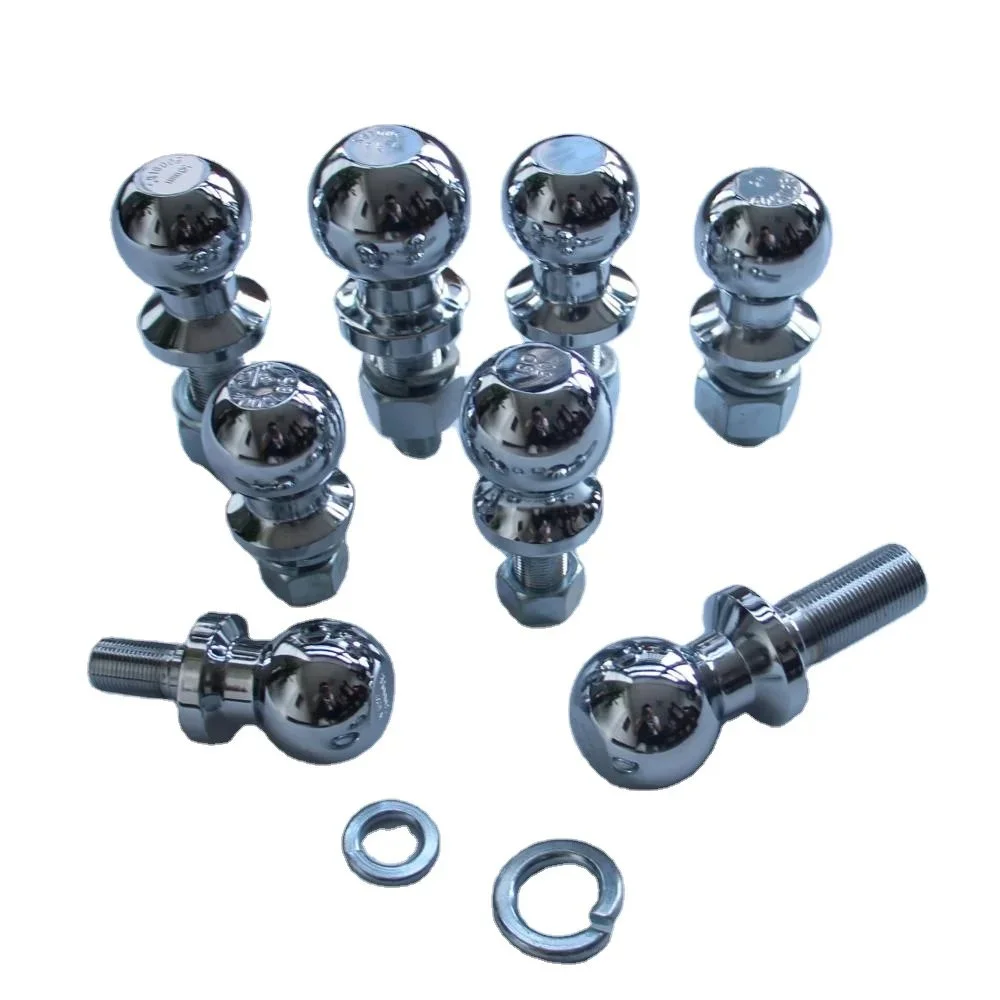
This professional-grade tow option is the standard for business and leisure uses that need the highest level of dependability. The unit is made of hot-forged carbon steel that has been heat-treated all the way through to get the best grain structure. Chrome plating is very good at stopping rust and keeping the smooth surface finish that is needed for the coupling to work properly. Some important specs include widths of 1-7/8", 2", and 2-5/16" to fit different trailer coupler sizes. Load ratings range from 2,000 pounds to 10,000 pounds, based on the size of the ball and how the shank is shaped. The forging method gets rid of the internal gaps and stress concentrations that happen with cast alternatives. This makes sure that the performance stays the same under changing loads.
As part of the installation process, the mounting nut must be tightened to the right torque, which is usually between 250 and 450 ft-lbs based on the shank diameter. The lock washer that comes with it keeps it from coming loose while it's in use, and the threaded shank fits normal ball mount receivers. Professional installers say that the mounting gear should be checked every so often and that marine-grade grease should be used to grease the ball's surface. This tow ball works great in situations where it will be used a lot, the weather changes often, and the trailer is big. The chrome finish meets the standards for appearance in business fleets and protects against corrosion well enough for most climates. This choice is a good one for fleet managers and individual owners who want proven dependability without having to pay a lot.
Stainless Steel Marine-Grade Tow Ball Assembly
Designed to withstand harsh coastal settings and extreme weather, this stainless steel tow ball is completely resistant to corrosion. 304 or 316-grade stainless steel is used throughout the unit, so there are no worries about oxidation like there are with coated carbon steel options. The material is resistant to salt spray and galvanic rusting, which makes it great for marine uses. Precision cutting from solid stainless steel bar stock is used in manufacturing instead of forging. This method makes sure that the measurements are correct and the surface is smooth, and it keeps the material's natural ability to fight corrosion. The machined surface doesn't need any extra protection, so it has a natural metallic look that gets better with age.
The load capacities are the same as those of forged steel counterparts, going up to 12,000 lbs for the largest diameter options. The stainless steel construction actually has better fatigue protection than chrome-plated options, especially in places where temperatures change and there is moisture exposure. Testing shows longer service life in salt spray situations that would damage coated steel units in just a few months. Standard steps are used for installation, and stainless steel mounting hardware is included. The lower thermal expansion rate of the material compared to carbon steel ensures that the torque stays the same at all temperatures. Professional uses include boat trailers, equipment haulers that work near coastlines, and recreational vehicles that are used in harsh conditions where the extra cost is worth it for the look and durability.
High-Capacity Precision-Machined Tow Ball for Commercial Use
This commercial-grade towing option is designed for situations where the most weight can be moved, and exact measurements are needed. The unit is made from quality carbon steel billets that were CNC-machined, which ensures that the tolerances and surface finish are exact. Protocols for heat treatment make the features of materials better so they can handle heavy-duty use for a long time. The gross weight of the trailer can be up to 15,000 pounds, and the tongue weight can be up to 2,250 pounds. These requirements cover big travel trailers, equipment haulers, and business uses where regular consumer-grade units aren't enough. The larger shank width and better thread engagement give you more safety margins for important tasks.
Multiple stages of chrome coating with nickel underlayers are used for surface treatment to improve adhesion and protect against corrosion. The plating method meets the standards of the automotive original equipment manufacturers (OEMs), which means it will last for a long time in commercial use. As part of quality control, magnetic particle inspection and proof tests are used to make sure that the structure is solid. Professional fleet managers like that the unit works with heavy-duty ball mounts and doesn't bend when it's loaded very heavily. Precision machining gets rid of the differences in size that happen with forged options, so the coupler works the same way on all types of trailers. Certifications and load test reports needed for business fleet compliance are included in documentation packages.
Global Market Characteristics and Regulatory Considerations
There are big differences between international tow markets when it comes to size standards, load rating methods, and safety approval needs. In North America, measurements are mostly given in imperial units (inches), while in Europe and Australia, they are more often given in metric units (millimetres). This difference makes things harder for global equipment makers and changes how they plan to make new products.In order to be legal in the European Union, towing parts must have the CE label and follow certain safety rules and testing procedures. As part of the certification process, plan calculations, material specifications, and quality methods for manufacturing are checked by a third party. In a number of ways, these rules go beyond North American ones, especially when it comes to fatigue testing and environmental concerns.
The Australian Design Rules (ADRs) have special rules that are based on the country's harsh weather and long-distance towing customs. Corrosion resistance standards take into account environments that are close to the coast and have a lot of humidity. Load testing methods take into account the heavy trailers that are common in Australian applications. These rules affect what products are chosen for global marketing networks.Standardized goods that meet a number of regulatory frameworks can do well in emerging markets in Asia and South America. Manufacturers that want to sell their products all over the world have to deal with different certification standards while keeping their prices low. This situation works in favour of businesses that can make a lot of different things to sell balls and have good quality tow ball control methods in place.
Purchasing Recommendations and Installation Considerations
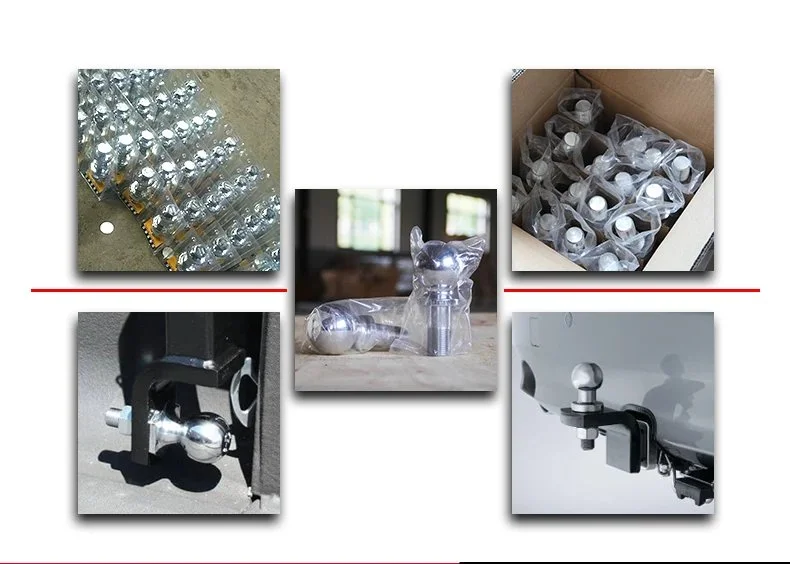
Professional procurement decisions should prioritize load rating margins, material quality, and manufacturer reputation over price considerations alone. A properly specified tow ball represents a minor investment compared to potential liability exposure from component failure. Quality units from established manufacturers provide documentation, warranties, and technical support that justify premium pricing. Installation requires adherence to manufacturer torque specifications and periodic inspection protocols. Proper mounting involves applying appropriate thread-locking compounds and verifying mount compatibility. Professional installation services ensure compliance with safety requirements while providing liability protection for commercial operators. Maintenance procedures include regular cleaning, lubrication, and visual inspection for wear or damage. Chrome-plated units require specific cleaning products that won't damage the surface finish, while stainless steel options tolerate more aggressive cleaning methods. Documentation of inspection activities provides legal protection and helps identify replacement requirements before failure occurs.
Compatibility Assessment Guidelines
Trailer coupler compatibility extends beyond simple diameter matching to include load rating coordination and dimensional verification. Mismatched components can create stress concentrations that compromise safety margins even when individual components meet specifications. Professional assessment involves reviewing complete system specifications rather than isolated component ratings. Ball mount selection directly impacts tow ball performance through load distribution and mounting rigidity. Inadequate ball mount capacity creates a weak link that negates premium tow ball specifications. Integrated system design ensures optimal performance while maintaining manufacturer warranty coverage.
Environmental Protection Strategies
Tow ball covers provide essential protection during storage periods, preventing corrosion and contamination that compromise performance. Quality covers accommodate various ball sizes while providing weatherproof sealing. Investment in protective accessories extends component life while maintaining appearance standards for commercial applications. Regular application of marine-grade grease reduces wear while providing corrosion protection for the coupling interface. Professional maintenance schedules incorporate lubrication intervals based on usage frequency and environmental exposure. These preventive measures significantly extend service life while ensuring optimal coupling performance.
Industry Trends and Market Evolution
Contemporary towing industry developments emphasize tow ball integrated system design and advanced materials technology. Manufacturers increasingly offer complete towing solutions rather than individual components, ensuring compatibility and optimizing performance across entire systems. This trend reflects growing recognition that towing safety depends on comprehensive system engineering rather than isolated component strength. Advanced manufacturing techniques, including automated forging and precision CNC machining, enable tighter tolerances and improved surface finishes. These capabilities support the development of higher-capacity units while maintaining compact dimensions. Quality improvements benefit both commercial fleet operators and recreational users seeking maximum reliability.
Conclusion
Selecting optimal tow ball solutions requires careful evaluation of load requirements, environmental conditions, and application-specific demands. Quality units from reputable manufacturers provide the reliability and safety margins essential for professional towing operations. Investment in premium components delivers long-term value through extended service life, reduced maintenance requirements, and enhanced safety performance. Professional procurement decisions should prioritize comprehensive system compatibility over isolated component specifications. Proper installation, regular maintenance, and adherence to manufacturer guidelines ensure optimal performance while protecting against liability exposure. The evolving towing industry continues advancing toward integrated solutions that optimize safety and performance across complete towing systems.
FAQ
1. What tow ball diameter do I need for my trailer?
Trailer coupler specifications determine the required tow ball diameter. Common sizes include 1-7/8" for light trailers under 2,000 lbs, 2" for medium trailers up to 5,000 lbs, and 2-5/16" for heavy trailers exceeding 6,000 lbs. Always verify your specific trailer's requirements before purchasing.
2. How often should I replace my tow ball?
Professional inspection every 10,000 miles or annually reveals wear patterns requiring replacement. Visible deformation, chrome plating damage, or dimensional changes indicate immediate replacement needs. Commercial applications may require more frequent inspection based on usage intensity.
3. Can I use a higher-rated tow ball than my trailer requires?
Using higher-rated tow balls provides additional safety margins without compromising performance. Ensure ball diameter matches your trailer coupler exactly while load ratings meet or exceed trailer specifications. Oversized load ratings offer protection against unexpected loading conditions.
Partner with RUIRUI for Premium Tow Ball Manufacturing Solutions
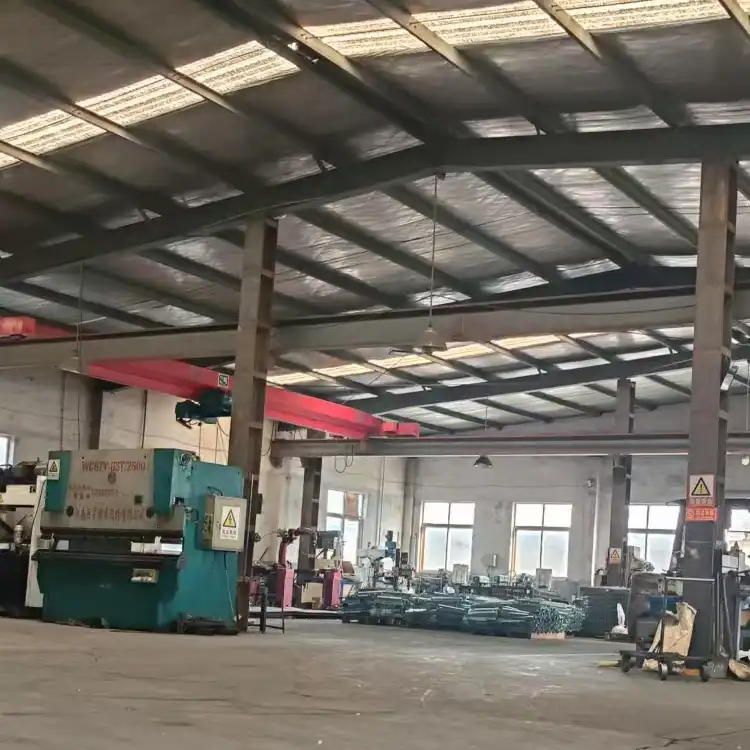
RUIRUI Machinery delivers exceptional tow ball manufacturing expertise through advanced metal fabrication capabilities and comprehensive quality assurance systems. Our ISO-certified production facilities combine precision CNC machining, automated forging processes, and rigorous testing protocols to produce tow ball assemblies that exceed international safety standards. With specialized experience serving infrastructure contractors, security system integrators, and global distributors, RUIRUI provides OEM customization services that address unique procurement requirements while maintaining competitive factory-direct pricing for bulk orders and long-term supply agreements.
Contact our technical team at kshdhardware@qdkshd.com to discuss your specific tow ball supplier needs and discover how our manufacturing capabilities can enhance your product offerings.
References
1. Society of Automotive Engineers. "Surface Vehicle Standard J684: Trailer Couplings and Hitches - Automotive Type." SAE International Standards, 2019.
2. National Institute of Standards and Technology. "Mechanical Properties of Structural Steels Used in Automotive Applications." NIST Special Publication 960-15, 2018.
3. American National Standards Institute. "Safety Requirements for Towing and Recovery Equipment." ANSI/ACCT Standard Z359.4-2017.
4. International Organization for Standardization. "Road Vehicles - Trailer Connectors for the Electrical Connection of Towing and Towed Vehicles." ISO 11446:2020.
5. European Committee for Standardization. "Agricultural and Forestry Machinery - Coupling Ball - Test Methods and Acceptance Criteria." EN 15827:2019.
6. Australian Standards. "Automotive Engineering - Trailer Coupling and Safety Chain Attachments." AS/NZS 4177.5:2021.

Send Inquiry
Related Industry Knowledge
- How to Use a Coupler Lock?
- Trailer Coupler Performance Factors: Strength, Fit, and Compliance
- Why High-Strength Trailer Ball Design Improves Towing Safety?
- Custom Trailer Accessories for Food Trucks & Promotional Trailers
- Heavy Duty Hitch Tightener For 1.25 & 2 Inch Tow Trailer Hitches U Bolt Ball Mount Stabilizer Wobble Carrier Anti-Rattle Clamp
- How Can Special-Shaped Forging Custom Auto Parts Improve Vehicle Performance and Longevity?
- How Can a High-Quality Car Trailer Ball Towing Hitch Boost Your Business?
- Can a gooseneck hitch ball be threaded and bolted through the plate?
- What are metal fasteners?
- Are retractable bollards suitable for all security levels?