
How to Identify and Replace a Worn-Out Trailer Coupler?
Finding and replacing a trailer coupler that is worn out is a key part of staying safe on the road and avoiding terrible crashes. The most important piece of hardware between your pull car and trailer is the trailer coupler. When you speed up, slow down, or turn, it moves the loads. Cracks, rust, or a latch that won't close properly are all signs that this part has been used too much. It needs to be changed to meet safety standards and stay out of trouble with the law. People who work in buying and are in charge of company fleets need to set up regular check times to find worn trailer couplers before they damage equipment, lose goods, or cause accidents at work.

Understanding Trailer Couplers and Their Critical Role
What Makes a Trailer Coupler Essential
Trailer couplers are the main way that tow systems join mechanically. They are made to safely connect trailers to pull cars and still be able to handle forces that change during use. It is important that these parts can handle a lot of stress from the load's weight, road noise, and changes in direction. There are many safety features on modern trailer couplers, such as locking pins, close devices, and safety chain connection spots, which make them double fail-safe.
Key Components of Trailer Coupling Systems
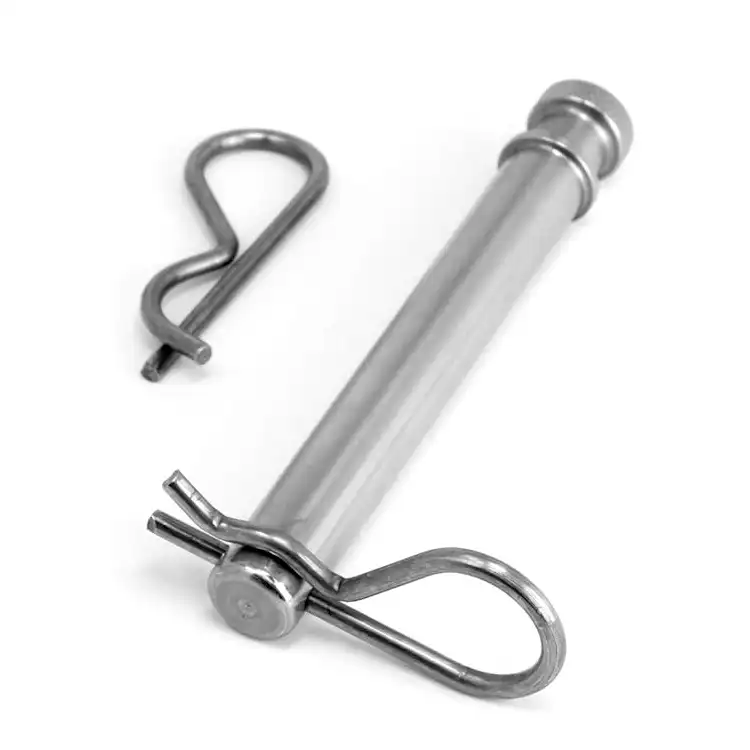
There are many parts to a full connection system that all work together and depend on each other. The hitch ball is connected to the trailer coupler body, which is then connected to the A-frame of the trailer. Most of the time, ball trailer couplers are used for light to medium-duty tasks. They have latches that can be adjusted to fit standard 1-7/8", 2", or 2-5/16" diameter balls. Pintle hooks are another type that is common in heavy-duty and military settings because they are more durable and flexible in harsh conditions. The trailer coupler pin acts as an extra locking mechanism that keeps the latch from accidentally releasing due to vibrations or mechanical stress—this is a safety feature required by SAE J684 standards. Lunette rings are a unique option that is often used with pintle hitches in construction and farming equipment.
Weight Ratings and Safety Classifications
Gross trailer weight (GTW) ratings help you choose the right trailer coupler systems. Class I trailer couplers can hold up to 2,000 pounds, which is enough for small utility trailers. Class II trailer couplers can hold up to 3,500 pounds, which is enough for boat trailers and small campers. Class III trailer couplers can handle loads between 3,500 and 8,000 pounds, and Class IV designs can hold up to 10,000 pounds for heavy cargo and larger recreational vehicles. Class V trailer couplers can hold more than 10,000 pounds, which is needed for commercial hauling. Choosing a trailer coupler with the wrong weight rating is dangerous and usually illegal.
How to Identify a Worn-Out Trailer Coupler - Signs and Safety Risks
Physical Damage Indicators
Outward Signs of Damage: Cracks in the trailer coupler body, especially near stress points like mounting holes or the ball socket, show metal fatigue that makes the structure weaker. Surface rust that is deeper than light discoloration means that corrosion is getting into the load-bearing material and lowering its effective cross-sectional area and strength. Parts that are bent or deformed, whether from impact damage or overloading, change the geometry needed for the hitch ball to engage properly. Paint flaking around welds or mounting brackets may show underlying corrosion or stress cracking that isn't visible on coated surfaces.
Functional Performance Issues
The trailer coupler and hitch ball should not move too freely, as heard when towing. If the latch doesn't work properly or requires too much force, it could be because the pivot points are worn, the springs are worn, or there is debris buildup that is making the mechanism less effective. Trailer coupler pins that don't fit securely through the latch holes could be because the pin diameters are worn or the holes are getting bigger from repeated stress. Safety chain attachment points with long holes or cracks are also signs of failure that need to be fixed right away.
Safety Risks and Liability Concerns
Failures in trailer coupler systems can cause more problems than just safety risks. When trailers separate, vehicles can fly off, hurting people or even killing them. The National Highway Traffic Safety Administration says that coupling failures are a cause of thousands of tow-related accidents every year. Companies that don't do proper maintenance can be sued for injury claims and fines, which can cost them a lot of money. Insurance coverage may also be denied when accidents happen because of documented maintenance failures. To show that safety rules are being followed, fleet managers and procurement professionals need to set clear inspection and replacement protocols.

Step-by-Step Guide to Replacing a Trailer Coupler
Required Tools and Safety Preparation
To avoid hurting yourself or damaging parts while replacing a trailer coupler, make sure you have the right tools. These include socket wrenches that fit the trailer coupler mounting bolt sizes (usually 1/2" to 3/4"), penetrating oil for rusted fasteners, wire brushes for cleaning the surface, torque wrenches for properly tightening fasteners, and jack stands that are rated for your trailer's weight. For safety, make sure you have work gloves, safety glasses, and wheel chocks to keep the trailer from moving. Park the trailer somewhere stable and away from traffic to have a stable place to work. To keep the wires from getting damaged while taking the trailer apart, disconnect any electrical connections to the clearance lights that are mounted on the A-frame.
Removal Process for Different Trailer Types
Different types of trailers have slightly different steps for removing the trailer coupler, but the basic steps are always the same. Using jack stands to support the trailer tongue while the trailer coupler is being removed lowers the risk of breaking mounting bolts. Care must be taken when removing the existing bolts, especially with rusted hardware that is likely to round or shear. If the bolts won't come off, heating them with a propane torch can break the corrosion bonds, but be careful around painted surfaces or plastic parts. Some trailers have riveted trailer couplers that need to be drilled out, which means that bolt-through replacements need to be carefully lined up. Checking the A-frame mounting surface after removing the trailer coupler shows any metal damage or corrosion that needs to be fixed before the new part is put in.
Selecting the Correct Replacement Coupler
It's important that the replacement trailer coupler meets or exceeds the original equipment weight rating based on the heaviest load that your trailer can hold. The trailer coupler's durability depends on the material it's made of; steel trailer couplers are the strongest, stainless steel trailer couplers are the most corrosion-resistant in marine environments, and aluminum trailer couplers are lighter for some uses. The trailer coupler channel size must match the width of your A-frame; the most common widths are 2", 3", and 3-1/2". It is important to make sure that the ball size fits the hitch ball width of your tow car. A lot of professional businesses need trailer couplers with parts made of solid steel that are built in to close and protect against wear and theft.
Installation and Testing Protocol
The safest and most useful way to store something is in the right way. For the new trailer coupler to fit on the A-frame, the mounting holes need to be lined up so that the parts can be put on without having to be pushed together. Putting anti-seize powder on the threads of grade 8 bolts makes them easier to take off in the future and keeps them from coming loose when you shake them. For each bolt size and trailer coupler brand, the force needs are different, but they are generally between 30 and 75 ft-lbs. These steps must be followed carefully to get the right amount of force to hold things together without breaking any. In order to make sure the latch works properly, the trailer coupler needs to be lowered onto the hitch ball several times. Also, make sure the trailer coupler pin is in place and locked securely, and safety chains are securely connected. The trailer's regular weight was used to test the joining system. It didn't make any strange noises or move in any strange ways.
Maintenance Tips to Extend Trailer Coupler Lifespan
Routine Inspection Schedule
Sets of rules for a thorough examination find issues before they get so bad that they need to be changed right away. Part of the pre-trip checks should be looking for obvious damage, making sure the latch works, and making sure the trailer coupler pin is in the right place. Every month, commercial fleets should get a full checkup. This includes taking pictures of the trailer couplers' condition, using calipers to measure the wear on the ball sockets, making sure the mounting bolts are tight enough, and, if needed, using dye penetrant testing to look for cracks that are starting to form. When trailers are used in rough conditions, the trailer couplers may need to be taken off once a year so that the insides can be cleaned and checked.
Cleaning and Lubrication Best Practices
If you do the right steps during repair, parts will last much longer and processes will be more effective. When you clean the latch and ball socket, you get rid of salt buildup, rough road grit, and other things that have grown up and make it wear out faster. A wire brush and a cleaner are used to clean surfaces so they are ready to be greased. On the inside of the ball socket, marine-grade grease stops the metal from meeting while it moves. Grease made from lithium works best on the spring systems and key points of the latch. By not lubricating too much, you can keep dirt from building up, which speeds up wear. While trailer couplers are used in saltwater, they need to be rinsed with clean water and then dried and cleaned right away to stop rust from forming.
Corrosion Prevention Techniques
Eco-friendly tips are especially useful for vans that work near the water, on roads that freeze over in the winter, or in workshops. Powder coating is better at keeping out rust than regular paint, and it also keeps water out. Zinc protects galvanized steel trailer couplers, but the layer goes off over time when they are out in the weather. Regularly putting rust inhibitors on both the outside and the inside of things slows down the rusting process. Trailers stay out of the weather when they're not in use when they're under cover, and the trailer couplers stay out of the water when they sit on the ground. Some companies use marine-grade lanolin-based treatments to make moisture shields that last a long time but need to be repeated every so often.
When to Consider Upgrading
Sometimes it's better to upgrade the parts than to buy new ones when fixing something costs a lot and making it work better is important. Trailer couplers have self-adjusting latch devices that take into account wear and tear. This makes it possible for longer periods of time between service visits. It's easier to put electric brakes on trailers when the models come with links for stopping systems already built in. Building something heavy-duty with bigger walls and stronger fixing plates works well for jobs that often get close to weight limits. Important things can't be stolen because they have trailer couplers that work with current locking systems that use keys. If you need to repair something, make sure that your wants have changed since the old equipment was put in. This can often help you figure out how to make the things you use more useful, safer, or less maintenance-intensive.

Conclusion
Trailer hookup systems need to have parts that are the right size and type changed when they show signs of wear. When people who work in procurement know about the different kinds of trailer couplers, how they break, and how they are rated based on weight, they can set up systematic checking processes that keep violations of safety rules and laws from happening. Don't worry if you think the repair process is easy; you just need to make sure you pay close attention to the power requirements, the material choice, and the functional tests. As part of regular care, things can last a lot longer and cost less to own if they are cleaned, oiled, and kept from rusting. Buyers in business who are in charge of cars and factories can get the best deals on goods by building strategic relationships with manufacturers that offer technical support, the ability to create products, and consistent quality standards.
FAQ
How Often Should Trailer Couplers Be Inspected?
How often and how the machine is used determine how often checks need to be done. Every business trip should start with an eye check, then a detailed check every month to measure wear, and finally a full check once a year, which could include taking things apart for an internal review. People who use it for fun might fix it up before the season starts or before a long trip. Trailers that are used in places that are acidic, like by the sea, with winter road salt, or where chemicals are present need to be inspected more often.
What Distinguishes Ball Couplers from Pintle Hook Systems?
A round hitch ball fits into a socket system in a ball connection. It's easy to move quickly with them, and their 2-inch balls can hold up to 12,000 pounds of weight. The handle on a pintle hook is shaped like a horn and fits into a lunette ring. This gives them more vertical range of motion for use off-road, makes them stronger in rough situations, and makes it easier to connect when the car isn't lined up right. In the military and in construction, pintle systems are most common. On the other hand, ball trailer couplers are most common for pleasure and light business pulling.
Can Organizations Perform Coupler Replacement In-House?
You can replace a trailer coupler if you have the right tools, technical know-how, and legal concerns in mind. The mechanics process is still simple enough for service people who know how things work and have the right tools. But companies need to make sure they follow the right torque specs, buy the right new parts, and stick to the rules for paperwork for parts that are very important for safety. It's better for some businesses to hire a professional to do the job so that everyone knows their part and the guarantee stays true. This is especially important for trailers that are valuable or have specific uses.

Partner with RUIRUI for Reliable Trailer Coupler Solutions
While RUIRUI Machinery is making trailer couplers and other parts, they make sure that they are built to last in harsh industrial environments. B2B buying professionals need parts that meet very high quality standards. We can do that because we have advanced production skills like progressive stamping, CNC machining, and many different finishing processes. For safety on the job and to make sure tools work, we know how important connection devices are. Our skilled team is here to help you with every step of the buying and customization process, whether you need a lot of standard setups or solutions that are made just for you. Our flexible manufacturing method can handle both big orders (containers) and smaller batch needs. Plus, our quality systems are ISO-certified to make sure that production standards are always met. If you know how to ship things around the world, you can get them quickly to shipping areas in North America, Europe, and other places. When you email our team at kshdhardware@qdkshd.com, you can talk about your specific needs with trailer coupler providers who know how to meet the high standards for industrial pulling.
References
- National Highway Traffic Safety Administration. "Trailer Coupling Systems Safety Standards and Compliance Requirements." Federal Motor Vehicle Safety Standards Publication, 2022.
- Society of Automotive Engineers. "SAE J684: Trailer Couplings and Hitches Performance Standards and Testing Protocols." SAE International Standards Documentation, 2021.
- American Welding Society. "Structural Welding Code for Sheet Steel: Application in Trailer Component Manufacturing." AWS D1.3 Specification Manual, 2020.
- International Organization for Standardization. "ISO 9001 Quality Management Systems: Requirements for Metal Fabrication Industries." ISO Standards Compendium, 2023.
- Trailer Equipment Manufacturers Association. "Best Practices for Trailer Coupler Maintenance and Inspection in Commercial Fleet Operations." TEMA Technical Guidelines, 2022.
- Materials Science Institute. "Corrosion Prevention Strategies for Steel Components in Marine and Road Salt Environments." Advanced Materials Protection Journal, Volume 18, 2021.

Send Inquiry
Related Industry Knowledge
- Best Trailer Coupler Manufacturer for Boat and Utility Trailers
- Best Trailer Hitch Pin Lock for Heavy-Duty Towing
- Custom Electrogalvanized U-bolts: How to Match Your Project's Exact Size & Load Needs?
- How Can a Custom Forged Auto Parts Yoke Improve Driveshaft Performance?
- What Are the Key Benefits of Using a Customizable Towing Eye Automotive Connector?
- Can these Steel Tandem Teardrop Fenders be painted or coated?
- What is a pump cover plate used for?
- What Materials Are Air Conditioner Support Stands Made From?
- The Role of Removable Bollards in Event Management and Crowd Control
- How do you maintain or inspect link plates?