
How to Install an Anti-Rattle Hitch Tightener (Step-by-Step Guide)
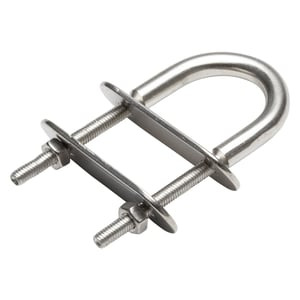
A U-bolt clamp assembly is secured around your hitch receiver and inserted shank to eliminate unwanted play and vibration when you install an anti-rattle trailer hitch tightener. This mechanical stabilizer clamps down directly on the receiver tube, turning a connection that would normally be loose between several pieces into a rigid, noise-free towing system. It only takes ten minutes to install correctly and only needs basic hand tools. But the benefits of less noise, better safety, and longer equipment life make it an important upgrade for commercial fleets and heavy-duty towing operations.
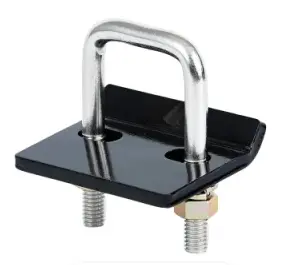
Understanding the Trailer Hitch Rattle Problem
The Root Cause of Hitch Noise
The rattle from a trailer hitch is caused by the necessary manufacturing tolerance between the receiver tube and the towing mount that is inserted. This gap is usually between 1/16 and 1/8 of an inch wide. It makes installation easy and gives the part room to move while it's working. The clanking sound is made when your car drives over uneven ground. This play causes metal to repeatedly hit metal, which makes the sound. This constant percussion is more than just annoying; it wears down the metal on the receiver pin hole and puts sensitive cargo through too many G-force spikes.
Recognizing Problem Symptoms
If you hear clunking sounds when you speed up or slow down, see the hitch insert moving inside the receiver, or notice early signs of wear on the walls of the receiver, you need to pay attention right away. Commercial fleet managers should see these signs as warnings that they need to be fixed right away. The receiver-insert mismatch is a big problem when there is a cantilevered load, like when bike racks or cargo carriers make small movements into big ones at the load end. Heavy-duty towing operations have to deal with hammering effects when they have to stop quickly. These effects happen when dynamic shock impacts weaken the shape of both the receiver tube and hitch pin.
Why Anti-Rattle Devices Outperform Alternatives?
By reducing looseness, increasing stability, and boosting safety through direct mechanical constraint, an anti-rattle trailer hitch tightener can help with these problems. Dedicated anti-rattle tighteners are more reliable and reduce noise better than alternatives like basic hitch locks that are mostly used for security or rubber inserts that get worn down and compress over time. The heavy-duty U-bolt and tightening plate mechanism makes a static friction bond that turns your multiple-piece tow assembly into a single, rigid structure. This way of thinking about engineering works great for tough commercial towing jobs where equipment safety and longevity directly affect your bottom line.
Selecting the Right Anti-Rattle Hitch Tightener for Your Fleet
Material Considerations and Construction Quality
To pick the right hitch stabilizer, you need to look at the construction standards and material architecture. Heavy-duty carbon steel or stainless steel is used for the U-bolt part of high-performance units so that it can withstand the shear forces that are common in commercial settings. The tightening plate should be made of powder-coated steel that is at least 0.30 inches thick so that it doesn't bend when torque is applied for a long time. Electro-galvanization or black electrophoretic deposition followed by powder coating are two surface treatments that can make a big difference in how long something lasts. These treatments make sure that the unit can pass strict salt spray tests, which protects it from road salts and de-icers that speed up corrosion in fleet environments.
Devices made with 0.45-inch to 0.50-inch diameter U-bolts that have rolled threads for extra strength are best for commercial use. When high-frequency road vibrations happen, Nyloc nuts or heavy split lock washers keep things from coming loose. This is especially important for vehicles that go on long trips or through rough terrain. When evaluating suppliers, procurement teams should make sure that the units are the right size for the receiver classes they are looking at, such as Class I through IV for 1.25-inch to 2-inch receivers or Class V for 2.5-inch to 3-inch commercial-grade hitches.
Comparing Operational Features Across Brands
Leading manufacturers of trailer hitch tightener offer a wide range of options that can be used in a variety of situations. For standard uses, manual tightening systems are easy to use and reliable. Some heavy-duty models have improved leverage mechanisms that give them the most clamping force. When procurement teams compare things like price, toughness, and how easy something is to install, they should look at the total cost of ownership instead of just the purchase price. A unit that costs 30% more but lasts twice as long because it is more resistant to corrosion is a better value over its whole life.
The way your fleet works should be taken into account in the selection process. Vehicles that are often used near the coast need the best corrosion protection, which is why building with stainless steel is worth the extra money at first. Off-road and construction fleets look for tires that can withstand impacts and keep their clamping force when they are under torsional stress. Universal-fit designs make it easier to keep track of inventory in distribution operations with vehicles that are used for more than one thing. Knowing these operational details helps purchasing managers make smart choices that meet the towing needs of their fleet and stay within their budget.
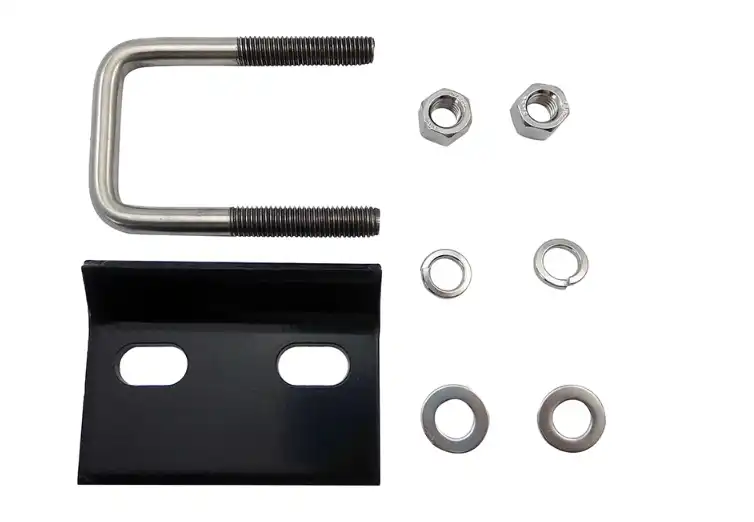
Step-by-Step Installation Guide for Anti-Rattle Hitch Tighteners
Pre-Installation Preparation and Safety Protocols
A successful installation starts with the right planning and putting together of the tools. You will need safety glasses, work gloves, a torque wrench, and a socket set that fits the size of your U-bolt nut. Make sure your car is on level ground and put the parking brake on. Prior inspections set standards for hitch conditions to make sure they are compatible. Check the receiver tube for excessive wear, cracks, or deformation that could make the tightener less effective. Thoroughly clean the inside of the receiver tube and your hitch plug, getting rid of any dirt, rust, or other things that might get in the way of the locking action.
Detailed Installation Procedure
First, put your hitch-mounted accessory or ball mount into the receiver tube the way you normally would, making sure it slides all the way into place. If you are replacing an anti-rattle device that is already there, you can safely take it apart by loosening the nuts in a cross pattern. To set up your new hitch stabilizer, press the flat plate against the bottom of the receiver tube and thread the U-bolt around the inserted shank. The U-bolt ends should fit through the holes in the tightening plate without having to be pushed or threaded through more than once.
Hand-tighten the nuts initially to hold the assembly in position, then use your torque wrench to tighten alternately in a diagonal pattern. This approach ensures even pressure distribution across the clamping surface. Tighten to the torque level recommended by the manufacturer. For most uses, this is between 20 and 30 foot-pounds, but higher values may be needed for heavy-duty commercial units. Too much torque can damage the plate or strip the threads, while too little torque lets the system move.
Post-Installation Testing and Verification
Testing after installation confirms that the rattle is gone and that the device works properly. Hold the hitch insert and try to move it up and down and side to side inside the receiver. Units that are properly installed should not have any play that can be felt. Take the car for a short test drive on a variety of road surfaces and listen for any noise that might still be there. If the rattling keeps happening, check the torque specs again and make sure the U-bolt is in the right place around the insert, not against the receiver tube.
Common Installation Mistakes to Avoid
Knowing about common mistakes cuts down on the time needed to fix problems and makes sure the device works at its best. When the U-bolt contacts the receiver tube instead of the insert because it is not aligned correctly, stress builds up and the clamping doesn't work. When the device is installed without the contact surfaces being cleaned well, debris builds up and stops full compression. The most common mistake is under-tightening—what feels tight when you're holding it may not be enough when the vehicle is moving. On the other hand, using impact tools to tighten too much can damage threads or crack welds in cheaper units. Following the torque specs provided by the manufacturer takes the guesswork out of things and makes sure that everyone in your fleet gets the same results.
Maintenance and Long-Term Performance Optimization
Routine Inspection Protocols
Regular inspections and maintenance for trailer hitch tightener are important for longevity, especially in commercial fleets where safety is directly linked to how well the vehicles work. Set up an inspection time for heavy-duty vehicles that is either every 500 miles or once a month, whichever comes first. During these checks, make sure that the nuts are still properly torqued and that the U-bolt doesn't show any signs of coming apart or thread wear. Finding wear, corrosion, or loosening early on keeps things from breaking down and causing costly downtime that could put assets that make money out of commission.
Complementary Performance Enhancement Strategies
In addition to basic inspection, complementary strategies for reducing noise improve the performance of the whole system. Using marine-grade grease to regularly grease hitch pins and receivers stops them from galling and makes future installations easier. Putting anti-corrosion coatings on bare metal surfaces makes parts last longer in harsh conditions. When you use good hitch locks, you increase security and stability. All of these things work together to make a complete maintenance plan that keeps your fleet's assets safe and improves the stability of your tows over time.
Fleet managers should document maintenance activities in equipment service records, noting torque verification dates and any observed wear patterns. This approach, which is based on data, lets you plan maintenance ahead of time and find problematic vehicles that need more frequent attention. When tighteners keep coming loose on certain vehicles, look into what's causing it, like receiver tube dimension issues or too much bed bounce that causes abnormal stress. Setting up regular maintenance procedures guarantees consistent performance and shows that you did your research for insurance and liability reasons.
Procurement and Purchasing Guidance for Trailer Hitch Tighteners
Strategic Supplier Selection
When buying hitch stabilizers from B2B procurement teams, they need to look at more than just the unit price when judging suppliers. Reliable manufacturers with well-established quality control systems make sure that their products always work the way they're supposed to, which stops expensive failures in the field. We make these important parts at Qingdao RUIRUI Machinery Co., Ltd. using Grade 8 steel and stainless steel that has been galvanized or coated with Dacro. Our trailer hitch tightener units are certified to meet the requirements of ISO 4032 and DOT FMVSS 121, which are needed for your procurement paperwork.
Volume Purchasing Advantages
Online wholesalers and direct manufacturers often offer discounts for large orders and the ability to customize orders, which is great for fleets. Our low minimum order quantity of 1,000 pieces lets serious business buyers buy from us while still letting us offer competitive factory-direct prices. When you buy in bulk, you save money on each unit and make sure that you always have enough inventory. This way, you can avoid having to make last-minute purchases that stop operations. Instead of just comparing FOB prices, figure out the total landed cost of each proposal, which should include shipping, duties, and handling.
Balancing Cost Against Performance
Price, long-term durability, and warranty coverage can help buyers find a balance between initial costs and the total cost of ownership. If a trailer hitch tightener breaks after six months, it costs a lot more to fix and take time off of your schedule than a high-quality unit that lasts for years. Our 12-month warranty shows that we're confident in the quality of our products and gives you the protection your purchasing policies require. Using references and case studies to learn about a supplier's reputation helps you make better purchasing decisions. This way, you can be sure of reliable delivery and excellent service that keeps your fleet running.
Sourcing from experienced manufacturers that can work with original equipment manufacturers (OEMs) adds value to the strategy beyond the part itself. Custom engineering services can meet the specific needs of specialized equipment. Scheduling just-in-time deliveries works with the way you manage your inventory, so you can save money on storage costs while keeping your products available. Because of these things, relationships with manufacturers are better as strategic partnerships than as transactional vendor arrangements.
Conclusion
Installing and maintaining trailer hitch tightener devices correctly has a direct effect on the safety of the fleet, the efficiency of operations, and the longevity of the equipment. The easy installation process reduces noise right away and makes the connection stable, and regular inspection protocols make sure that the performance lasts. When buying these parts, procurement teams should put quality of the materials, manufacturing standards, and the supplier's abilities ahead of price alone. The calculation of the total cost of ownership favors long-lasting units from well-known manufacturers that are properly certified. When fleet managers follow the tips in this guide, their companies will be ready for reliable towing services that meet both safety standards and operational needs.
FAQ
What receiver sizes are compatible with standard anti-rattle devices?
Most professional-grade hitch stabilizers are made to fit all Class I through Class IV receivers that are 1.25 inches to 2 inches in diameter. For heavy-duty business uses that need Class V compatibility for 2.5-inch or 3-inch receivers, you need special units. Before ordering a lot of U-bolts for a fleet deployment, you should always make sure that the width specification matches the size of your receiver.
Does installing a hitch stabilizer affect my vehicle's towing capacity?
No, these devices are not load-bearing connectors; they work as stabilizers. The Gross Trailer Weight or Tongue Weight ratings of your vehicle don't change because of them. Within existing capacity limits, the trailer hitch tightener gets rid of play. However, it doesn't change the structural load limits set by the makers of your vehicle and hitch.
How do I prevent nuts from loosening during extended operation?
Nyloc nuts or dual-nut locking systems with flat and split washers are what the industry standards say should be used. Checking the torque every 500 miles is similar to how wheel lugs should be maintained. Vehicles that work in places with a lot of vibration or on rough terrain may need to be checked more often until you find the normal patterns of loosening that work for your situation.
Partner with RUIRUI for Industrial-Grade Hitch Tightener Solutions
Qingdao RUIRUI Machinery Co., Ltd. can help your fleet's hitch stabilization needs by giving you direct access to high-quality anti-rattle solutions from the factory. As a company with a lot of experience making trailer hitch tightener units, we use advanced metalworking techniques like CNC machining, laser cutting, and precision stamping, along with strict quality control that meets ISO 9001 and DOT FMVSS 121 standards. Our designs can be changed to fit your exact needs, from choosing the material to the different ways the surface can be treated, such as electroplating and powder coating.
Our engineering team offers full OEM support to procurement managers who need technical advice on implementing changes across the whole fleet. With just-in-time delivery and a minimum order size of 1,000 pieces, we can streamline your supply chain and give you competitive prices that help your operational budget. Email our sales team at kshdhardware@qdkshd.com to talk about your specific needs and get quotes in more detail.
References
Society of Automotive Engineers, "Recommended Practice for Trailer Couplings and Hitches Standards," SAE J684 Technical Standards, 2019.
National Highway Traffic Safety Administration, "Federal Motor Vehicle Safety Standards for Trailer Braking Systems and Connectors," FMVSS 121 Regulatory Guidelines, 2021.
American Society for Testing and Materials, "Standard Specification for Carbon Steel Bolts and Studs in Structural Applications," ASTM A325 Materials Standards, 2020.
International Organization for Standardization, "Hexagon Nuts with Metric Thread Specifications for Commercial Vehicle Applications," ISO 4032 International Standards, 2018.
Transportation Research Board, "Towing Safety and Equipment Maintenance Practices for Commercial Fleet Operations," TRB Research Report Series, 2022.
Industrial Fasteners Institute, "Torque Specifications and Installation Guidelines for Structural Bolted Connections," IFI Technical Manual Edition 11, 2020.

Send Inquiry
Related Industry Knowledge
- What Are Bulk Trailer Balls and Why Your Fleet Needs Them?
- Benefits of Upgrading Your Trailer Coupler Today
- How to Select OEM Trailer Coupler and Hitch Components for Your Market?
- The Ultimate Guide to Choosing the Right Heavy-Duty Trailer Coupler
- How Vehicle-Specific Trailer Couplers Reduce Wear and Maintenance Costs?
- How do I position a gooseneck hitch ball plate in my truck bed?
- What Surface Finishes are Available for Brass Aluminum CNC Milling Parts?
- Are Trailer Hitch Tighteners Secure?
- Why should I use a trailer ball cover?
- What are the benefits of zinc plating on R shape pins?