
How to make a sheet metal box for furnace papers?
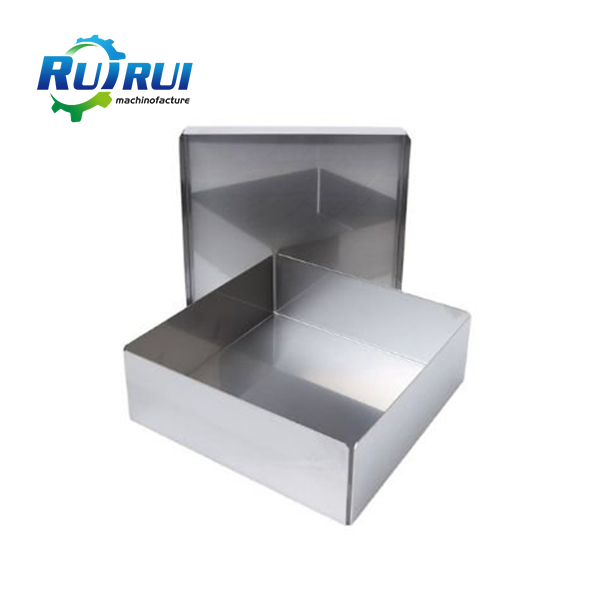
Building a sheet metal box for furnace papers is a practical solution to organize and protect important documents related to your heating system. This comprehensive guide will guide you through the process of building a robust and practical device specifically intended for furnace paper storage. Whether you're a do-it-yourself enthusiast or just want to make your house more organized, this thorough guide will provide you the knowledge and abilities needed to construct a reliable storage solution. From selecting the right materials to assembling it, we'll take care of every stage of building a sheet metal box that will keep your furnace papers safe and accessible.
Preparing for Your Sheet Metal Box Project
Gathering Essential Materials
Before you start working on your product, you need to gather all the tools and materials you need. To start, choose a sheet metal gauge that works for you. For a strong yet manageable box, this is normally between 22 and 26 gauge. You'll also need tools like a square and tape measure to make sure your cuts and folds are right. Don't forget to use safety gear, such gloves and safety glasses, to be safe while you work. Also, purchase a bending brake or make your own bending tools to make clean, sharp edges, and metal snips or shears to cut the sheet metal.
Designing Your Sheet Metal Box
To create a sheet metal box that fulfills your unique requirements, the design stage is essential. For ease of access, take into account the size of your furnace sheets and provide some additional room. Draw out the dimensions of the base, sides, and lid of your box. Take folding and connecting edge allowances into account. Include features like locking mechanisms or reinforced corners in your design if you intend to use them. Keep in mind that a more sturdy and useful sheet metal box is often the result of simplicity.
Setting Up Your Workspace
For a sheet metal box project to be effective, an appropriate workstation must be prepared. Make sure there is enough space for cutting and bending operations on a level, solid surface. To reduce mistakes and improve safety, make sure the illumination is appropriate. If at all feasible, arrange your workplace such that any electrical instruments you may need are close to a power source. To expedite the building process, arrange your supplies and equipment so they are easily accessible. You'll be ready to take on the difficulties of building your sheet metal box if you set up an effective workplace.
Cutting and Shaping the Sheet Metal
Measuring and Marking
A well-built sheet metal box starts with precise dimensions. Start by using a permanent marker or scribe to put your design dimensions onto the sheet metal. Make sure that every measurement matches the size of the box you have in mind. Clearly mark the cutting lines and specify the locations of the folds. Where the parts will link together, pay close attention to the corners and edges. Mark the lid as a distinct piece if it is part of your design. The cutting and shaping procedures that follow will be made much easier with accuracy at this point.
Cutting Techniques
Use the right method while cutting sheet metal to get accurate, clean edges. Use metal snips or, if available, a powered shear for straight cuts. Specialized aircraft snips may be needed for curved cuts. To enable for future fine-tuning, always cut slightly outside of your indicated lines. Support the sheet metal during lengthy cuts to avoid bending or warping. Use a power tool, such as a jigsaw with a metal-cutting blade, if you're cutting thicker gauge metal. To guarantee safety and enhance the overall appearance of your sheet metal box, don't forget to deburr any cut edges.
Bending and Folding
To obtain precise, sharp folds when bending sheet metal, rigorous preparation and execution are necessary. Use a bending brake to make consistent bends along your designated fold lines if you have one. Improvised techniques might be useful for those working without specialist tools. Carefully bend the sheet metal along the line using a strong straight edge that has been fastened to it as a guide. Before bending, gently score the fold line for crisper bends. The metal may get weaker if you overbend. Form the bottom and edges of the box by slowly moving around it. If a lid is part of your design, lay it aside to be finished later.
Assembling and Finishing Your Sheet Metal Box
Joining Methods
Making a sturdy sheet metal box requires careful consideration of the connecting technique. Interlocking folded edges may provide a secure connection for a simple design without the need for extra hardware. Consider joining corners and edges with rivets or spot welding if you want a more sturdy structure. Before utilizing rivets, make sure they are properly aligned by drilling pilot holes. Use the proper welding processes for the thickness of your sheet metal and properly clean the metal surfaces for welded connections. Regardless of the approach you use, be sure your joints are strong enough to endure frequent usage.
Adding Reinforcements
Think about strengthening important sections of your sheet metal box to increase its longevity. Particularly vulnerable to stress, corners may need more assistance. Using rivets or welding, you may construct corner brackets from tiny sheet metal parts. Adding a reinforcing strip around the sides of bigger boxes may increase overall stiffness and stop warping. To guarantee smooth functioning and lifespan, strengthen the hinge points if your box design calls for a lid. These reinforcements give your sheet metal box a more polished look in addition to strengthening it.
Surface Treatment and Finishing
The next step in creating your sheet metal box is to treat and polish the surface to stop corrosion and enhance its aesthetic appeal. To start, thoroughly clean the box to remove any oil or grime. To improve paint adhesion and corrosion resistance, use a metal primer. Choose a paint for metal surfaces that is based on enamel or epoxy. Paint should be placed in even, thin layers with enough drying time in between. For additional protection, think about applying a clear coat to the painted area. If you want a more industrial look, you may either leave the box unpainted and apply a clear protective coating, or you can go with a brushed metal finish.
Conclusion
Making a sheet metal box for furnace papers is a satisfying project that blends useful functionality with do-it-yourself enjoyment. You've learned how to design, build, and complete a long-lasting storage solution that meets your requirements by following this thorough instruction. In addition to keeping your furnace documents organized, your custom-made sheet metal box will demonstrate your competence and ability to solve problems. You may reach us at kshdhardware@qdkshd.com to learn more about this product.
References
1. Johnson, M. (2022). Sheet Metal Fabrication Techniques for Beginners. Metalworking Crafts Magazine.
2. Smith, A. (2021). The Complete Guide to DIY Metal Projects. Home Improvement Publications.
3. Brown, R. (2023). Industrial Design: Creating Functional Storage Solutions. Design Quarterly.
4. Thompson, L. (2022). Welding and Joining Methods for Sheet Metal. Welding Technology Review.
5. Davis, E. (2023). Corrosion Prevention in Metal Fabrication. Materials Science Journal.
6. Wilson, G. (2021). Safety Practices in Metal Workshop Environments. Occupational Safety Magazine.

Send Inquiry
Related Industry Knowledge
- What Would Cause Your Trailer Coupler to Crack?
- Where to Import Bulk Trailer Balls from China?
- Stamped Stainless Steel Pan Heat Retention and Durability
- Best Trailer Parts Manufacturer for Heavy-Duty Axles & Brakes
- What's the MOQ for Custom Electrogalvanized U-bolts?
- Are these Steel Tandem Teardrop Fenders suitable for specific trailer types?
- In which applications are Brass aluminum CNC milling parts typically used?
- How does a colored corrugated metal fence compare to other materials?
- How do you prevent rust on metal outdoor dustbins?
- how sheet metal parts are fabricated using nets?