
The Importance of Using a Trailer Hitch Pin for Safe Towing
It's impossible to say enough about how important it is to use a trailer hitch pin lock when pulling. You can't steal your valuable equipment without these special security devices, and they also keep the trailer from coming loose while it's being moved, which could be dangerous. A good hitch pin lock turns a weak link point into a safe, hard to hack system that keeps your investment safe and the safety of other drivers on the road. By using locking mechanisms instead of standard pins, industrial workers greatly lower the chance of trailers being taken off without permission or accidentally disconnecting, which could lead to terrible accidents.
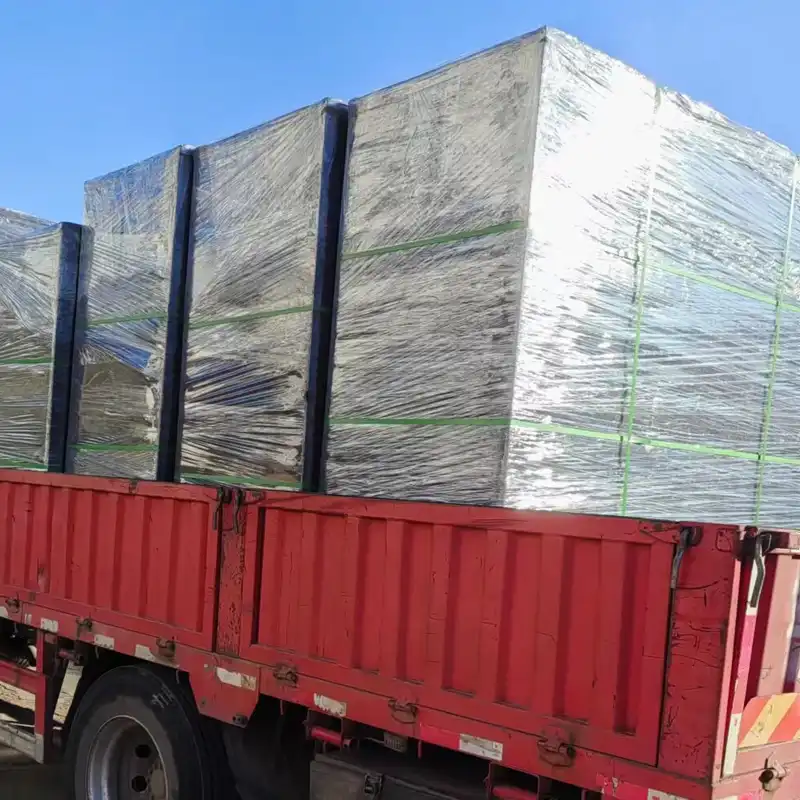
Understanding Trailer Hitch Pin Locks and Their Role in Safety
Fundamental Structure and Function of Hitch Pin Locks
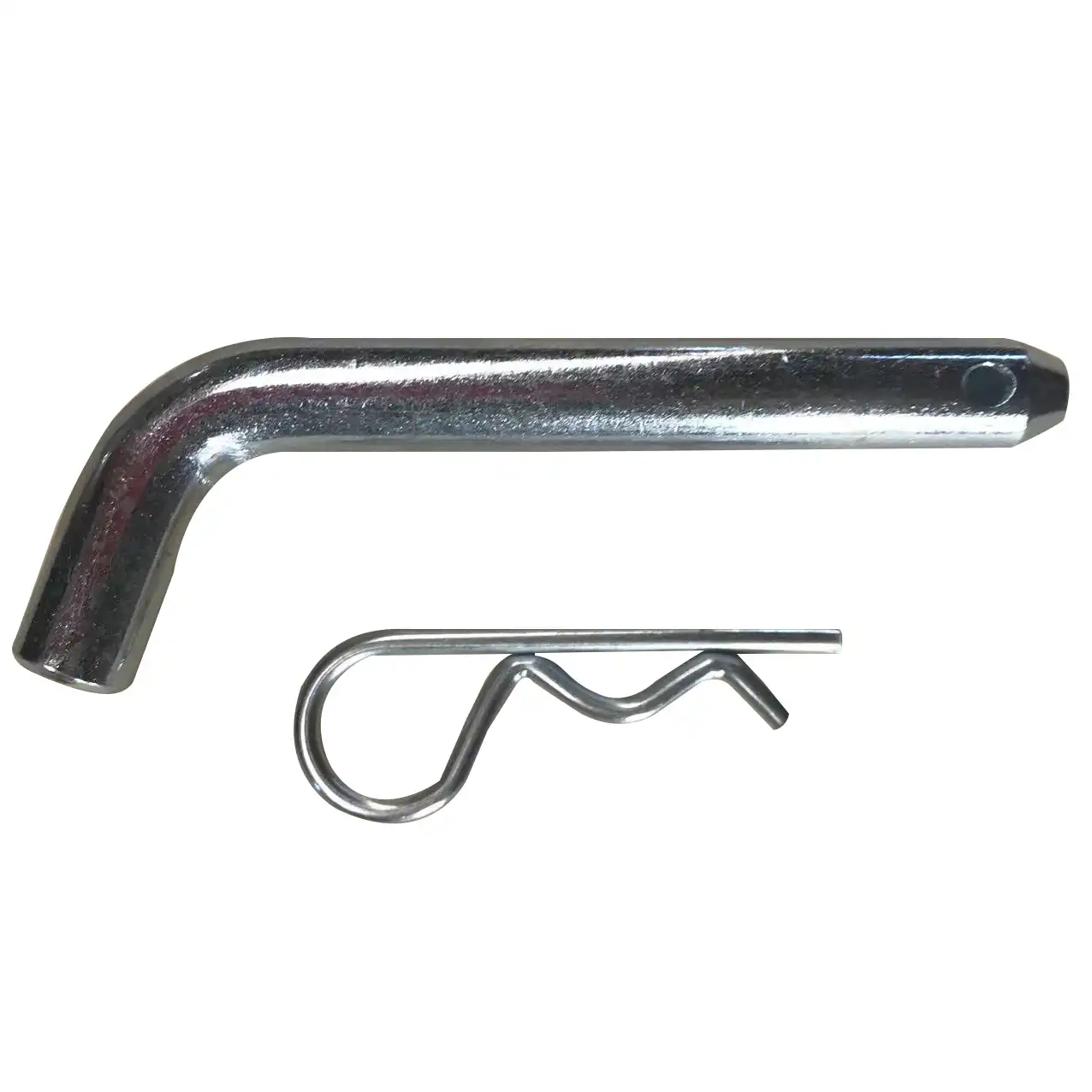
Trailer hitch pins are the most important part of a safe tow link, and locking versions offer extra safety through built-in security features. These are basically different from regular pins because they have locking cores that are operated by a key or a combination that stops illegal removal. The engineering behind these locks includes carefully making shafts out of hardened steel that are usually between 1/4 inch and 5/8 inch in thickness. These shafts are made to survive both natural stresses and attempts to break them.
Modern hitch pin lock designs have barrels that are weather-sealed to keep the inside working parts safe from water, dirt, and changes in temperature. Either standard pin tumbler systems or modern disc-detainer mechanisms are used in the locking core. Both are designed to stop picking and drilling attacks. Good makers use steel alloys that have been heated and have shear strengths of over 4,000 pounds. This makes sure that the lock stays strong even in harsh circumstances.
Types and Material Considerations
There are different hitch pin designs on the market that can be used in different situations and with different operating needs. Stainless steel types work best in sea and coastal settings where salt air needs strong rust resistance. These materials keep their structure integrity even after being exposed to harsh weather for a long time. This makes them perfect for professional fishing, marina services, and building projects along the coast.
Chrome-plated steel options are a great choice for general industry uses because they are both affordable and long-lasting. Through the plating process, a protected layer is made that keeps the steel's strength while also stopping surface corrosion. Specially coated carbon steel pins are the strongest option for heavy-duty uses where high loads demand that the structure stays strong.
Installation and Maintenance Fundamentals
Hitch pin protection systems work best and last the longest when they are installed correctly. The first step is to clean the receiver tube and pin holes very well to get rid of any dirt or dust that might get in the way of the process running smoothly. Alignment checking stops binding that could put stress on the lock mechanism or make it hard to use normally.
Protocols for regular repair of hitch pin lock keep security working well and extend the life of services. During monthly checks, marine-grade grease should be used to lubricate moving parts, the smooth operation of keys should be checked, and the outside should be looked at for signs of damage or wear. These preventative steps find problems before they become a problem for the system's security or stability.
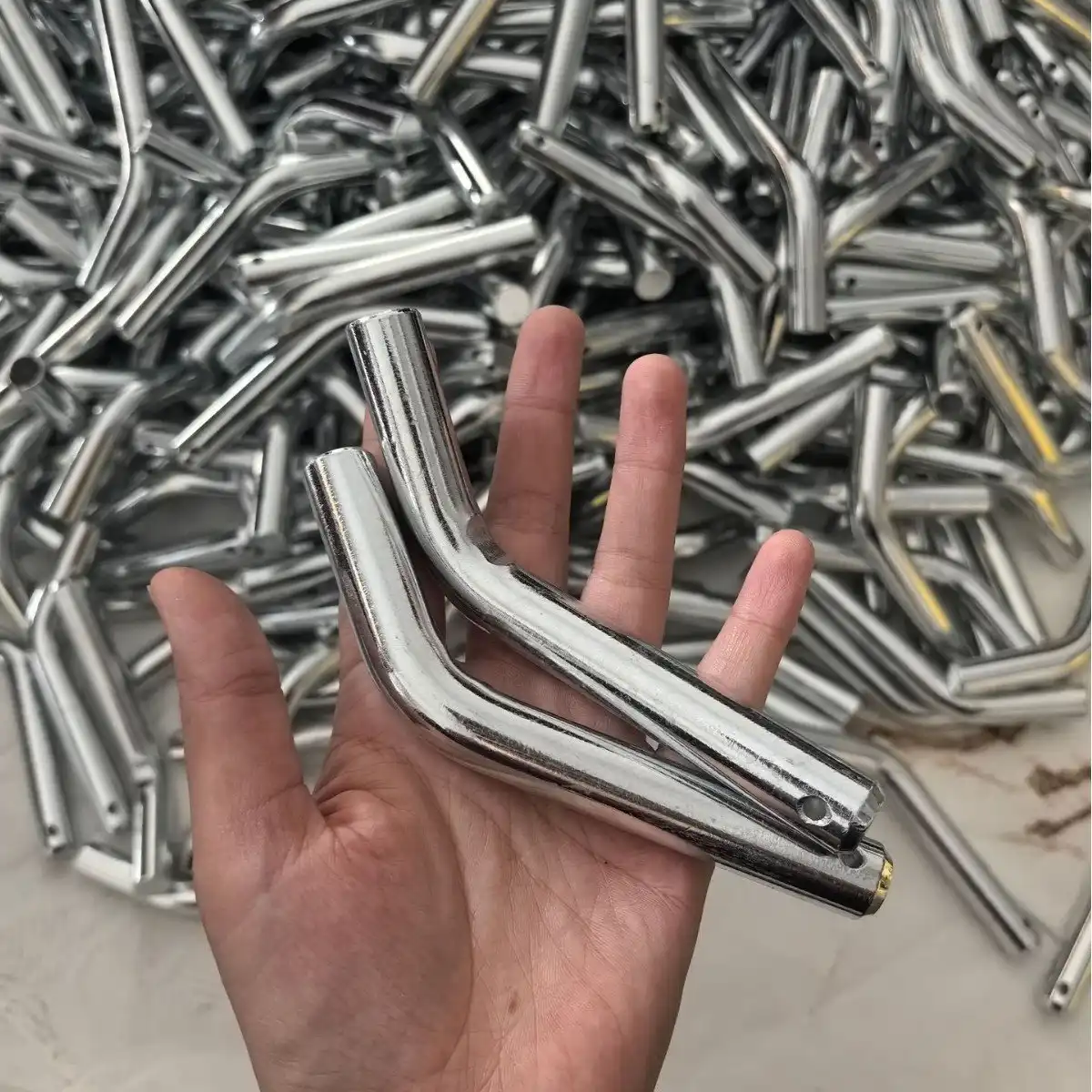
Problems Addressed by Using Hitch Pin Locks: Ensuring Secure Towing
Theft Prevention in Commercial Operations
Businesses in many different fields lose a lot of money every year because of commercial trailer theft. Construction companies lose more than a thousand dollars a year because of stolen tools. Criminals are especially interested in trucks that are not locked up. Traditional pins don't really stop thieves because all you need are some simple tools to take them out. But locking options put up big hurdles that make thieves think twice before stealing.
When trailers are left unattended at loading docks, customer sites, or overnight parking lots, they pose special risks to industrial transport operations. When used with facility-based security measures, hitch pin lock devices add an extra layer of safety. Quality locks show that they are professionally installed and maintained, and the way they work stops people from quickly disconnecting.
Accidental Detachment Prevention
Standard pins can come loose over time because of mechanical stress and vibrations from the road. This could cause the trailer to come apart in a very dangerous way. When trailers come off on the highway, they cause a lot of damage to property, the possibility of injuries, and a lot of risk for business owners. Researchers in engineering have found that locking pins stop the slow loosening that happens with clip-style fastening systems.
Real-life case studies show that fleets that use complete locking methods are safer in a way that can be measured. After switching from regular pins to professional-grade locking systems, a large gardening company said that there were no detachment events in three years. When you look at how much an accident could cost and how much your insurance would cover, the money you spent on security gear was well worth it.
Procurement Guide: How to Purchase Hitch Pin Locks Efficiently?
Supplier Identification and Evaluation
Finding suppliers who understand the needs of your industry and can provide uniform quality across big orders is the first step to successful buying. Reputable makers have strict quality control systems that make sure all of their products are the same and let customers make changes to them for specific uses. These relationships are helpful when operations need to grow or when security needs to change.
When compared to multi-tier distribution systems, direct connections with manufacturers often offer better technical help and lower costs. But established distributors bring useful inventory management and logistics skills that help businesses that need to be able to quickly deploy or change parts in an emergency.
Cost-Benefit Analysis Framework
When making a procurement choice for hitch pin lock, the total cost of ownership is taken into account as well as the original purchase price. Some premium hitch pin lock systems may cost more up front, but they last longer and need less upkeep afterwards. When it comes to large ships, where small changes add up to big benefits over time, this economic analysis is especially useful.
When you buy in bulk, you usually save a lot of money and make sure you have enough goods to keep your business running. Volume agreements help producers plan their production better and buy materials more efficiently, which saves money for business customers. These deals work well for businesses that have been around for a while and have predictable patterns of spending.
Customization and Technical Support
In the business world, specific methods are often needed to deal with specific practical or security issues. If a manufacturer has a lot of technical skills, they can change standard designs to fit different dimensions, weather conditions, or problems with integration. This versatility comes in handy when standard products can't meet the needs of a particular purpose.
Having the right technical help skills is very important during development and ongoing operations. When suppliers offer help with installation, fixing problems, and routine upkeep, they add value beyond the product itself. This support is especially helpful for businesses that are adding to their security measures or starting up new ways of doing things.
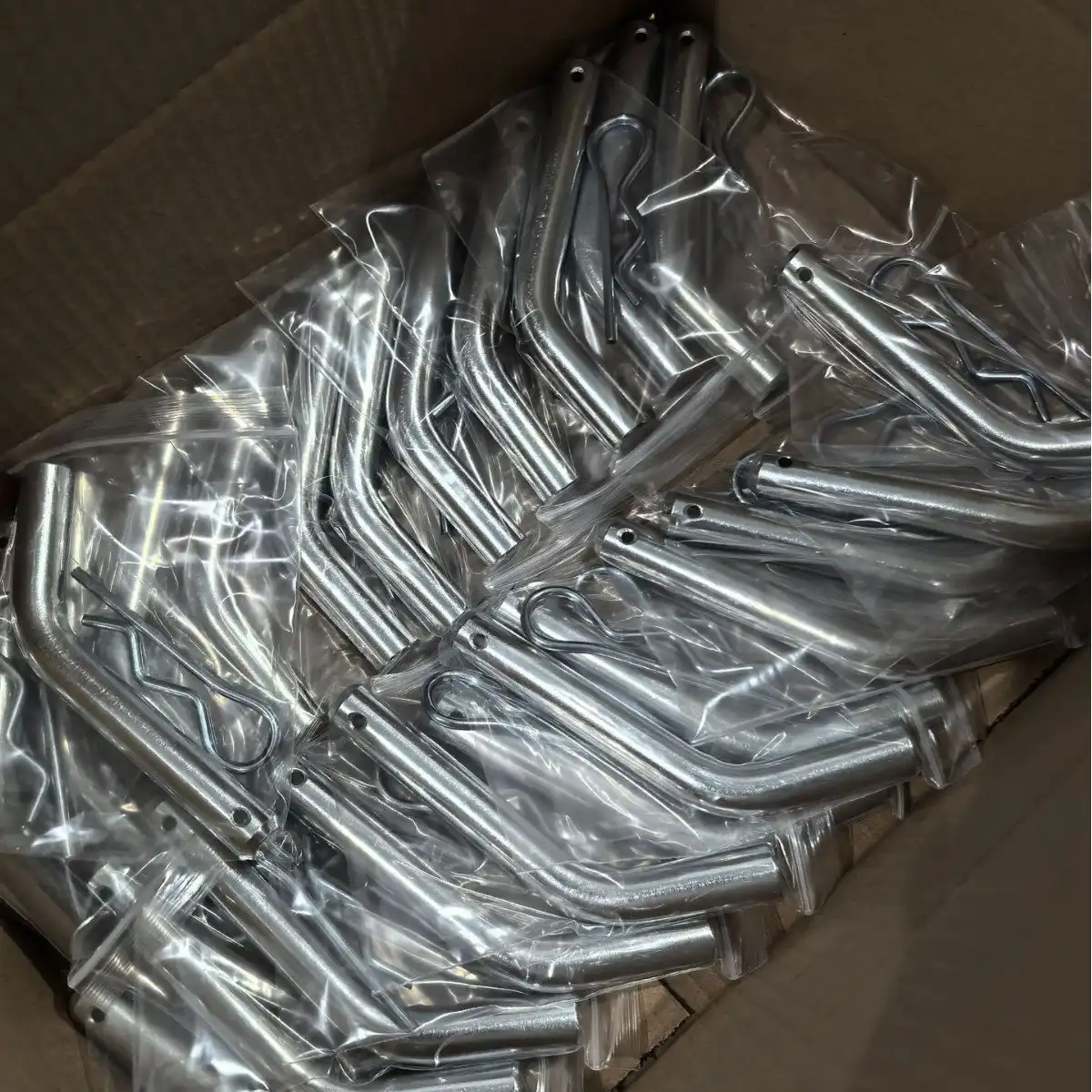
Enhancing Trailer Security: Best Practices and Maintenance for Hitch Pin Locks
Installation Best Practices
Following the right startup steps will improve both protection and ease of use. The first step in the process is to carefully measure and check the balance to make sure the machine works smoothly and doesn't need too much force or binding. Precision fitting keeps the security integrity of these devices, which makes them worth the money because they don't wear out too quickly.
Thinking about the environment for hitch pin lock affects how to place things and what materials to use. Coastal activities need to pay more attention to drainage and protecting against wetness, while industrial settings may need better resistance to chemicals or high temperatures. These things need to be thought about during the initial installation to avoid problems and keep the system working well in the long run.
Preventive Maintenance Protocols
The security and dependability of hitch pin lock systems are kept up by routine repair programs for as long as they are in use. Inspections every month make it possible to find wear patterns, weather damage, or operating problems early on, before they get worse. These preventative steps stop mistakes that could mess up operations or make security holes.
Protocols for lubrication need to pay attention to both the frequency and the choice of material. Lubricants made for marine use don't wash out or get dirty, and they protect internal systems for a long time. Proper lubrication keeps keys from sticking, cuts down on wear, and keeps them operating smoothly, which encourages practical staff to use them regularly.
Integration with Comprehensive Security Systems
Individual locks are parts of bigger security plans that might include alarm systems, GPS tracking, and security measures that are used inside the building. Using several levels of security together creates redundancy that protects against different types of threats and keeps important things safe. It turns out that this methodical technique works better than depending on just one security measure.
Key management, access control, and emergency plans that support good security execution must all be covered in operational processes. Training programs make sure that employees know how to use the system correctly and follow the security rules that keep the system working well. These human factors often decide how well investments in security hardware work in real life.
Conclusion
The implementation of quality trailer hitch pin locks represents a critical investment in operational safety and asset protection for commercial enterprises. These devices address fundamental vulnerabilities in standard towing connections while providing measurable improvements in security and accident prevention. The selection process requires careful consideration of application requirements, environmental conditions, and operational constraints to identify optimal solutions.
Proper procurement and implementation strategies maximize return on investment while ensuring long-term effectiveness. The combination of quality hardware, professional installation, and systematic maintenance creates reliable protection that justifies the initial investment through reduced theft losses and enhanced safety performance.
FAQ
What diameter hitch pin lock should I use for my commercial trailer?
Commercial trailers typically require either 1/4-inch pins for coupler latch mechanisms or 5/8-inch pins for receiver tube applications. The 1/4-inch hitch pin lock secures the coupler latch to prevent unhitching, while 5/8-inch pins secure the entire hitch system. Never substitute smaller pins for receiver applications as this creates dangerous load-bearing inadequacies.
Can hitch pin locks be keyed alike for fleet management?
Professional suppliers offer keyed-alike options that allow fleet managers to operate multiple locks with a single master key. This feature significantly improves operational efficiency while maintaining security effectiveness. The keying process requires advance specification during ordering, and most manufacturers accommodate custom keying requirements for commercial accounts.
How do I prevent my hitch pin lock from freezing in winter conditions?
In order to keep things running smoothly in the winter, they need to be regularly oiled with cold-weather oils and kept dry with dust caps and weather seals. Lubricants made from graphite don't freeze and still work well in cold weather. Do not try to open frozen locks by force, as this can damage the internal parts. Instead, use de-icing solutions that are allowed for use on lock cylinders.
What security rating should I look for in commercial applications?
For commercial use, locks usually need to be able to withstand more than 4,000 pounds of twisting force and have pick-resistant features. Look for companies that offer specific security certificates and proof of testing. The lock barrel should be made of strengthened steel and be weatherproofed for the place where it will be used.
Partner with RUIRUI for Premium Hitch Pin Lock Solutions
RUIRUI Machinery has hitch pin lock systems that are precisely built for tough business use and can help you with your trailer security needs. Our advanced metal manufacturing skills, such as CNC machining and specialty coating processes, make sure that every product we make is of the highest quality and lasts a long time. We offer reliable hitch pin lock solutions that meet the strict requirements of industrial operations all over the world. Our quality control systems are ISO-certified, and we've been in business for more than 15 years.
Our full range of customization services meet the specific needs of each application, and our high-speed production capacity guarantees that urgent projects are delivered on time. Email our expert team at kshdhardware@qdkshd.com to talk about your specific needs and find out how our hitch pin lock manufacturer capabilities can improve the safety and efficiency of your operations.
References
National Highway Traffic Safety Administration. "Trailer Safety and Security Guidelines for Commercial Operations." Federal Motor Carrier Safety Administration, 2023.
Smith, J.R. "Analysis of Trailer Theft Prevention Methods in Industrial Logistics." Journal of Transportation Security, Vol. 45, 2024.
American Society for Testing and Materials. "Standard Specification for Hitch Pin Security Devices." ASTM F2638-18, 2023.
Johnson, M.K. "Corrosion Resistance in Marine Towing Hardware: A Comparative Study." Marine Engineering Quarterly, Issue 3, 2024.
International Organization for Standardization. "Road Vehicles - Trailer Coupling Security Systems - Performance Requirements." ISO 12021:2024.
Williams, D.T. "Economic Impact of Commercial Trailer Security Systems." Industrial Fleet Management Review, Volume 28, 2023.

Send Inquiry

Related Industry Knowledge
- How Do Secure Towing Solutions Prevent Trailer Sway?
- Steel Tread Plate Trailer Fenders vs Plastic Fender Guard
- Best Custom Trailer Hitch Pins Bulk: Durable & Cost-Effective
- Wholesale Price Trailer Hitch Lock Pins vs Retail: Cost Benefits
- Universal Anti-Rattle Clamp for Every Towing Adventure
- How Trailer D Pin Extends the Life of Your Trailer Coupler?
- What is a Trailer Hitch Lock Used For?
- Removable Bollards: A Versatile Solution for Public Spaces and Private Properties
- How to properly design sheet metal parts?
- What Are U Bolts Used For?