
Trailer Coupler Installation & Maintenance: Step-by-Step Guide
If you install and take care of your trailer coupler correctly, the connections between your tow vehicle and trailer will always be safe and secure, even when things get tough on the job. The hitch ball and the trailer coupler are two important parts that work together to safely move commercial trailers, utility equipment, and heavy loads. To install it correctly, you must first pick the right type of coupler based on the trailer's specs and how much weight it can hold. Then you need to mount the coupler correctly, make sure it is lined up, and make sure the latch is tight. Regular maintenance includes checking for wear, stopping corrosion, and lubrication. These things keep things in good shape so they last longer and don't break down at expensive times. Getting procurement teams and fleet managers to learn these steps can help them stay in line with safety rules and get the most out of the equipment that is used in many different industrial settings.
Understanding Trailer Couplers: Types, Functions, and Safety Features
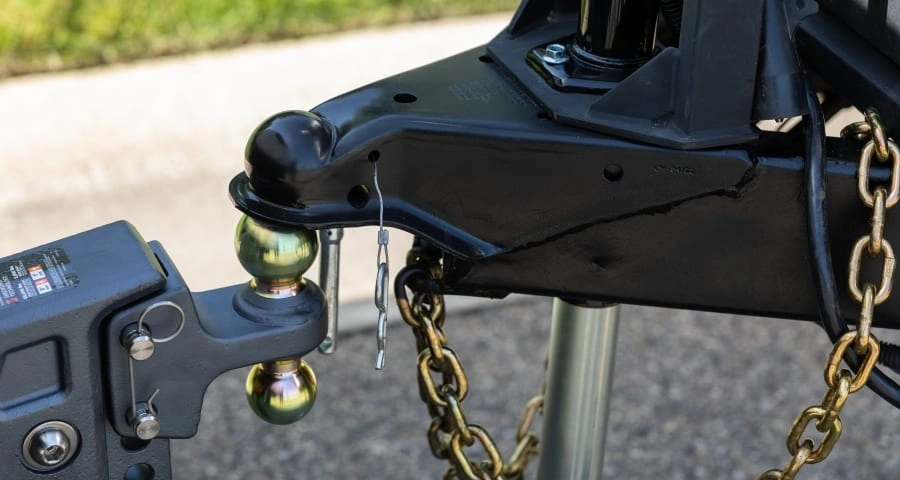
There are a few things you need to know about coupler assemblies before you can choose the right one. When you connect the tongue of your trailer to the hitch ball on your tow vehicle, the trailer coupler makes a safe connection. When you speed up, slow down, or turn, it moves the weight and forces around. This link needs to be able to handle changing loads, road vibrations, and environmental stresses for thousands of hours of use.
How Trailer Couplers Operate
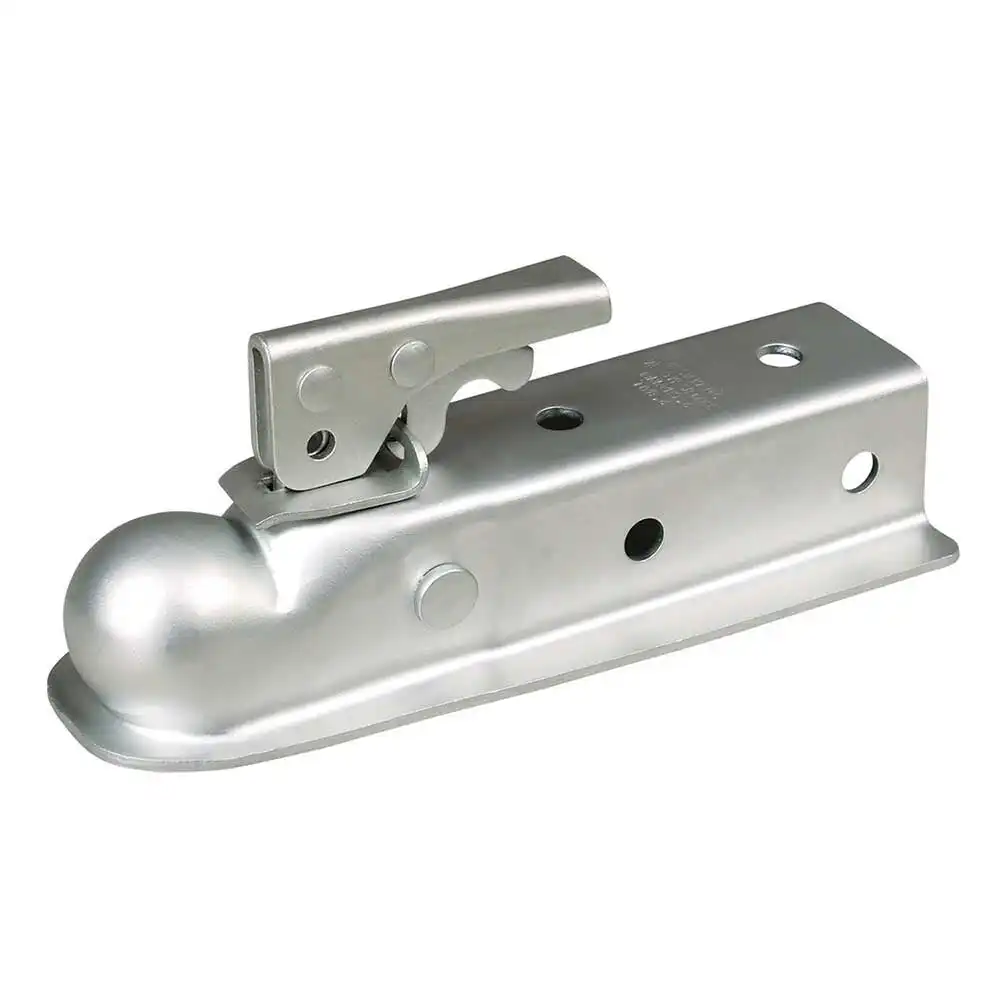
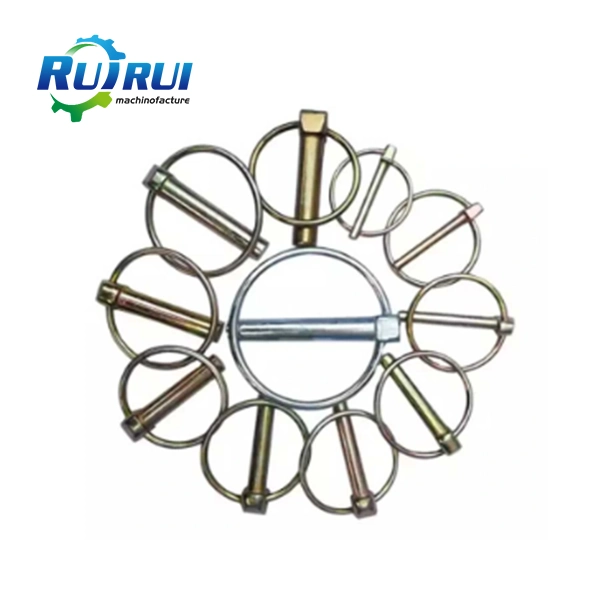
You only need to lock it in place and put the coupler socket over the hitch ball to use it. When it's properly latched, the coupler goes all the way around the ball and stops it from moving left to right or up and down. Coupler latches that close over the ball and are held in place by trailer coupler pins are common. This keeps the coupler latch from coming loose while the trailer is moving. There is an extra layer of safety with this pin. It stops problems like latch bounce on uneven ground and keeps thieves away. According to SAE J684 standards, this fail-safe design lowers the likelihood of decoupling events that could harm or endanger people.
Common Coupler Types and Material Considerations
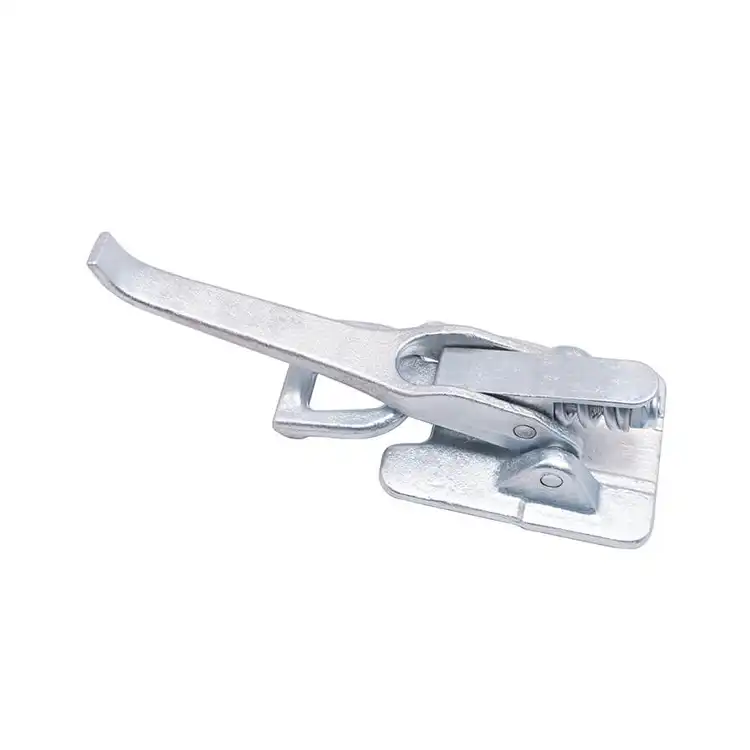
Different types of couplers are needed for different tasks. To keep your goods safe on the highway, use a Dome coupler. The rounded top completely surrounds the hitch ball. People who load a lot of things like Latch-style couplers because they are easy to attach and remove with a lever. Pintle couplers last a long time and can handle rough off-road conditions as well as moving parts in military, construction, and farming vehicles.
What it's made of makes a big difference in how well it works. There are different types of steel couplers that can hold between 3,500 and over 20,000 pounds of gross trailer weight. This makes them perfect for heavy-duty uses. 2 inches is the most common ball size. It can fit a lot of different trailers, from boat trailers to utility trailers, and can hold up to 12 thousand pounds. Different types made of aluminum alloys have tongues that are lighter for lighter uses but still keep the structure strong. When used in marine environments or where chemicals are present, stainless steel options don't rust very easily.
Safety Features and Compliance Standards
Couplers made for professionals have more safety features than just latching mechanisms. The safety chains will hold the parts together if the main coupling breaks. Breakaway systems put the brakes on when a trailer pulls away without warning. Coatings that resist corrosion make things last longer in harsh environments. This lowers the cost of maintenance and keeps things from breaking down all of a sudden.
They need to make sure that the couplers they buy meet the standards set by the business. Quality certifications from ISO 9001 make sure that the manufacturing process is consistent and that there are controls in place to make sure top quality. With load ratings on paper, you can be sure that the product will work with certain trailer weights and cargo arrangements. By following regional transportation rules, businesses can stay out of trouble and keep the safety of their fleets high.
Step-by-Step Trailer Coupler Installation Guide
By following the right installation steps, you can be sure of the best safety performance and no operational failures. It's important to pay attention to the little things, use the right tools, and understand how mechanical tolerances affect how safe the trailer coupler is.
Pre-Installation Preparation and Tool Requirements
Make sure you have the right tools, like torque wrenches, socket wrenches, a drill with metal bits, a measuring tape, and the right fasteners, before you start installing. Choose a coupler that fits the tongue of your trailer and can hold the weight it needs to. Check the size of the hitch ball to make sure it fits properly in the coupler socket. About 1-7/8 inches, 2 inches, or 2-5/16 inches is how big a hitch ball is. Measure the opening in the trailer tongue A-frame to find out what mounting bolt patterns and spacing you need.
There are a lot of technical things you need to look at to pick the right coupler. The gross trailer weight is used to figure out the minimum load rating. Tongue weight, which is usually 10–15 percent of the total trailer weight, changes the structural needs of the coupler. What kind of materials and designs are used depend on what the trailer is for, like working off-road or transporting goods on the highway. These things help the people who buy things pick out the right parts for their system.
Installation Process: Mounting and Alignment
Line up the fixing holes on the coupler with the holes in the A-frame channel on the trailer tongue. To make sure it fits right with the hitch ball, the coupler should sit level when the trailer is in its normal operating position. As you put the bolts through the coupler base and the trailer tongue, make sure there are washers on both sides of them to spread the load forces and keep the material from breaking.
To make sure the pressure stays the same, slowly tighten the screws in a cross-shaped pattern. Use a calibrated torque wrench to get the tightness that the manufacturer says you need, which is usually between 30 and 50 foot-pounds for most tasks. If you tighten something too much, it can crack cast parts or strip threads. If you tighten something too little, it lets movement happen, which speeds up wear and poses safety risks. Once the fasteners have been tightened once, check them all again after 50 miles of use. Vibrations can cause connections to settle, which can make them loose.
Locking Mechanism Verification and Adjustment
Once the coupler is in place, make sure the latch works by pulling on it. It should close over a test ball that is the right size and move smoothly all the way through its range. Put the marked trailer coupler pin through the hole, making sure it fits all the way and can't be just pulled out. Clips, cotter pins, or threaded fasteners are used in some designs as retention devices. It's important that the method you pick works well even when the design is moving.
When the coupler is attached to the hitch ball, see how much it can move up and down and side to side. If you don't move around much, the shoe fits well. If you play too much, the ball might be the wrong size or parts might be worn out. Because different parts were made in different ways and things wear out over time, adjustable couplers let you fine-tune the socket tension.
Troubleshooting Common Installation Challenges
Couplers that aren't in the right place or trailer tongues that are bent can make it hard to line up. Shims can fix small angle differences, but a professional frame repair service is needed to fix major alignment issues. It's possible that the mounting holes will need to be drilled to fit the next larger fastener size and grade-8 bolts will need to be used to keep the strength.
If the latch doesn't move or sticks, check to see if paint or coating has built up on the parts that move. Use the right lubricant and clean these areas well. What's stuck in the socket? The coupler may not close all the way over the ball, or the springs and latches inside may need to be adjusted. When you need to do more than just make small changes, hiring professional installation services is the best way to make sure you don't waste money on mistakes and follow safety rules.
Effective Maintenance Practices to Ensure Trailer Coupler Longevity
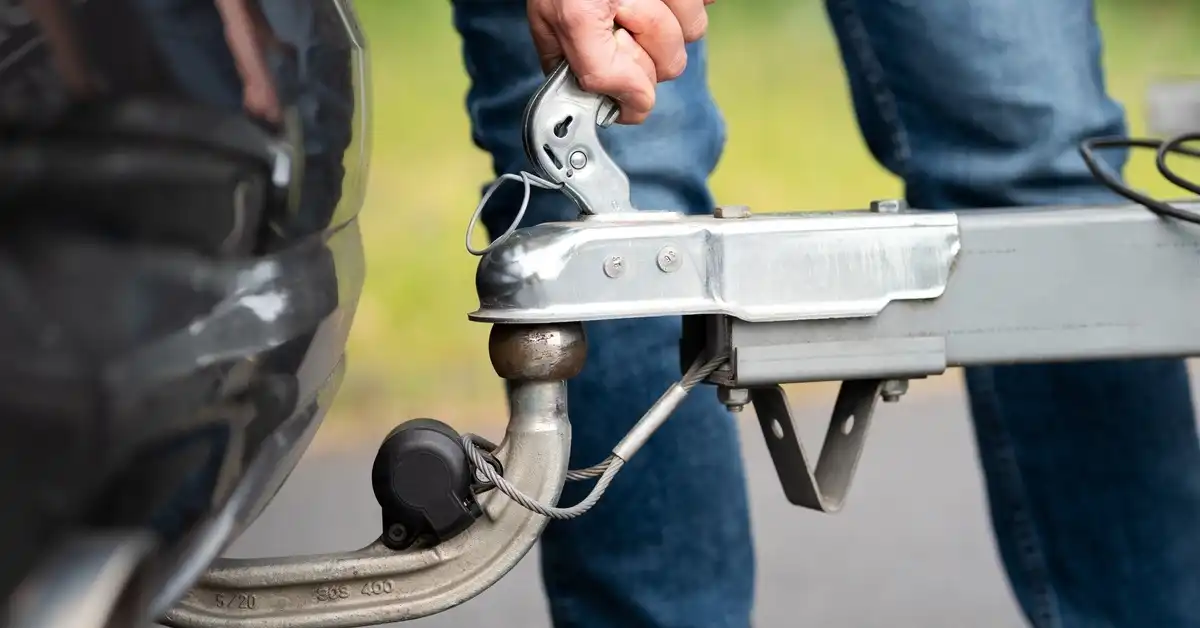
Structured maintenance plans keep parts from breaking down during important operations and make them last longer. Regular inspection plans help fleet managers and purchasing teams find issues quickly, before they become dangerous or a problem for moving goods. A well-maintained trailer coupler ensures the safety of every tow.
Inspection Checklist for Commercial Operations
Visual checks that are done regularly find early warning signs of wear and tear on parts. There may be cracks in the coupler body. Look for them where the mounting bolts are and where there is a lot of stress, like near the ball socket. It's failing because of surface rust, and it will fail even faster if nothing is done. Make sure that the latch mechanism doesn't have any bent parts or pivot points that are too worn out. Also, make sure that the spring tension is just right. The trailer coupler pin should fit tightly and not get stuck. The clips that hold it in place should also be whole and work.
Check to see how well it connects to a hitch ball coupler. Try to get the trailer's tongue to move up. As long as the couplers are tight, they shouldn't separate or move around too much. As the latch works, listen for strange sounds. It's possible that these sounds are caused by wear or dirt inside. Every so often, check the inside diameter of the ball socket. The parts can move around too much if it gets too worn, which can make them separate while being moved.
Cleaning and Lubrication Protocols
It's possible for dirt, road salt, and chemicals to weaken couplers over time. Everything should be cleaned once a month with a wire brush and a degreasing solution to get rid of built-up dirt and grime. Pay close attention to the pin holes, the latch mechanism, and the inside of the ball socket. This is where dirt and dust tend to get stuck. Clean it well with water and let it dry completely to keep it from getting wet, which speeds up corrosion.
Put the right kind of oil on the moving parts every time you clean them. Friction wear can be stopped for a long time with White lithium grease, which works well on sliding surfaces and pivot points. Marinette-grade grease on the inside of the ball socket keeps it from getting too dirty and makes sure that the engagement is smooth. When working with rubber parts, don't use oil-based products because they break down too quickly. Using thread anti-seize compound on mounting bolts during installation makes future maintenance easier and keeps stainless steel fasteners from galling.
Corrosion Prevention for Extended Service Life
The environment is very different in different operational regions. In the north, operations have to deal with road salt and freeze-thaw cycles, while those near the coast have to deal with corrosion from salty air. In factories, operations have to deal with chemical exposure from goods or building operations. To protect your equipment, you need to make sure that the ways you use to stop corrosion will work in the given conditions.
Powder coating is a good way to protect the surface of steel couplers for a long time. It stops chipped paint damage and environmental damage better than paint. The zinc coating on Galvanized finishes rusts faster than the steel underneath, so they only protect the steel underneath. Building with Stainless steel is better because it doesn't rust, but it costs more at first. Every so often, look for damage to the coating and fix it right away with the right repair products to keep the barrier protection.
Parts Replacement and Supplier Selection
Even if you take care of your car regularly, parts will wear out and need to be replaced at some point. Make sure you have dependable suppliers on hand who stock common coupler parts like latches, pins, springs, and whole assemblies. When you buy in bulk, the cost per unit goes down, and you can be sure that fleet maintenance programs always have what they need.
When you need to find replacement parts, use part numbers and measurements to make sure they will fit the tools you already have. OEM parts are guaranteed to fit and work right, while aftermarket parts might be less expensive, you need to make sure they are of good quality first. Procurement teams should look at a supplier's credentials, how they check for quality, how reliable their shipping is, and how good their technical support is. Businesses that have large fleets or that work in remote areas where broken parts can really mess up operations need to pay extra attention to these things.
Conclusion
The reliability of the fleet, the safety of operations, and the life of equipment all depend on how well trailer coupler installation and maintenance are performed. When you know about the different types of couplers, their materials, and the loads they can handle, you can make smart purchases that work for your needs. Setup steps with clear steps make sure that connections are secure and can handle changing forces while they're being sent. With regular maintenance, problems are found as they begin to happen, before they get worse. When you compare heavy-duty options, you can find equipment that is right for tough industrial uses. Also, building strategic relationships with suppliers gives you access to good products, technical know-how, and quick support. When businesses put these basics first, they avoid downtime, keep maintenance costs low, and keep running in a safe and effective way that helps them succeed.
FAQ
What size trailer coupler do I need for my application?
What size trailer coupler you need depends on three things: the hitch ball's diameter, the tongue size, and how much weight you need to pull. Most trailers that weigh between 3,500 and 12,000 pounds use a 2-inch ball. Trailers for heavy equipment that weigh more than 12,000 pounds need balls that are at least 2-5/16 inches across. Most utility trailers that weigh less than 3,500 pounds use balls that are 1-7/8 inches across. Measure your current hitch ball or look at the paperwork that comes with your trailer to find the right specs.
How often should I inspect and maintain my trailer couplers?
Businesses should look over the equipment before each use to see if there is any damage, loose parts, or issues with how the latch works. Either every month or every 1,000 miles of use, you should give your car a full checkup. This should include checking the sizes, cleaning, and lubricating. Harsh places, like the ocean or being near road salt in the winter, need to be cared for more often, maybe even every two weeks when things are really busy. After a year, having a professional look at it can find small signs of wear that you might miss with regular checks.
Can I replace just the latch mechanism or do I need a complete coupler?
Many coupler styles let you swap out parts like springs, sockets, latches, and pins without having to buy whole sets. The service lasts longer and costs less to maintain because it is made up of separate parts. But in order to replace a part successfully, the parts must be exactly the same and the installation must be done right. Check the manufacturer's instructions or call suppliers with information about the model to make sure parts are available and will work with it before you try to fix it.
Partner with RUIRUI for Reliable Trailer Coupler Manufacturing
Tow operations in business, government, and industrial settings are safe and effective when they use good trailer coupler parts. RUIRUI uses high-tech methods for fabrication, such as CNC machining, progressive stamping, and full finishing services, to create solutions that are precisely made and meet strict requirements. Our quality systems are ISO-certified, so you know that our products will always work the same way. Our experienced team is also here to help with everything, from coming up with specifications to providing service after the sale. We are the best trailer coupler supplier for distributors, contractors, and equipment manufacturers across North America because we are committed to quality and manufacturing. It doesn't matter if you need standard configurations or couplers that are specially made for your needs. Send us an email at kshdhardware@qdkshd.com to tell us about your needs and find out how our engineering skills and production capacity can help you reach your business goals.
References
- Society of Automotive Engineers. "SAE J684: Trailer Couplings and Hitches - Automotive Type." SAE International Standards, 2018.
- National Highway Traffic Safety Administration. "Federal Motor Vehicle Safety Standards: Trailer Hitches and Couplings Compliance Guide." U.S. Department of Transportation, 2020.
- American National Standards Institute. "ANSI Z76.1: Standard for Trailer Couplers and Safety Chains." American Standards Association, 2019.
- Industrial Fasteners Institute. "Metal Forming and Fabrication Quality Standards for Trailer Components." IFI Technical Publication, 2021.
- International Organization for Standardization. "ISO 11407: Road Vehicles - Trailer Couplings - Performance Requirements and Test Methods." ISO Standards Catalogue, 2017.
- Trailer Equipment Manufacturers Association. "Best Practices Guide for Commercial Trailer Coupling Systems Installation and Maintenance." TEMA Industry Guidelines, 2022.

Send Inquiry
Related Industry Knowledge
- The Benefits of Using a Hitch Lock for Security
- Where to Import Bulk Trailer Balls from China?
- Upgrade Your Trailer Safety with a Heavy-Duty Lockable Hitch Pin
- What Role Do Forged Agricultural Machinery Parts Play in Extending Equipment Lifespan?
- Towing 101: Guide to Hitch Pin Sizes
- Trailer Hitch Pins | Heavy Duty Lock Pins for Towing
- How Does Heat Treatment Enhance the Quality of Forged Steel Mechanical Parts?
- Are there different types of zinc plating for D-shape pins?
- What are the benefits of zinc plating on R shape pins?
- How to change a sheet metal part thickness guage?