
Trailer Parts: What You Need to Know
Trailer parts are essential for all kinds of businesses that need to move goods quickly and safely. They make sure that operations run smoothly and safely. Whether you're in charge of a private fleet, the transportation of building equipment, or the planning of public infrastructure projects, it's important to know how to choose the right parts, follow the right maintenance procedures, and buy things in the right way so that your business stays successful. Quality parts have a direct effect on load capacity, compliance with regulations, and long-term cost efficiency. This is why it's so important for B2B procurement managers and engineering teams around the world to make well-informed buying choices.
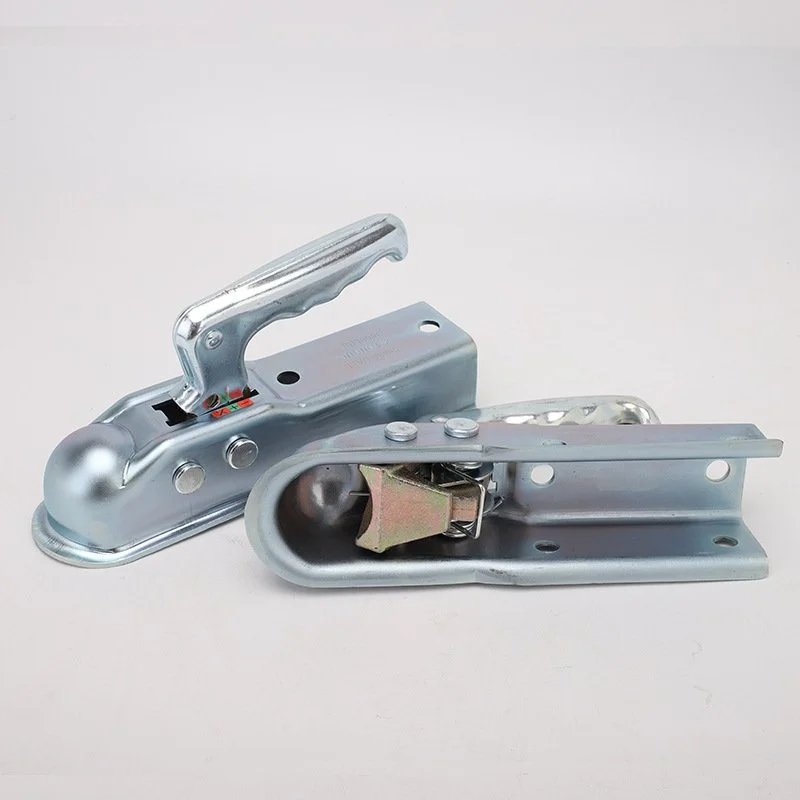
Understanding Trailer Parts and Their Functions
Modern transportation systems depend on carefully designed parts that work together to provide excellent performance in tough situations. Each part of a trailer system has a specific job to do that affects safety ratings, load capacity, and rules and regulations that must be followed.
Essential Component Categories
Important systems in trailers are made up of parts like axle kits, brakes, connection devices, lighting systems, and suspension trailer parts. This is because axle assemblies carry most of the weight, spreading it evenly across the wheel assemblies and keeping the structure strong while it's being moved. Controlled slowing down and emergency stops are made possible by brake systems. This is especially important for heavy-duty uses where load momentum poses major safety concerns.
Suspension systems protect the trailer's frame from damage and keep the load stable, which reduces wear on both the trailer and the goods being carried. Coupling devices make sure that tow vehicles and trailer units are securely connected. They need to be very well engineered so that they can handle the forces that are applied when moving quickly, stopping, and turning.
Operational Performance Indicators
Understanding performance markers helps buying teams spot early signs that a part is breaking down. When brakes fade, they stop working as well as they used to. This is usually a sign of hot brake drums or worn friction materials. Damage to the axle often shows up as uneven tire wear, noise from the wheel bearings, or obvious structural deformation when the vehicle is loaded.
These operating insights allow for proactive scheduling of repair, which cuts down on expensive downtime and makes sure that the fleet is always available for important transportation jobs.
Comprehensive Trailer Parts Maintenance and Safety Checklist
Systematic maintenance procedures that cover both regular inspection needs and planned replacement plans are necessary for regulatory compliance and operating safety. The Department of Transportation (DOT) establishes minimum safety standards that apply across commercial transportation operations, requiring documented inspection procedures and maintenance records.
Routine Inspection Protocols
Visual checks of structural trailer parts, functional tests of braking systems, and confirmation of lights and signaling equipment should all be part of regular inspection plans. When a brake system is being evaluated, its fluid levels are checked in hydraulic systems, the thickness of the brake pads is measured, and the electrical links in electric brake kits are tested.
Axle tests check the state of the spindle, the lubrication of the bearings, and the stability of the hub assembly. Proper oil keeps bearings from breaking down too soon, which can lead to terrible wheel separation accidents. Checks the suspension system to make sure the springs are tight, the shock absorbers are working, and the mounting brackets are secure.
Professional Installation Standards
Professional fitting methods make sure that the parts work at their best and that the guarantee is followed. If you don't follow the torque specs, you could end up with links that are too loose and break during use, or bolts that are too tight and cause stress fractures. To keep complete records for upkeep, installation paperwork should include torque values, replacement dates, and technician licenses.
Quality installation practices greatly increase the life of parts and lower the number of unexpected failures, which supports strategies for practical efficiency and cost-effective fleet management.
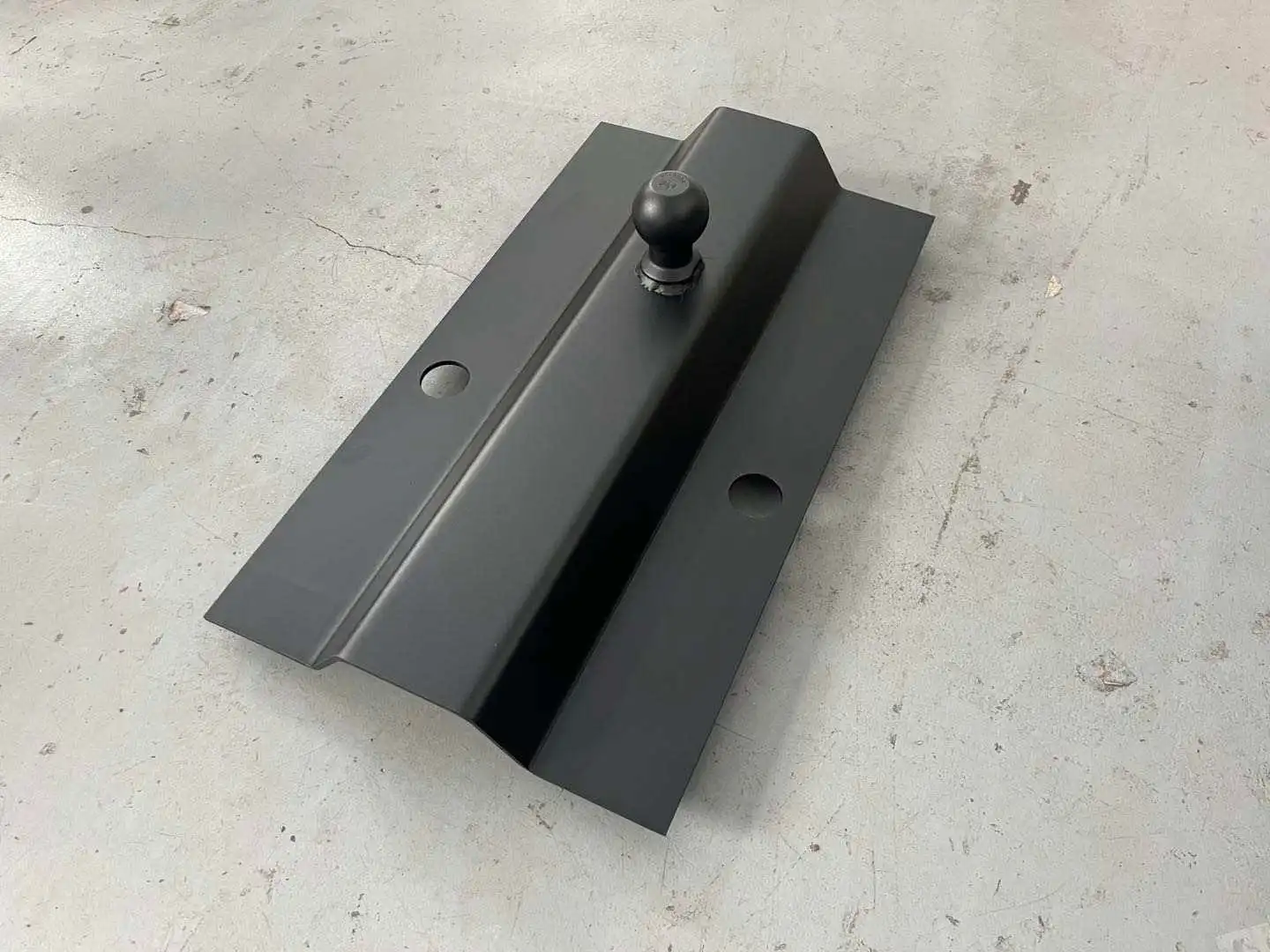
How to Choose the Right Trailer Parts for Your Business Needs?
When choosing strategic components, it's important to look at all of the working needs, environmental conditions, and performance standards. Material choice and component specs are directly affected by things that are unique to a business, like the type of load, the running setting, and how often the product is used.
Material Selection Considerations
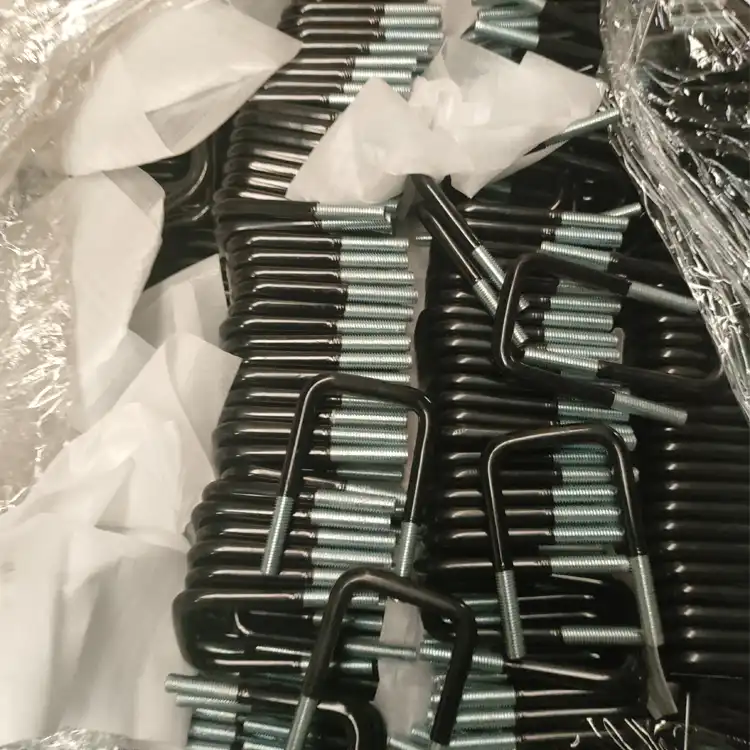
For heavy-duty uses, carbon steel parts are very strong for their weight and are also very affordable. RUIRUI's carbon steel trailer parts have modern spray coating processes that protect them better from the sun, make them last longer, and make them very resistant to rust. These treatments on the surface of the parts make them last longer in harsh settings like sea environments, chemical exposure, and big changes in temperature.
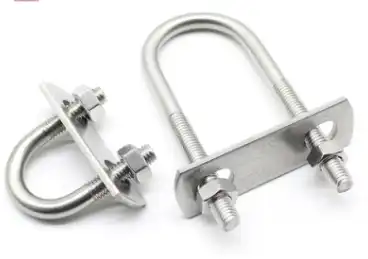
Aluminum options are lighter and better for situations where increasing payload capacity is more important than lowering starting costs. Stainless steel choices offer the best protection to corrosion for specific uses like transporting chemicals or working at sea.
OEM versus Aftermarket Considerations
OEM parts are guaranteed to fit perfectly and come with a protection, but they usually cost more up front and take longer to get. Alternatives from the aftermarket can save you money and be easier to find, but they need to be carefully checked to make sure they work with the original and meet quality standards. For specific uses where standard configurations can't meet specific operating needs, custom-manufactured components offer custom options.
RUIRUI's OEM capabilities allow them to make a lot of customized parts that are made to exact specs while keeping prices low for big orders.
Market Overview: Best Trailer Parts Brands and Suppliers for Global B2B Procurement
Established companies with experience in various application areas can be found on the global market for business trailer parts. When buying teams know what their suppliers do well, they can match those skills with the needs of their operations.
Industry Leadership Analysis
Leading companies like Dexter focus on axle kits and braking systems and have full product lines for a range of load sizes and situations. Lippert specializes in suspension technologies and connection systems, coming up with new ways to solve problems in both leisure and business settings. Timbren makes suspension parts that are specifically made for heavy-duty and off-road use.
RUIRUI stands out because it offers full customization, uses cutting-edge production technologies, and has quality control systems that are ISO-certified. Our building has eight production lines that can make more than 130,000 pieces a year. This helps global wholesalers and OEM partners meet their large-scale purchasing needs.
Supplier Reliability Metrics
Suppliers you can trust show consistent quality through approved management systems, written testing methods, and full warranty programs. The effectiveness of shipping relies on well-established logistics networks, the ability to handle inventory, and knowledge of how to ship goods between countries. When you buy in bulk, you should be able to choose from different payment plans, volume savings, and long-term contract choices.
RUIRUI keeps its ISO 9001, ISO 14001, and OHSAS 18001 certifications up to date. This makes sure that our manufacturing methods always meet quality standards and are environmentally friendly.
Buying Trailer Parts Online: Tips for Efficient and Secure Procurement
Digital buying platforms are convenient and save money, but vendors need to be carefully checked to make sure they are real and follow the terms of the guarantee. Strategies for buying things online that work well focus on verifying the seller, checking the product's authenticity, and using safe exchange methods.
Vendor Verification Strategies
Online stores with a good reputation keep a lot of information about their products, like certificates for the materials they use, measurements, and the results of performance tests. Legitimate sellers make it easy to understand the guarantee terms, return policies, and ways to contact technical help. Certifications and reviews from customers are two more ways to make sure that a supplier is trustworthy and that the products they sell are of good quality.
B2B buying platforms should offer safe ways to pay, send and receive data, and keep records of all transactions for tax and guarantee reasons. When you buy in bulk, you can take advantage of volume price structures, unique quote services, and flexible delivery schedules.
Risk Mitigation Approaches
Fake components are very dangerous and can put you at risk of being sued, so product identification is very important for important uses. Genuine parts come in the right package, with the right paperwork and identification marks that prove they are real from the maker. Warranty protections should cover both problems with the way the product was made and problems with how it works in normal situations.
Lead time optimization includes making sure that shipping plans work with business needs, keeping the right amount of supplies on hand, and finding backup suppliers for important parts.
Conclusion
To buy trailer parts efficiently, you need to find a balance between quality, cost, and business needs, all while meeting safety and performance standards. Knowing how parts work, how often they need to be serviced, and what suppliers can do helps you make smart decisions that will lead to long-term operating success. Quality components from approved makers like RUIRUI give challenging transportation applications the dependability and performance they need, ensuring regulatory compliance and working efficiency across a wide range of industry sectors.
FAQ
What maintenance frequency ensures optimal trailer parts performance?
Regular checks should happen every 3,000 miles or once a month for business use, and all safety-critical systems should be fully inspected once a year. Every 12,000. miles or whenever you notice a drop in performance, you should check your brakes. Bearings should be oiled according to the manufacturer's instructions, which is usually once a year or every 12,000 miles for normal use.
How do OEM and aftermarket parts compare for B2B applications?
OEM parts are more expensive and take longer to get, but they come with a protection that covers everything. You can save money and get more choices with aftermarket parts, but you need to be very careful to make sure they are of good quality. When standard configurations don't work for a certain purpose, custom-manufactured parts could be the perfect answer.
What criteria determine supplier reliability for bulk procurement?
Suppliers you can trust have ISO certifications, written quality control processes, and full warranty plans. How well shipping works depends on how well logistics networks and product control work. Financial stability, customer recommendations, and industry certifications are all extra ways to make sure that a seller is trustworthy and that you could work with them for a long time.
Partner with RUIRUI for Premium Trailer Parts Solutions
We at RUIRUI offer great value by making a wide range of trailer parts. We help global distributors, OEM partners, and infrastructure builders by customizing solutions that meet their tough business needs. Our carbon steel parts have improved spray coatings that make them last longer, protect against corrosion, and offer better toughness in harsh settings. We can meet large-scale buying needs with our ISO-certified quality management systems, eight specialized production lines, and yearly capacity of more than 130,000 pieces. We do this while keeping our prices low and our delivery times reliable. Email our engineering team at kshdhardware@qdkshd.com to talk about your unique needs and find out how our experience as a trailer parts seller can help you improve the performance of your supply chain and the efficiency of your operations.
References
Johnson, M. (2023). "Commercial Trailer Component Engineering Standards and Safety Protocols." Transportation Equipment Manufacturing Journal, 45(3), 78-92.
Anderson, R. & Thompson, K. (2022). "Material Selection for Heavy-Duty Trailer Applications: Performance and Cost Analysis." Industrial Manufacturing Review, 38(7), 156-171.
Williams, D. (2023). "Quality Assurance in Trailer Parts Manufacturing: ISO Standards and Best Practices." Manufacturing Excellence Quarterly, 29(2), 45-58.
Roberts, S. (2022). "Global Supply Chain Management for Transportation Components." International Procurement Studies, 15(4), 203-218.
Martinez, C. (2023). "Maintenance Protocols for Commercial Transportation Equipment: Safety and Compliance Guidelines." Fleet Management International, 31(6), 89-104.
Davis, P. & Lee, J. (2022). "Emerging Technologies in Trailer Component Manufacturing and Quality Control." Advanced Manufacturing Technology Review, 42(8), 267-282.

Send Inquiry

Related Industry Knowledge
- Why Choose a Stamped Stainless Steel Pan for Restaurants
- How Do Secure Towing Solutions Prevent Trailer Sway?
- Best Trailer Coupler for Boat Trailer: Corrosion-Proof vs Coated
- How do I position a gooseneck hitch ball plate in my truck bed?
- What Materials Are Used for Bend Electronic Housing Parts?
- Where are Latch Spring Pulls Used?
- Are Trailer Hitch Tighteners Secure?
- Can I use a 2-inch coupler repair kit on different trailer types?
- Can corrugated metal fences be installed on sloped terrain?
- What is a foot plate for a trailer jack used for?