
What is a link plate used for?
As vital connections and stabilizers in structural applications, link plates are vital parts of many industries. These adaptable components are crucial for connecting various structural components, improving stability, and efficiently transferring loads. We'll examine their many applications, their significance in engineering and construction, and how they enhance the robustness and longevity of different buildings in this thorough guide. Whether you work in civil engineering, architecture, or urban furniture design, knowing how it works and how to use it will enhance overall structural integrity and your projects.
The Fundamentals of Link Plates
Definition and Composition of Link Plates
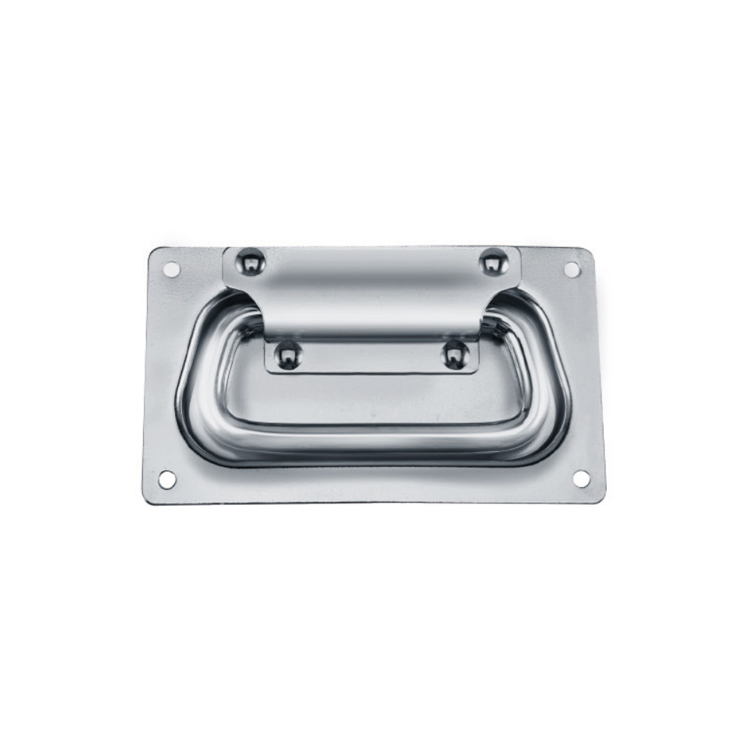
Link plates are flat, usually metal parts used to link structural sections. They are sometimes referred to as connector plates or gusset plates. Depending on the particular purpose and environmental factors, these plates are often constructed from high-strength materials like steel, stainless steel, or aluminum. Because they must endure high pressures and stresses without losing their structural integrity, their composition is essential to their performance.
Types of Link Plates
There are a number of different kinds of link plates, each of which was made for a specific purpose and needed to bear loads. These are some typical kinds:
- Level connection plates: Perforated link plates: These flat, simple pieces of metal are used for basic connections. Highlighting pre-bored openings for simple gathering and movability
- Exclusively molded connect plates: Intended to fit exceptional primary setups
- Built up interface plates: Integrating extra reinforcing components for high-stress applications
The decision of connection plate type relies upon variables like burden prerequisites, ecological circumstances, and the particular foundational layout.
Manufacturing Processes for Link Plates
The production of link plates involves several manufacturing processes to ensure precision, strength, and durability. These processes may include:
- Cutting: Utilizing advanced cutting technologies like laser or water jet cutting for accurate shapes
- Punching: Creating holes for bolts or other fasteners
- Bending: Shaping the plates to fit specific structural requirements
- Welding: Joining multiple components for complex link plate designs
- Surface treatment: Applying protective coatings or finishes to enhance durability and corrosion resistance
Applications of Link Plates in Construction and Engineering
Structural Support in Buildings
It is essential to the construction sector because it gives structures structural stability. They are often used to join beams, columns, and other load-bearing components in steel frame buildings. It improves the structure's overall stability and load-bearing capability by distributing forces equally across it. Link plates are especially crucial for establishing sturdy connections between floor systems and vertical supports in multi-story structures so that the structure can sustain a variety of loads and external pressures.
Bridge Construction and Maintenance
When building and maintaining bridges, link plates are essential. Bridge girders, trusses, and other structural elements are joined together using them to create sturdy connections that can bear the dynamic stresses that bridges encounter. It is essential for fastening suspension cables to the bridge deck and towers in suspension bridges. To guarantee the long-term stability and safety of these vital infrastructure components, bridges must undergo routine maintenance and inspection.
Industrial Equipment and Machinery
It is used in industrial applications in addition to building. Link plates are used in heavy machinery and equipment to connect moving elements, support operating components, and improve the machinery's overall structural integrity. Conveyor systems, for instance, may utilize it to connect several conveyor belt sections or to fasten the system to supporting structures. They are perfect for usage in harsh industrial settings because of their strength and ability to support loads.
Link Plates in Urban Furniture and Design
Enhancing Stability in Outdoor Seating
Link plates are essential for improving the stability and longevity of outdoor seating alternatives in the context of urban furniture. For example, park benches often use it to firmly connect the sitting surface to the supporting structure. By distributing user weight equally across the structure, these plates avoid placing excessive strain on any one area. Additionally, link plates for outdoor seating applications are usually made to endure a variety of weather conditions, guaranteeing durability and low maintenance needs for public areas.
Connecting Elements in Modular Urban Structures
It is often included into the design of modular urban buildings like public art displays, information kiosks, and bus shelters. These plates make it simple to carry and install modular components by enabling their effective assembly and disassembly. Because link plates are so versatile, urban planners may construct flexible, reconfigurable structures that can be readily enlarged or changed to accommodate evolving urban requirements. This versatility is especially useful in quickly changing metropolitan settings.
Reinforcing Bicycle Racks and Parking Structures
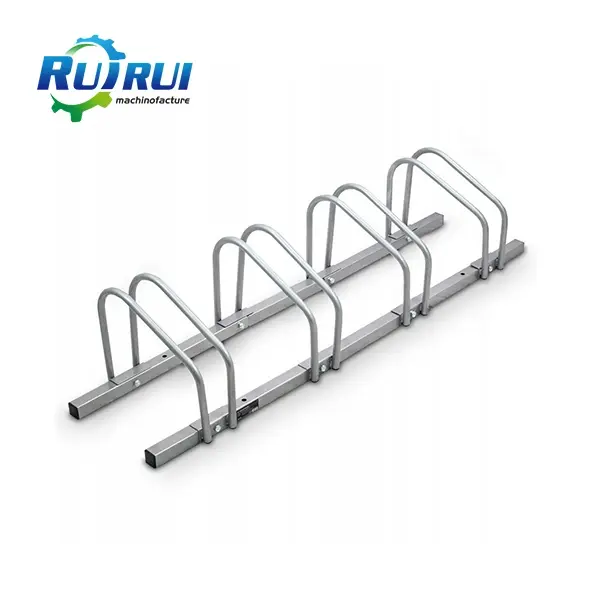
The usage of it greatly benefits parking buildings and bicycle racks. By strengthening the connections between various components of the rack or structure, these pieces assist ensure that they can endure the regular strain of parking and removing bicycles. Link plates are crucial for establishing robust, reliable connections between levels in multi-tier bicycle parking systems. The lifetime of these buildings is enhanced by their well-designed durability, which lowers maintenance costs and enhances the entire riding experience for city dwellers.
Conclusion
Link plates are useful and essential parts of engineering, urban planning, and building. They are crucial in many different applications, from ordinary urban furniture to tall buildings, because of their capacity to form robust, long-lasting connections. It is impossible to overestimate the significance of link plates in building secure, sturdy, and flexible structures as cities continue to develop and expand. You may reach us at info@qdkshd.com to learn more about this product.
References
1. "Structural Engineering Handbook: Link Plate Applications in Modern Construction" by J.R. Smith
2. "Urban Furniture Design: Integrating Link Plates for Enhanced Durability" by L. Chen
3. "Bridge Engineering: The Role of Link Plates in Structural Integrity" by M. Johnson
4. "Industrial Machinery Design: Optimizing Link Plate Usage for Equipment Stability" by T. Williams
5. "Advances in Materials Science: Innovations in Link Plate Composition and Manufacturing" by S. Patel
6. "Modular Urban Architecture: Link Plates as Key Components in Adaptable City Structures" by A. Rodriguez

Send Inquiry
Related Industry Knowledge
- What are the different types of bollards?
- What materials are used for street furniture?
- What materials are link plates made from?
- How do link plates contribute to structural integrity?
- How do you maintain or inspect link plates?
- What was the purpose of a pump cover?
- What is a pump cover plate?
- What Are the Different Types of Bollards?
- What Are U Bolts Used For?
- What is a Mounting Bracket?