
What is the Weight Capacity of a Trailer Hitch Pin?
When picking mechanical fasteners for towing, it's important to know how much weight each part can hold. A trailer hitch pin is what holds a ball mount or cargo carrier shank in place on the receiver tube of a car that is pulling the trailer. That depends on how big it is, what it's made of, and how it was made. This pin can hold between 2,000 and 20,000 pounds of weight. Most of the time, Class I and II hitches that can hold up to 3,500 pounds can be used with standard 1/2-inch pins. Heavy-duty 5/8-inch pins, on the other hand, can hold up to 20,000 pounds and work with Class III through Class V loads. This number has to do with the shear strength, or how well it can handle the cutting forces that happen when the loaded vehicle speeds up, slows down, or turns corners.
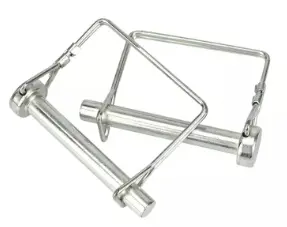
Understanding Trailer Hitch Pin Weight Capacity
To find the right load rating for tow hardware, you need to look at a number of technical details that work together to make sure the hardware doesn't break. There is no chance in picking the capacity. It is based on careful engineering calculations and standard testing methods that take into account how stress can happen in real life.
How Weight Ratings Are Established
Because of standards in the industry, especially SAE J684, pins are tested by putting them under static and moving loads that are higher than their rated capacity. The shear forces are controlled until the pin breaks or bends. Next, they choose a safety factor, which is usually between 2:1 and 3:1, and set the highest load that can be used. That is, a trailer hitch pin that says it can hold 10,000 pounds has been tested to hold between 20,000 and 30,000 pounds before it breaks. Fatigue analysis is also part of the testing. This is done by putting pins through thousands of load cycles that are meant to simulate years of towing. This thorough method makes sure that the stated capacity takes into account differences in the materials, the tolerances used in manufacturing, and stress events that happen out of the blue while the product is being used.
Pin Diameter and Its Impact on Capacity
The cross-sectional area of a pin is what makes it strong in a shear test. A pin with a diameter of 1/4 inch has about 0.049 square inches of material that can stand up to shear forces. This means that Class I hitches can only be used for accessories that are very light, like bike racks. There are four times as many pins when you use 1/2-inch ones, so the cross-sectional area is now about 0.196 square inches. In other words, they can pull trailers that weigh up to 3,500 pounds. If the gross weight of a trailer is close to or over 10,000 pounds, it needs heavy-duty 5/8-inch pins with 0.307 square inches of load-bearing material. Professional procurement teams have to make sure that the pin's diameter fits both the receiver tube's opening and the tongue's heaviest weight. Using a pin that is too small makes a terrible weak spot, no matter how strong the other parts are.
Material Composition and Shear Strength
The metallurgical properties of the base material have a big impact on how much weight it can hold. Tensile strengths of more than 120,000 PSI can be found in alloy steel pins that have been heated. It is possible to do this by slowly heating and cooling the pins, which makes them harder and smooths out the grain structure. These pins don't bend even when they're under a lot of stress. They also don't change shape even after being towed over and over. When used in marine or industrial settings, stainless steel types are better at resisting corrosion. However, unless they are specially alloyed with molybdenum or other elements that make steel harder, they usually have lower shear strength. Zinc-plated carbon steel is a good middle ground because it is strong enough for most uses and the zinc coating keeps it from rusting too much. Engineers should ask for material certifications and hardness test reports when they look at large purchase orders to make sure the metal actually meets the requirements.
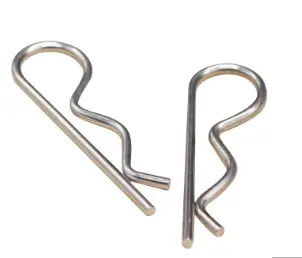
Key Factors Affecting Trailer Hitch Pin Weight Capacity
A trailer hitch pin's dependability over its lifetime is affected by many things besides its basic size. These include how it was made and its environment. Procurement professionals can tell the difference between cheap hardware and parts made for high-demand uses if they know these things.
Material Quality and Manufacturing Precision
Advanced heat treatment methods can be used to turn regular steel into high-performance fasteners that can hold a lot of weight. By quenching in special oil or polymer baths and then going through precise tempering cycles, you can make a microstructure that is the right amount of tough and hard. This makes sure that the material doesn't break easily when it's hit with shocks. How the surface is finished is also important. Precision-ground pins have lower stress concentrations than rough-forged pins. This means that small flaws are less likely to cause cracks to form. Good manufacturers use statistical process control to make sure that the differences in sizes are no more than a thousandth of an inch. This stops any play between the parts and the receiver tubes, which would otherwise cause wear and stress risers. If you only buy parts from factories that are ISO 9001-certified, you can be sure that the controls over the production process are written down and checked often.
Pin Types and Their Load Ratings
There are different designs that can be used for different tasks while still doing their main job of retention. Most standard slide-through pins with clip retention are rated for the full capacity of their diameter and material grade. They are easy to put in place and take out. Locking versions have cylinders that can be opened with a key. This keeps expensive ball mounts from being stolen while keeping the same shear strength. Because of this, they are perfect for business vehicles that are left alone in public places. Cotton pins or wire locks can be held in place by the grooves on the ends of clevis pins. This makes them very stable in farming and building tools where vibrations could easily loosen clip mechanisms. Heavy-duty pins with threads work more like bolts. They have machine threads that let you tighten them against the receiver wall very precisely. This stops them from moving and the wear that comes with it. If you switch from one type of design to another without first checking to see if the load ratings are the same, it can lose safety margins.
Environmental Factors and Their Impact
How a pin is used has a lot to do with how well it keeps its weight over time. It takes longer for galvanic corrosion to happen in salt water, especially when different metals in the receiver assembly touch each other. There is less useful cross-sectional area because of this corrosion, and surface pits that concentrate stress are made. Cycles of loads can be sent to the pin material by highway vibrations and rough terrain. This can make it harder to work with and more likely to break suddenly. Very high or very low temperatures are also important. In northern climates, pins are heated and cooled many times, which can wear away the protective coatings. In industrial settings, pins may be exposed to chemicals that can damage even stainless steel alloys. These environmental stressors should be looked at during regular checks, and pins that work in tough conditions should be changed more often.
Trailer Hitch Pin vs Alternatives: Load Capacity and Safety Considerations
Find out how the different mechanical options compare in terms of how well they hold weight, how safe they are, and how simple they are to use. This will help you choose the best retention hardware. There are good and bad things about each choice that make them better or worse for different activities. The trailer hitch pin remains the standard for most heavy applications.
Trailer Hitch Pins vs Clips
Hitch clips are simple wire shapes that fit through the trailer hitch pin and make it easy to keep things together in light-duty situations where the main goal is to keep things from coming apart by accident while they're being used normally. These clips don't really make the structure stronger; all they do is keep the pin in place when the structure shakes. The pin itself is under the shear load. Heavy-duty hitch pins, on the other hand, have locking mechanisms that are held in place by springs. Some of the locking assembly's retention force is spread out by these parts, but the pin shaft still has to carry the majority of the weight. If the tongue weight of your bike rack or cargo carrier is less than 500 pounds, clips work fine. But when used for commercial towing, they have one weak spot. Professional operators often ask for dual-retention systems, which have two locking clips in case one fails. These systems have a structural pin and a secondary locking clip.
Locking Pins for Dual Functionality
Locks with hardened steel cores that can't be drilled or picked are used in designs that focus on security. These locks can hold weight and keep thieves away. The pins that don't lock have the same diameter and material grade as the ones that do, so the built-in lock doesn't weaken the shear strength. Many times, the lock core is attached so that it is not parallel to the pin shaft. This keeps the main load path free of weak spots. Some models from well-known brands have weather seals and tumblers that don't rust, so they can handle water and road salt without breaking. When buying locking pins for a fleet, making sure that each set has a unique key makes it easier to keep track of the keys and gives each vehicle its own level of security.
Coupler Pins and Hitch Bolts
Even though coupler pins aren't round like ball mounts, they still work the same way. They just hold the trailer coupler mechanism in place better. It pulls on these pins when the ground is rough because the coupler tries to lift off the ball. For the job, they need to have the right diameter and strength. Instead of pins, threaded fasteners with grade 8 or higher specs are used. These are known as hitch bolts. They let you precisely control the torque and stop movement with a clamping force. Taking the extra time to properly torque threaded fasteners is worth it because this method works well when coupling and uncoupling happen a lot.
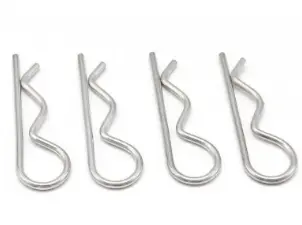
Procuring the Right Trailer Hitch Pin for Your Needs
It is better to match trailer hitch pin hardware specs to operational needs than to over-engineer, which wastes money, or to under-specify, which leaves you open to liability. A methodical way of choosing a trailer hitch pin takes into account all the important performance factors.
Assessing Load Requirements
The first thing that procurement teams should do instead of guessing is find out what the real tongue weights are. Most of the time, tongue weight is 10% to 15% of the gross trailer weight. This means that a trailer that is loaded and weighs 10,000 pounds puts 1,000 to 1,500 pounds of force on the ball mount and pin. This load lifts a lot when you need to stop quickly or when you're driving on rough ground. The dynamic multipliers can go up to 2x or even 3x in the worst cases. It's a good idea to make sure that the pins can hold at least twice the tongue weight for these short-term loads. Fleet managers should also think about how much weight the whole hitch system can hold. For instance, putting a 20,000-pound pin on a 5,000-pound hitch doesn't make the system stronger; the system's performance is based on its weakest link.
Trusted Brands and Certifications
Brands that have been around for a while hold themselves to high quality standards and offer full warranties on their goods. When it comes to testing, brands like CURT, Reese, and Husky have been around for a long time and follow rules that meet or go beyond SAE standards. Most of their products have clear markings for material and capacity certifications, which helps people who work in procurement pick the right ones. When pins fail, they can be tracked and blamed because they have the right markings, like "Class IV" or specific load ratings. Coverage under the warranty is also important. Companies that are sure of their processes will cover flaws for a long time, but cheap suppliers might only do so for 90 days or less.
Custom Solutions for Specialized Applications
Standard off-the-shelf pins work well most of the time, but OEM integrators and infrastructure contractors often need unique solutions. When you have something custom made, you can pick diameters that aren't standard, lengths that are longer for receivers with thick walls, or alloys that aren't common in places where corrosion is common. When you work with companies that can precisely machine, heat treat, and finish the surface of your hardware, you can make it fit your needs and give you the best performance and value for your money. Because you'll be buying more, you can save money and make sure you always have enough for your projects. Giving manufacturers detailed engineering drawings and load specifications helps them choose the best materials and processes to meet performance goals when they are looking at these options.
Conclusion
Knowing how much weight the trailer hitch pin can hold is a key part of making sure the towing is safe and reliable. Between 2,000 and 20,000 pounds is the range of capacity. It depends on a lot of factors, such as the diameter of the pin, the material used, the way it was made, and the weather. When you buy something professionally, you have to make sure that the pin specifications match the load needs and that you take into account dynamic stress multipliers that are higher than static tongue weight calculations. You can be sure that pins will work well for as long as they are used if you buy them from officially licensed manufacturers, install them correctly, and check them often. Procurement teams can make sure that their uses are safest and most cost-effective when they know the mechanical differences between standard pins, locking pins, and other options.
FAQ
How do I determine the correct trailer hitch pin diameter for my receiver?
You can find the through-hole in your receiver tube with calipers or a drill bit gauge. Most of the time, 1/2-inch pins are used in Class I and II receivers with 1.25-inch openings. 5/8-inch pins must be used with Class III through V receivers that have holes that are at least 2 inches wide. If the diameter of the trailer hitch pin is less than what is recommended for your receiver class, you should never use it. This will make the shear strength much lower. If you're not sure what to do, look at the towing guide that came with your car or the paperwork that came with the hitch. It will tell you what size pins you need for the job.
Can I replace a standard pin with a locking pin without reducing capacity?
If they are made right, quality locking pins need the same diameter and type of material as regular pins, so they can hold the same amount of weight. The lock is set up so that it's not in the way of the main load path. In other words, it doesn't leave any weak spots in the pin shaft. Any locking pin you use should have the same class rating as your hitch system and the right load markings. If you want to buy cheap locking pins that are made of soft materials or have small holes in them, don't do it.
What is the difference between shear strength and tensile strength for hitch pins?
A shear strength test tells you how strong a pin is against lateral cutting forces. These happen when the trailer pushes and pulls on the ball mount while it's being towed. It shows how well a pin can stand up to forces that try to pull or stretch it along its length. Even though standard bolts have high tensile ratings, they still fail horribly when used for towing because hitch pins are made to handle shear loads. When it comes to fasteners, you should only use pins that have been rated and tested for shear applications.
Partner with RUIRUI for Reliable Trailer Hitch Pin Manufacturing
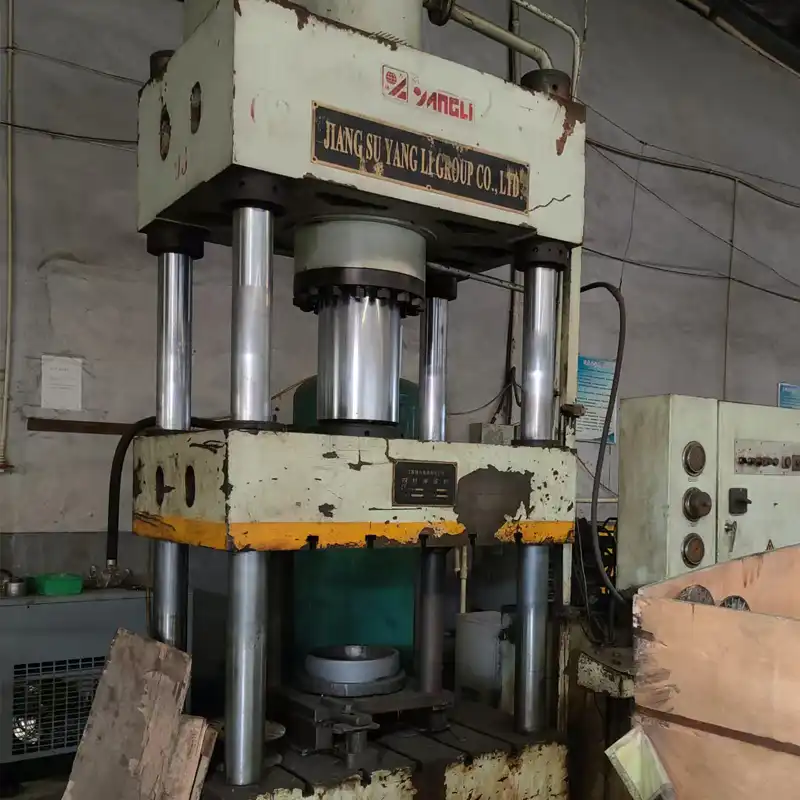
It is important to find a supplier you can trust for engineered towing parts so that you can keep the quality and availability of your fleet operations, infrastructure projects, or distribution stock. RUIRUI has been making trailer accessories for more than 15 years and is very good at making precision sheet metal fabrications and custom metal parts. There are eight automated production lines at our Qingdao plant that can make 130,000 units a year. We have ISO 9001, ISO 14001, and OHSAS 18001 certifications for our quality management systems. You can change everything about your trailer hitch pin here. You can pick from carbon steel that has been zinc-plated, stainless steel, or alloy steel. We can also make them in any diameter or length that fits your receiver. Stamping isn't the only thing we can do. We can also do CNC machining for tight tolerances, heat treatment for higher shear strength, and advanced surface finishing like powder coating, plating, and anodizing for better corrosion resistance. Because we are the manufacturer and not just a trader, we can offer factory-direct prices. This helps you get more for your money, and we offer full engineering support throughout the whole process of making the product. It doesn't matter if you need standard catalog items or fully customized OEM solutions; our technical team works together to make sure that the specs meet your needs and safety standards. Send us an email at kshdhardware@qdkshd.com if you want to buy in bulk, get samples, or learn more about how our custom fabrication services can help you with your towing hardware issues.
References
Society of Automotive Engineers. SAE J684: Trailer Couplings and Hitches - Automotive Type. SAE International Standards, 2018.
National Highway Traffic Safety Administration. Federal Motor Vehicle Safety Standards for Trailer Hitches and Towing Equipment. U.S. Department of Transportation, 2020.
Anderson, Michael R. Mechanical Fasteners for Automotive and Industrial Applications: Design, Testing, and Failure Analysis. Engineering Press, 2019.
Industrial Fasteners Institute. Fastener Material Selection and Shear Strength Testing Protocols. IFI Technical Standards, 2021.
Peterson, Laura J. Metallurgical Considerations in High-Stress Automotive Components. Materials Science Quarterly, Vol. 45, 2022.
Transport Engineering Council. Best Practices for Commercial Towing Systems: Safety Standards and Maintenance Guidelines. TEC Publications, 2023.

Send Inquiry
You may like
Related Industry Knowledge
- Trailer Coupler Installation & Maintenance: Step-by-Step Guide
- What Makes OEM Trailer Coupler and Hitch Components High Performance?
- How to Select a Reliable Trailer Coupler Manufacturer for Your Brand?
- Trailer Parts Manufacturer as Your Strategic Supply Chain Partner
- How a Weather-Resistant Lockable Hitch Pin Extends Equipment Life?
- Trailer Safety Chains: Why Zinc-Coated Chains Outlast and Perform
- Need a Reliable Trailer Pin? Discover Top Features Buyers Love
- How would a Trailer Hitch A Frame Coupler manufactured with laser cutting and CNC precision benefit your operational efficiency?
- How Much Weight Can Stainless Steel Wall Hooks Hold?
- Are there any safety considerations when using a coupler repair kit?