
Where to Buy a Hitch Ball?
To find the best hitch ball for your business, you need to know both what it needs and where to get it. Teams of professionals who buy things can find high-quality trailer balls from specialized manufacturers, industrial dealers, and reliable online stores. If you want to find a good tow company for your fleet, you should look for one with regular quality, the right licenses, and big buying options. The best way to keep your driving operations safe and cut costs all around is to work with providers who have a lot of experience. That is true whether you need normal sizes, like balls with a 2-inch diameter, or unique options made just for you.
Understanding Hitch Balls – Essential Knowledge Before You Buy
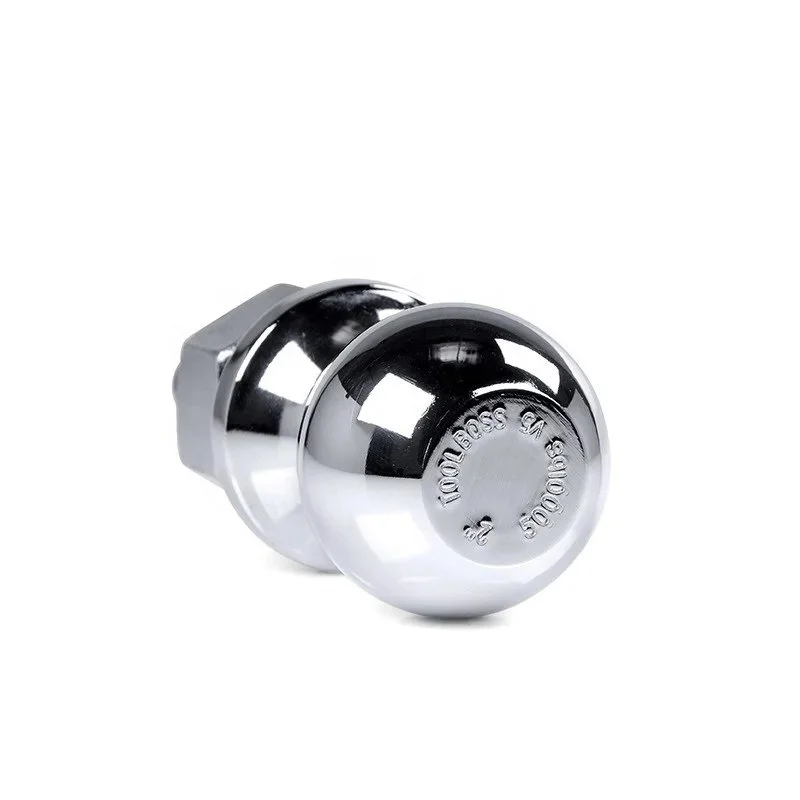
Some people call a hitch ball a trailer ball or a tow ball. It is a round connecting part that goes on the back of your tow car. It's made to securely connect to trailer couplers and allow safe, all-around pulling. This part seems easy, but it's very important for moving big things from trucks to cars while still letting them turn and move.
Standard Sizes and Load Capacities
Most balls in the business world have a width of either 1-7/8 inches, 2 inches, or 2-5/16 inches. The 50mm metric form is becoming more popular in other countries. To make sure you stay safe on the job and follow the rules, the size you pick must exactly match the Gross Trailer Weight Rating of your trailer and the coupler.
The weight that different shapes can hold is very different. Balls that are about 1-7/8 inches across can hold up to 2,000 pounds, which means they can be used for light service carts and small recreational gear. The well-known balls with a width of 2 inches can hold 3,500 to 5,000 pounds, which is enough to cover most business-use utility and mid-size pleasure trailers. Heavy-duty 2-5/16-inch balls can hold up to 10,000 pounds, which is useful for industrial moving jobs that need to move heavy tools, big cargo trucks, or other things.
Material Construction and Finish Options
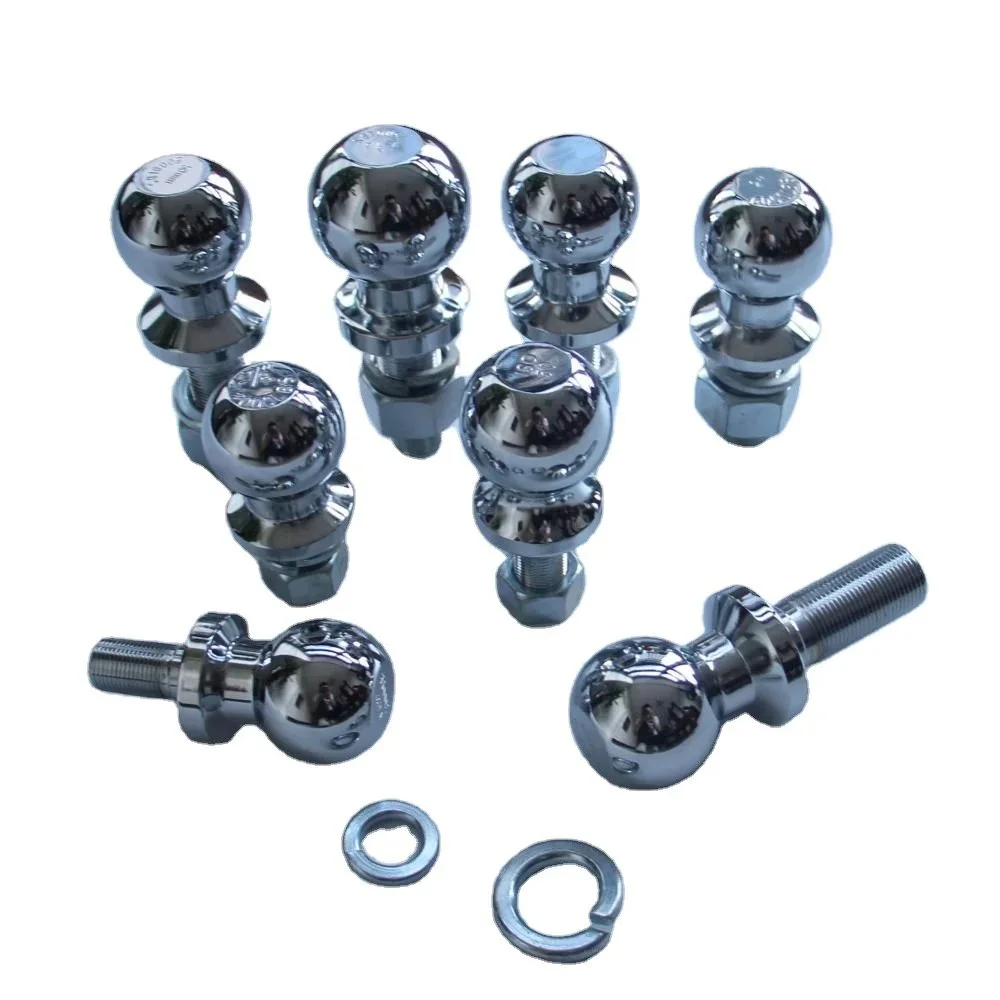
Most good hitch ball are made from cast or machined carbon steel. This makes them strong and resistant to wear, so they can handle tough pulling jobs. In this line of work, chrome coating is the standard finish. The surface is kept safe from rust and wear by the cover. Types of stainless steel made from 304 or 316 grade materials are better at fighting rust for certain uses, especially those that take place in tough environments or near water.
Critical Installation Specifications
To make sure it fits right, check that the shank's width and length are the same as the hitch mount receiver. To firmly connect the ball to the mount, the right nuts and lock washers must be used for each fitting. This makes the load shift safe and stops disconnections that could be dangerous while it's running.
Where to Buy Hitch Balls – Trusted Channels for Global B2B Procurement?
There are a number of trustworthy places where professional buying teams can get good tow tools. Each has its own pros and cons that will depend on your needs and what you can and can't do.
Online Marketplaces and Specialty Retailers
Online shops that have been around for a while, like Amazon Business, etrailer, and big home improvement stores, have huge catalogs with lots of information about their products and reviews from real customers. These sites are great for buying teams that want to look at a lot of options, compare technical specs, and get comments from users that will help them choose what to buy. Many of these stores let you buy in bulk, and they even have business accounts that make it easy to buy in bulk and get better deals.
Direct Manufacturer Relationships
Working directly with well-known companies like CURT, Reese, Draw-Tite, and B&W has many perks, such as making sure the goods are accurate, giving full warranties, and letting you place custom orders. If buying teams have direct ties with suppliers, they can talk about specific needs, get expert help, and make long-term deals that lock in prices and quality.
Specialized Industrial Distributors
Tow equipment and hitch ball tools can often be sent quickly by dealers in your area who specialize in them. On top of that, these wholesalers might offer extra services like expert help and help with fitting. Most of the time, these distributors keep goods in stock that are made to be used in businesses and factories. They know what needs to be done for truck operations and heavy-duty towing.
Custom Manufacturing Solutions
Specialized companies like RUIRUI can make custom hitch ball that are exactly what you need. Standard goods can't meet your needs for certain sizes, use certain materials, or give you more end options than they do. For businesses that need specific tools or have unique working needs that a standard product can't meet, custom options are the best way to go.
How to Choose the Best Hitch Ball for Your Business Needs?
When picking out the right tow tools, there are a few things you should really think about because they will have a direct impact on how safe, fast, and cheaply your fleet works.
Load Requirements and Safety Considerations
Before making your choice, you should know how much the trailer can carry at its most extreme. This includes both the weight of the trailer and its storage area. Safety gaps should be at least 20% bigger than what is needed to account for changing loads, bad road conditions, and situations. Weight numbers must match up with both the car's ability to tow and the trailer's specs to make sure that safety rules and insurance rules are followed.
Material Selection Based on Operating Environment
How the business is run has a big impact on the things that are chosen. Carbon steel balls that have been chrome-plated work well in most situations and are a cheap choice for most business needs. If you are building in a marine environment, where chemicals will be present, or in harsh weather, it may be worth the extra cost to use stainless steel, which lasts longer and needs less maintenance.
Compatibility and Integration Factors
Size for hitch ball isn't just about the width of the ball. It also has the shank measures, thread specs, and information on how to use gear that is suitable. Procurement teams must make sure that the goods they choose will work with existing hitch carriers and mounting systems so that changes don't have to be made that cost a lot of money or put people in danger.
Step-by-Step Guide for Ordering a Hitch Ball – From Inquiry to Delivery
There needs to be an organized way to buy things that keeps risks to a minimum and makes sure that goods are brought on time and meet business needs.
Pre-Purchase Preparation and Specification Development
Specifications must be very specific, including exact sizes, loads, material choices, and number needs in order for buying to work well. How to place the product, what mounting hardware is needed, and any external factors that might affect the choice of product should all be in the technical specs. The paperwork should include the current hitch receiver specs, standards for cars that can work with them, and operating load profiles.
Supplier Evaluation and Selection Criteria
You should think about a lot of things when choosing a seller, like the quality of their goods, how quickly they can ship, and how helpful they are. Lead times, guarantee terms, and the ability to help customers after the sale all have a big impact on the long-term value and stability of operations. There may be cheaper international providers, but you should carefully check how they ship, how constant their quality is, and how well they can talk to you.
Order Processing and Quality Assurance
Procurement workers look over the specs, quality certifications, and delivery times of orders before they are finished. When goods come in, they should be inspected to make sure they meet the standards. This means checking their sizes, load rates, and finish quality. The paperwork should include certificates of compliance, material certifications, and fitting instructions that help make sure the job is done right.
Conclusion
To buy hitch ball successfully, you need to find a balance between your technical needs, the quality standards you want, and the cost. You should also work on building relationships with reliable providers that will meet your long-term business needs. Teams of professionals who buy things need to know both a lot about the things they buy and how to get the best deals on them. You should carefully think about your needs, the suppliers' abilities, and the total cost of ownership, which is more than just the purchase price and includes things like installation, maintenance, and replacement. This is true whether you're looking for standard products from well-known distributors or custom solutions from specialized manufacturers.
FAQ
How do I measure my existing hitch ball correctly?
Some of the best ways to find the diameter of a ball are to use calipers or other accurate measuring tools. The diameter is usually found at the widest point of the sphere. You can tell if the shanks will fit your hitch receiver by how wide and long they are. Good balls have weight numbers stamped on them, which makes it easy to check.
What distinguishes hitch balls from pintle hooks in commercial applications?
For normal business towing needs, hitch ball systems work more smoothly and are easier to connect. Pintle hooks, on the other hand, can hold more weight and are built to last longer, making them better for heavy-duty military and industrial uses. Some people find that ball systems are easier to move and make less noise than pintle hook styles.
When should companies consider custom hitch ball manufacturing?
Custom production is helpful when standard goods can't meet certain needs, like when the product needs to be a certain size or be made from a special material. Large fleet operations may benefit from custom solutions that make the most of the fact that a lot of different car and trailer combos can work together. Through volume discounts, these options may also help bring down the total cost of the buy.
Partner with RUIRUI for Professional Hitch Ball Solutions
You can trust RUIRUI to make good hitch balls. You can tell them what size or type you need, so they can meet all of your B2B needs in business and industry. The factories we have in Qingdao, China, are very advanced. They use CNC milling, precision pressing, and special finishing methods to make hitch ball goods that are better quality and last longer than most in the industry.
Our ISO-certified production methods ensure consistent quality, and our experienced engineering team helps with technical problems that come up with big orders and special orders. Being able to fully adjust and come in sizes like 1-7/8 inches, 2 inches, and 50mm, we can give you answers that are just right for your needs. You can email our buyers at kshdhardware@qdkshd.com to talk about your hitch ball provider needs and find out how our OEM/ODM services can help you get the best tow equipment.
References
Society of Automotive Engineers. "Trailer Coupling Standards and Safety Requirements for Commercial Vehicles." SAE International Technical Paper Series, 2023.
National Highway Traffic Safety Administration. "Federal Motor Vehicle Safety Standards: Trailer Hitch Components and Installation Guidelines." Department of Transportation Safety Manual, 2023.
American Society for Testing and Materials. "Standard Specifications for Towing Equipment Materials and Load Testing Procedures." ASTM International Standards Publication, 2022.
International Organization for Standardization. "Road Vehicles - Trailer Coupling Systems - Performance Requirements and Testing Methods." ISO Technical Committee Report, 2023.
Commercial Vehicle Safety Alliance. "Best Practices for Fleet Towing Equipment Inspection and Maintenance." CVSA Technical Bulletin, 2022.
Industrial Supply Association. "B2B Procurement Guidelines for Heavy-Duty Towing Components and Supplier Qualification Standards." ISA Industry Report, 2023.

Send Inquiry

Related Industry Knowledge
- Hitch Pin Clip vs Hitch Lock Which Is Better
- Coupler Lock: Essential Trailer Security for Theft Prevention & Peace of Mind
- How Sheet Metal Fabrication Drives Lightweight, Durable Products?
- Heavy Duty Locking Hitch Pin for Trucks, Trailers, and RVs
- How can RUIRUI's extensive experience and R&D in metal fabrication elevate the performance of your required Electrogalvanized U-bolts?
- What Surface Finishes Are Available for Special-Shaped Forging Custom Auto Parts and Why Do They Matter?
- Could sourcing your Trailer Hitch A Frame Coupler from an original factory with advanced thermoplastic coating processes boost your competitive edge?
- How Can CNC Metal Accessories Help You Achieve Cost-Effective Manufacturing?
- How do you install a 1/4 Hitch Pin Lock?
- Do Trailer Hitch Tighteners Come in Different Styles?