
Coupler Lock: Essential Trailer Security for Theft Prevention & Peace of Mind
In the tough business-to-business markets of today, trailer theft is a big problem. Because making money and getting things done quickly are both tied to keeping important things safe. There you have it. A coupler lock is one of the best ways to keep people from stealing or using your trailer without your permission. The wiring on the trailer is locked by these tools, making it hard for thieves to quickly connect trailers to cars that don't have them. People who work in buying and fleet management can learn everything they need to know about coupler locks in this guide. For example, it shows how to install them and how they can help keep your cars safe. Businesses can easily keep running with these helpful security tips. They will also lower their risk of theft and enjoy the peace of mind that comes from knowing their valuable trailer assets are always safe.
Understanding Coupler Locks and Their Security Benefits
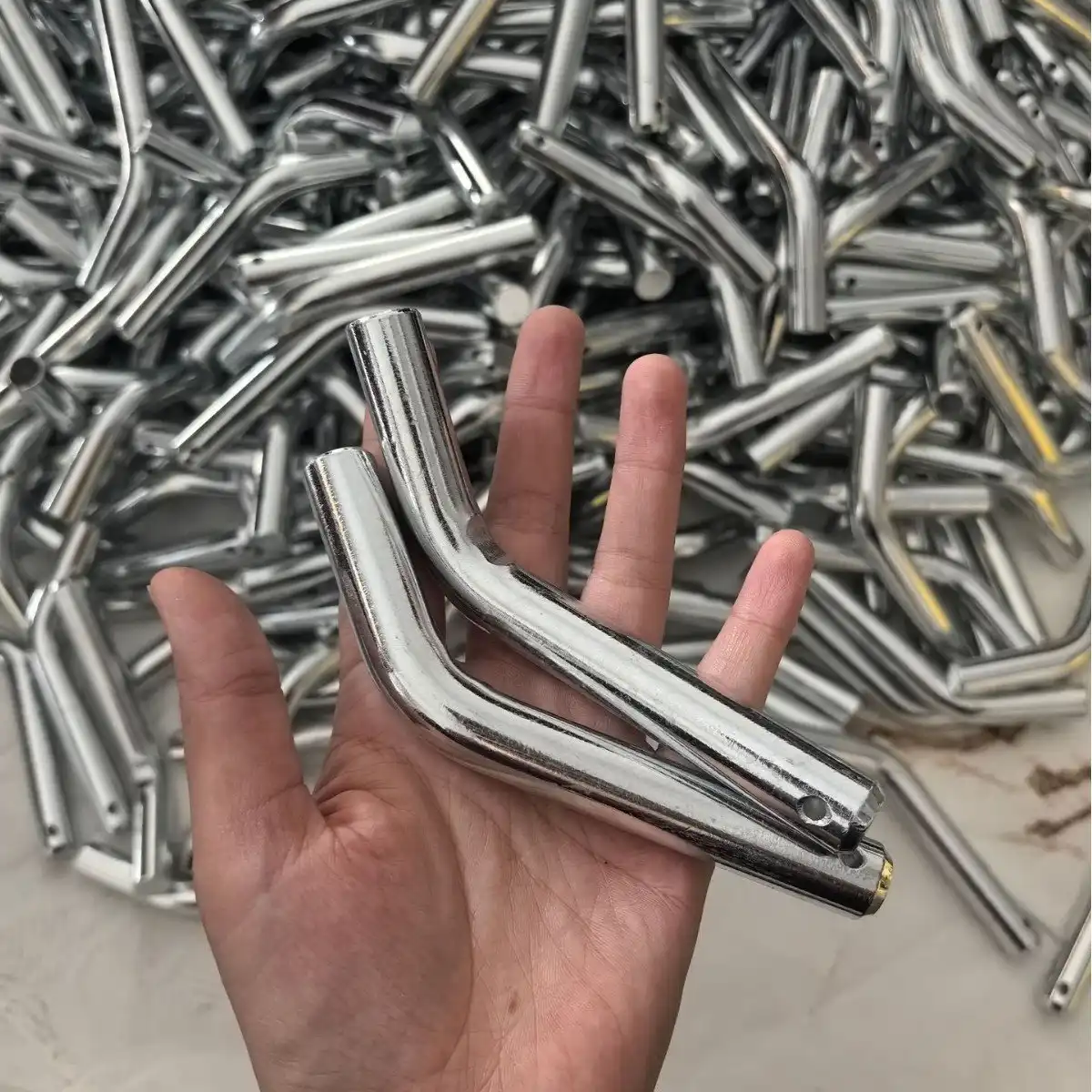
What Are Coupler Locks and How They Work?
A coupler lock makes it physically impossible to get to the trailer's coupler system. This is done for safety reasons. It's the coupler's job to fit over the hitch ball and lock it in place when you want to pull something. People who shouldn't be able to can't hook up the trailer to their car if you use a latch correctly. They will stay away right away. These things can be used to connect to the trailer's tongue. Different latch systems, such as quick-release handles or trigger locks, connect to them. This makes the process safe and easy.
These days, coupler locks are made from alloy steel, and their cast parts can't be broken by touching, cutting, or drilling them. Precision engineering is used to make sure that it works with common ball sizes like 1-7/8", 2", and 2-5/16". Chemical treatments on the outside, like zinc plating or black powder coating, make it less likely to rust, so it can be used for longer in difficult circumstances.
Material Construction and Security Features
A trailer security system works very well depending on the parts it is made of and how it is put together. For instance, coupler locks made for professionals are made of hardened steel metals that meet strict industry standards, like ISO/TS16949 approval for use in cars. The right amount of heat is used to make these metals hard without making them too flexible. This way, they don't break when they're pushed.
They can hold between 2,000 and 20,000 pounds, with the bigger ones being able to hold more. Some business models can take up to 60,000 pounds of weight on the trailer as a whole and 15,000 pounds of weight going up and down. They can be put on in two ways: bolt-on or weld-on. So, buying teams can pick the way that works best for their business and the people who take care of it.
Comparing Lock Types and Security Levels
Fleet managers who care about safety can pick between mechanical and computer sealing systems based on their needs for both safety and operation. Mechanical locks work well and don't need any computer parts to do so. They work best in rough places where water, shocks, or noises could damage electronics.
You don't have to worry about losing your keys when you have combination locks. Plus, only the right people can get in. It is hard to change high-security types because they have multiple tumblers and anti-pick features. Having an easy-to-see locking system is often just as helpful as strong locks because it stops thieves before they even start.
How to Install and Maintain Coupler Locks for Maximum Security?
Step-by-Step Installation Guidelines
Before you put the coupler lock in place, make sure that the trailer coupler mechanism works with the lock design you chose. You can do this by cleaning and checking all of the coupler's surfaces for dirt, grease, and corrosion that could affect how well the lock fits or works. Also, make sure that the coupler can move freely throughout its entire range of motion. Parts that are broken or stuck could stop it from engaging securely.
If you want to be sure that the coupler lock's engagement surfaces fully touch each other, don't force any parts into place. Many professional-grade locks have alignment marks or color-coded position references that will help you do this. Test the locking mechanism several times to make sure it works well and all the parts are engaged before you call the job done.
In your maintenance records, you should write down the date the lock was installed, its serial number, and any specific configuration information. This will help you with warranty claims, ordering replacement parts, and planning regular maintenance. You should also take pictures of the lock from different angles to help future maintenance staff or replacement installations.
Maintenance Best Practices and Safety Standards
When security equipment is well taken care of, it lasts longer and works better. Every month, all the moving parts should be tested and the operation should be checked to make sure it works right. The locking mechanisms should be cleaned with solvents that get rid of dirt and debris without damaging the finishes or seals.
Different systems need different amounts of grease. On the other hand, most systems work better when they are regularly oiled with high-quality bearing grease or special lock oils. Stay away from goods that are made from oil because they can break rubber seals and bring in more dirt and debris that could get in the way of operation.
Around the world, safety rules make sure that locks are legal and that people don't get hurt while they are being used. For example, ISO 9001 quality management systems set rules for consistent maintenance procedures and documentation practices that help protect against insurance and liability.
Troubleshooting Common Issues
There is a lot of dirt, dust, and other things that can get into locks. This is especially true in places like farms and construction sites where things get dirty quickly. Clean your work area by using solvent cleaning, ultrasonic cleaning, or compressed air, depending on what you need to. Fix any contamination problems right away, before they get worse and damage the lock permanently.
Many things break down over time, like keys and lock cylinders. To find problems early, make sure to check on things often and replace worn keys before they break inside lock mechanisms. Also, keep spare keys in a safe place to keep your business running smoothly. If losing keys becomes a problem for your business, you might want to switch to combination locks.
Some weather problems show up as seasonal binding or rust that stops activities at certain times of the year. These problems can be fixed with maintenance, and equipment that doesn't need to be used for long periods of time during bad weather could be stored in a seasonal lock.
Making the Right Choice: Practical Tips for B2B Procurement Managers
Assessment Framework for Security Requirements
It's important to think about the different types of trailers, the value of the goods they carry, and the operational risks that affect security needs before you buy anything. For example, standard security measures may be enough for light cargo trailers carrying low-value goods, but heavy equipment haulers need the highest level of protection against sophisticated theft attempts. Write down these needs so that you can use them to guide your conversations with suppliers and your product comparisons.
Geographic risk assessment for coupler lock helps figure out the right level of security by looking at theft patterns and the size of the local police force. Areas with a lot of crime usually need stronger security than rural areas with fewer thefts. It's also important to think about how theft patterns change with the seasons, since thieves are more interested in some types of equipment at different times of the year.
When it comes to operations, things like driver skills, access to the loading dock, and time constraints can change the choice of lock in ways that aren't just related to security. For example, operational staff may not want to use complicated locking mechanisms that take a lot of time or training, which makes them less useful even if they are better at security in theory.
Budget Planning and ROI Analysis
To find out how much something costs to own, you should add up the price you paid for it, the cost of installation, the cost of maintenance, and the cost of any thefts that could have been avoided with better security. High-quality coupler lock systems often earn their higher prices by lowering insurance costs, stopping thefts, and making operations more reliable over longer service periods.
Costs could be too high if you want to buy a lot of cars at once. Luckily, many suppliers offer volume financing or leasing plans that spread costs over several budget periods while giving you immediate security benefits. These plans are great for businesses that only need cars during certain times of the year or that are growing quickly and don't have a lot of cash on hand.
Insurance impact analysis helps you figure out how much money better security will save you. Many commercial insurance companies will lower your premiums if you can show proof that your security has been improved. This is a measurable return on investment that helps you decide if you should invest or not. Talk to insurance agents during the evaluation process to get the most out of these possible savings.
Implementation Planning and Change Management
It's important to carefully plan out a security system, including who needs to be trained, how operations will change, and how performance will be tracked. Before putting the system to use for the whole fleet, make sure there are clear training materials that show how to use the locks correctly, do maintenance, and fix problems.
With small steps, you can lower the risks and make things better by learning from the start. Start with high-risk trailers or important tasks where the long-term benefits of safety are greater than any short-term issues while you learn.
Performance monitoring systems keep track of things like thefts, insurance claims, operational delays caused by security procedures, and maintenance costs. This lets them know how well the program is working and helps them decide what to buy next.
Conclusion
When companies in many fields want to protect their trailers with good coupler lock systems, they need to make decisions that balance short-term costs with long-term value creation. To do this, procurement managers need to look at security needs, product options, and supplier capabilities. Modern coupler locks have advanced security features, durable construction, and easy operation that make them essential parts of comprehensive theft prevention strategies. To be successful, companies need to match their specific security needs with the right product capabilities and build relationships with suppliers that support ongoing operational needs through reliable customer service and technical support.
FAQ
What size coupler lock do I need for my trailer?
Coupler lock sizing depends on your trailer's ball coupler size, which typically measures 1-7/8", 2", or 2-5/16" in diameter. Check your trailer's documentation or measure the existing coupler to determine the correct size. Most commercial trailers use 2" or 2-5/16" couplers, while smaller utility trailers often use 1-7/8" sizes. Ensure the lock's weight capacity matches or exceeds your trailer's gross weight rating for optimal safety.
How do mechanical and electronic coupler locks differ?
Mechanical locks rely on physical key or combination mechanisms without electronic components, offering proven reliability in harsh environments and eliminating battery maintenance concerns. Electronic locks provide advanced features like keyless entry, audit trails, and remote monitoring capabilities but require power sources and may be vulnerable to electronic interference. Most commercial applications favor mechanical systems for their simplicity and dependability.
What maintenance schedule should I follow for coupler locks?
Inspect locks monthly for smooth operation, visible wear, and environmental damage. Clean mechanisms quarterly using appropriate solvents and apply manufacturer-recommended lubricants. Annual professional inspection helps identify potential issues before they cause failures. Document all maintenance activities and replace worn components promptly to maintain security effectiveness and prevent operational disruptions.
Can coupler locks work with all trailer types?
Most coupler lock designs accommodate standard ball coupler configurations, but specialty trailers might require custom solutions. Verify compatibility with your specific coupler model before purchasing, particularly for heavy-duty equipment haulers or specialized transport applications. Consult manufacturers for guidance on unusual configurations or unique requirements that might need modified lock designs.
What security level should I choose for my application?
Security level selection depends on cargo value, theft risk assessment, and operational environment factors. Standard locks suit general cargo applications in moderate-risk environments, while heavy-duty locks serve high-value equipment transport or high-crime areas. Consider insurance requirements, regulatory compliance needs, and budget constraints when determining appropriate security levels for your specific application.
Partner with RUIRUI for Superior Coupler Lock Solutions
Qingdao RUIRUI Machinery Co., LTD stands ready to serve as your trusted coupler lock manufacturer, delivering precision-engineered security solutions that protect valuable trailer assets across diverse industrial applications. Our comprehensive manufacturing capabilities include advanced stamping, CNC machining, laser cutting, and welding processes that ensure superior product quality and consistency. With ISO 9001 certification and over 15 years of management experience, RUIRUI provides the expertise and reliability that procurement professionals demand for critical security applications.
Contact our engineering team at kshdhardware@qdkshd.com to discuss your specific coupler lock requirements and explore custom solutions tailored to your operational needs. We offer competitive volume pricing, expedited delivery schedules, and comprehensive technical support that streamlines your procurement process while ensuring optimal security outcomes for your trailer fleet.
References
International Association of Equipment Theft Investigators. "Commercial Vehicle and Equipment Theft Prevention Guidelines." Annual Security Report, 2024.
American Trucking Association Safety Management Council. "Cargo Security Best Practices for Fleet Operators." Transportation Security Handbook, 2024.
National Insurance Crime Bureau. "Heavy Equipment and Trailer Theft Analysis: Trends and Prevention Strategies." Crime Prevention Research, 2024.
Society of Automotive Engineers. "Trailer Coupling and Security Device Standards: SAE J684 Specification." Automotive Engineering Standards, 2024.
Commercial Vehicle Safety Alliance. "Inspection and Maintenance Guidelines for Trailer Security Equipment." Fleet Safety Manual, 2024.
Transportation Research Board. "Economic Impact Analysis of Cargo Theft on Supply Chain Operations." Logistics Security Study, 2024.

Send Inquiry
Related Industry Knowledge
- What is the Difference Between a Coupler Lock and a Hitch Lock?
- Heavy Duty Steel Tread Plate Trailer Fenders Specifications
- Steel Tread Plate Trailer Fenders Longevity and Durability
- OEM Trailer Coupler and Hitch Components for Light vs Heavy Trailers
- How to Select a Reliable Trailer Coupler Manufacturer for Your Brand?
- How Do CNC Sheet Metal Parts Enhance Your Manufacturing Capabilities?
- How do I choose the right utility pole clamp for my application?
- What is the difference between a D Pin and a regular hitch pin?
- How do retractable bollards work?
- What industries use sheet metal parts?