
Essential RV Towing Parts Every Camper Needs
Every successful RV adventure depends on having the right towing components before hitting the road. Essential RV towing parts include trailer balls, ball mounts, safety chains, electrical connectors, hitch pins, and ball couplers – each playing a critical role in secure vehicle attachment. Quality towing accessories ensure your recreational vehicle remains properly connected throughout your journey, preventing costly damage and dangerous detachment incidents. Understanding which components your specific setup requires helps you prepare for safe, worry-free camping experiences.
Understanding Your RV Towing System Basics
To move a recreational vehicle safely, you need to know how all of its parts work together. Modern tow systems are made up of many parts that are all linked to each other. These parts work together to distribute weight, communicate electrically, and keep your vehicle and trailer securely attached. How the weight is distributed is a key part of how stable the tow is. When the tongue weight of your RV is higher than what is suggested, it sways dangerously and makes it harder to control the vehicle. Professional-grade ball mounts have drop and rise settings that level your trailer and make sure the weight is evenly distributed between both cars. Electrical systems make it possible for your tow car and recreational unit to communicate with each other. When used correctly, wiring harnesses send messages to the brake lights, turn signals, and hazard lights. Other cars can't plan their moves around you if your electrical connections don't work, which can make the road dangerous. When towing a recreational vehicle, safety redundancy is still very important. Multiple attachment points, such as main hitching mechanisms and backup safety chains, keep people from falling apart in terrible ways. Reliability is needed for long travel trips, and quality parts made to exact specs provide it.
Critical Hitch Components for Secure Attachment
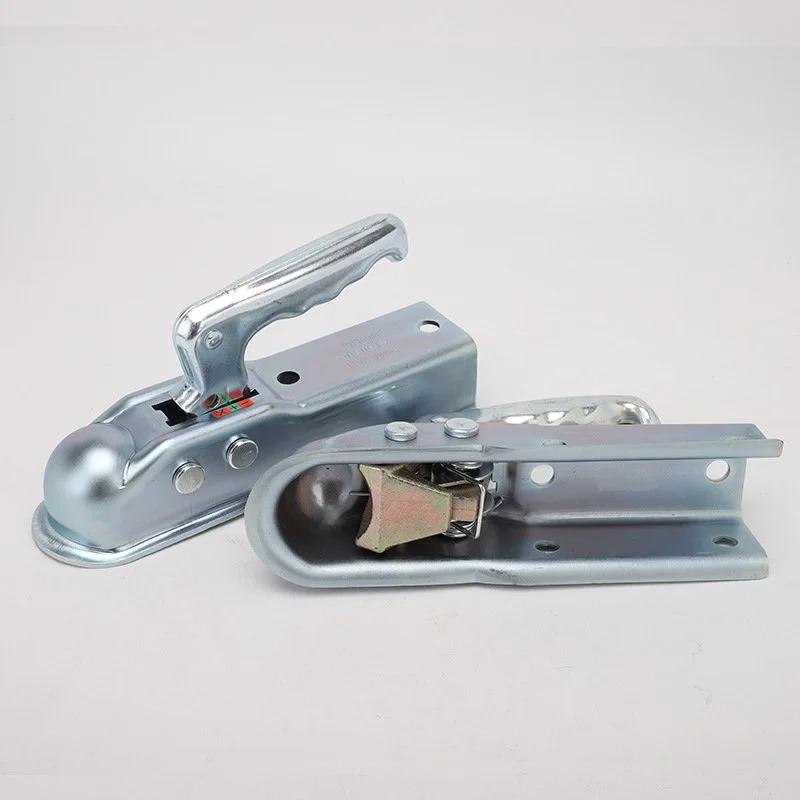
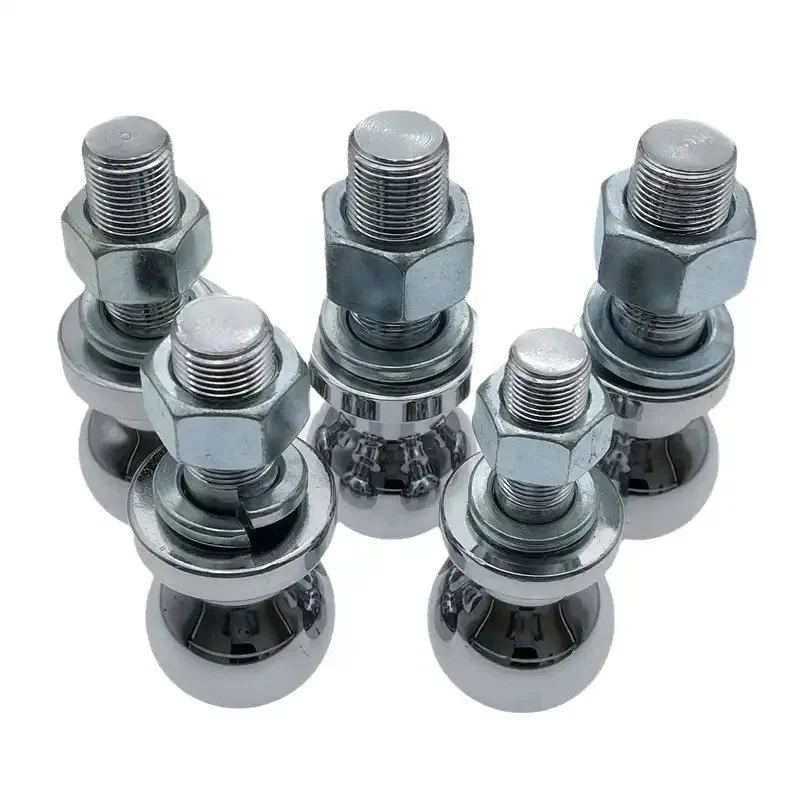
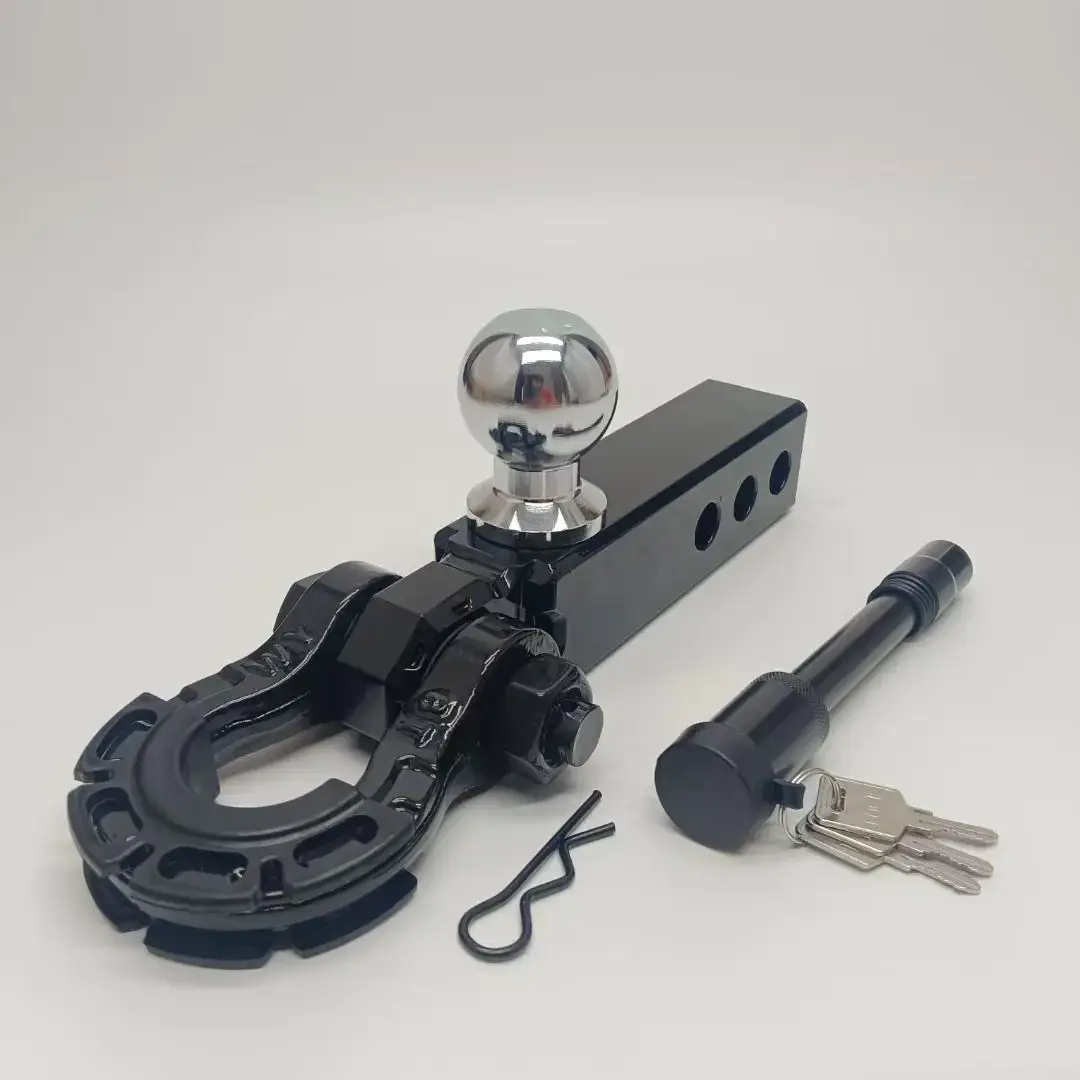
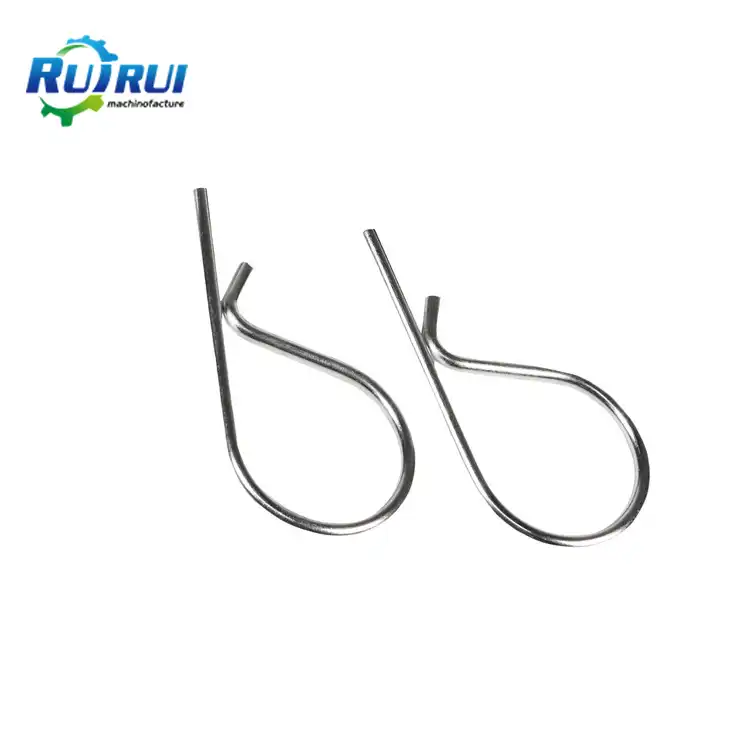
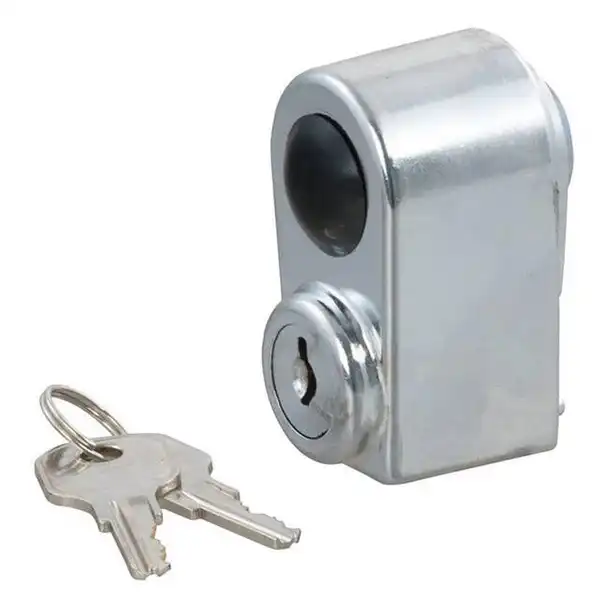
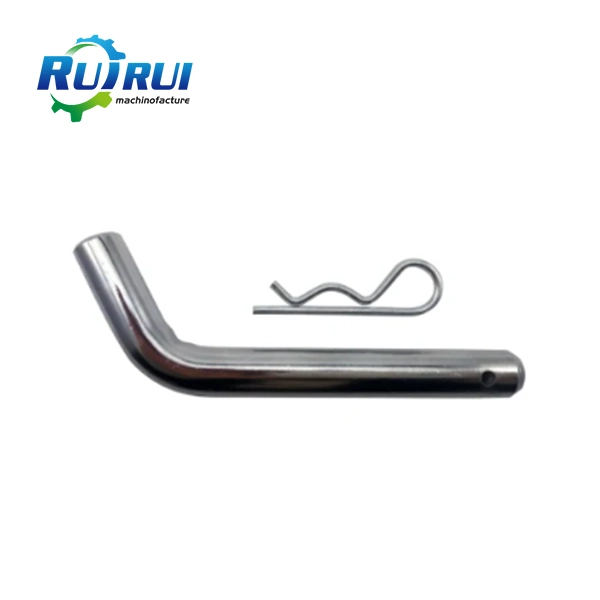
Ball mounts are the main way that RV towing parts your vehicle's receiver hitch and trailer coupler link to each other. These precisely designed parts must meet your specific towing capacity needs and allow for the right height adjustment for flat towing conditions. Chrome-plated caravan balls don't rust when left outside for a long time. Standard sizes come in diameters of 1-7/8 inches and 2 inches, and each size has a different weight number. Picking the right ball width makes sure that the coupler engages properly and stops dangerous attachment failures. Using hitch pins, you can securely attach your ball mount to the receiver tube, making a strong mechanical link. Good pins have built-in clips or locks that keep them from coming off accidentally while being transported. When it comes to corrosion resistance, stainless steel construction is better than normal carbon steel options. You can attach a receiver hitch straight to the frame of your car. This gives your whole towing system a solid base. Most leisure vehicle uses can be met by Class III and Class IV receivers, which can hold up to 10,000 pounds of gross trailer weight.
Electrical Connections and Wiring Solutions
Trailer connectors let your tow car and recreational unit talk to each other electrically. Seven-pin connectors can be used for many things, like turning signals, stop lights, electric brakes, and extra power for charging batteries. Wiring harnesses connect to your car's current electrical system without any problems. Wire splicing is not needed with vehicle-specific harnesses, which protect your car's electrical integrity while making solid connections to your trailer. Professional installation makes sure that the signal gets sent correctly and stops electricity problems before they happen. Extension cords can be used if the distance between your car's connector and the trailer plug is not the same. Heavy-duty wires have insulation that is resistant to water, road salt, and changes in temperature. Damage from road debris and car contact can be avoided with good cable management. Stop controllers let you use the stop pedal on your car to control an electric trailer brake. Proportional controls let you set the right level of smooth, graduated braking for the way you drive. When it comes to lighter RVs with basic electric brake systems, time-delayed controls make things easy to use.
Safety Chains and Emergency Equipment
Safety chains provide a critical backup attachment in case primary hitching mechanisms fail. Properly installed chains cross beneath the trailer tongue, creating a cradle that prevents the coupler from dropping to the pavement during separation events. Chain attachment points must connect directly to your vehicle's frame or receiver hitch structure. S-hooks and quick links provide convenient attachment methods, though proper installation requires adequate slack for turning RV towing parts while preventing excessive drooping that could catch road surfaces. Breakaway switches activate trailer brakes automatically if separation occurs during transport. These spring-loaded devices connect to your tow vehicle via a steel cable that pulls the switch when excessive distance develops between vehicles. Battery-powered activation ensures brake engagement even without electrical connections. Emergency lighting equipment includes magnetic trailer lights that provide temporary electrical connections. These portable units help you reach service facilities when permanent wiring systems fail. Reflective triangles and flares provide additional visibility during roadside emergencies.
Weight Distribution and Sway Control Systems
Weight distribution hitches redistribute tongue weight across both vehicle axles, improving stability and control during transport. These systems utilize spring bars that transfer weight from your rear axle to front wheels and trailer axles, creating more balanced loading conditions. Sway control devices minimize trailer oscillation caused by crosswinds, passing vehicles, or uneven road surfaces. Friction-based systems provide adjustable resistance that dampens unwanted movement without interfering with normal turning operations. Load leveling ensures your tow vehicle maintains a proper stance when connected to heavy recreational units. Excessive rear-end sagging affects steering responsiveness and headlight aim while increasing tire wear on your vehicle's rear axle. Professional installation of weight distribution systems ensures optimal performance and safety. Proper adjustment requires specific measurements and spring bar tension settings that vary based on your vehicle and trailer combination. Regular maintenance keeps these systems functioning effectively throughout their service life.
Maintenance and Inspection Guidelines
Regular inspections of parts keep them from breaking down unexpectedly while travelling. When you look closely at hitch balls, you can see wear patterns, corrosion, or damage that might make the connection less secure. Replace worn-out parts before they reach a point where they could fail and separate in a dangerous way. Lubrication keeps moving parts working easily and stops them from rusting. To keep connecting properly, ball couplers need to be greased from time to time. Putting a little oil on safety chain links keeps them from rusting and keeps their flexibility. As part of maintaining an electrical link, you should clean the terminals and look for damage in the wire insulation. Dielectric grease keeps links dry, so water doesn't damage them or lose the signal. All lighting features should be tested regularly to make sure that other drivers get the right visual signals. Professional servicing takes care of complicated repair tasks that the average owner can't do. Certified technicians know how to use special tools and have the training to change the weight distribution system, calibrate the brake controller, RV towing parts, and fix electrical problems.
Professional Manufacturing Standards and Quality Assurance
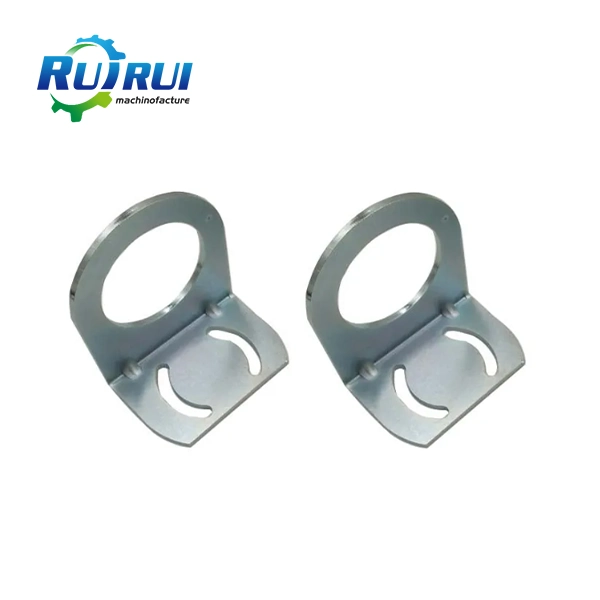
Industrial-grade manufacturing processes ensure recreational vehicle components meet demanding safety requirements. Precision stamping, CNC machining, and automated welding create parts with consistent dimensions and superior strength characteristics. Quality control systems verify each component meets established performance standards before shipping. Statistical process control monitors manufacturing variables that affect product reliability. Comprehensive testing validates load capacity ratings and durability under simulated road conditions. Certification standards, including ISO 9001, demonstrate the manufacturer's commitment to quality management systems. These internationally recognized standards ensure consistent production methods and continuous improvement processes that enhance product reliability over time. Material selection influences component longevity and performance characteristics. Stainless steel, galvanized steel, and aluminum alloys provide corrosion resistance essential for outdoor recreational applications. Proper material treatment and finishing extend service life in challenging environmental conditions.
Conclusion
Investing in quality RV towing parts ensures safe, reliable recreational vehicle transport for years of enjoyable camping adventures. Understanding component functions, proper installation procedures, and maintenance requirements helps you make informed decisions about your towing system setup. Regular inspection and timely replacement of worn components prevent dangerous failures that could compromise your safety and damage expensive equipment. Professional-grade manufacturing and rigorous quality standards provide the reliability needed for confident recreational vehicle operation.
Partner with RUIRUI for Premium RV Towing Solutions
RUIRUI Machinery delivers precision-engineered RV towing parts that meet the demanding requirements of recreational vehicle applications. Our comprehensive manufacturing capabilities include CNC machining, progressive stamping, and advanced finishing processes that create components built for reliability. Contact our technical team at kshdhardware@qdkshd.com to discuss your specific towing part requirements and discover why leading RV towing parts manufacturers trust RUIRUI for their supply chain needs.
References
1. National Highway Traffic Safety Administration. "Trailer Towing Safety Guidelines for Recreational Vehicles." Federal Motor Vehicle Safety Standards Publication Series, 2023.
2. Recreational Vehicle Industry Association. "RV Towing Equipment Standards and Best Practices Manual." RVIA Technical Guidelines, Fourth Edition, 2023.
3. Society of Automotive Engineers. "Trailer Hitch and Towing System Performance Requirements." SAE International Standards J684, Revised 2022.
4. American National Standards Institute. "Safety Chains and Emergency Equipment for Recreational Vehicle Applications." ANSI/RVIA Standard 12V-2023.
5. International Organization for Standardization. "Road Vehicles - Mechanical Coupling Between Towing Vehicles and Trailers." ISO 11555 Standard Documentation, 2023.
6. Federal Highway Administration. "Commercial Vehicle Weight Distribution and Towing Safety Research Report." Department of Transportation Publication Series, 2023.

Send Inquiry
Related Industry Knowledge
- Cart Trolley Buying Guide for Small Businesses
- The Ultimate Guide to Drop Hitches for Level Towing
- Heavy-Duty Steel Trailer D Ring: Your Key to Safer Towing
- What Are the Must-Have CNC Metal Accessories?
- What Are the Key Features of a Reliable Car Trailer Ball Towing Hitch?
- How do you install a gooseneck hitch ball plate?
- Are there any safety considerations when using a Trailer D Pin?
- What sizes are available for trailer safety pins?
- What is the weight capacity of a D ring shackle hitch receiver?
- How to clean cast iron bench?