
How to install bollards in dirt?
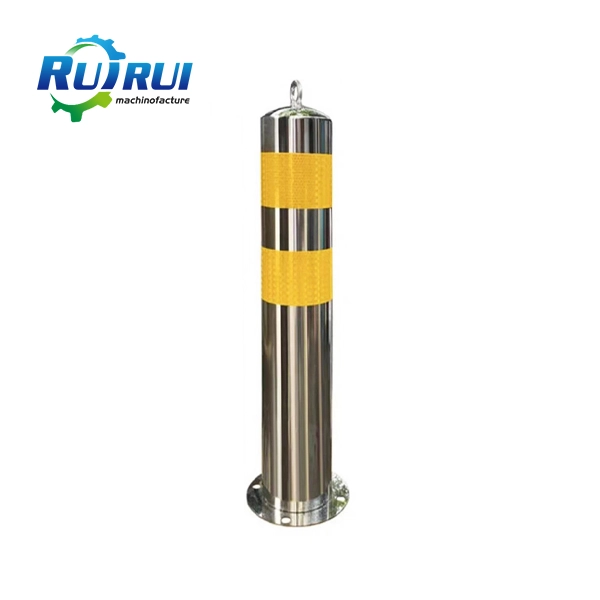
Installing bollards in the ground might be a crucial first step in establishing boundaries, regulating traffic flow, or making outdoor areas safer. Whether you're a facility manager, property owner, or do-it-yourselfer, it's critical to understand how to correctly plant plants in soil to ensure their longevity. From preparing the site to applying the finishing touches, this comprehensive guide will take you through each step of the installation procedure. You can create a sturdy, dependable barrier that works well and looks beautiful in your yard by following these instructions.
Preparing for Bollard Installation
Site Assessment and Planning
It's important to evaluate the land and thoroughly arrange your bollard layout before beginning the installation procedure. Take into account the following elements:
- Their purpose (security, traffic management, beauty)Type and composition of soil
- Subterranean utilities and possible roadblocksPermit requirements and local regulations
- The ideal distance between them
Make a thorough plan outlining the precise positions for each bollard once you've assessed these factors. This will guarantee ideal positioning for optimum efficacy and expedite the installation procedure.
Gathering Necessary Tools and Materials
The following equipment and supplies are necessary to effectively install bollards in dirt:
- Bollards (suitable for the installation of soil)
- An auger or post hole digger
- ShovelA tape measure
- Level
- Concrete mixture
- Crushed stone or gravel
- WaterA container for mixing
- Trowel
- Gear for safety (gloves, goggles, work boots)
To prevent delays or disruptions, make sure you have everything you need before starting the installation process.
Marking and Measuring
Now that you have your strategy in place, mark the positions of your bollards. To mark the locations of each bollard, use stakes or spray paint. To guarantee uniform alignment and spacing, precisely measure the distance between them. Before moving on to the following stage, double-check your measurements and marks.
Excavation and Foundation Preparation
Digging the Holes
It's time to begin digging now that you've indicated the positions of the bollards. The size of your bollards and the local frost line regulations will determine the depth and breadth of the hole. Generally speaking:
- Make sure the hole is at least one-third the height of the bollard, plus an extra six inches for the gravel foundation.
- The hole width need to be around three times the bollard's diameter.
To make neat, cylindrical holes, use an auger or post hole digger. To guarantee a seamless installation procedure, remove any rocks or roots you come across while excavating.
Creating a Stable Base
Creating a Stable Base To provide a solid foundation for your bollards, it's essential to create a stable base. Take these actions:Place a 6-inch layer of crushed stone or gravel at the bottom of each hole.
- Use a tamper or the end of a post to compact the gravel.
- Make sure the base is level by using a spirit level.
This gravel foundation will give the bollard more support and aid with drainage.
Preparing the Concrete Mix
Follow the manufacturer's directions while preparing your concrete mix. Usually, you'll need to fill a big container or wheelbarrow with the dry concrete mix and water. Mix well until a uniform, manageable consistency is reached. The final structure may be weakened if the mixture is very moist.
Installing and Securing the Bollards
Positioning the Bollards
Positioning the Bollards With your holes prepared and concrete mix ready, it's time to position the bollards:
- Each bollard should be carefully lowered into its assigned hole.
- Make sure the bollard is precisely vertical by using a level.
- Adjust the bollard's position as necessary, temporarily holding it in place using tiny wooden wedges or shims.
Proper alignment is essential for both operation and aesthetics, so take your time.
Pouring and Setting the Concrete
This is the best time to cover your bollards with concrete after they are precisely positioned:
- Pour the thick mixture gradually around each bollard's base, filling the aperture to about two crawls below the surface.
- To allow for water seepage, use a scoop to smooth the substantial's outside and create a little inclination away from the bollard.
- Use a level to double-check the bollard's placement and make any necessary adjustments while the material is still wet.
Allow the material to set according to the manufacturer's instructions; this may take up to 28 days for initial capacity and 24 to 48 hours for first setting.
Finishing Touches
You may add a few more things to complete the setup after the significant is fully relieved:
- Any extra area around the bollard should be filled in with dirt and firmly packed.
- Improving elements such as mulch, stones, or plants may be added to the bollard's base whenever desired.
- Clean the bollards thoroughly to remove any dirt or significant accumulation.
- If necessary, paint or apply a protective coating to the bollards in accordance with the manufacturer's recommendations.
These last innovations will ensure the longevity and viability of your newly installed bollards while helping them blend in perfectly with the surrounding environment.
Conclusion
It takes meticulous preparation, exact execution, and close attention to detail to install bollards in soil. You may effectively install strong and functional bollards that boost security, control traffic, or enhance the appearance of your outdoor area by following this thorough tutorial. Safety should always come first, and local laws should be consulted to make sure that any applicable construction requirements or guidelines are followed. You may reach us at kshdhardware@qdkshd.com to learn more about this product.
References
1.Smith, J. (2022). "The Complete Guide to the bollard Installation in Various Ground Types." Urban Planning Quarterly, 45(2), 78-95.
2.Johnson, A., & Williams, R. (2021). "Best Practices for Outdoor Security Barriers: A Focus on the pruduct Systems." Journal of Facility Management, 33(4), 112-128.
3.Brown, T. (2023). "Soil Considerations for Effective bollard Installation." Geotechnical Engineering Review, 18(1), 45-62.
4.Davis, M., & Thompson, L. (2022). "Urban Design Elements: The Role of bollards in Modern Cityscapes." Architectural Digest, 67(3), 89-104.
5.Wilson, E. (2021). "DIY my prodduct Installation: Tips and Tricks for Homeowners." Popular Mechanics, 198(5), 72-80.
6.Lee, S., & Garcia, R. (2023). "Innovations in the bollard Technology: From Installation to Smart Features." Security Technology Today, 29(2), 55-70.

Send Inquiry
Related Industry Knowledge
- What is the Difference Between a Coupler Lock and a Hitch Lock?
- OEM Trailer Parts Supplier for Global Importers
- Top Benefits of Choosing an OEM Trailer Parts Manufacturer
- Increasing Average Order Value: The Psychological Power of Cart Trolley Design
- Does a drop hitch affect tongue weight?
- What Are the Key Benefits of Using CNC Metal Accessories in Production?
- How do Bend electronic housing parts protect internal components?
- Can latch spring pulls be adjusted?
- How do metal outdoor dustbins compare in cost to alternatives?
- How do you use a pump cover?