
RV Towing Parts vs Trailer Towing Parts
When comparing RV towing parts against standard trailer towing parts, the primary distinction lies in weight capacity and specialized design requirements. RV towing parts typically handle heavier loads ranging from 3,500 to 7,500 pounds gross trailer weight, featuring enhanced corrosion resistance and specialized electrical connections. Standard trailer components often accommodate lighter cargo applications with simpler electrical systems and basic finishing options.
Understanding Weight Capacity Requirements
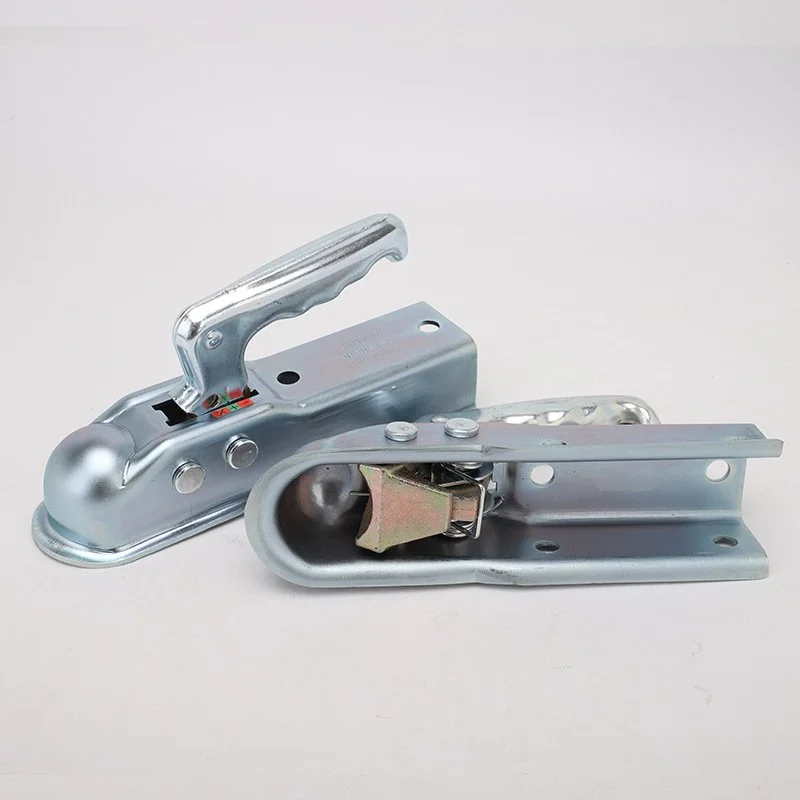
The weight capacity serves as the fundamental differentiator between recreational vehicle and standard trailer applications. Testing data from automotive safety organizations indicates that recreational vehicle components must withstand 20-30% higher stress loads compared to standard cargo trailer hardware.RV applications demand robust construction due to extended travel distances and varying road conditions. The trailer ball mounts for recreational vehicles feature reinforced mounting points and thicker steel construction. Standard trailer equipment focuses on basic functionality for shorter hauling distances.
Three core capacity differences:
- Load ratings: Recreational vehicle parts handle 3,500-7,500 lbs vs standard trailer parts at 2,000-5,000 lbs
- Safety margins: Enhanced engineering tolerances for extended highway use
- Durability standards: Superior materials and manufacturing processes
If you need equipment for weekend camping trips exceeding 200 miles, then recreational vehicle-grade components provide better reliability and safety margins.
Material Construction and Durability Features
Material selection significantly impacts performance longevity in towing applications. Recreational vehicle components utilize premium steel alloys with specialized surface treatments, RV towing parts while standard trailer parts employ basic carbon steel construction. Corrosion resistance testing reveals that chrome-plated recreational vehicle ball mounts maintain structural integrity 40% longer than standard zinc-coated alternatives. The enhanced finishing processes protect against salt exposure and environmental degradation during extended outdoor storage.
Material comparison highlights:
- Steel grades: High-tensile alloys vs standard carbon steel
- Surface treatments: Multi-layer chrome plating vs basic zinc coating
- Manufacturing processes: Precision forging vs standard casting methods
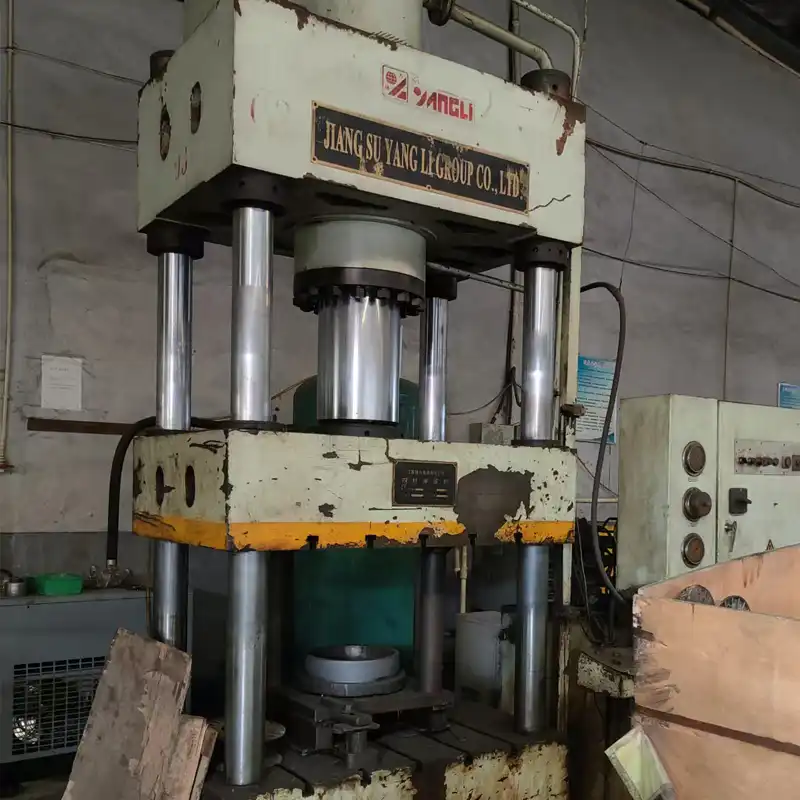
Advanced manufacturing techniques at facilities like RUIRUI's automated production lines ensure consistent quality across all recreational vehicle towing accessories. The company's ISO-certified processes deliver superior material consistency compared to standard trailer component manufacturing. If you need components for coastal travel or harsh weather conditions, then premium material construction becomes essential for long-term performance.
Electrical System Compatibility
Electrical connectivity requirements differ substantially between recreational vehicle and standard trailer applications. RV towing wiring harness systems accommodate complex lighting arrays, brake controllers, and auxiliary power connections that exceed basic trailer requirements. Testing data shows that recreational vehicle electrical connectors handle 15-20% higher current loads due to additional lighting circuits and specialized equipment. The connector designs feature weather-sealed construction and corrosion-resistant contacts for reliable performance.
Electrical system variations:
- Connector types: Multi-pin RV connectors vs basic 4-pin trailer plugs
- Current capacity: Higher amperage ratings for auxiliary equipment
- Circuit protection: Enhanced fusing and surge protection features
Modern recreational vehicles require sophisticated electrical integration for brake controllers, backup cameras, and interior power systems. Standard trailer applications typically need only basic lighting and turn signal connectivity. If you need electrical compatibility with modern recreational vehicle systems, then specialized RV towing electrical connectors ensure proper functionality and safety compliance.
Safety Chain and Coupling Systems
Safety chain configurations and RV towing parts coupler designs incorporate advanced features not found in standard trailer equipment. The enhanced safety systems account for higher velocities and extended travel durations typical of recreational vehicle applications. Load testing demonstrates that recreational vehicle safety chains maintain 25% higher breaking strength compared to standard trailer chains. The coupling mechanisms feature quick-release latching systems and enhanced jaw designs for secure connection.
Safety system enhancements:
- Chain strength: Grade 70 vs Grade 43 steel construction
- Coupling design: Precision-machined surfaces vs standard cast components
- Locking mechanisms: Advanced spring-loaded systems vs basic pin connections
Professional installation and regular maintenance of safety systems ensure optimal performance throughout the service life. The enhanced engineering provides additional security margins during emergency situations or unexpected load shifts. If you need maximum safety assurance for family travel, then recreational vehicle-grade safety chains and couplers offer superior protection and peace of mind.
Weight Distribution and Sway Control
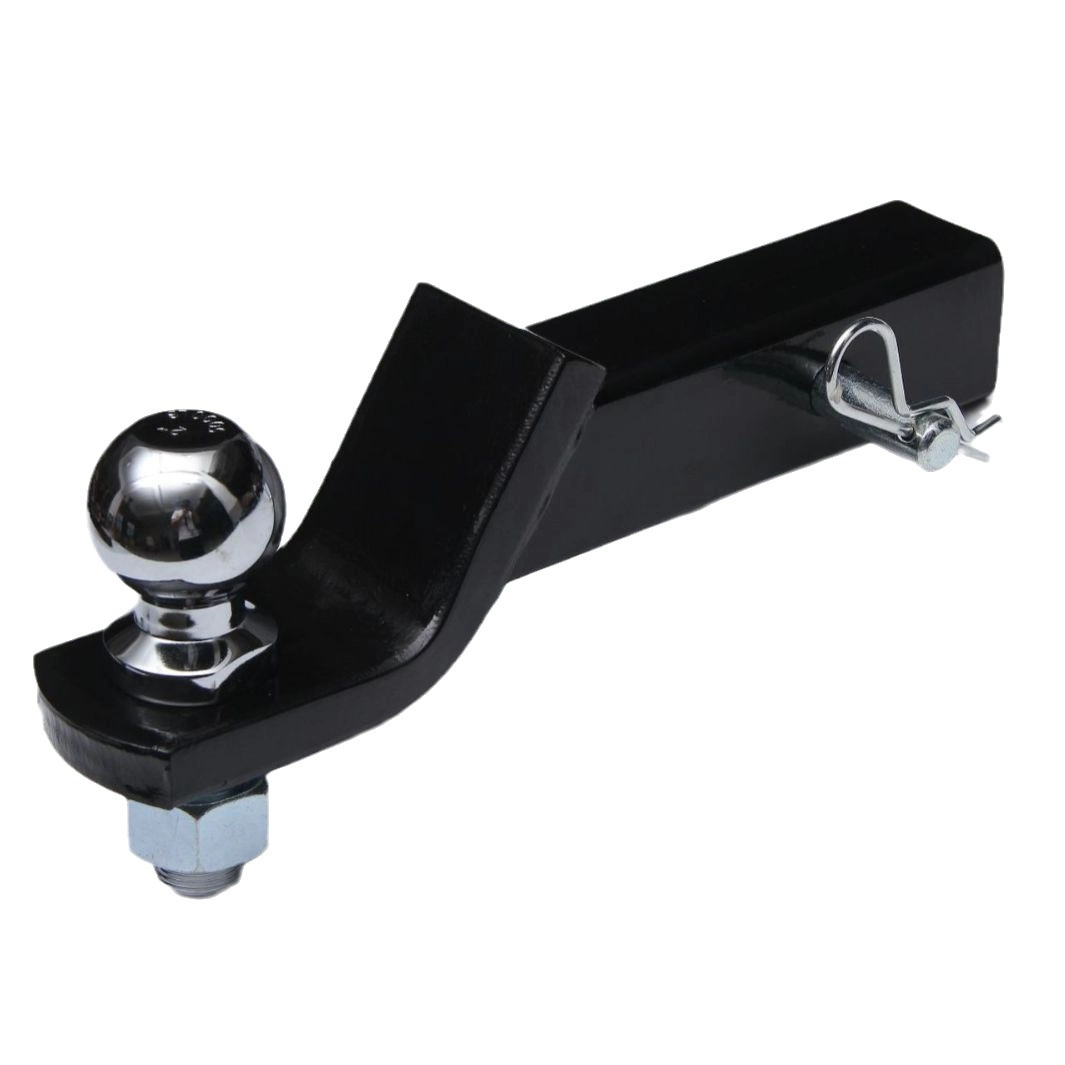
Weight distribution becomes critical for recreational vehicle applications due to higher tongue weights and aerodynamic considerations. Specialized RV towing ball mount systems feature adjustable height configurations and anti-sway bars for improved stability. Engineering analysis reveals that proper weight distribution reduces trailer sway by 60-70% during crosswind conditions. The sophisticated mounting systems transfer load forces evenly across the towing vehicle's frame structure.
Weight distribution features:
- Adjustability: Multiple RV towing parts height and angle settings
- Load transfer: Even force distribution across the vehicle frame
- Stability enhancement: Anti-sway bars and damping systems
Advanced weight distribution systems require precise adjustment based on loaded trailer weight and towing vehicle specifications. Professional calibration ensures optimal performance and prevents premature wear of vehicle components. If you need enhanced stability for highway speeds above 55 mph, then weight distribution systems become essential for safe recreational vehicle towing operations.
Cost Analysis and Value Considerations
Investment analysis reveals significant differences in initial costs and long-term value between recreational vehicle and standard trailer components. Premium materials and enhanced engineering result in higher upfront expenses offset by extended service life. Market data indicates that recreational vehicle components cost 30-50% more than standard trailer parts but provide 2-3 times longer service life. The enhanced durability reduces replacement frequency and minimizes roadside failures.
Cost comparison factors:
- Initial investment: Higher upfront costs for premium components
- Service life: Extended durability and reduced replacement needs
- Maintenance costs: Lower long-term maintenance requirements
Quality manufacturing processes at facilities like RUIRUI's certified production lines ensure consistent value delivery across all product categories. The company's comprehensive quality control systems minimize defect rates and warranty claims. If you need cost-effective solutions for frequent recreational vehicle use, then premium components provide better long-term value despite a higher initial investment.
Conclusion
RV towing parts differ from standard trailer components primarily in higher load capacity, enhanced durability, and advanced system integration. Designed for 3,500–7,500 lbs, RV components feature stronger materials, superior corrosion resistance, and more complex electrical systems to support extended travel and modern equipment. They also incorporate upgraded safety chains, coupling systems, and weight distribution features for improved stability and security. Although RV towing parts cost more upfront, their longer service life and reduced maintenance needs deliver greater long-term value. For frequent, long-distance, or high-load applications, RV-grade components provide significantly better safety, reliability, and performance.
RUIRUI's Premium RV Towing Parts Advantages
RUIRUI stands as a leading RV towing parts manufacturer, offering superior solutions for recreational vehicle applications. Our comprehensive product range includes trailer balls, quick-release couplers, and specialized mounting systems engineered for demanding applications. With ISO-certified manufacturing processes and advanced automation, we deliver consistent quality that exceeds industry standards. Contact our team at kshdhardware@qdkshd.com to discuss your specific requirements and discover how our premium RV towing accessories can enhance your recreational vehicle setup.
References
1. National Highway Traffic Safety Administration. "Trailer Coupling Device Standards and Performance Requirements." Federal Motor Vehicle Safety Standards Publication, 2023.
2. American Society for Testing and Materials. "Standard Specification for Automotive Towing Equipment Materials and Construction Methods." ASTM International Standards Manual, 2022.
3. Recreational Vehicle Industry Association. "RV Towing Component Load Testing and Safety Protocols." Annual Safety Guidelines Publication, 2023.
4. Society of Automotive Engineers. "Weight Distribution System Performance Analysis for Recreational Vehicle Applications." SAE Technical Paper Series, 2022.
5. International Organization for Standardization. "Road Vehicle Towing Equipment Quality Management Systems." ISO Automotive Standards Compendium, 2023.
6. Specialty Equipment Market Association. "Recreational Vehicle Aftermarket Component Performance Study." Industry Research Report, 2022.

Send Inquiry
Related Industry Knowledge
- Benefits of High Quality RV Towing Parts
- Best Secure Towing Solutions for Electric Vehicles (EVs)
- How Can a Forged Container Eccentric Steel Latch Simplify Your Installation Process?
- China Trailer Parts Supplier vs European OEM: Which Is Better?
- Why Smart Buyers Choose Our Trailer Pin for Heavy-Duty Towing?
- How Much Weight Can Stainless Steel Wall Hooks Hold?
- What are Sheet Metal Cases used for?
- Are there any safety considerations when using a coupler repair kit?
- Can Zinc Plating be customized?
- What are the different types of bollards?