
What is a Trailer Coupler?
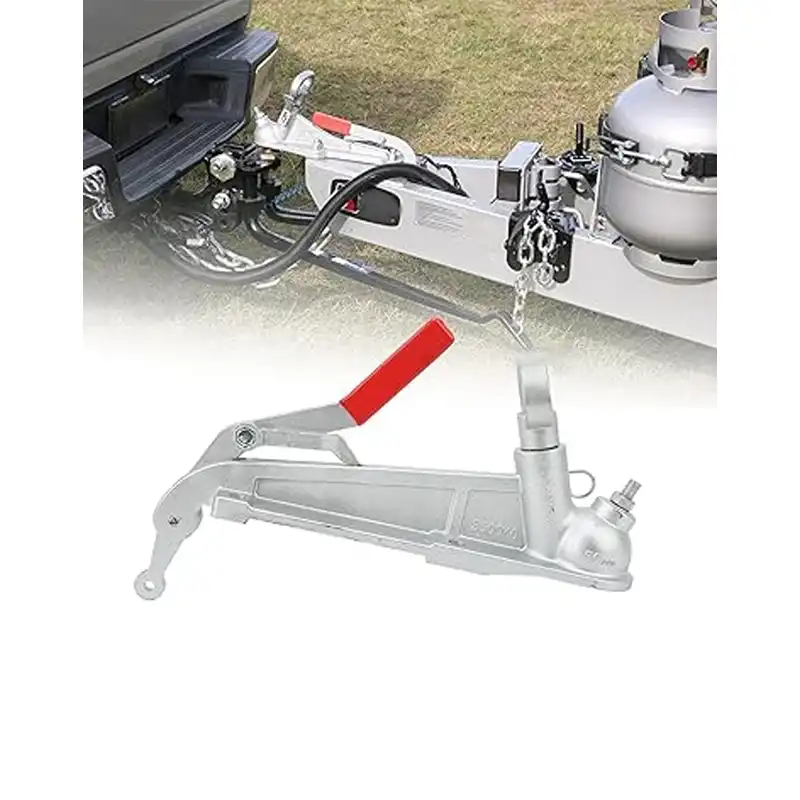
A trailer coupler is a piece of machinery that connects a trailer to the hitch ball on a car that is pulling it. This important part makes sure that big loads are moved safely and securely in a wide range of industry settings. For people who work in buying in the manufacturing, building, and transportation industries, knowing about trailer coupler specs, materials, and performance has a direct effect on operating safety, cost-effectiveness, and the stability of the supply chain in global B2B markets.
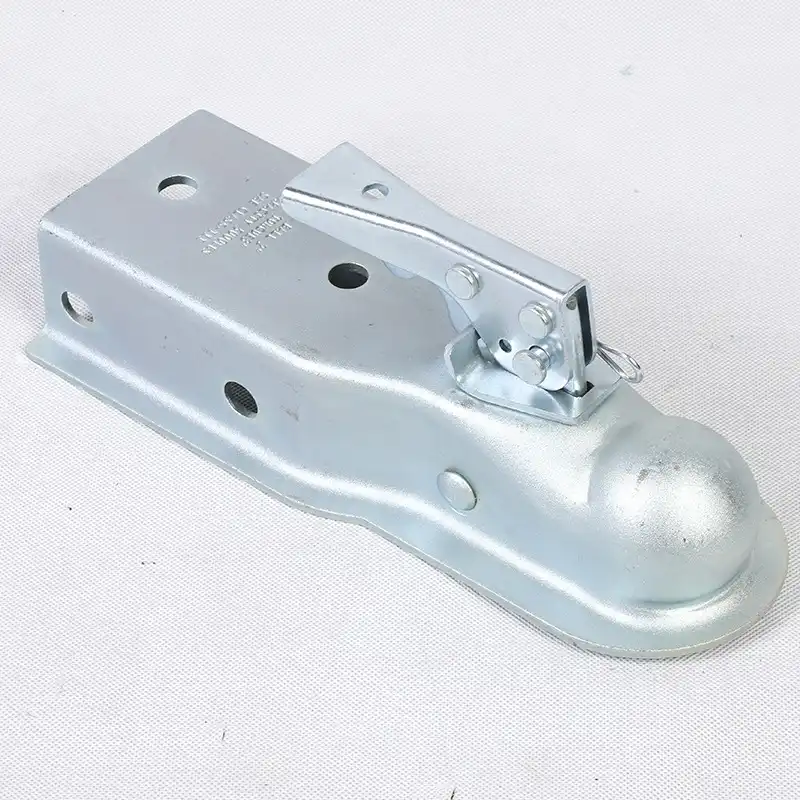
Understanding Trailer Couplers: Definition and Function
A trailer coupler's main job is to make a mechanical connection between the trailer tongue and the vehicle's hitch ball system. This link system lets the pulling vehicle send power while keeping the structure strong during dynamic loading conditions like speeding up, slowing down, and turning.
Core Components and Operating Mechanism
These days, trailer couplers are made up of several designed parts that work together. The ball socket is inside the coupler body. It can fit normal hitch balls with a width of 1-7/8 inches to 2-5/16 inches. The latch device holds the ball in place in the socket using either a spring-loaded method or a manual release. Safety links provide extra security, and the coupler pin or locking device keeps the connections from coming apart by chance while they're being moved.
Distinction Between Couplers and Hitches
Knowing the formal difference between couplers and hitches helps you avoid buying the wrong thing and makes sure that all of your pulling systems work together. The coupler connects to the trailer tongue, and the hitch assembly permanently attached to the car pulling the trailer. It has a ball mount built in. This split makes it possible for trailers to be connected to different types of vehicles, which makes the fleet more flexible for business-to-business activities.
Types and Sizes of Trailer Couplers: A Dimensional Analysis Approach
When making a purchase choice, it's important to look at all the different types of couplers because each one is made for a different load and operating setting. By understanding these differences, you can make smart buying decisions that meet performance requirements and stay within your budget.
Fixed vs. Adjustable Coupler Systems
Fixed couplers are a safe way to connect standard trailers where the ball height stays the same and the tongue stays in the right place. These units usually don't cost as much and work well in situations that happen over and over again. Adjustable couplers have mechanical systems that let you change the height of the hitch. This makes them good for groups of vehicles with different ground clearances.
Ball Coupler Specifications and Applications
In business settings, standard ball trailer coupler are the most popular type of link. The load capacity is directly related to the width of the socket. For example, 1-7/8-inch balls can support up to 2,000 pounds of gross trailer weight, 2-inch balls can support 3,500 to 8,000 pounds, and 2-5/16-inch configurations can handle 10,000 to 30,000 pounds for heavy-duty uses.
Material Considerations for Industrial Use
Steel building is best for heavy loads because it is strong and lasts a long time. This is why it is used in construction and industrial transport. Galvanized steel is better at resisting corrosion in marine and outdoor storage areas. It is better for long-haul operations to use less fuel because aluminum alloy couplers are lighter while still being strong enough for medium-duty use.
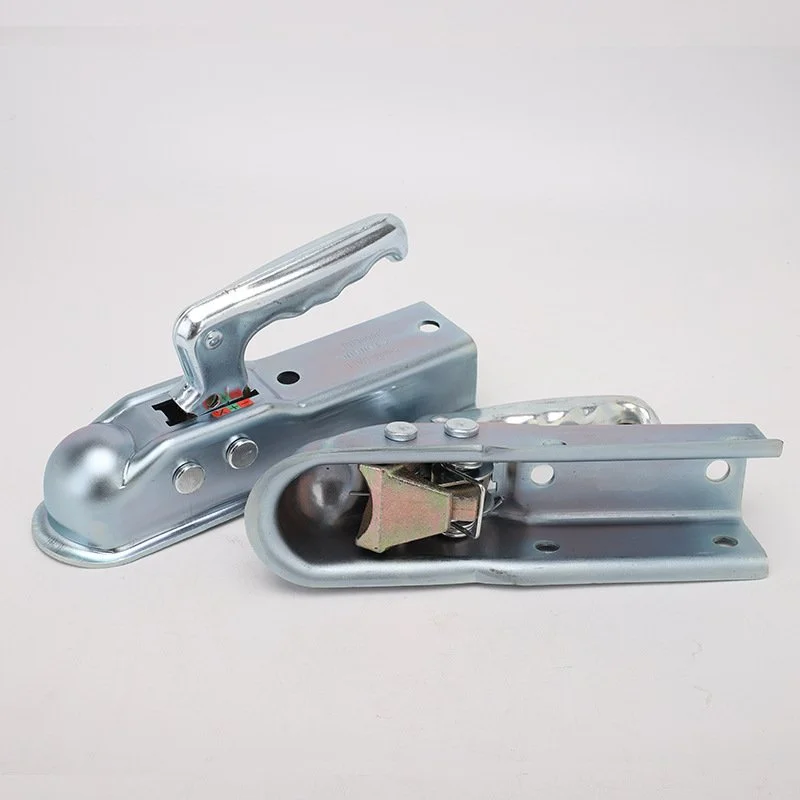
Safety, Maintenance, and Installation of Trailer Couplers
Safety at work depends on following the right steps for installation, regular upkeep, and regular inspections. These things have a direct effect on B2B fleet companies' liability, insurance prices, and ability to follow the rules.
Pre-Operational Inspection Protocols
For thorough inspections, the latch mechanism should be checked to make sure it engages properly, the connection points for the safety chain should be confirmed, and the ball socket should be checked for signs of wear that can be seen. Grease fitting grease keeps things running smoothly when they're loaded, and checking the strength on the bolts keeps the structure strong during transport cycles.
Maintenance Schedule and Procedures
Couplers last longer and don't break down on the side of the road as often when they are serviced regularly. The amount of time between lubrications depends on how often they are used and the weather. Usually, they are done once a month for heavy-use uses and every three months for occasional work. Cleaning gets rid of road salt and other garbage that speeds up the rusting of metal parts.
Installation Best Practices
For a proper fitting, the coupler's capacity must match the trailer's gross weight ratings, the tongue weight must be evenly distributed, and the bolt grade specs must be checked. For high-value trailer uses that need certified methods to meet warranty requirements, it may be best to hire professionals to do the work.
Choosing the Right Trailer Coupler: A Decision Support Framework
Strategic coupler selection includes looking at a number of factors that affect how much they cost to run, how safe they are, and how much upkeep they need. This methodical technique helps procurement teams make choices that are in line with the organization's goals and are based on facts.
Load Capacity Analysis
The Gross Trailer Weight ratings for trailer coupler must be higher than the real full trailer weights by a safe amount, usually 20 to 25 percent for business use. Tongue weight estimates make sure that the load is spread out evenly, which keeps the car from being unstable and prevents tires from wearing out too quickly. Uneven road surfaces and movement forces that raise stress above static weight numbers are taken into account by dynamic loading factors.
Environmental and Usage Considerations
The operating climate affects the choice of material and the need for a protection coating. For marine uses, finishes that are resistant to sea rust must be made of stainless steel or heavy galvanized steel. When working on rough construction sites, parts made of hardened steel may need to be inspected often. Extreme temperatures can damage rubber and plastic parts, so they need to be made of better materials for use in harsh climates.
Custom Manufacturing and OEM Solutions
Custom trailer coupler specifications take into account particular operating needs that can't be met by standard goods. Custom trailer designs can be met with different ball socket sizes, unique mounting arrangements, and built-in locking systems. OEM relationships make it possible for big fleet companies to get bulk discounts and handle their supply chains in a uniform way.
Where and How to Procure Trailer Couplers for B2B Clients?
Cost optimization, quality assurance, source dependability, and supply chain continuity must all be balanced in order for buying methods to work well. Long-term relationships can work well if both parties understand how the market works and what the seller can do.
Supplier Evaluation Criteria
Reliable makers keep their ISO certification up to date, give full technical documentation, and provide engineering help for custom uses. For global supply lines that need to stick to the same delivery schedules and quality standards, production capacity, quality control systems, and foreign logistics knowledge become very important.
Pricing Structure and Volume Considerations
The current market price takes into account the cost of materials, the difficulty of production, and the number of orders. Heavy-duty industrial units cost $150 to $500, based on their features and size. Standard ball couplers for light-duty uses cost $25 to $75. Volume rates usually start at 50 units, and for annual contracts that go over 500 pieces, you can save a lot of money.
Supply Chain Management
To do global procurement, you need to know about lead times, shipping operations, and how to handle your goods. Container-level supplies from Asian makers are cheaper, but you need to plan ahead for changes in seasonal demand. Regional suppliers may be able to make unique items, but they may not be able to make them as quickly or as well as national suppliers.
RUIRUI Machinery specializes in custom metal casting and trailer component manufacturing, offering comprehensive solutions for B2B procurement needs. Precision cutting, pressing, and coating are just a few of the advanced production methods we use to make sure that our quality and performance standards are always met. We offer trustworthy supply chain partnerships for tough industrial uses thanks to our ISO certification and many years of experience in global markets.
Conclusion
Choosing the right trailer coupler has a big effect on operational safety, cost savings, and fleet success in a wide range of industry settings. Knowing the technical details, available materials, and seller skills helps you make smart purchasing choices that support your company's goals. A professional look at the load needs, weather conditions, and usage trends makes sure that the best product is chosen while staying within the budget. For B2B businesses to be successful, they need to have strategic relationships with qualified makers that give them access to unique solutions, expert support, and reliable supply chain management.
FAQ
How do I determine the correct coupler size for my trailer application?
Coupler size selection depends on the hitch ball diameter and trailer gross weight rating. To find out what diameter socket you need, measure the hitch ball that you already have or look at the trailer's specs. For safety, make sure that the coupler's weight limit is at least 20% higher than the weight of your full trailer.
Can trailer couplers be installed without professional assistance?
Basic technical knowledge and the right tools are needed to install a standard coupler. But for high-capacity uses or special mounting arrangements, it might need to be installed by a professional to make sure the torque specs are met and the guarantee is honored. Always follow the fitting directions that came with the product and the rules that apply in your area.
What safety features should I look for in high-quality couplers?
Positive latch engagement signs, corrosion-resistant materials, safety chain attachment points, and the right weight values are all important safety features. For mechanical efficiency, look for makers that can show proof of certification and follow industry standards like SAE J684.
How often should trailer couplers be replaced?
Replacement times depend on how often they are used, how much load they are under, and how often they are maintained. Visual inspection should find signs of wear like sockets that are getting longer, worn latch mechanisms, or cracks in the structure. Heavy-duty business trailers need to be replaced every three to five years, but trailers that are only used occasionally can last ten years or more with proper care.
Partner with RUIRUI for Premium Trailer Coupler Solutions
When it comes to making trailer couplers for difficult business-to-business uses, RUIRUI Machinery has the perfect options. Custom metal manufacturing, CNC machining, and advanced surface treatments that ensure better performance and longevity are just a few of the many things we can do. With the ability to make more than 130,000 items a year and quality systems that are ISO-certified, we offer trusted supply chain partnerships to sourcing workers around the world. Email our engineering team at kshdhardware@qdkshd.com to talk about your unique needs and find out how our experience as a trailer coupler provider can help you run your business more efficiently and safely.
References
Society of Automotive Engineers, "SAE J684: Trailer Couplers and Hitches - Automotive Type," SAE International Standards, 2019.
National Highway Traffic Safety Administration, "Federal Motor Vehicle Safety Standards for Trailer Coupling Devices," Department of Transportation, 2021.
American Society for Testing and Materials, "ASTM F1773: Standard Specification for Trailer Ball Couplings," ASTM International, 2020.
International Organization for Standardization, "ISO 11555: Road Vehicles - Trailer Connectors for the Electric Connection," ISO Standards, 2018.
Recreational Vehicle Industry Association, "RVIA Guidelines for Trailer Coupling Systems and Safety Requirements," RVIA Technical Manual, 2022.
European Committee for Standardization, "EN 1648: Leisure Accommodations Vehicles - Trailer Tents - Safety Requirements," CEN Standards, 2020.

Send Inquiry
Related Industry Knowledge
- What is a Trailer Coupler?
- Vehicle-Specific Trailer Coupler: The Key to Safer, Smoother Hauling
- Are drop hitches safe to use?
- How Do Precision Steel Die Forging Parts Improve Machinery Performance?
- How Do Forged Steel Mechanical Parts Ensure Safety in Automotive and Oil & Gas Systems?
- What Applications Are Ideal for the Automobile Metal Square Interface Trailer Arm?
- Why Is a Powder-Coated Finish Essential for the Automobile Metal Square Interface Trailer Arm?
- What materials are 1/4 Hitch Pin Locks made from?
- How do retractable bollards work?
- How to create lip in sheet metal boxes?