
What is the Best Hitch Tightener?
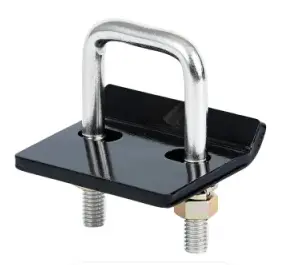
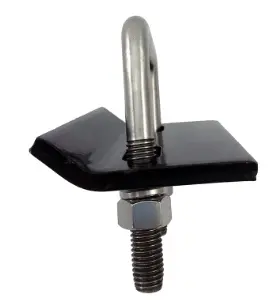
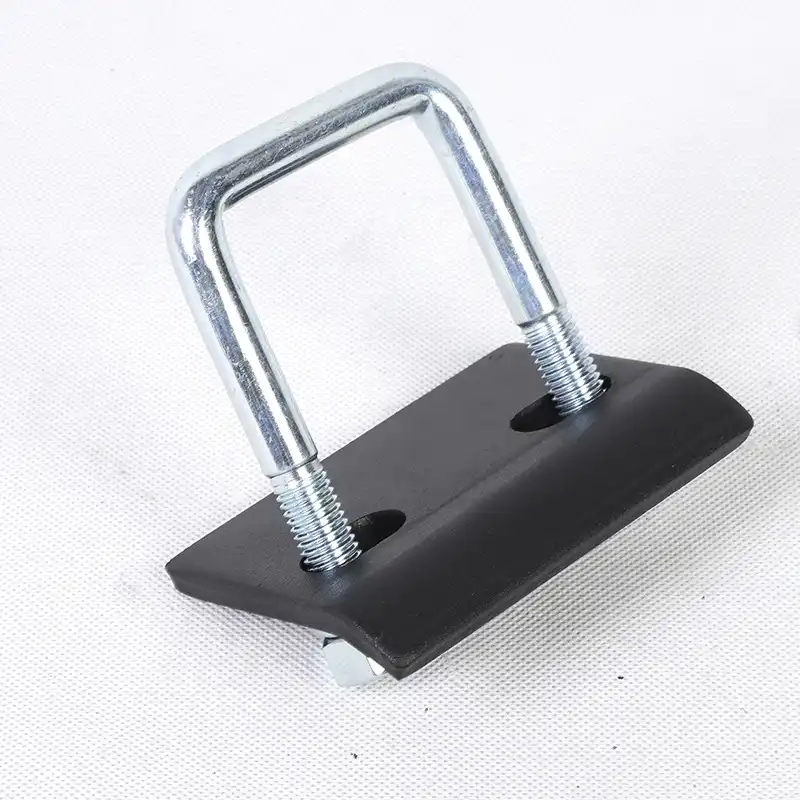
One question that procurement professionals always have when looking at tow equipment for commercial fleets or large-scale industrial operations is what the best trailer hitch tightener is. A hitch stabilizer or anti-rattle clamp, which is another name for a trailer hitch tightener, is a mechanical device that closes the tolerance gap between a vehicle's receiver tube and the inserted tow mount. This tool turns a multi-piece assembly into a rigid structural unit by applying a lot of clamping force through a U-bolt and tightening plate mechanism. This less movement keeps the metal from wearing out, keeps cargo from getting damaged, and makes sure operational safety in all kinds of towing situations.
Understanding Trailer Hitch Tighteners
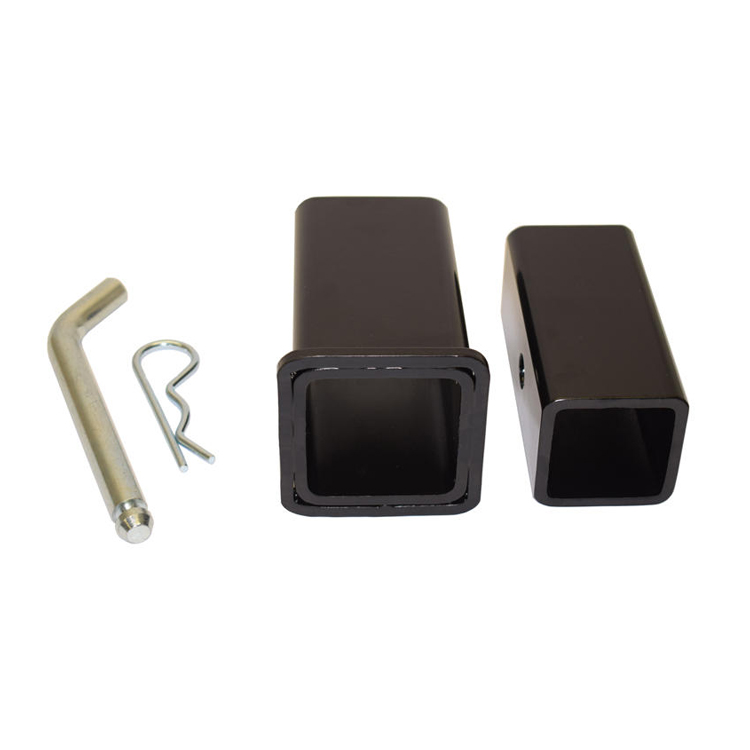
Trailer hitch tighteners are important interface stabilizers in towing systems. They solve a basic engineering problem that all receiver hitches have. There is a tolerance gap of about 1/16 to 1/8 inch between the receiver tube and the ball mount or accessory that is inserted during manufacturing. This space makes it easy to put and take out the load, but it also causes harmonic vibrations and audible rattling while it's being moved, which speeds up wear and makes the load less secure.
What Problems Do Loose Hitch Connections Cause?
Loose hitch connections cause a lot of problems during operations, which affects both safety and cost-effectiveness. The most obvious sign is a noise that won't go away, which could be a sign of bigger problems with the structure. The constant metal-on-metal contact between the receiver and insert is annoying, but it also makes abrasive wear patterns that weaken the receiver walls over time and make the pin hole bigger. This wear and tear lowers the effective load capacity and may mean that the receiver needs to be replaced, which can be expensive.
When it comes to commercial towing, the dynamic shock loading that comes from loose connections is a big problem. When heavy trailers are sped up and slowed down, the "slop" in the hitch causes a hammering effect that puts stress on the vehicle frame directly. Fleet managers often hear about suspension parts breaking early and frame cracks appearing in vehicles whose hitch connections are not properly secured. The small effects of these impacts add up over thousands of miles and cause big maintenance costs and vehicle downtime.
Types of Hitch Stabilization Devices
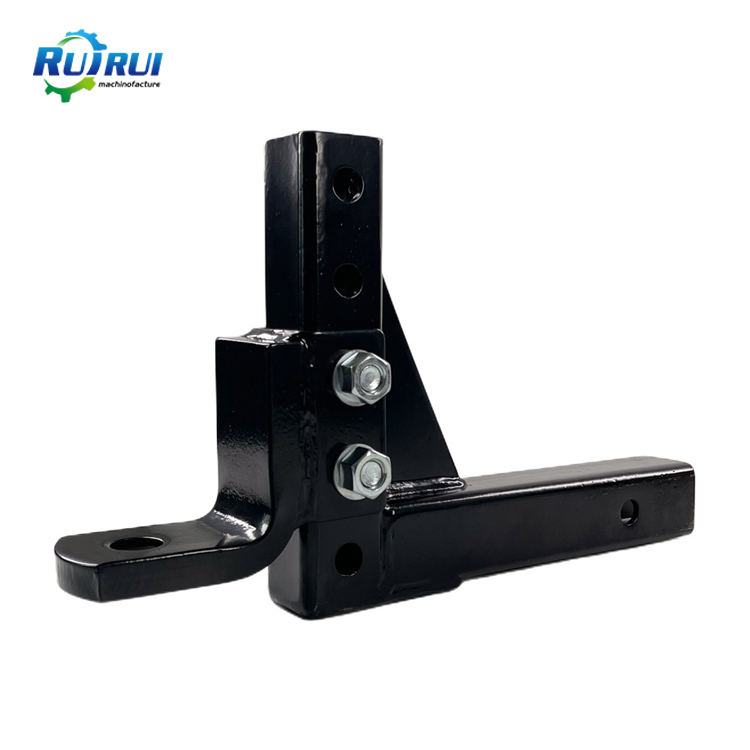
There are different types of stabilization devices on the market, and each one is made for a specific purpose. When it comes to standard applications, fixed trailer hitch tighteners work reliably thanks to their simple U-bolt design and single tightening plate. When the same hitch accessory is installed for a long time, like with permanent ball mounts on work trucks or vehicles that are only used for towing, these units work well.
Adjustable trailer hitch tighteners have clamping mechanisms or threaded adjustment systems that can be used in multiple positions to fit different insert sizes and provide precise tension control. These designs are useful in fleet settings where different accessories, like bike racks, cargo carriers, and different ball mount configurations, are used on different vehicles. Being able to fine-tune the clamping pressure guarantees the best stabilization no matter what size the inserted component is.
Another option is an anti-rattle wedge system, which has metal or polymer wedges that fit between the receiver walls and the hitch mount. Even though these devices can cut down on noise, they are usually not as rigid as bolt-through trailer hitch tighteners and may break down more quickly in harsh environments. Knowing these differences helps people who work in procurement choose the right technology for their needs and the risks they face in the workplace.
How to Choose the Best Trailer Hitch Tightener – A Decision Support Approach?
To find the best trailer hitch tightener solution, you need to carefully consider factors like compatibility, material requirements, and the specific operational needs of your fleet or client base. Long-term dependability should be more important than initial cost savings in the decision framework, since unstable devices that aren't built well often break down early and require replacement costs over and over again.
Compatibility with Receiver Sizes and Vehicle Types
Receiver classification standards for trailer hitch tightener set out five main groups based on how much weight they can hold and how big the receiver opening needs to be. Class I and II receivers have openings that are 1.25 inches wide and can handle light loads up to 3,500 pounds. Class III and IV receivers have 2-inch openings for medium- to heavy-duty towing up to 10,000 pounds. Class V receivers, on the other hand, have 2.5-inch or larger openings for the toughest commercial jobs.
When choosing trailer hitch tighteners for different fleets, make sure that the receiver class matches the U-bolt width and plate dimensions. A trailer hitch tightener made for 2-inch receivers won't work right on 2.5-inch commercial-grade receivers, leaving gaps in the clamping interface that could be dangerous. A lot of companies that make industrial equipment and build infrastructure have fleets with a variety of receiver sizes. To keep track of their inventory and avoid installing the wrong things, they need inventory management systems.
Material Strength and Corrosion Resistance
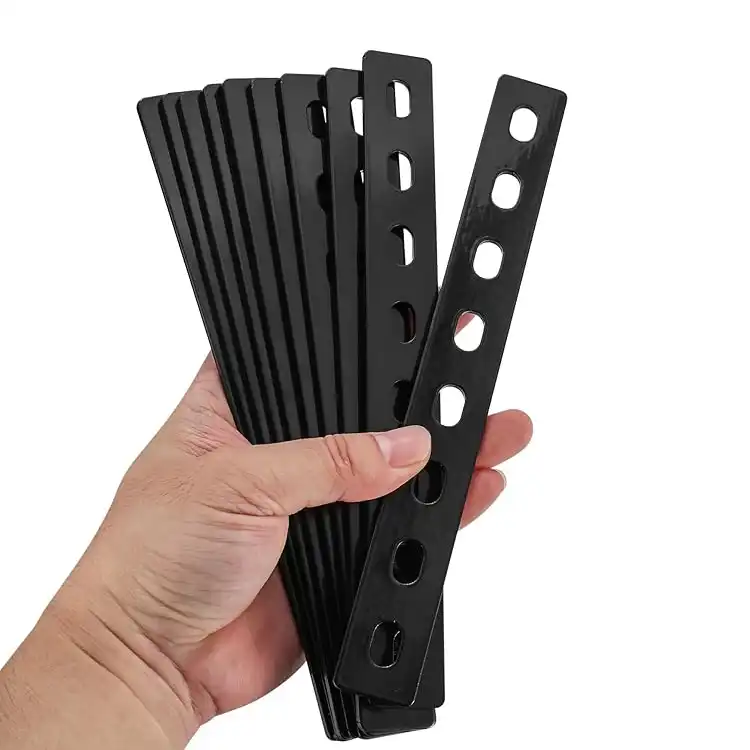
The type of metal that makes up a trailer hitch tightener directly affects how long it lasts and how much weight it can hold. For the U-bolt part, high-performance units use Grade 8 steel or 304 stainless steel, which makes sure that it has enough tensile strength to withstand shear forces during rough towing conditions. Heavy-gauge steel with a thickness of at least 0.30 inches should be used for the tightening plate so that it doesn't bend when torque is applied.
Surface treatment is just as important for units that work in environments that are corrosive. Trailer hitch tighteners made for professionals go through electro-galvanization or electrophoretic deposition coating and then powder coating. This makes them able to pass ASTM B117 standards for 500 hours of salt spray testing. This level of corrosion protection is necessary for cars that are used in northern climates where road salt is commonly used and along the coast where the air is very salty. To make sure long-term performance, procurement specifications should clearly call for documented corrosion testing results.
Security Features and Locking Mechanisms
In addition to basic stabilization, many commercial uses need theft-deterrent features to keep expensive equipment mounted on a hitch safe. Integrated locking trailer hitch tighteners have keyed bolt heads or security pin systems that keep the trailer hitch tightener and any accessories that are attached from being taken off without permission. This two-function method makes inventory easier to manage by getting rid of the need for two separate hitch locks.
Different manufacturers use very different designs for their locking mechanisms. Pin-tumbler locks are the safest, but they need to be carefully managed when used in a fleet. Some systems use master key configurations that let fleet managers keep access to multiple vehicles while stopping people from using them without permission. When choosing locking trailer hitch tighteners for large groups of equipment, you should think about both the security benefits and the administrative work of key distribution and replacement protocols.
Top-Rated Trailer Hitch Tighteners in 2026 – Market Overview and Reviews
There are well-known manufacturers in the market today whose designs have been improved over decades of field testing and constant improvement. Understanding how leading brands position themselves in the market and what makes them special helps buyers make better decisions that meet the needs of their businesses.
Leading Brand Analysis and Performance Characteristics
CURT Manufacturing is known for making products that are well-made and work with a lot of different types of receivers. Their stabilizer designs are geared toward heavy-duty uses, with U-bolts that are too big and tightening plates that are strong enough to keep their clamping force even when the machine is vibrating very hard. The company backs up their products with full warranties and keeps up large distribution networks that make it easy to get replacement parts quickly.
FASTWAY trailer hitch tightener products stand out because they have new and improved ways to adjust that work with different insert sizes without having to take the whole thing apart. This feature is especially useful for rental fleets or service businesses that change hitch accessories all the time. Their two-pin anti-rattle systems add extra side-to-side stability that stops worn receivers from moving side to side.
Reese Towpower provides solutions that are both cost-effective and meet basic performance needs without charging high prices. Their product line is aimed at commercial buyers who buy in bulk and need stable stabilization for standard applications but don't have the money for more advanced features. Even though Reese units might not have coatings that are as resistant to corrosion as high-end competitors, they work well enough in controlled environments.
Application-Specific Recommendations
Trailer hitch tighteners for heavy-duty industrial uses need to be made to handle long periods of high load and harsh conditions. Construction fleets, agricultural equipment transport, or infrastructure project logistics should ask for units made of stainless steel with U-bolts that are at least 0.50 inches in diameter and load testing certification that can be shown. The higher prices for these applications are justified by longer service intervals and lower failure rates.
For small delivery services or fleets that take care of landscaping, mid-range products made of galvanized steel and standard gauge parts can work well enough for lighting commercial tasks. When choosing a hitch accessory, the most important thing to consider is how easy it is to install and adjust. This is because these tasks usually involve switching between different hitch accessories and can be done without using any tools.
At Qingdao RUIRUI Machinery, we make trailer hitch tightener stabilization parts and trailer arm locker fasteners that meet the strict needs of B2B buyers around the world. Our products are made from Grade 8 steel and stainless steel, and their sizes can be changed to fit different receiver configurations. With ISO 4032 and DOT FMVSS 121 certifications, our parts make sure they meet international safety standards and give businesses the vibration resistance and corrosion protection they need.
Procurement Strategies for Global B2B Buyers
To come up with good strategies for buying trailer hitch tightener stabilization parts, you have to weigh short-term cost concerns against long-term total cost of ownership and supply chain reliability. Smart buyers know that the lowest unit price doesn't always mean the best value when you take into account things like quality variation, delivery reliability, and the availability of technical support.
Sourcing Channel Evaluation
For buyers who can commit to minimum order quantities of several containers, direct manufacturer partnerships offer the best pricing structure. This method gets rid of the markup that distributors add on top of the price and gives users access to engineering resources for making changes to custom designs. Manufacturers who can do OEM work can change standard designs to add their own features or work with other product lines, giving resellers and fleet operators a way to stand out from the competition.
Online business-to-business (B2B) marketplaces make it easy to find many suppliers and compare prices, so they can be used for exploratory sourcing or to fill immediate inventory gaps. In exchange, you may get less direct technical support and quality standards that aren't always the same between vendors. To reduce the risk of consistency issues, buyers who use marketplace channels should set up strict rules for incoming inspections and keep a list of approved suppliers.
Distribution partnerships through well-established industrial supply networks for trailer hitch tightener find a good mix between low prices and easy access to local support. Regional distributors keep enough inventory on hand so that orders can be filled quickly without buyers having to keep a lot of extra stock on hand. Businesses in the middle range need professional-grade products but don't buy enough to justify working directly with manufacturers. This model works well for them.
Negotiating Long-Term Supply Agreements
Structures for volume commitments should be in line with realistic predictions of consumption, but they should also be flexible enough to adapt to changes in demand. Blanket purchase orders with set release dates help manufacturers plan their production while buyers keep track of their cash flow and warehouse space. Talk about different price levels that will reward higher volume. This will make sure that both the buyer and the supplier are motivated to work together as the relationship grows.
Quality assurance clauses should be clearly defined in supply contracts. Set acceptable quality levels, sampling procedures, and ways to fix shipments that don't meet the standards. Set up clear ways for people to talk about quality issues and make sure everyone knows what a reasonable response time is. These preventative steps keep disagreements from happening and speed up the resolution process when they do.
Customized trailer hitch fasteners and stabilization parts are what RUIRUI does best for its global distribution partners. Our advanced manufacturing facility in Qingdao has eight production lines with fully automated robot systems that can make 130,000 pieces a year. We can set up just-in-time delivery plans that work with your inventory management systems. This cuts down on the amount of working capital you need while still making sure you have products available. When clients give us specific size or material requirements, our engineering team works closely with them to create custom solutions. This kind of OEM support is what sets strategic supplier partnerships apart from transactional vendor relationships.
Evaluating Total Cost of Ownership
What you pay for something is only one part of the total cost equation. Logistics costs should be taken into account, especially when buying from international manufacturers. Depending on the destination, container shipping, customs clearance, and inland transportation can add 15 to 25 percent to the landed cost. Make sure that the Incoterms are clear and spell out when responsibility shifts so that costs aren't split up in ways that were not expected.
Costs related to quality often go beyond the difference in the initial purchase price between high-end and low-end products. Think about how early failures could affect your business, including the cost of getting a replacement, the time it would take to install it, and any vehicle downtime that might happen. If the trailer hitch tightener fails while the tow is in progress, it could damage cargo, make the company responsible for the accident, and hurt relationships with customers in ways that are much worse than the extra cost of better parts.
Conclusion
To choose the best trailer hitch tightener, you need to carefully look at its compatibility requirements, the quality of its materials, and how reliable its supplier is, all while keeping your specific operational needs in mind. The best solution takes into account both short-term cost concerns and long-term performance goals, as well as the total cost of ownership. Leading manufacturers make products that meet strict safety standards and have the durability and resistance to corrosion that are needed in commercial settings. Instead of just doing business with one vendor, strategic procurement methods focus on partnerships with suppliers that provide consistent quality, engineering support, and quick customer service.
FAQ
What distinguishes a hitch tightener from an anti-rattle device?
With the help of a U-bolt system, a trailer hitch tightener applies mechanical clamping force to the hitch insert, pressing it against the receiver walls to make a strong structural connection. Most anti-rattle devices use polymer inserts or wedge systems that limit movement but don't make the structure as rigid. Trailer hitch tighteners work better in heavy-duty situations where load-bearing integrity is most important.
Can installation be completed without professional assistance?
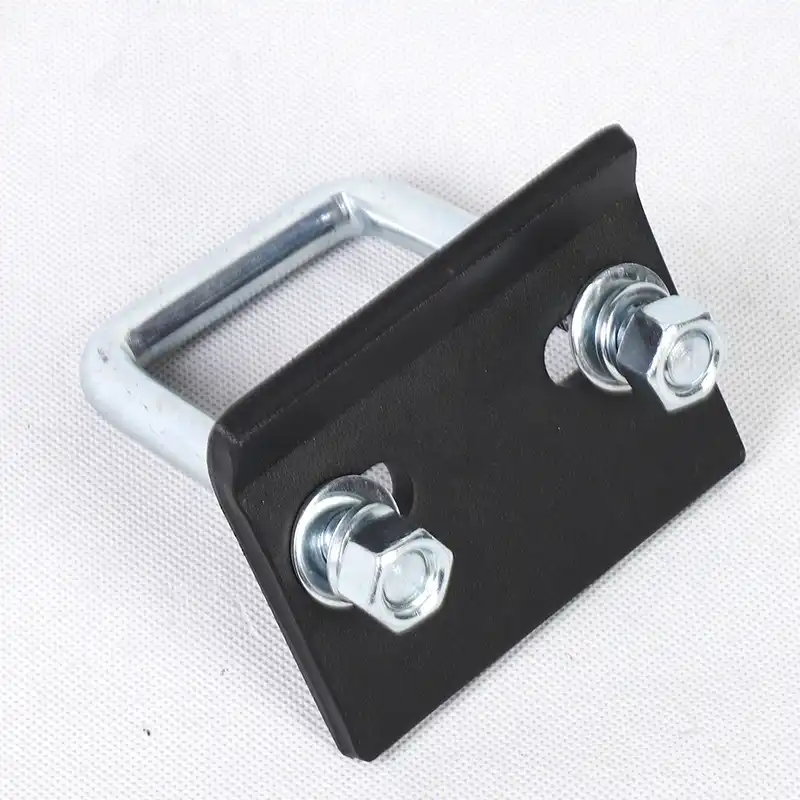
For most trailer hitch tighteners, installation is easy and only needs basic hand tools, like a wrench or socket set. To do this, you have to place the U-bolt around the hitch insert and tighten the nuts to the required torque levels. Quality products come with clear instructions that make professional installation unnecessary for people who are good with machines. Commercial fleets should set up standard installation procedures so that all operators follow the same steps.
How frequently should maintenance inspections occur?
After 500 miles of use, the initial break-in needs to be tightened again. After that, inspections should happen at the same time as regular vehicle maintenance, which for commercial vehicles is usually every three months or 5,000 miles. More often inspections should be done in harsh environments with a lot of salt exposure or when driving on unpaved roads. Visual examination only takes a few minutes and can keep expensive mistakes from happening.
Partner with RUIRUI for Premium Hitch Stabilization Solutions
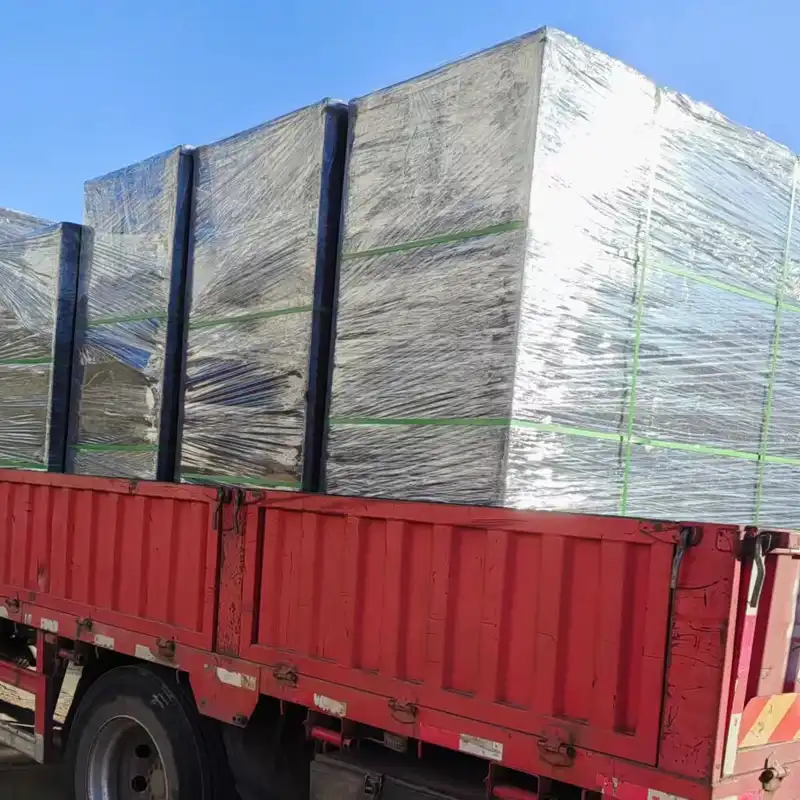
Qingdao RUIRUI Machinery is ready to be your reliable trailer hitch tightener manufacturer, providing high-quality parts that can handle the tough needs of commercial towing operations. Our ISO-certified production methods make sure that the quality of even large orders is always the same, and our experienced engineering team can help with any technical issues that come up with custom applications. We make stabilization parts out of Grade 8 steel and stainless steel that have been treated with advanced methods like galvanization and Dacro coating to make them more resistant to corrosion. Get in touch with our purchasing experts at kshdhardware@qdkshd.com to talk about your specific needs and get personalized quotes for large orders. When you work with a manufacturer that cares about quality, innovation, and customer success, your supply chain will run more smoothly.
References
Johnson, M. (2023). Commercial Towing Safety: Equipment Standards and Best Practices. Industrial Transport Publishing.
National Highway Traffic Safety Administration. (2022). Federal Motor Vehicle Safety Standards: Trailer Hitch Regulations. U.S. Department of Transportation.
Peterson, R. & Williams, K. (2024). Metallurgical Requirements for Automotive Towing Components. Society of Automotive Engineers Technical Paper Series.
Thompson, J. (2023). Fleet Maintenance Management: Preventive Protocols for Commercial Vehicles. Professional Fleet Press.
United States Customs and Border Protection. (2024). Import Guidelines for Automotive Parts and Accessories. Government Printing Office.
Zhang, L. (2023). Modern Manufacturing Techniques in Precision Metal Fabrication. International Journal of Industrial Engineering, 45(3), 287-304.

Send Inquiry
Related Industry Knowledge
- Custom Trailer Hitch Pins Bulk — Trends & Future Demand Insights
- Standard Trailer Hitch Ball Sizes | How to Choose
- What size nut is on a 2 inch trailer ball?
- Trailer Hitch Pins | Heavy Duty Lock Pins for Towing
- What Are the Top Performance Advantages of Using a Custom Forged Auto Parts Yoke?
- Are Wall-Mounted Device Rack Brackets Adjustable?
- How do I maintain and clean a trailer ball cover?
- What materials are D ring shackle hitch receivers made from?
- What is a Zinc Plating Square Pin?
- What industries commonly use cast iron spider wheels?