
Best RV Towing Parts for Safe Travel
When evaluating the best RV towing parts for safe travel, the essential components include high-quality trailer balls, reliable ball couplers, secure hitch pins with clips, properly rated ball mounts, dependable electrical connectors, and protective covers. These RV towing accessories form the backbone of safe recreational vehicle operations, ensuring proper weight distribution, secure connections, and reliable electrical systems during long-distance travel and frequent coupling operations.
Introduction
The recreational vehicle business is still growing very quickly, and millions of travellers around the world love the freedom of going on adventures in their own vehicles. This growth opens up a world of possibilities for companies that make industrial equipment, security systems, and global wholesalers who know how important it is to have reliable tow systems. Every successful RV trip starts with precision-engineered towing parts that must be able to handle tough conditions while still meeting the highest safety standards. Professional procurement managers know that RV towing safety goes far beyond basic functionality. More and more, infrastructure builders and city project buyers today ask for RV-grade parts for emergency response trailers, temporary buildings, and mobile command centers. This demand for both premium and standard tow hardware shows how different they are in terms of how versatile and reliable they need to be. It's important for distributors who serve both recreational and commercial markets to know the technical specs, material needs, and performance standards of professional-grade tow equipment. When the needs for recreational vehicles and city facilities come together, it makes it harder to buy things because you need to know a lot about what each part can do, how to get it certified, and how long it should last.
Essential RV Towing Parts: Selection Criteria and Performance Standards
Weight Capacity and Engineering Requirements
Professional buyers look at RV towing parts based on safety factor margins, gross trailer weight (GTW) ratings, and tongue weight specs. Components rated between 3,500 and 7,500 pounds GTW are ideal for most recreational vehicle uses and also meet the needs of city trailers and temporary infrastructure equipment. The composition of the material is an important factor in choosing the right component. Corrosion protection is needed for long periods of time outside, and stainless steel, chrome-plated carbon steel, and certain alloy compositions can do the job. These materials keep their shape even when the temperature changes and the environment change, which is something that recreational vehicles do when they travel for long periods of time. Base performance requirements are set by certification standards like SAE J684 for trailer couplers and FMVSS 571.180 for air brake systems. Professional procurement teams give more weight to sellers who can show that they follow international quality standards and keep detailed records of all the tests they do on their products.
Compatibility and Standardization Factors
Universal compatibility is still very important for distributors who serve a wide range of areas. Standard 2-inch receiver hitches are most common in RV towing, but 1-1/4-inch receivers are still used for lighter-duty tasks. Different regions have different standards for electrical connectors, but 7-way RV blade connectors are the most flexible way to connect all of your trailer's lights and brake controllers. Ball sizes usually come in 1-7/8-inch and 2-inch diameters, with the 2-inch diameter becoming more and more common for modern travel trailers. But 4-way and 5-way connectors are still popular in some market groups, such as RV towing parts, so distributors need to keep a wide range of stock on hand. Threading requirements and tolerances for size and shape affect how well they can be serviced in the field. Making parts to exact specs makes installation easier and increases their long-term dependability. More and more, professional buyers choose suppliers whose product lines come with thorough technical drawings and compatibility charts.
Top RV Towing Components for Professional Applications
H3: Premium Trailer Ball Systems
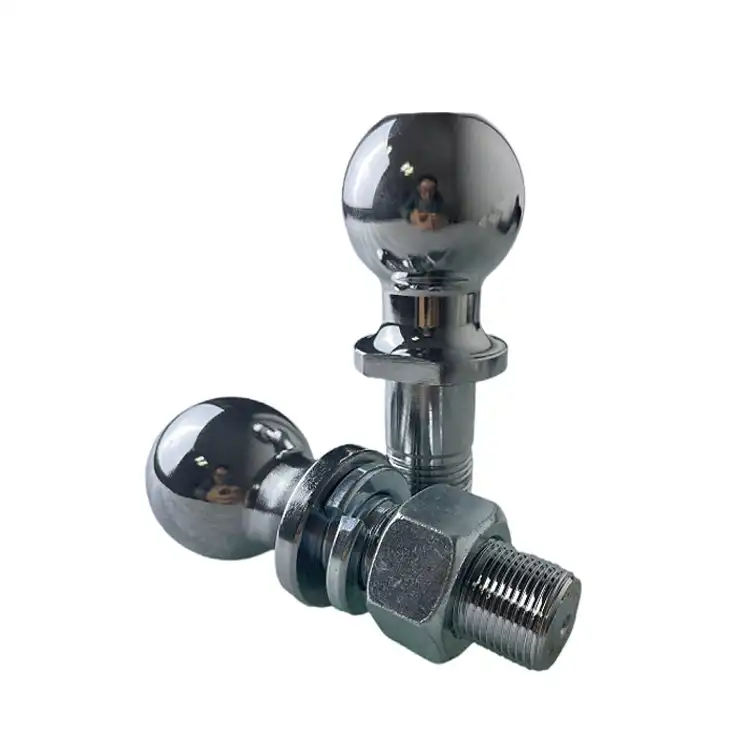
Heavy-duty trailer balls are the main way that tow vehicles and recreational trailers link to each other. To keep them from rusting or wearing down, professional-grade balls are made of forged steel with chrome finishing or stainless steel. The 2-inch diameter ball fits most current travel trailers, while the 1-7/8-inch diameter ball fits lighter pop-up campers and utility trailers. The quality of the manufacturing has a direct effect on safety and durability. Precision-forged balls keep their shape even when they're loaded, which keeps trailer couplers from wearing out too quickly. To make sure the coupler engages and releases properly, the circular surface needs to be round and smooth all the way around. Buyers who are professionals look for balls with clearly marked weight values and SAE compliance certification. Installation requirements include the right amount of torque and thread engagement. Standard 1-inch shanks with fine threads make mounting safe in ball mounts that are compatible.
The threaded shank length needs to be long enough to fit the thickness of the ball mount and the full contact of the nut. Lock washers and nuts that are properly tightened keep the parts from coming loose during the journey. Quality control measures include checking the hardness, making sure the dimensions are correct, and looking at the surface finish. Professional-grade manufacturers follow batch testing methods and keep records of how things can be traced back to their source. These quality control measures are necessary for distributors who work with business fleets and city operations, where a broken part could put them at risk of a lot of liability. The quality and thickness of the chrome plating affect how well it works over time. When coating is done right, the surfaces are strong and won't chip or rust. Stainless steel alternatives get rid of the need for plating and offer better corrosion protection. Professional buyers usually choose stainless steel for places near the coast or where road salt is present.
H3: High-Performance Ball Couplers
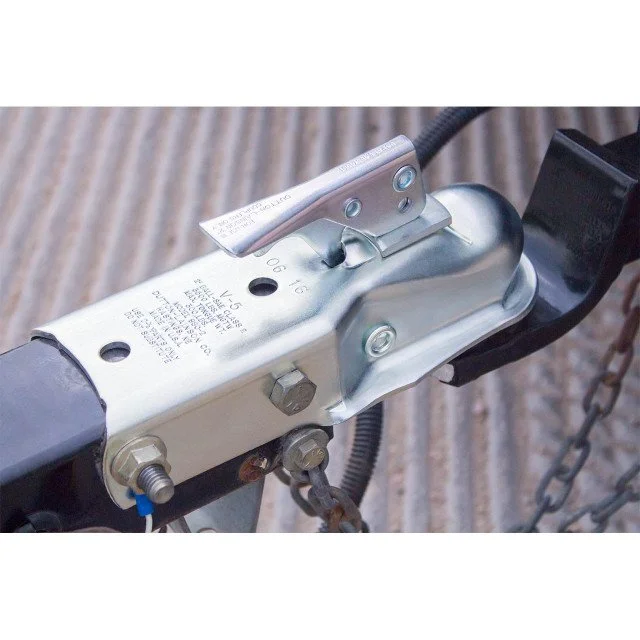
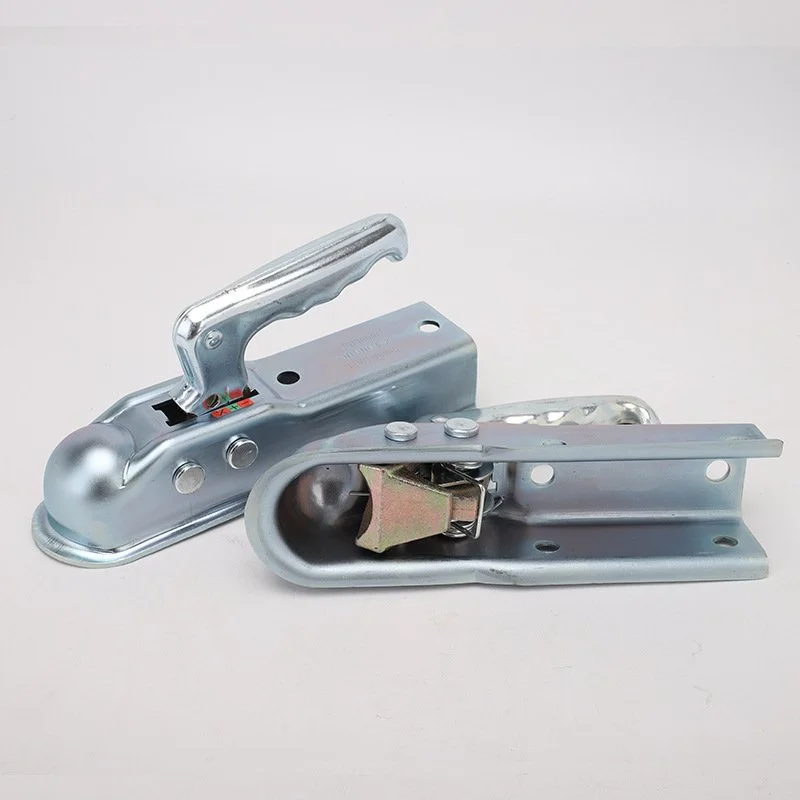
Trailer ball couplers are the mechanical parts that connect trailers to cars that pull them. Professional-grade couplers are made of cast steel and have ball pockets that are precisely polished and strong latch mechanisms. The coupler size must exactly match the diameter of the trailer ball. For modern RVs, 2-inch couplers are becoming the industry standard. There are different types of latches, such as standard latches that are operated by a lever, couplers that can be adjusted for different ball heights, and quick-release mechanisms for frequent coupling operations. Adjustable couplers that can handle small changes in height without needing different ball mounts are often preferred by professionals. The range of vertical movement for adjustments is usually between 1 and 2 inches. Safety chain attachment places need to be strong and in the right place. In an emergency, built-in safety chain loops must be able to support the full weight of the trailer.
The way the chains are mounted should keep them from touching the ground while still being long enough for the turning radius. When professional installations are done, they often mention specific chain grades and attachment hardware. Mounting electrical connectors becomes very important for RVs that need full lighting and brake systems. Built-in electrical brackets place plugs so they are easy to reach and protect them from road debris and the weather. Different types of connectors should be able to fit into the mounting design, and the wire should be able to relax when it's not in use. Dimensional accuracy, surface finish, and mechanical testing are all part of manufacturing quality standards. Professional-grade couplers are load tested to make sure they live up to their capacity values and cycle tested to make sure the latch lasts a long time. When heat treatment and machining are done correctly, products keep working well even in tough circumstances.
H3: Precision Ball Mount Systems
Ball mount assemblies provide the structural connection between vehicle receiver hitches and trailer balls. Professional-grade mounts feature welded steel construction with multiple height options to achieve proper trailer leveling. The standard 2-inch receiver tube dimensions ensure compatibility with most modern towing vehicles while providing adequate strength for heavy trailers. Drop and rise configurations accommodate different vehicle and trailer combinations. Common drop distances for RV towing parts range from 2 to 8 inches, while rise mounts handle situations where the vehicle hitch sits below the trailer coupler. Professional users often maintain multiple ball mounts to serve different trailer types without compromising proper weight distribution. Weight distribution capabilities become essential for heavier travel trailers.
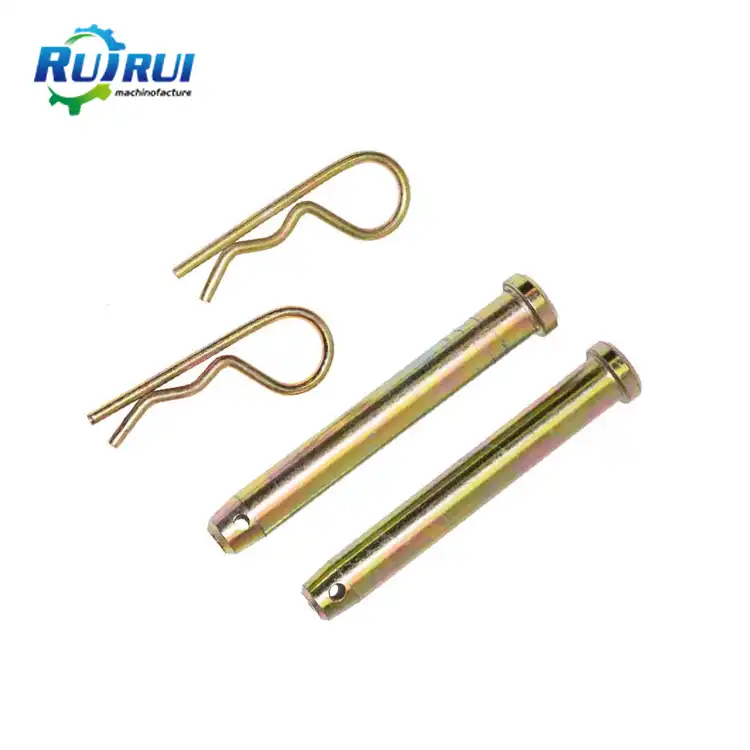
Specialized ball mounts integrate with weight distribution systems to transfer tongue weight to all vehicle axles. These systems include spring bars, chains, and adjustment mechanisms that require precise setup for optimal performance. Professional installations demand a thorough understanding of weight distribution principles. Hitch pin compatibility requires standard 5/8-inch pin holes with proper positioning for secure mounting. The pin hole tolerances affect ease of installation and removal. Professional users prefer mounts with slightly oversized holes that accommodate pins easily while maintaining adequate strength. Backup pin holes provide redundancy for critical applications. Finish options include powder coating, galvanizing, and bare steel preparations. Powder-coated mounts provide excellent corrosion resistance with a professional appearance. Galvanized finishes offer superior protection for marine and industrial environments. Professional buyers specify finishes based on intended service environment and appearance requirements.
Global Market Analysis and Regional Considerations
North American Market Characteristics
The North American RV market demonstrates a strong preference for standardized components and comprehensive electrical integration. Professional distributors serving this region encounter demand for 7-way electrical connectors, integrated brake controllers, and weight distribution systems. Municipal contractors increasingly specify RV-grade components for emergency response trailers and temporary command centers. Manufacturing proximity and logistics considerations favor suppliers with established North American distribution networks. Container-level shipments from qualified overseas manufacturers provide cost advantages for large-scale distributors. Professional buyers evaluate suppliers based on inventory management capabilities, technical support availability, and delivery reliability. Regulatory compliance requirements include DOT certification for commercial applications and state-specific trailer equipment mandates. Professional procurement teams prioritize suppliers who maintain current certification documentation and provide compliance assistance. The liability implications of component failure create a strong preference for established manufacturers with comprehensive quality systems.
European and International Standards
European markets emphasize different electrical standards and dimensional specifications. The 13-pin electrical connector predominates in European applications, requiring different wiring harnesses and connector designs. Professional distributors serving international markets maintain inventory diversity to accommodate regional preferences and regulatory requirements. ISO certification and CE marking requirements affect supplier qualification processes. Professional buyers increasingly specify suppliers with comprehensive quality system certification and documented compliance procedures. Environmental regulations and material restrictions create additional compliance requirements that impact product specifications and manufacturing processes. Cultural preferences for compact, efficient designs influence product development priorities. European RV applications often emphasize weight reduction and aerodynamic considerations. Professional distributors understand these market preferences and specify products accordingly.
Emerging Market Opportunities
Infrastructure development projects worldwide create opportunities for RV towing parts in municipal and commercial applications. Temporary facility requirements, mobile equipment platforms, and emergency response systems utilize RV-grade towing components. Professional contractors recognize the reliability and availability advantages of leveraging recreational vehicle industry standards. Technology integration trends include electronic brake controllers, wireless monitoring systems, and automated coupling mechanisms. Professional buyers evaluate suppliers based on innovation capabilities and technology roadmap alignment. The convergence of recreational and commercial applications drives demand for advanced towing systems. Supply chain resilience considerations favor suppliers with diverse manufacturing capabilities and flexible production systems. Professional procurement teams increasingly evaluate supplier stability, capacity management, and contingency planning capabilities. The global nature of RV markets requires suppliers who understand international logistics and regulatory compliance.
Purchasing Recommendations and Professional Considerations
Supplier Evaluation Criteria
Professional procurement teams evaluate towing component suppliers based on manufacturing capabilities, quality systems, and technical support resources. Suppliers with comprehensive fabrication capabilities, including CNC machining, laser cutting, and precision stamping, demonstrate the versatility necessary for custom applications. Advanced surface treatment capabilities, including powder coating, plating, and anodizing, provide the finishing options required for diverse market segments. Quality certification requirements include ISO 9001 implementation with documented quality control procedures. Professional buyers prioritize suppliers who maintain statistical process control, incoming material inspection, and final product testing protocols. Traceability systems become essential for commercial applications where component history documentation may be required. Technical support capabilities affect long-term supplier relationships. Professional buyers prefer suppliers who provide engineering assistance, custom design services, and application-specific recommendations. The ability to review customer drawings, recommend modifications, and provide alternative solutions creates competitive advantages for qualified suppliers.
Inventory Management and Logistics
Container-level purchasing strategies provide cost advantages for large distributors while requiring effective inventory management. Professional buyers evaluate suppliers based on minimum order quantities, production lead times, and packaging efficiency. Suppliers who understand international shipping requirements and provide proper export documentation streamline procurement processes. Product standardization affects inventory complexity and customer service capabilities. Distributors serving diverse markets prefer suppliers who offer comprehensive product lines with standardized interfaces. The ability to provide complete towing solutions from a single source reduces procurement complexity and improves inventory turnover. Quality packaging becomes essential for international shipments and long-term storage. Professional suppliers provide corrosion protection, impact resistance, and identification marking that preserve product quality during extended distribution cycles. Proper packaging reduces damage claims and improves customer satisfaction.
Industry Trends and Future Outlook
The RV towing industry continues to evolve toward increased safety standards, enhanced materials, RV towing parts, and integrated technology solutions. Electric vehicle adoption creates new challenges for towing capacity and electrical system compatibility. Professional suppliers must adapt to changing vehicle architectures while maintaining compatibility with existing trailer infrastructure. Advanced materials, including high-strength steel alloys and corrosion-resistant coatings, improve component longevity and reduce maintenance requirements. Professional buyers increasingly specify suppliers who demonstrate innovation capabilities and material science expertise. The convergence of recreational and commercial applications drives demand for enhanced performance specifications. Smart towing systems incorporating sensors, wireless communication, and automated adjustments represent emerging opportunities. Professional distributors recognize the importance of aligning with suppliers who understand technology trends and maintain development capabilities. The integration of safety monitoring and predictive maintenance features creates new value propositions for end users.
Conclusion
Professional procurement of RV towing parts requires a comprehensive understanding of technical specifications, quality standards, and market dynamics. Successful distributors partner with manufacturers who demonstrate advanced capabilities, maintain rigorous quality systems, and provide responsive technical support. The convergence of recreational vehicle growth and commercial applications creates opportunities for suppliers who understand diverse market requirements. Quality components, proper supplier selection, and effective inventory management strategies enable distributors to serve expanding markets while maintaining competitive advantages. Professional buyers who prioritize certified suppliers, standardized products, and comprehensive support services position themselves for sustained success in the growing RV towing market.
FAQ
1. What weight ratings are required for professional RV applications?
Professional RV applications typically require components rated between 3,500 and 7,500 pounds gross trailer weight (GTW). Commercial and municipal applications may require higher ratings depending on specific trailer configurations. Professional buyers should verify actual trailer weights and specify components with appropriate safety margins.
2. How do material choices affect component longevity?
Stainless steel provides superior corrosion resistance for marine and coastal environments. Chrome-plated carbon steel offers excellent durability for standard applications at a lower cost. Specialized alloys provide enhanced strength for heavy-duty applications. Professional buyers should specify materials based on the service environment and performance requirements.
3. What certification standards apply to commercial towing applications?
Commercial applications typically require SAE J684 compliance for trailer couplers and DOT certification for electrical systems. Municipal and government applications may specify additional standards. Professional buyers should verify applicable regulations and specify compliant components from certified suppliers.
Partner with RUIRUI for Premium RV Towing Parts Solutions
RUIRUI Machinery delivers RV towing parts with exceptional value as your trusted RV towing parts manufacturer, combining advanced manufacturing capabilities with comprehensive quality systems. Our ISO-certified facilities utilize precision CNC machining, laser cutting, and specialized finishing processes to produce components that exceed international standards. Professional distributors and infrastructure contractors worldwide rely on our engineering expertise, customization capabilities, and reliable delivery performance. Contact our technical team at kshdhardware@qdkshd.com to discuss your specific RV towing parts supplier requirements and discover how our manufacturing excellence can strengthen your supply chain operations.
References
1. National Association of RV Parks and Campgrounds. "RV Industry Statistical Profile: Commercial Vehicle Towing Standards and Safety Requirements." Annual Industry Report, 2024.
2. Society of Automotive Engineers. "SAE J684 Standard: Specifications for Trailer Ball and Socket Coupling Systems in Commercial Applications." Technical Publication Series, 2023.
3. International Standards Organization. "ISO 14531: Road Vehicles - Mechanical Coupling Between Tractors and Semi-trailers - Quality Management Systems for Towing Equipment Manufacturers." Global Manufacturing Standards, 2024.
4. Federal Motor Vehicle Safety Standards. "FMVSS 571.180: Air Brake Systems for Commercial and Recreational Vehicle Applications." Department of Transportation Safety Guidelines, 2023.
5. Recreational Vehicle Industry Association. "Global Market Analysis: Infrastructure Applications of RV-Grade Towing Components in Municipal and Commercial Operations." Market Research Publication, 2024.
6. American National Standards Institute. "ANSI Z15.1: Safety Standards for Mobile Equipment and Temporary Infrastructure Towing Systems." Industrial Safety Specifications, 2023.

Send Inquiry
You may like
Related Industry Knowledge
- Heavy Duty Hitch Tightener For 1.25 & 2 Inch Tow Trailer Hitches U Bolt Ball Mount Stabilizer Wobble Carrier Anti-Rattle Clamp
- Heavy Duty Trailer Jack: The Industry Standard for Reliability and Strength
- Heavy Duty Trailer Jack: The Unbeatable Choice for Extreme Loads
- What Are the Key Benefits of Customizable Adjustable Tow Arm Adapters for OEM Buyers?
- What Surface Finishes Are Available for Special-Shaped Forging Custom Auto Parts and Why Do They Matter?
- How Do CNC Sheet Metal Parts Enhance Your Manufacturing Capabilities?
- How does a Hitch Packer Adapter work?
- How do I maintain and clean a trailer ball cover?
- How to change a sheet metal part thickness guage?
- How to make a sheet metal box for furnace papers?