
How to Lubricate a Trailer Coupler?
To properly grease a trailer coupler, you need to clean the mechanism well, put the right grease on the ball sockets and locking parts, and then test the coupler's functioning. Regular upkeep with good marine-grade lubricants stops rust, cuts down on wear, and makes sure that pulling is safe. Before each use, the locking mechanism is oiled by removing any old grease, checking for damage, adding new lube to the pivot points and contact surfaces, and making sure everything works smoothly.
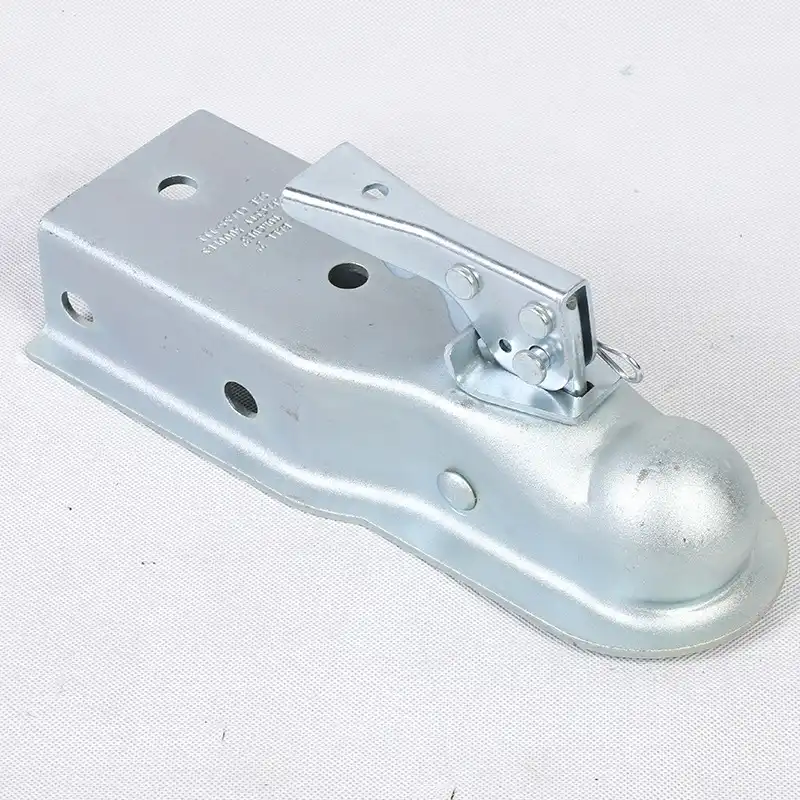
Understanding Trailer Coupler Basics
A trailer coupler is the most important technical link between your trailer and tow car. It moves heavy items safely and connects the two. Knowing about these parts helps procurement workers make smart choices about how to maintain tools and what to buy.
Essential Components and Functionality
The ball socket is the most important part of any coupler system because it makes the link with the hitch ball safe. Different designs have different closing mechanisms, but most of them have a latch that is worked by a lever and fits around the ball. In order to meet DOT rules, modern couplers have safety chain connection places and often have built-in breakaway systems.
The mounting gear holds the whole unit to the trailer tongue, while the actuator system controls the locking and releasing features. To keep working at its best under dynamic loading conditions, each part needs its own special greasing points.
Material Considerations for Maintenance
Steel couplers are the most common type used in heavy-duty situations because they are strong and last a long time. However, they need to be oiled regularly to keep them from rusting. Aluminum options are lighter and naturally resistant to rust, but they need different types of lubricants to stop galvanic reactions.
Cast iron parts are very resistant to wear, but they need to be maintained regularly to keep rust from forming. More and more, lighter-duty uses are using composite materials, which means they need special oils that won't damage plastic parts.
The type of coupler material directly affects how often it needs to be maintained and what kind of lube should be used. In tough settings, steel units may need to be serviced once a month, but with the right care, aluminum units can go a lot longer between visits.
Signs You Need to Lubricate Your Trailer Coupler
Recognizing the need for lubrication before a major failure happens saves both the equipment and the people who use it while keeping operations running smoothly. Early action keeps fixes from being too expensive and could lead to liability problems.
Audible and Visual Indicators
Making squeaking or grinding noises when engaging on a trailer coupler means that the device is not properly oiled or is contaminated. Most of the time, these sounds come from metal-on-metal contact between the ball and socket or inside the locking mechanism.
Surface rust or rusting on parts that can be seen is a sign that water is getting in and there isn't enough protective grease. Galvanic corrosion, which leaves white or green deposits around metal parts, needs quick attention to stop damage to the structure.
Operational Performance Issues
Lubricant that is dirty or running low can make it hard to engage or disengage the locking device. When there is too much force needed during operation, it means that the pivot points aren't oiled enough or there is internal wear.
If the link is playful or looser than what the maker recommends, it means that parts are worn and may benefit from being oiled and inspected right away. If the oil breaks down or the wrong product is used for the environment, it can cause the machine to move slowly or stick when the temperature changes.
Visual checks for rust, functional tests of all moving parts, and writing down any changes in performance should all be part of regular inspection procedures. These actions are in line with standards for fleet repair and help meet legal requirements.
How to Lubricate a Trailer Coupler: Step-by-Step Guide?
A systematic method that includes proper planning, good materials, and careful performance is needed for lubrication to work well. This process guarantees uniform results and the longest possible life for the tools.
Preparation and Safety Measures
Set the trailer down on level ground where there is enough light to do a thorough check. To stop the trailer from moving while repair is being done, disconnect the trailer coupler from the tow car and put on the parking brakes.
Get the tools you need, like clean rags, wire brushes, degreasing solvent, and the right oils. To protect yourself from solvents and grease, you should wear safety glasses and gloves that are immune to chemicals.
Cleaning and Inspection Process
Using wire brushes and degreasing products, get rid of the dirt, grease, and rust that has built up. Pay close attention to the pivot points, spring systems, and the inside of the ball socket, as these are common places for dirt and grime to build up.
While cleaning, look at all of the parts to see if they are worn, cracked, or deformed. Write down any problems so that experienced experts can look into them further. To get the best adhesion and efficiency, clean surfaces completely before putting on new lube.
Lubricant Application Techniques
Use a brush or grease gun to precisely apply marine-grade grease to the sides of ball sockets on the trailer coupler. Pay attention to the areas where the ball touches the socket, making sure that they are completely covered without any extra that could get dirty.
Light penetrating oil should be used to grease the pivot points in the closing mechanism right away, and then heavy grease should be used for long-term protection. Work the device a few times to make sure that the grease gets to all of its moving parts.
Complete operation steps, including locking and opening, should be tested to make sure everything works smoothly and that the lubricant is spread out evenly. Before putting it back into service, make any last changes needed to make sure it works at its best.
Maintaining Your Trailer Coupler for Longevity and Safety
Strategic repair programs use proactive instead of reactive methods to make tools last longer and lower the total cost of ownership. Professional repair procedures are in line with what insurance companies need and what the government rules are.
Lubrication Scheduling and Environmental Factors
Maintenance plans are less important than how often something is used. For example, equipment that is used every day needs to be serviced once a week, while trucks that are only used sometimes may need to be serviced once a month or during certain seasons. Exposure to the environment speeds up wear patterns by a large amount.
Because of the salt, activities near the coast need more upkeep, and places with a lot of dust need more cleaning cycles. Extreme temperatures can change how well a lube works, and for the best safety, you may need to change the product every season.
Quality Product Selection and Performance Optimization
Premium lubricants give a clear return on investment (ROI) by extending the time between repair visits and lowering the cost of replacing parts. Marine-grade formulas don't wash out and protect against rust better than general-purpose formulas.
OEM-specified oils make sure that everything works together, and they may be needed to keep your guarantee valid. Products that can be used for more than one thing can make managing supplies easier while keeping performance standards high across all types of tools.
Lubricants stay in good quality and don't get contaminated when they are stored and handled correctly. Temperature-controlled keeping keeps things from breaking down or separating, which would shorten their useful life.
Choosing the Right Trailer Coupler and Lubrication Products for Your Business
When making strategic procurement choices for trailer coupler, it's important to weigh the original costs against the performance and upkeep needs over the lifecycle. A full evaluation looks at working needs, the surroundings, and factors in the supply chain.
Product Evaluation and Supplier Assessment
The load capacity values must match the needs of the process while leaving enough room for error for changing loading conditions. Weight rates only show steady loads. In real life, however, forces like speeding up, slowing down, and turning increase stress levels.
The choice of materials has a big effect on how much upkeep is needed and how much the whole thing costs to own. Steel parts are the strongest, but they need a lot of upkeep. Aluminum parts are lighter and don't need as much maintenance, but they cost more.
Supply Chain Considerations and Bulk Purchasing Benefits
Established providers with quality systems that have been shown to work provide the stability and dependability that fleet operations need. Industry approvals and ISO licenses show that a company is dedicated to quality management and consistent products.
Buying in bulk can cut unit costs by a lot while still making sure there is a steady flow of goods. Long-term contracts offer stable prices and higher levels of service that help with planning operations.
International providers may have big price benefits, but you need to carefully check their quality standards, delivery reliability, and expert help. Comprehensive methods for qualifying suppliers keep the supply chain running smoothly and avoid quality problems.
Conclusion
Proper trailer coupler lubrication represents a fundamental maintenance practice that directly impacts operational safety, equipment longevity, and total cost of ownership. The systematic approach outlined here provides procurement professionals and maintenance teams with actionable guidelines for implementing effective lubrication programs.
Regular repair plans that are tailored to the specifics of the business keep things from breaking down too soon and help meet regulatory and insurance requirements. Quality lubricants and the right way to use them give a measured return on investment (ROI) through longer repair intervals and lower replacement costs. Strategic connections with suppliers and big buying agreements make the buying process more efficient while keeping the high quality standards that are necessary for professional businesses.
FAQ
How often should I lubricate my trailer coupler?
How often you lubricate depends on how often you use it and the settings where it's used. Commercial trailers that are used every day usually need to be oiled once a week, but leisure trailers may go longer between lubrications, once a month or during certain seasons. Exposure to salt water, dust, and extreme weather all make upkeep much more necessary.
What type of lubricant works best for trailer couplers?
Because it doesn't absorb water and stops rust, marine-grade lithium complex grease is the best way to protect most surfaces. Stay away from goods made from gasoline, which can attract dirt and other contaminants. For processes that take place in extreme climates, temperature-specific formulas may be needed.
Can improper lubrication damage my trailer coupler?
If you don't lubricate something properly, it will wear out faster, rust, and maybe even break down, which makes pulling less safe. Too much grease can cause pollution that can stop things from working right. If you use the wrong kind of lubricant, it could lead to chemical reactions that hurt seals and parts, especially in metal systems.
Partner with RUIRUI for Premium Trailer Coupler Solutions
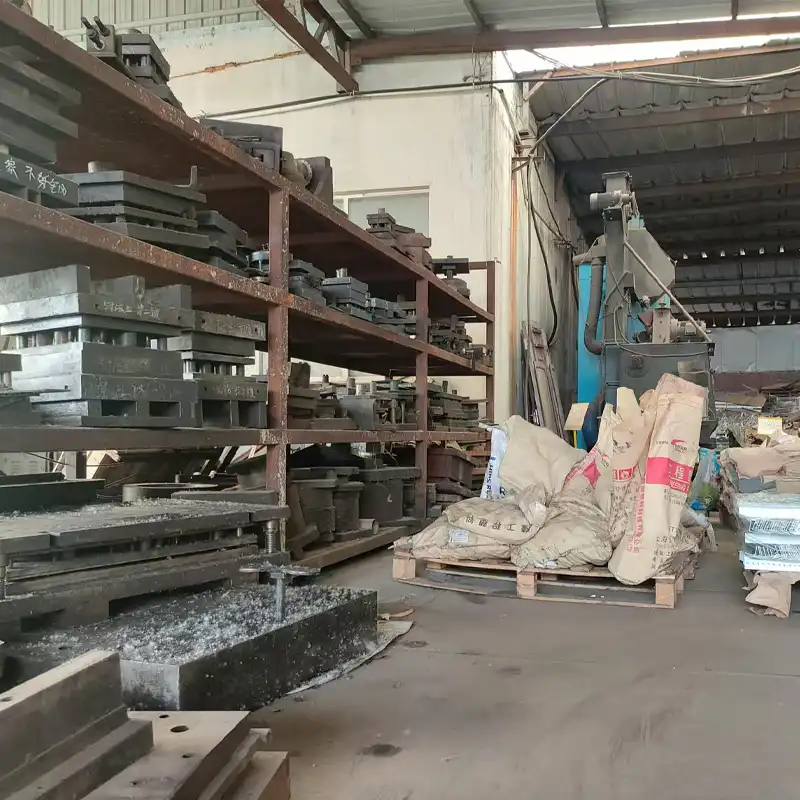
RUIRUI Machinery is ready to meet your needs as a trailer coupler maker with its extensive technical knowledge and tried-and-true quality systems. Our ISO-certified factories make OEM-grade parts for tough industrial uses, and they come with strict testing methods and quality assurance programs to back them up.
Procurement teams benefit from our streamlined buying processes, low bulk prices, and reliable foreign logistics make us a good choice for procurement teams. Custom engineering solutions, help choosing materials, and the creation of upkeep protocols that are specific to your business needs are all examples of technical support. Email our engineering team at kshdhardware@qdkshd.com to talk about the details of your trailer coupler needs and find out how our manufacturing skills can improve the performance of your supply chain by giving you better goods and better professional service.
References
Society of Automotive Engineers. "SAE J684: Trailer Couplings and Hitches - Automotive Type." SAE International Standards, 2019.
Department of Transportation. "Federal Motor Vehicle Safety Standard No. 393: Parts and Accessories Necessary for Safe Operation." Code of Federal Regulations Title 49, 2020.
American Society for Testing and Materials. "ASTM D4950: Standard Classification and Specification for Automotive Service Greases." ASTM International, 2018.
National Institute for Occupational Safety and Health. "Criteria for a Recommended Standard: Occupational Exposure to Metalworking Fluids." NIOSH Publication No. 98-102, 1998.
International Organization for Standardization. "ISO 6743-9: Lubricants, Industrial Oils and Related Products - Classification - Part 9: Family X (Greases)." ISO Technical Committee, 2017.
Recreational Vehicle Industry Association. "RVIA Standards for Recreational Vehicles: Trailer Coupling Systems and Safety Requirements." RVIA Technical Standards Manual, 2021.

Send Inquiry
You may like
Related Industry Knowledge
- Heavy Duty Trailer Coupler Factory Direct: How It Compares vs Forged Types
- 5 Key Features of Leading Trailer Parts Manufacturer
- OEM Custom Trailer Coupler Solutions for Fleet Manufacturers
- How Can Our Premium Anchoring System for Portable Winch Boost Your Operational Efficiency?
- What Materials Are Commonly Used in Fabricating Small Sheet Metal Boxes?
- How do I position a gooseneck hitch ball plate in my truck bed?
- Why Do Global Buyers Trust Our Receiver Adapter Hitch Quality?
- How can I maintain my spare tire lock to ensure it functions properly?
- Are 2-inch coupler repair kits universal, or do they fit specific coupler models?
- How to build a metal fence on a slope?