
How to Tighten Up Your Trailer Hitch?
When it comes to commercial tow trucks, a loose hitch connection can quickly go from being an annoying rattle to a major safety risk. The solution is to learn how to properly tighten your hitch using a trailer hitch tightener, which is a device designed to keep the receiver and insert from moving. This anti-rattle system uses a U-bolt assembly to apply a concentrated clamping force. This makes the link stiff and solid. By getting rid of the manufacturing tolerance gap, these devices stop metal from wearing down, lower the transmission of vibrations, and keep cargo safe from shock loads while it's being moved. Mastering the right way to stabilize a hitch has a direct effect on operational safety and equipment longevity, whether you're in charge of a fleet of commercial haulers or a company that makes parts for trailers.
Understanding the Problems with Loose Trailer Hitches
The Root Causes of Hitch Movement
The space between hitch receivers and ball mount shanks is usually between 1/16 and 1/8 inch because of manufacturing tolerances. This gap makes installation easier and lets things move around while they're working. This play is made louder by road vibrations, especially when pulling heavy loads or going over uneven ground. When the temperature changes, metal expands and contracts, which makes the connection looser over time.
The problem gets worse faster because repeated friction makes the receiver opening bigger and the shank surface finish worse. Corrosion from road salt and moisture makes the contact surfaces uneven, so even when the hitch pin is properly secured, the trailer won't fit tightly. When you speed up, slow down, or turn, shifting the load creates lateral forces that take advantage of any existing play. These forces cause oscillation patterns that put stress on both the hitch parts and the vehicle frame.
Identifying Warning Signs
A visual inspection shows that stabilization is needed in a number of ways. When you lift or push the ball mount by hand and see the gap move, that means there is too much play. Rust spots around the receiver opening show that the connections aren't stable, causing metal to rub against metal. Rattling sounds that you can hear while driving, especially on rough pavement or when the car stops, let you know that there is movement that needs your attention.
Impact on Fleet Operations
Ignoring the stability of the hitch leads to a chain reaction of operational problems. If there is too much sway, accidents are more likely to happen, especially when moving heavy loads or going fast on the highway. The constant hammering wears out receiver tubes, hitch pins, and mounting hardware faster, so they need to be replaced before they're due. Everything from fragile equipment on bike racks to materials in enclosed trailers can be damaged by vibrations that are sent through the cargo. When procurement professionals figure out the total cost of ownership, they have to take these problems into account because they directly lead to higher insurance rates, maintenance costs, and the possibility of being sued.
How Trailer Hitch Tighteners Work and Their Benefits
Mechanical Operating Principles
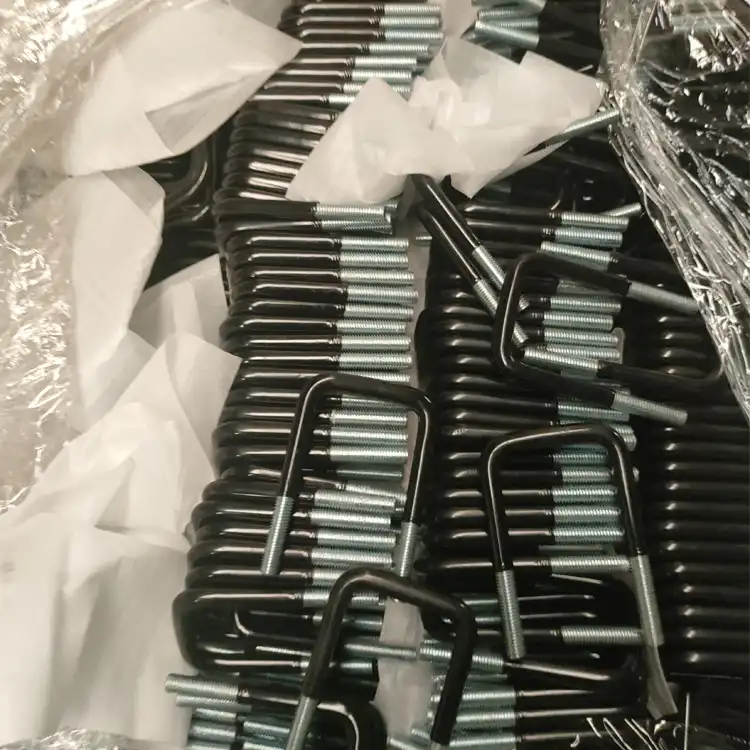
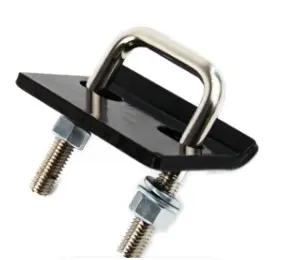
Stabilization devices like trailer hitch tightener work by applying a clamping force that makes the receiver and insert stick together. In the standard setup, a strong U-bolt goes around the hitch shank and is held in place by a plate that is pressed against the receiver tube. When the mounting nuts are tightened to the right level, the shank is pressed against the receiver walls, filling in any gaps and making a strong mechanical bond.
This compression turns the hitch assembly from several separate pieces into a single structural unit. The static friction coefficient between steel surfaces that are properly torqued is higher than the dynamic forces that are created during normal towing operations. This stops the surfaces from moving relative to each other. True stabilizers fix the mechanical problem at its source by stopping motion, unlike passive anti-rattle devices that only quiet down noise.
Design Variations and Applications
Most of the time, manual tightening systems are used. These use threaded U-bolts with locking nuts that workers can install without any special tools. These units are good for situations where hitch parts need to stay in place for a long time, like when a bike rack or dedicated cargo carrier is installed permanently. The strong construction can handle cycling the torque many times without breaking down.
Cam-lever mechanisms in other designs make it easy to attach and remove accessories quickly, which is useful for people who change hitch accessories a lot. Heavy-duty commercial uses might ask for welded reinforcement plates or multi-bolt arrangements to spread clamping forces over larger contact areas. This is to handle the high loads and vibrations that come with transporting construction equipment.
Comparative Performance Advantages
The results of dedicated stabilizers are better than those of other vibration control methods. Standard anti-rattle sleeves lower the noise, but they can't stop the movement that wears down parts. Weight distribution hitches fix sway by adjusting the leverage, but they don't make the connection more rigid, so the receiver-shank interface is still open to damage. Stabilization devices stop movement before it can cause problems further down the line by going after the problem at its mechanical source.
The operational benefits cover a wide range of performance areas. Less sway makes the vehicle easier to control, especially in emergency situations or bad weather. Getting rid of vibration protects fragile cargo and keeps aluminum bike frames and composite materials from wearing out. Receivers, shanks, and mounting hardware that last longer don't cost as much to replace. Over the lifecycle of a fleet, these benefits add up, lowering the total cost of ownership and giving measurable returns on procurement investments through a high-quality trailer hitch tightener.
Step-by-Step Trailer Hitch Tightener Installation Guide
Preparation and Tool Requirements
To do a proper installation, you must first prepare the work area and put together the tools. Put the car in park on level ground and press the parking brake. Get the tools you'll need, like a torque wrench that has been calibrated to the manufacturer's specifications, penetrating lubricant for corroded connections, a wire brush for cleaning the surface, and safety glasses to protect your eyes during the installation.
Before moving on with trailer hitch tightener, check the hitch receiver and ball mount shank. Using the wire brush and cleaning solvent, get rid of any dirt, rust, or road grime that has built up. Check to see if the receiver tube has any structural damage, like cracks or heavy wear, that would make the clamping less effective. Make sure that the ball mount shank diameter fits the receiver size. If they don't, no amount of clamping force will work to stabilize the ball.
Installation Procedure
First, put the ball mount into the receiver tube and use the original hitch pin to hold it in place. Place the U-bolt on the stabilizer around the shank that is under the receiver. Make sure that the threaded ends of the bolt go through the mounting plate holes. Carefully line up the bolt holes on the reinforcement plate so that they don't cross-thread as you slide it against the receiver face.
Using an alternating pattern to keep the pressure even, thread the lock washers and mounting nuts onto the ends of the U-bolts and tighten them evenly. When tightening for the first time, don't over-torque. If you do, uneven compression could damage the threads or bend the mounting plate. Once both nuts are finger-tight, use the torque wrench to tighten them one last time according to the manufacturer's instructions. Depending on the diameter of the bolt, this is usually done at a torque of 15 to 25 foot-pounds.
Verification and Maintenance
After installing the trailer hitch tightener, try to move it up and down and side to side inside the receiver to make sure it works. When stabilizers are installed correctly, they stop any noticeable play. However, small movements are still acceptable because the material is elastic when it is loaded. Do a short test drive on a variety of road surfaces and listen for any rattles that could mean the engine doesn't have enough torque or isn't positioned correctly.
Set up a maintenance schedule that works with how the equipment is used and how it is being operated. As part of routine preventive maintenance, hitch connections should be inspected every 500 operating miles, and torque retention and component condition should also be checked. Off-road or heavy-duty uses need to be inspected more often because the wear rates are higher. After the first 50 miles of use, re-torque the mounting nuts to account for the material settling. Then, check the torque retention at regular intervals to keep the nuts from coming loose from vibration-induced rotation.

Choosing the Right Trailer Hitch Tightener for Your Business Needs
Critical Selection Criteria
A lot of technical and operational factors must be taken into account when making procurement decisions. Material choice and size requirements are based on the load capacity needs. For light-duty uses like bike carriers or cargo platforms, standard carbon steel construction may work fine. But for heavy commercial towing, you need high-grade alloy steel parts that can handle extreme stress cycling.
Corrosion resistance and service life for trailer hitch tightener are directly related to the make-up of the material. The basic protection offered by the standard steel construction and black oxide coating is good enough for occasional use in dry climates. When working near the coast or on winter maintenance routes, you need to use hot-dip galvanization or stainless steel construction to protect against corrosion better. The extra cost of corrosion-resistant materials pays off in the long run by keeping things from breaking down too soon and avoiding the need to replace them in the middle of their useful life.
Dimensional compatibility is more than just matching the receiver size. Make sure that the U-bolt throat depth fits the ball mount shank profile, because some designs have larger sections or built-in anti-theft collars that mess up the normal shape of the stabilizer. The mounting plate width needs to be big enough to provide a good bearing surface against the receiver face without getting in the way of nearby vehicle parts like license plate brackets or trailer wiring connectors.
Supplier Evaluation and Procurement Logistics
Building relationships with qualified manufacturers guarantees consistent product quality and the dependability of the supply chain. Check to see if potential suppliers have the right certifications, such as those that meet ISO quality management standards and industry-specific requirements, like DOT FMVSS requirements for commercial vehicle applications. To check the performance claims, ask for proof of material certifications and load testing results.
Volume purchasing can save you a lot of money because you can get discounts for buying in bulk and have better payment terms. Talk about bulk pricing structures that reward commitment while still letting you keep your inventory flexible by delivering items in stages. Think about whether the supplier can help with custom engineering, especially for unique applications that need different sizes or coating requirements that can't be met by standard catalog items.
When planning logistics, international shipping times must be taken into account when buying from manufacturers in other countries. Shipping containers from Asian factories usually take 4 to 6 weeks to get to their destination, plus time for customs clearance. This means that you need to plan ahead to make sure you have enough safety stock. Compare the lower costs of buying directly from a factory with the costs of keeping inventory and the money needed for large orders.
Product Comparison Framework
To evaluate certain products, you need to compare them in a planned way using standard criteria. Durability and resistance to the environment depend on the material grade and surface treatment. Thread specifications affect how much torque a bolt can hold and how hard it is to loosen. Standard hex nuts with separate lock washers are less resistant to vibration than nylon-insert lock nuts.
The design of the mounting plate affects how the load is distributed and how easy it is to install. Thicker plates don't bend when torqued a lot, but they are heavier and cost more. When compared to flat plates, which concentrate loads at the edges, contoured designs that match the geometry of the receiver tube offer more contact area and better stress distribution. Some manufacturers include quick-release features that keep the stabilization working well while making it easier to take off when the hitch needs to be changed often using a trailer hitch tightener.
Conclusion
Proper trailer hitch tightener stabilization is a basic need for commercial towing operations to be safe and run smoothly. Procurement professionals can find solutions that improve operations in a way that can be measured by knowing how stabilizers work mechanically, knowing the best ways to install them, and using systematic selection criteria. Adding high-quality stabilization devices lowers the cost of maintenance, improves safety, and extends the life of equipment across fleet operations. By working with qualified manufacturers that offer engineering support and quality systems that have been shown to work, procurement managers can build reliable supply chains that support long-term operational goals and reduce the total cost of ownership across a wide range of commercial applications.
FAQ
Can a stabilizer get rid of all trailer sway?
Stabilizers can fix sway that is caused by hitch connection play, but they can't fix sway that is caused by things like uneven load distribution, crosswinds, or unstable aerodynamics. They are one part of full sway control, which also includes the right tongue weight, the right towing vehicle capacity, and the right way to load the trailer.
How often should the torque be checked?
The initial re-torque after 50 miles makes up for the material settling. After that, check the torque every 500 miles when the vehicle is being used and once a month when it is being stored. Heavy-duty commercial applications need to be inspected every 250 miles because they wear out faster because they are used all the time.
Do electric models have benefits that make their higher price worth it?
Applications that need to change hitch parts often can benefit from electric or quick-release designs, which make up for higher initial costs by saving time and effort. These features don't help operations that are maintaining permanent installations much, so manual tightening systems are better value for money.
Partner with RUIRUI for Professional-Grade Trailer Hitch Tightener Solutions
Custom trailer arm locker fasteners and hitch stabilization parts made to exact specifications for tough commercial uses are what Qingdao RUIRUI Machinery Co., LTD does best. Our products meet the important needs of infrastructure contractors, fleet managers, and industrial equipment distributors who need reliable solutions for controlling vibrations that are backed by strict quality standards.
We have been making trailer hitch tightener solutions for a long time and are based in Qingdao, China. We have advanced manufacturing skills and a lot of experience in the field. Our factory has eight separate lines that use CNC milling, laser cutting, and precise stamping to make fasteners out of Grade 8 steel and stainless steel alloys. Before it is shipped, each part goes through several quality control steps to make sure it meets ISO 4032 and DOT FMVSS 121 standards. Email our technical team at kshdhardware@qdkshd.com to talk about your specific needs for stabilization. We offer detailed product specifications, material certifications, and application engineering support to help you choose the best parts.
References
Anderson, J.M. (2023). Commercial Trailer Safety Systems: Engineering and Maintenance Practices. Society of Automotive Engineers Technical Publications.
Byerly, R.K. & Thompson, S.L. (2022). Heavy-Duty Towing Equipment: Selection and Application Guidelines. American Trucking Associations Press.
Federal Motor Vehicle Safety Standards. (2024). FMVSS 121: Air Brake Systems and Trailer Connections. U.S. Department of Transportation.
Industrial Fastener Institute. (2023). Torque Specifications and Installation Standards for Grade 8 Fasteners. IFI Technical Manual Series.
Peterson, D.W. (2024). Fleet Maintenance Best Practices: Preventive Strategies for Commercial Vehicles. McGraw-Hill Professional.
Wilson, K.A. & Martinez, E.R. (2023). Vibration Control in Transportation Equipment: Materials and Design Approaches. International Journal of Vehicle Mechanics and Mobility, 61(4), 512-534.

Send Inquiry
Related Industry Knowledge
- What is the Difference Between a Hitch Lock and a Coupler Lock?
- Stamped Stainless Steel Pan Features Every Buyer Should Know
- Custom Trailer Hitch Pins Bulk Buying Guide for Suppliers
- Heavy Duty Trailer Jack: The Industry Standard for Reliability and Strength
- What Surface Finishes Are Available for Special-Shaped Forging Custom Auto Parts and Why Do They Matter?
- How Do CNC Sheet Metal Parts Enhance Your Manufacturing Capabilities?
- How Can a High-Quality Car Trailer Ball Towing Hitch Boost Your Business?
- How do I choose the right Heavy Duty Snatch Block?
- How do you make a hitch tightener?
- How do you maintain and inspect zinc-plated D-shape pins?