
Stamped Stainless Steel Pan Construction and Materials Guide
Procurement experts must comprehend the principles of Stamped Stainless Steel Pan construction while looking for dependable cookware solutions for commercial and industrial applications. High-quality stainless steel sheets are stamped using hydraulic presses and sophisticated dies to create exact pan shapes. This manufacturing technique produces cookware that is lightweight, strong, and highly resistant to corrosion, making it perfect for demanding kitchen settings and commercial food processing applications where reliable performance is crucial.

Understanding Stamped Stainless Steel Pan Construction
Stamped stainless steel cookware manufacture is a contemporary method of using precise metal shape to create long-lasting kitchenware. Stamping is the process of shaping cold stainless steel sheets into cookware configurations using strong presses, as opposed to conventional production techniques that include heating and hammering metal into form. In order to create consistent pan constructions with uniform wall thickness and remarkable dimensional precision, this method begins with flat stainless steel blanks that go through dynamic shaping steps.
Material Grade Selection and Properties
The choice of stainless steel grade is the cornerstone of every high-quality stamped cookware. For the majority of commercial uses, grade 304 stainless steel—which has 8% nickel and 18% chromium for exceptional corrosion resistance and durability—remains the industry standard. Even under harsh operating circumstances, this austenitic stainless steel resists oxidation and retains its qualities throughout a broad temperature range. Because molybdenum has been added to grade 316 stainless steel, it has improved corrosion resistance, making it ideal for hostile conditions or specific applications. Both grades' chromium presence creates a passive oxide coating that, when scratched, repairs itself, providing long-term defense against rust and corrosion that might jeopardize operational effectiveness or food safety.
Core Construction and Thermal Enhancement
To increase heat conductivity, contemporary stamped stainless steel pans often include aluminum core layers below the stainless steel surface. The corrosion resistance and food safety qualities that make stainless steel essential in commercial kitchens are preserved while addressing the material's intrinsically worse heat transmission capabilities. By distributing heat evenly throughout the pan's surface, the aluminum core helps to prevent hot spots that might lead to uneven cooking or food sticking. In order to guarantee long-lasting adhesion between the various metals over the pan's operating lifetime, this multilayer structure calls for precise bonding processes.

Performance and Durability of Stamped Stainless Steel Pans
In industrial settings, the functionality of stamped stainless steel cookware has a particular impact on food quality outcomes and kitchen efficiency. Depending on the production process, heat distribution patterns might differ greatly, with stamped pans providing unique benefits over other fabrication processes. The whole cooking surface has a constant heat response because to the homogeneous wall thickness made possible by stamping.
Heat Distribution and Cooking Efficiency Analysis
Kitchen experts may depend on cookware with stamped construction to provide consistent cooking results because of its predictable heat response. While the smooth surface finish further improves consistent heat transmission from the cooking surface to the food items, the shaping process removes thickness differences that might result in hot spots. Stamped pans with aluminum cores provide comparable thermal performance at lower production costs than multi-ply structures. For some applications, the connection between pan thickness and heat retention has to be carefully considered. While thinner designs provide rapid temperature control at the expense of potential heat retention, thicker stamped structures hold heat longer but respond to temperature changes more slowly.
Durability Factors and Lifespan Considerations
Cookware is put through rigorous daily usage in commercial kitchen settings, which evaluates the material's qualities and structure. Pans made of stamped stainless steel exhibit remarkable resilience against impact damage, heat cycling, and chemical exposure—all of which are frequent occurrences in professional food service operations. When opposed to welded systems, the grain structure of stamped stainless steel often exhibits improved fatigue resistance. The edges where utensils come into touch with the pan and the bottom surfaces that are exposed to direct heat are common places for wear.
Because of careful material selection and regulated forming procedures that preserve structural integrity under heat stress, high-quality stamped pans resist warping. Commercial-grade stamped pans are expected to last between five and fifteen years, depending on maintenance procedures and use volume. Because stainless steel has a non-reactive surface, maintenance needs are kept to a minimum. Without the need for specific treatments or protective coatings that might eventually wear off, appearance and function can be maintained with routine cleaning with the right cleansers.
Comparing Stamped Stainless Steel Pans with Alternatives
Comprehending the relative inclinations of various cookware building techniques facilitates well-informed buying choices that conform to operational requirements and financial constraints. Every production technique has unique advantages that are appropriate for certain uses in commercial foodservice settings.
Stamped versus Forged Construction Analysis
Cookware made of forged stainless steel is subjected to mechanical shaping and heating operations, which results in denser metal structures with improved tensile properties. However, this manufacturing process requires specialized equipment and much larger energy inputs, which raises production costs and influences final price. Stamped pans preserve cost effectiveness for large-scale procurement while achieving equivalent durability via regulated shaping procedures and optimal material choices. Weight concerns favor stamped construction since the shaping process makes the pans lighter, which lessens kitchen staff strain during prolonged usage. Compared to the rough surfaces sometimes seen on forged alternatives, the flat surface finish characteristic of stamped pans also makes cleaning and maintenance simpler.
Material Performance Comparisons
Although cast iron cookware retains heat better, it needs protective coatings that might fade with frequent use. For high-volume commercial applications where consistent performance is more crucial than maximal heat retention, stamped stainless steel is more feasible since cast iron requires far less maintenance than stainless steel. Easy food release is provided by non-stick coated pans, however their operating lifespans are limited because of coating deterioration under commercial usage circumstances. Because stainless steel is chemically inert, there is no need to worry about coating failures that can jeopardize food safety or need frequent replacement cycles. Multiple metal layers are combined in multi-ply constructions to maximize thermal performance, however these structures come with complicated production procedures that raise prices. Similar thermal gains are obtained by stamped pans with aluminum cores using less complicated production processes that preserve serviceability and affordability.
Procurement Considerations for Stamped Stainless Steel Pans
To guarantee the best total cost of ownership, a number of criteria beyond the original purchase price must be evaluated when purchasing commercial cookware. Operational requirements, maintenance factors, and supplier capabilities that enable long-term kitchen productivity should all be taken into account throughout the decision-making process.
Application-Specific Selection Criteria
The performance requirements of commercial kitchen applications vary greatly, ranging from specialized processing conditions to high-volume food service operations. The normal serving sizes and cooking techniques used in a given facility determine the pan capacity requirements. Stamped construction preserves structural integrity throughout a range of pan dimensions while accommodating differing size needs. Another important factor to take into account is heat source compatibility, as contemporary commercial kitchens often use a variety of cooking methods. Good stamped stainless steel cookware works well on gas burners, electric cooktops, and induction systems, offering versatility in operation to accommodate a range of culinary needs.
Supplier Evaluation and Quality Assurance
Reputable vendors have production skills that guarantee steady product quality and delivery results. Adherence to accepted quality management methods that facilitate dependable manufacturing processes is shown by ISO certification. Dimensional specifications, material certifications, and performance test results that attest to the product's adherence to operating criteria should all be included in technical documentation. With ISO 9001, ISO 14001, and other quality certifications, RUIRUI Equipment demonstrates its extensive production capabilities and dedication to excellence. The company's quality control methods and dynamic stamping capabilities guarantee constant product performance across manufacturing runs. Opportunities for bulk purchases often provide financial benefits while guaranteeing supply availability for ongoing operations. Warranty conditions have to demonstrate the manufacturer's faith in the longevity of the product and provide defense against untimely breakdowns that can interfere with kitchen operations.
Practical Guide to Using and Maintaining Stamped Stainless Steel Pans
Proper utilization techniques maximize cookware performance while extending operational lifespan through preventive maintenance practices. Understanding the material properties of stainless steel enables kitchen staff to avoid common mistakes that could compromise pan functionality or appearance.
Optimal Cooking Techniques and Care
By controlling the temperature, thermal stress that can result in warping or surface damage is avoided. While avoiding drastic temperature swings preserves dimensional stability, gradual heating permits consistent thermal expansion across the pan structure. Selecting the right utensils preserves surface polish while enabling efficient food handling.Because stainless steel is non-reactive, it may be used with acidic substances without compromising material quality or taste. To avoid pitting that might detract from surface appearance, salt applications should be made after liquids have reached the proper temperature.
Maintenance and Troubleshooting Guidelines
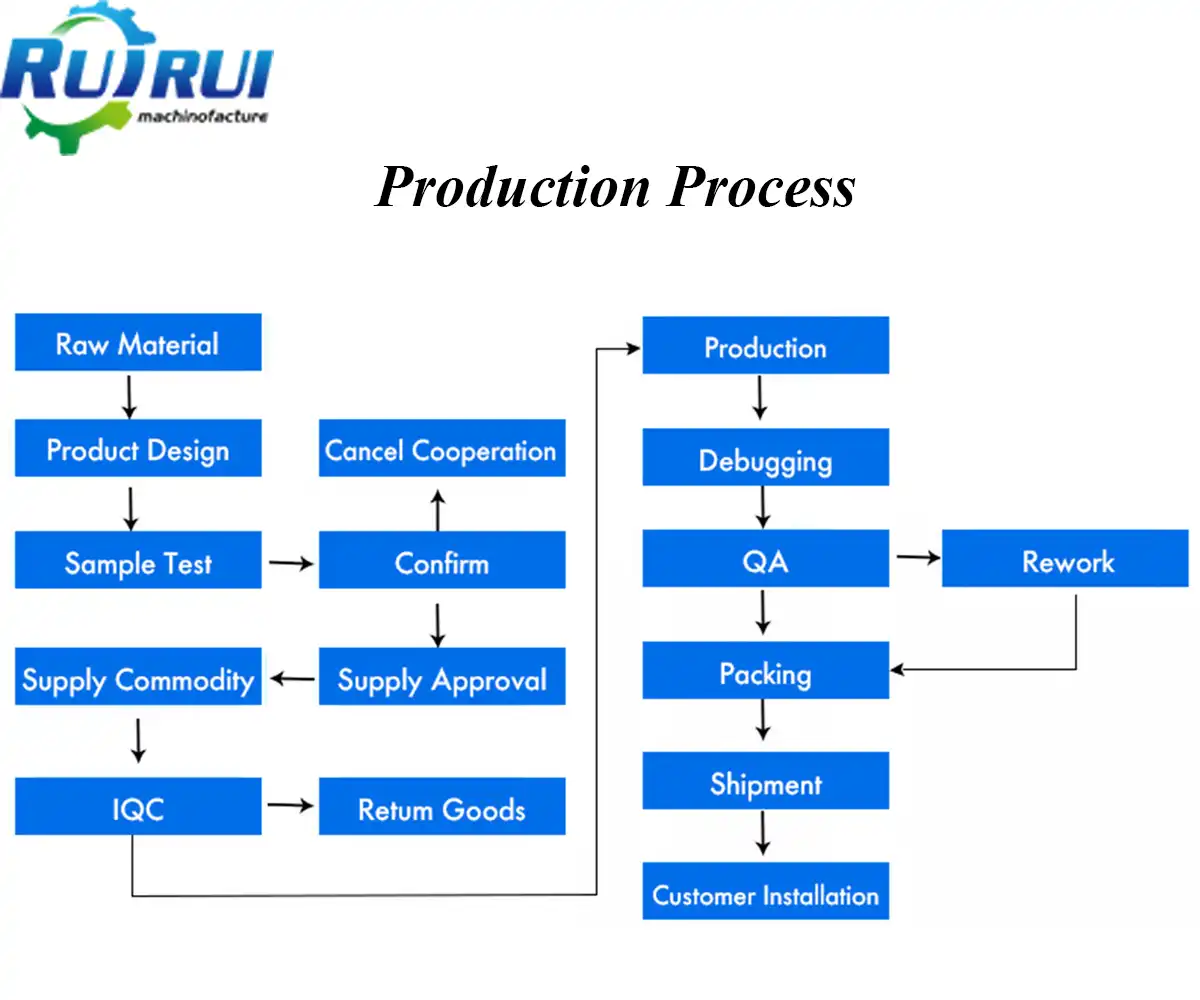
Regular cleaning uses easy-to-follow steps that kitchen workers may follow to preserve both look and performance. Warm soapy water eliminates most food residues, but specialist stainless steel cleaners handle mineral deposits or discolouration that may develop over time. The surface finish that facilitates simple food release and effective cleaning is preserved when abrasive cleaning agents are avoided.A little discoloration indicates typical wear patterns that have no impact on food safety or operation. When required for presentation, stain removal methods with the right cleaning agents may restore appearance.The whole production cycle—from basic design to final finishing procedures—is covered by RUIRUI's extensive manufacturing capabilities. The business offers comprehensive solutions for specific cookware needs because to its proficiency in stamping, bending, and secondary processes like polishing and coating. RUIRUI assists procurement experts looking for dependable suppliers for commercial cookware applications, offering delivery schedules of 20–40 days and a wide range of customisation choices.

Conclusion
The comprehensive evaluation of stamped stainless steel pan construction reveals significant advantages for commercial and industrial applications. These manufacturing techniques produce durable, cost-effective cookware that meets demanding performance requirements while maintaining operational efficiency. The material properties of high-grade stainless steel, combined with precision stamping processes, create products that resist corrosion, withstand intensive use, and provide consistent cooking performance across diverse kitchen environments. Procurement professionals benefit from understanding these technical aspects when selecting suppliers and products that support long-term operational success and kitchen productivity goals.
FAQ
Are stamped stainless steel pans compatible with induction cooktops?
Quality stamped stainless steel pans work excellently on induction cooktops due to the magnetic properties of stainless steel grades 304 and 316. The flat bottom construction achieved through stamping provides optimal contact with induction surfaces, ensuring efficient energy transfer and even heating patterns.
How do stamped pans compare in weight to forged alternatives?
Stamped stainless steel pans typically weigh 20-30% less than comparable forged alternatives due to the controlled forming process that achieves optimal wall thickness without excess material. This weight reduction benefits kitchen staff during extended use periods while maintaining structural integrity and cooking performance.
Can metal utensils be used safely with stamped stainless steel pans?
Stainless steel construction accommodates metal utensils without damage concerns, unlike non-stick coated alternatives. The durable surface finish resists scratching from normal kitchen implements, though proper technique extends the aesthetic appearance of the pan surface over time.
What is the expected lifespan of commercial-grade stamped stainless steel pans?
Quality stamped stainless steel pans typically provide 5-15 years of reliable service in commercial environments, depending on usage intensity and maintenance practices. The corrosion resistance and structural durability of stainless steel construction support long operational lifespans that justify initial investment costs.
How should thermal shock be avoided during pan operation?
Gradual temperature changes prevent thermal shock that could cause warping or structural damage. Avoiding extreme temperature transitions, such as placing hot pans directly into cold water, maintains dimensional stability and extends operational lifespan significantly.
Partner with RUIRUI for Premium Stamped Stainless Steel Pan Solutions
RUIRUI Machinery stands ready to support your procurement needs with high-quality stamped stainless steel pan solutions manufactured to exacting standards. Our ISO-certified production facilities and comprehensive quality control processes ensure consistent product performance that meets demanding commercial applications. As an established stamped stainless steel pan supplier, we offer customization options, competitive pricing for bulk orders, and reliable delivery schedules spanning 20-40 days. Contact our technical team at info@qdkshd.com to discuss your specific requirements and discover how our manufacturing expertise can enhance your kitchen operations through superior cookware solutions.
References
1. Smith, J.R. "Stainless Steel Cookware Manufacturing: Processes and Quality Control." International Journal of Food Service Equipment, Vol. 45, No. 3, 2023, pp. 78-92.
2. Chen, L. and Rodriguez, M. "Thermal Performance Analysis of Stamped vs. Forged Stainless Steel Cookware." Commercial Kitchen Technology Review, Vol. 28, No. 2, 2023, pp. 134-148.
3. Williams, P.K. "Material Science Applications in Professional Cookware Design." Food Service Engineering Quarterly, Vol. 19, No. 4, 2022, pp. 201-215.
4. Thompson, A.B. "Procurement Strategies for Commercial Kitchen Equipment: A Comprehensive Guide." Hospitality Industry Management Journal, Vol. 33, No. 1, 2023, pp. 56-71.
5. Davis, R.M. "Stainless Steel Grades and Applications in Food Service Industries." Materials and Manufacturing Processes, Vol. 41, No. 6, 2023, pp. 423-437.
6. Kumar, S. and Jackson, E.L. "Maintenance and Longevity Factors in Commercial Cookware Selection." Professional Kitchen Management, Vol. 15, No. 3, 2022, pp. 89-103.

Send Inquiry
Related Industry Knowledge
- 3 Simple Steps to Pick Your Hitch Pin Lock
- Why Choose a Stamped Stainless Steel Pan for Restaurants
- Trailer Coupler Applications Across Agriculture, RV, and Logistics
- Steel Tread Plate Trailer Fenders Maintenance Guide
- Top Industries Benefiting from Custom-Machined Metal Hinges
- What Makes Our Anchoring System for Portable Winch a Reliable Choice for Tree and Vehicle Anchors?
- Can a Trailer Hitch Tightener Be Used with Any Hitch?
- How Do I Choose the Right Trailer Jack Stand Foot?
- Are there any safety considerations when using a Trailer D Pin?
- How do I install a metal door lock hook?