
The Importance of Investing in Quality Trailer Parts
When it comes to commercial fleet operations and industrial transportation, the significance of investing in quality trailer parts cannot be overstated. Quality components serve as the foundation for safe, reliable, and cost-effective operations. Premium trailer components reduce unexpected breakdowns, minimize maintenance costs, and ensure regulatory compliance across demanding industrial environments. Whether you're managing a logistics fleet or overseeing construction equipment transport, the reliability of your trailer systems directly impacts operational efficiency and bottom-line profitability.
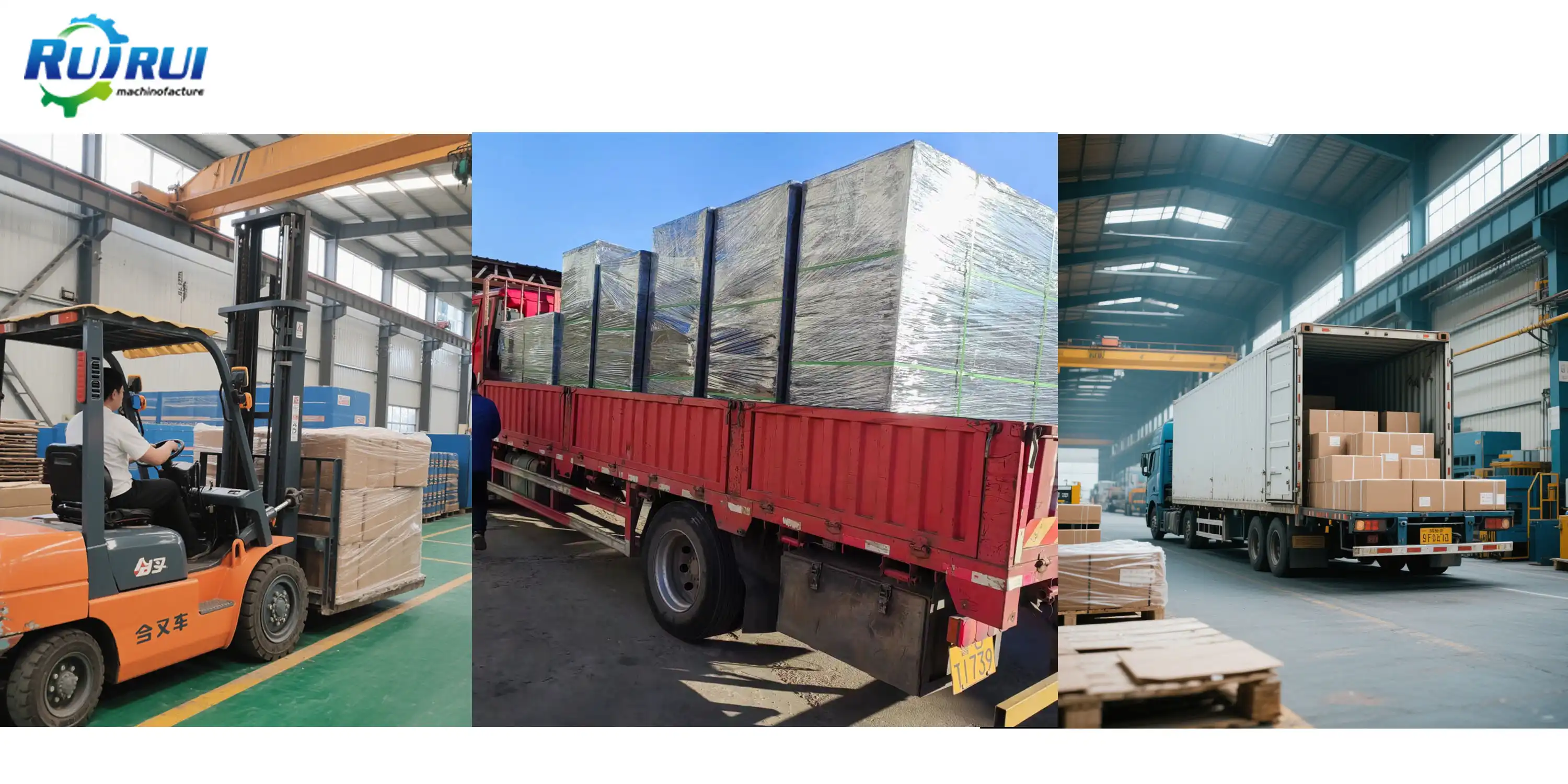
Understanding the Critical Role of Quality Trailer Parts
If a shipping company wants to do well, it needs to have good trailer parts. All of them are very important for the business to keep going. When people who work in buying know what makes a part better, they can protect investments and keep things running smoothly.
Material Specifications and Manufacturing Standards
Premium trailer parts are different because they are made with better materials and follow strict manufacturing rules. The materials used in RUIRUI's unique solutions are made of high-grade carbon steel, which has a great strength-to-weight ratio and is also very cheap. The surface treatment methods, which include specialized washing methods, make the parts last longer by making them more durable and protecting them from rust.
The standards that were used to make a part also have an effect on how stable it is. After getting ISO certification, a plant makes sure that quality is checked at every step of the way, from the raw materials to the finished product. Even when things get tough in the factory, these standards make sure that every part is the right size and can hold the right amount of weight.
Critical Component Functions and Performance Requirements
Every part of the trailer—its wheels, frame, brakes, and lights—does something specific that affects how safe and well it works. Axle systems need to be able to handle steady loads and keep the wheels straight and the bearings in good shape. Parts of the suspension absorb shock from the road and move the weight around so that the car doesn't wear out too quickly and drives well.
To provide uniform stopping power under a range of load situations, braking systems need to be carefully designed. Good brake parts are made with heat-dissipation features that keep them from wearing out after a while of use. This is especially important for heavy-duty uses where stopping lengths can affect safety.
Risks Associated with Inferior Components
Using low-quality parts comes with a lot of operating risks that go beyond the initial cost saves. It can be expensive to fix things on the side of the road when a part fails too soon. Cargo can also be held up, and safety incidents could put companies at risk of being sued. Poor materials often don't have enough corrosion protection when they're used in tough circumstances, which speeds up the breakdown process.
The hidden costs of low-quality parts include more frequent upkeep, less fuel economy because of mechanical problems, and the chance of breaking the law, which could lead to fines or limits on operations. Due to these factors, the total costs of ownership are often much higher than the prices of expensive components.
Key Considerations When Selecting Trailer Parts
Before you buy the trailer parts, you should know how they will fit together, what they need to do, and how much they will cost over time. People who work in procurement need to find a mix between short-term cost worries and long-term performance standards to make sure that fleets work well and make money.
OEM Versus Custom Solutions Analysis
It has been shown that Original Equipment Manufacturer (OEM) parts can work with other parts. They also come with warranties, so they can be used in normal cases where the needs are the same as those of modern systems. On the other hand, specialized operations often need solutions that are made just for them to fit their load needs, weather conditions, or problems with integration.
Custom trailer parts give you the freedom to get the best performance for your needs while still meeting quality standards. With RUIRUI's customization options, you can precisely change the dimensions, choose the material, and treat the surface in a way that meets your specific practical needs. This method makes sure that the fit and function are perfect while keeping the structure strong and following safety rules.
Material Selection and Lifecycle Considerations
With better strength qualities than standard mild steel alternatives, carbon steel is a great choice for most trailer uses because it lasts longer and costs less. Advanced surface treatments, like specialized washing methods, make things less likely to rust and increase their useful life in harsh conditions.
To get the most out of your activities, it's very important to choose the right material. Weight affects both fuel economy and load capacity. Carbon steel is stronger and less likely to wear down in heavy-duty cases where load capacity is more important than weight reduction. Aluminum parts are lighter.
Supplier Evaluation and Quality Assurance
The reputation and quality assurance skills of the supplier have a direct effect on the reliability of the component and the availability of long-term assistance. Manufacturers that have been around for a while and have a lot of different certifications show that they are committed to quality standards and methods for continuous growth. Technical support features, like technical help and solving tools, are very helpful for operations throughout the lifecycles of components.
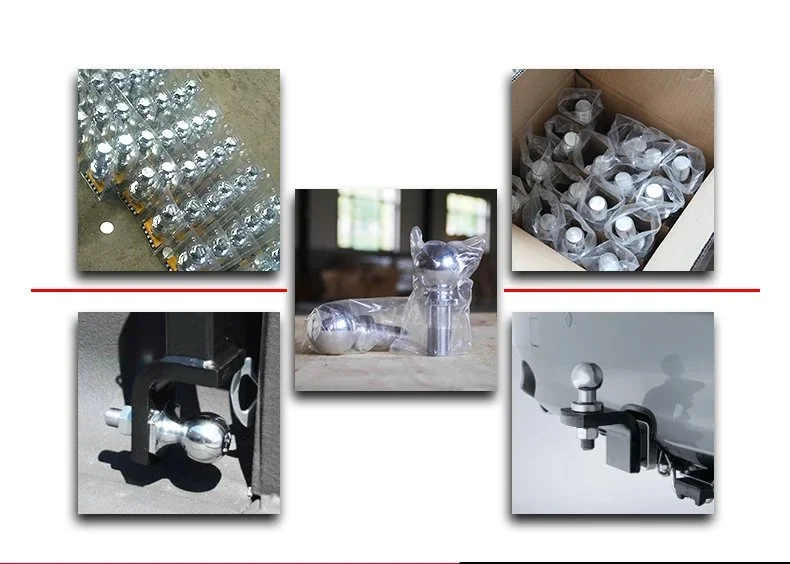
Maintenance and Troubleshooting of Trailer Parts to Maximize Investment
To get the most out of your trailer parts and avoid costly operating interruptions, you need repair plans that work. Proactive repair methods find possible problems before they become failures. This keeps parts working reliably and extends their life.
Preventive Maintenance Protocols
On a regular basis, the structure should be checked for signs of wear, the need for grease, and to make sure it is stable. Visual checks can find rust, cracks, or too much wear early on, which means that the item needs to be fixed. Maintenance that includes oil keeps bearings from breaking and lowers wear caused by friction, which can make parts work less well.
Making notes on repairs is a good way to figure out what needs to be replaced and when. You can also look for patterns that could mean that the design or how something works needs to be changed. You can use this knowledge to help you decide whether to fix something or replace it. It will also help you get the most out of your repair times.
Common Failure Modes and Early Detection
Bearing wear and seal degradation are common problems in axle systems. These problems can be found by listening to noises and looking for signs of lubrication leaks. Fatigue cracks or bushing wear can happen in suspension parts, which can change how they handle and how the load is distributed.
Checking the friction surfaces, hydraulic fluid levels, and electrical links for lighting systems should all be part of keeping an eye on the brake system. Finding these problems early on stops fails from spreading, which can lead to bigger and more expensive fixes.
Quality Repair Considerations
When it's time to fix a part, using approved repair tools and following the manufacturer's instructions keeps safety and performance standards high. Quality repair parts make sure that the fix works well and fits correctly, and they also keep the guarantee valid and follow all regulations.
Professional installation and testing methods make sure that fixes meet the safety and performance standards set by the original manufacturer. This method protects operating efficiency and increases the useful life of parts by using the right repair methods.
Strategic Procurement Approaches for Trailer Parts in B2B Environments
Cost optimization, quality standards, supplier ties, and the need for business continuity must all be balanced in a buying strategy that works. When procurement workers understand the different pricing and sourcing models, they can come up with solutions that meet both short-term needs and long-term business goals.
Sourcing Model Optimization
Bulk buying can save a lot of money for businesses that know exactly what parts they need and have enough space to store them. A lot of the time, volume agreements let you get better prices and be given priority when there aren't enough supplies. But when looking at the benefits of buying in bulk, you need to think about the costs of keeping supplies and the chance that parts will become obsolete.
Custom order methods give you the freedom to meet unique needs while reducing the cost of keeping supplies. This approach works well for businesses that have a wide range of equipment needs or changing demand trends. Standard buying practices that are cost-effective are kept up with the help of expedited shipping choices that can be used in case of an emergency.
Total Cost of Ownership Evaluation
To make good buying choices, you need to look at all of the total ownership costs instead of just the original purchase price. Quality trailer parts usually end up saving you money in the long run because they last longer, need less upkeep, and work more reliably.
Maintenance cost estimates should include both regular service needs and possible costs linked to failures. Costs of downtime, such as lost output and emergency repairs, often make up the biggest parts of overall ownership costs and strongly encourage choosing high-quality parts.
Supplier Relationship Management
Having links with dependable providers gives you access to technical know-how, faster service, and better pricing. Long-term relationships help suppliers understand the unique needs of an operation better and come up with custom solutions that improve performance and value.
Talking to providers on a regular basis about performance reviews, new needs, and changes in the market helps businesses stay ahead of the competition and find ways to make their operations better. These connections are also very helpful when there are problems in the supply chain or when there is an emergency.
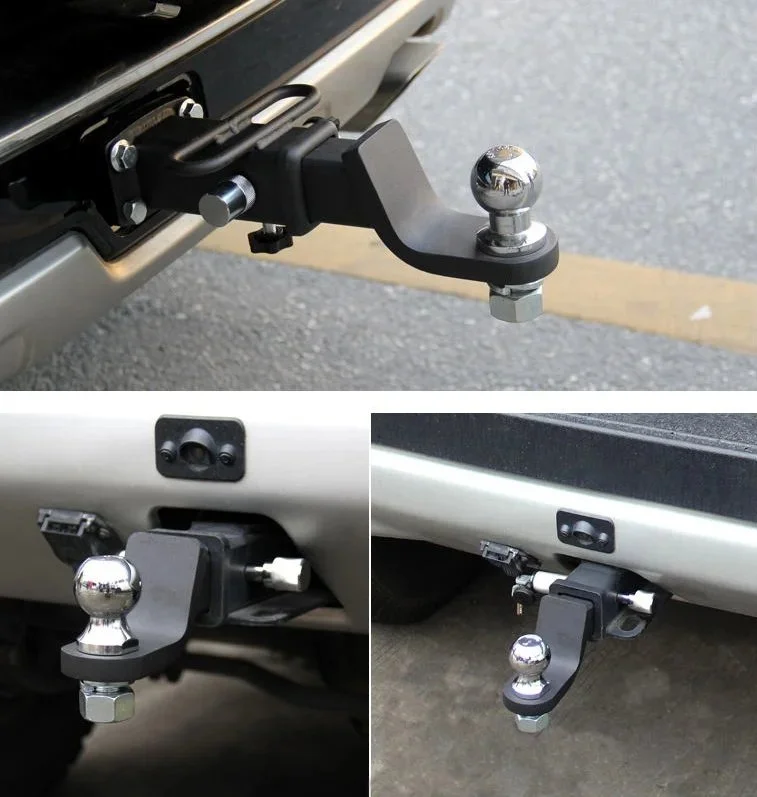
Future Trends and Innovations in Trailer Parts for Enhanced Business Performance
The trailer component business is always changing because new materials are being used, production technology is getting better, and smart systems are being built in. Knowing about new trends helps procurement workers make choices that will help their companies stay ahead of the competition.
Advanced Materials and Manufacturing Technologies
The use of lightweight composite materials could help reduce weight while keeping the structure performance qualities. Advanced steel metals are stronger and less likely to rust than traditional materials, so they can be used to make parts that work best in certain situations.
New technologies in manufacturing, like precision cutting and automatic quality control systems, make parts more consistent and less likely to vary, which can affect how well they work and how reliable they are. These changes make it possible for tighter standards and better surface finishes, which make parts last longer and work better.
Smart Technology Integration
Internet of Things (IoT) monitors let you check on the performance and state of parts in real time. This helps with predictive maintenance plans that figure out when to replace parts and keep them from breaking down when they're least expected. These systems improve working efficiency while giving useful information for managing fleets and planning repairs.
Compared to standard options, intelligent lighting systems make it easier to see and use less energy. When these systems are connected to car control systems, they can offer better features and diagnostic tools that help improve maintenance.
Strategic Implementation Considerations
Adopting new technologies means carefully checking to see if they will work with current systems, how much training is needed, and what kind of support infrastructure is needed. Pilot programs can help with larger implementation choices by giving useful experience and success data.
A cost-benefit study should look at both the short-term costs of adoption and the long-term benefits for operations. To make sure that technology adoption plans are successful and bring value to the company, they should be in line with its strengths and long-term goals.
Conclusion
Investing in quality trailer parts represents a strategic decision that impacts every aspect of transportation operations. Premium components provide enhanced safety, improved reliability, and reduced total ownership costs compared to inferior alternatives. Understanding material specifications, maintenance requirements, and procurement strategies enables organizations to optimize fleet performance while maintaining cost-effectiveness. The evolving landscape of materials technology, smart systems integration, and manufacturing innovations offers exciting opportunities for operational improvement and competitive advantage. Successful organizations recognize that component quality directly influences operational success and make investment decisions accordingly.
FAQ
Getting to know the most common questions and worries helps procurement pros make smart choices about which parts to buy, how to maintain them, and how to work with suppliers. These commonly asked questions are about things that matter in the real world and have an effect on daily activities and long-term success.
What materials provide the best longevity for trailer components?
Carbon steel with appropriate surface treatments offers excellent durability for most applications, providing superior strength and fatigue resistance compared to alternatives. Stainless steel may be better in places where it will rust, while aluminum offers weight advantages for specific applications. The choice depends on operational requirements, environmental conditions, and cost considerations.
How can I ensure component compatibility with existing fleet configurations?
For proper fit and function, detailed specs are needed. These should include size requirements, load ratings, and interface features. Working with experienced sources who know what the company needs and can offer expert support is the best way to avoid problems with compatibility and get the best performance.
What maintenance schedules maximize component life and minimize disruptions?
Maintenance times should be based on how the machine is being used, how much weight it is carrying, and what the maker suggests. For business use, regular checks every 3,000 to 5,000 miles help find problems before they become major ones. Lubrication plans should be based on what the maker says, but they should also take into account things in the surroundings that might speed up wear.
Partner with Trusted Trailer Parts Suppliers for Your Next Procurement
If you need to buy trailer parts, RUIRUI Machinery is ready to help you with unique solutions that are made to last and work well. Our carbon steel parts have modern spraying surface processes that protect them from the sun, make them last longer, and keep them from rusting—all qualities that are needed for tough industrial uses. We have been making trailer parts for a long time and have ISO-certified quality systems that work with our open customization options to make sure that the parts we send you are exactly what you need.
Get in touch with our engineering team at kshdhardware@qdkshd.com to find out how our custom trailer parts can improve the efficiency of your fleet while lowering the total cost of ownership through high quality and dependability.
References
- National Highway Traffic Safety Administration. "Commercial Motor Vehicle Safety Standards and Trailer Component Requirements." Federal Motor Carrier Safety Regulations, 2023.
- Society of Automotive Engineers. "Recommended Practices for Commercial Trailer Component Design and Testing." SAE International Standards, 2022.
- American Trucking Associations. "Fleet Maintenance Cost Analysis and Component Lifecycle Management." Transportation Research Institute, 2023.
- International Organization for Standardization. "Quality Management Systems for Automotive Component Manufacturing." ISO 9001:2015 Application Guidelines, 2022.
- Commercial Vehicle Safety Alliance. "Trailer Component Inspection Protocols and Maintenance Best Practices." Annual Safety Report, 2023.
- Transportation Research Board. "Economic Analysis of Commercial Vehicle Component Quality and Total Cost of Ownership." National Academy of Sciences, 2022.

Send Inquiry
Related Industry Knowledge
- Trailer Hardware Factory Solutions for Fleet Operators
- Adjustable Trailer Coupler: Flexibility for Multiple Balls
- Trailer Parts Manufacturer as Your Strategic Supply Chain Partner
- Industrial-Grade Metal Hinge: The Fastest-Growing Category in 2025 Hardware Market
- 5 Key Advantages of Using a Premium Trailer D Pin
- What Role Does a Custom Forged Auto Parts Yoke Play in Steering and Suspension Systems?
- How do steel trailer fenders resist rust?
- Are trailer ball covers universal in size?
- What are the different types of lifting chain slings?
- Are hydraulic bollards environmentally friendly?