
Understanding the Different Types of Trailer Couplers
For safe trailer hookups, procurement workers and equipment managers need to know about the different types of trailer coupler and how they can be used. It is the trailer coupler's job to connect your trailer to the pull vehicle's hitch system. This keeps your valuable goods and equipment safe during transport. There are different types of couplers that are better for different loads, working conditions, and safety standards. This complete guide looks at the main types of couplers, how to choose one, how to install it, and what to think about when buying one so that you can make smart choices for your fleet management and operational needs.
Overview of Trailer Couplers and Their Key Functions
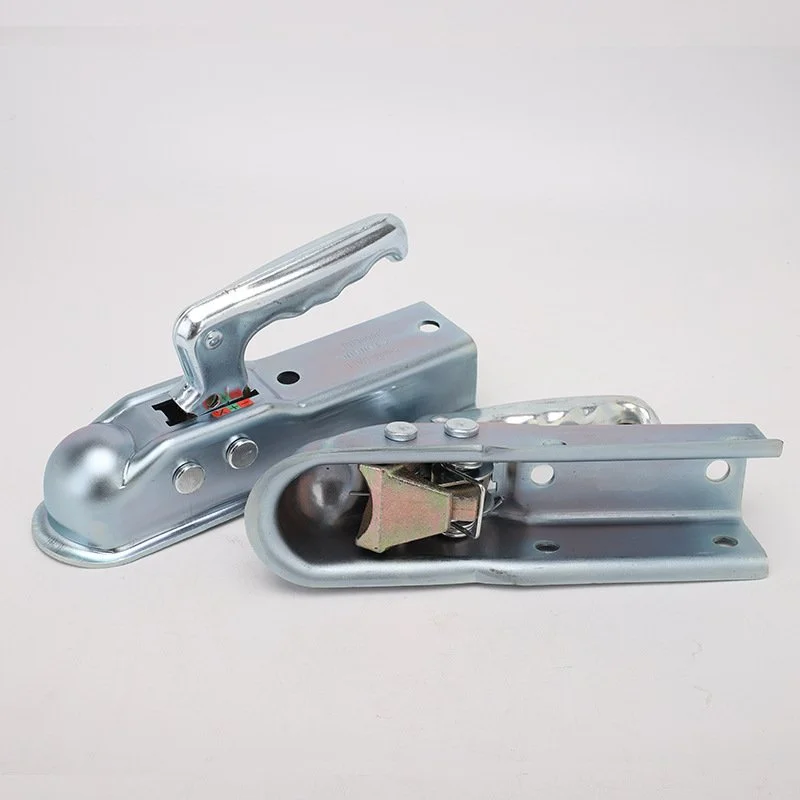
Knowing how trailer couplers work is the first step in making smart decisions about what to buy. These mechanical parts make a strong link between the trailer tongue and the hitch ball or pin on the tow vehicle. This evenly distributes weight loads and keeps the tow vehicle safe while it's being moved.
Essential Components and Working Principles
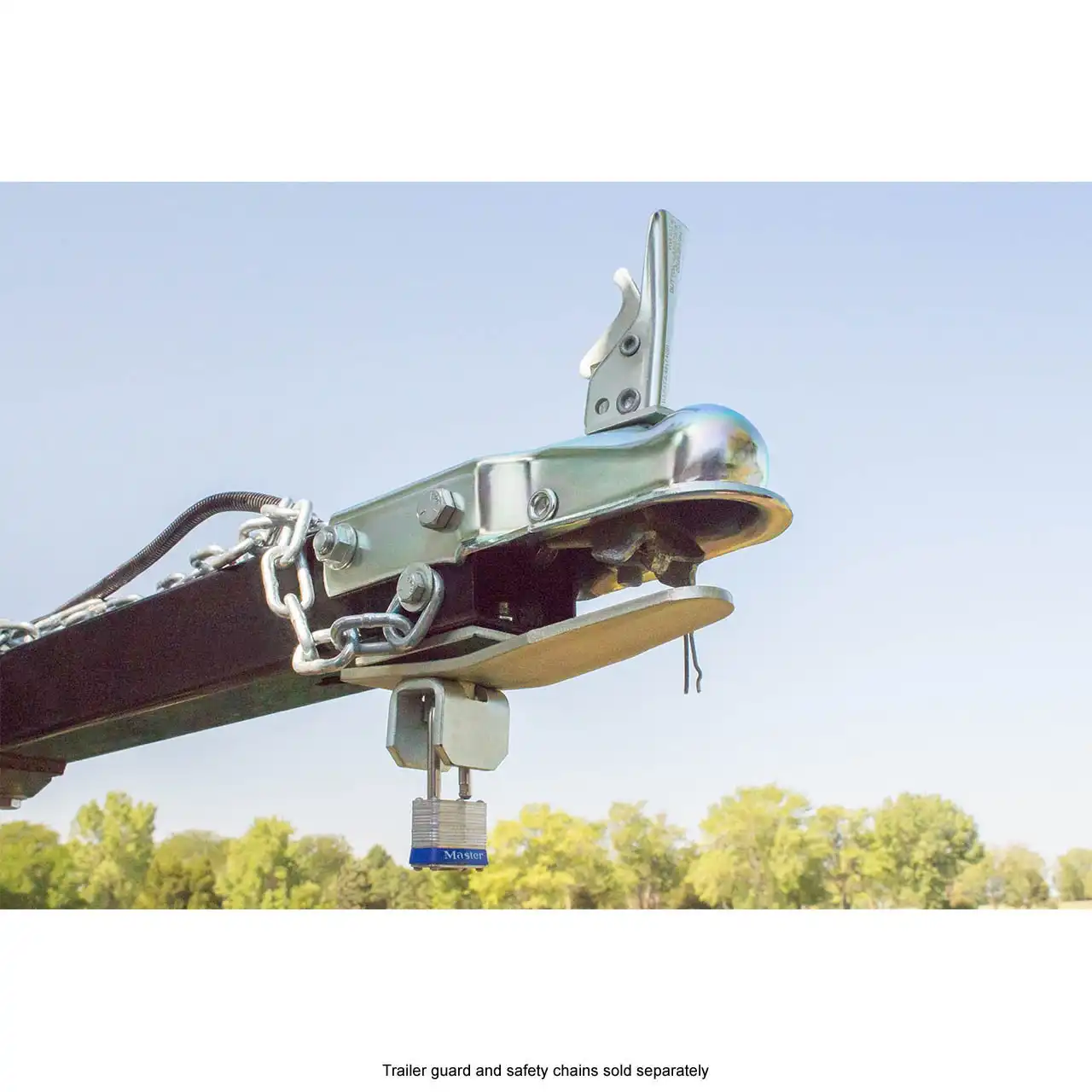
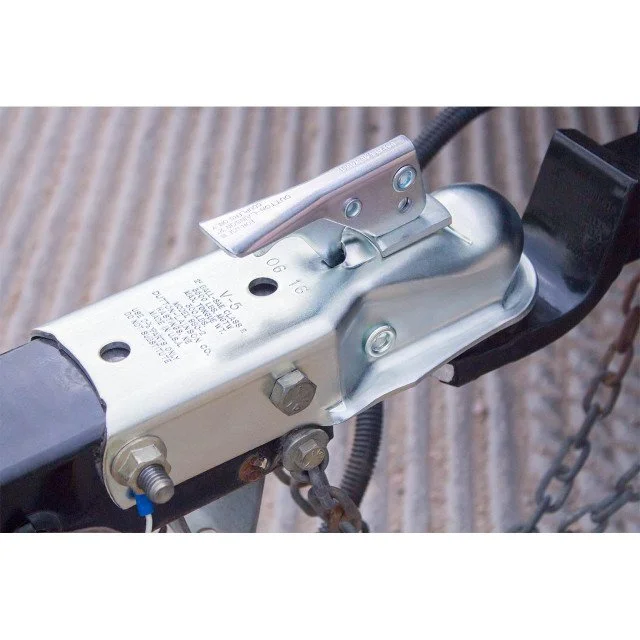
Several important parts are built into modern trailer couplers to make sure they work reliably. The main locking device is inside the coupler head. It usually has a spring-loaded latch system that fits around the hitch ball and locks it in place. Weight ratings run from 2,000 pounds for light-duty uses to 30,000 pounds for heavy industry use. These numbers have a direct effect on the materials that are used and the way they are built.
The locking device is the most important part of a coupler. Most models have a cam-action tool that squeezes the coupler hole around the hitch ball, making a strong mechanical connection. More advanced models have extra locking features, like trailer coupler pins or built-in safety locks, that make them safer in case they get disconnected by accident while being moved.
Common Coupler Types and Applications
Ball couplers are the most popular type of coupler for both recreational and light business use because they are easy to use and dependable. These units can work with standard hitch ball sizes of 1-7/8 inches, 2 inches, and 2-5/16 inches in diameter. The 2-inch size is the most common, and it's used on utility trailers, boat trailers, and equipment haulers.
Pintle hook systems work great in heavy-duty situations that need the most power and dependability. These strong assemblies have a hook-and-lunette ring link that spreads the load better and makes them last longer in harsh situations. Pintle systems are often used on military vehicles, building tools, and industry trailers because they have been shown to work well in harsh conditions.
Lunette ring couplers are designed to work specifically with military and big industry equipment. The stiff ring design gets rid of any moving parts in the coupler system, which makes it easier to maintain and gives it higher strength ratings. Most of the time, these systems can handle loads of more than 15,000 pounds and work very well off-road.
Weight Capacity and Sizing Standards
The right size for trailer coupler makes sure that the trailer works well and meets safety standards in all situations. Couplers are sized according to industry standards that match the width of the ball with a range of weight capacities. The most popular 2-inch trailer coupler can handle gross trailer weights of 3,500 to 12,000 pounds, which means it can be used for most business and leisure needs.
Knowing how to classify weights helps buying teams choose the right parts. Class I couplers can hold up to 2,000 pounds, Class II couplers can hold up to 3,500 pounds, Class III couplers can hold up to 5,000 pounds, and Class IV couplers can hold up to 10,000 pounds. Heavy-duty Class V systems weigh more than 10,000 pounds and need special attachment tools and tongues that are stronger.
Comparison and Reviews: Top Trailer Couplers for Heavy Loads and Specialized Applications
Modern trailer coupler technology has changed over time to meet the needs of more demanding tasks. It now uses more modern materials and new design elements. The market in 2024 has high-tech options that meet the needs of certain industries and solve operating problems.
Advanced Material Technologies and Design Innovations
These days, heavy-duty couplers use modern metals to get better strength-to-weight ratios while still being affordable. Ductile iron casts are very good at resisting impacts and wearing out over time. This makes them very useful for off-road uses where shock loads are common. When compared to regular cast steel, these materials have a 20–30% higher yield strength and are easier to machine for precise making.
Composite integration is a new trend in which polymer parts are used to make structures lighter while keeping their strength. Metal load-bearing parts are mixed with polymer housings that don't rust and are better at withstanding bad weather in these blend designs. Ceramic coats and other specialized platings are examples of advanced surface treatments that make things last longer in harsh settings.
Many improvements have been made to locking systems, and now they have self-adjusting parts that fix wear and tear as the product lasts. These systems keep the clamping force at the right level without having to be adjusted by hand. This cuts down on upkeep needs while still ensuring steady performance. Premium models come with electronic monitoring features that let operators know about possible problems and give them real-time information on the state of the link.
Performance Analysis Under Extreme Conditions
Heavy-duty uses need to be very reliable even when the working conditions are tough. Off-road conditions put couplers through a lot of shocks, vibrations, and dirt that can break down normal designs. As of now, testing procedures include rapid wear testing that mimics 100,000 miles of heavy duty use. This gives accurate predictions of performance that help with planning purchases.
In industrial settings, things are often used nonstop with few chances for upkeep. Modern designs use sealed bearing systems and parts that lubricate themselves, so they keep working well for longer periods of time without needing to be serviced. Advanced material selection has made temperature resistance better, and now high-end models can work safely from -40°F to 200°F without losing any performance.
Different product lines for trailer coupler have very different levels of corrosion resistance. Marine-grade choices are better at protecting against salt water. In harsh settings, advanced finishing systems like zinc-nickel plating and organic topcoats make things last longer than 10 years. These safety features make the higher original costs worth it because they lower the number of replacements needed and the total cost of ownership.
Price Analysis and Bulk Procurement Strategies
The prices on the market right now show how complicated and well-performing current coupler designs are. Entry-level units for light business use cost between $45-85, and heavy-duty industrial models cost between $150 and $350, based on their features and capacity ratings. Premium types with high-tech materials and closing systems cost more than $400, but they last longer and work better.
Through promises to buy in bulk and smart relationships with suppliers, bulk procurement methods can cut costs by a large amount. When you buy more than 50 units, you can usually get a discount of 15-20%. If you commit to buying more than 10,000 units a year, you can discuss prices and get extra benefits like faster delivery and longer guarantee coverage.
Procurement Guide: Where and How to Buy Trailer Couplers for B2B Clients?
To buy trailer couplers successfully, you need to know what the seller can do, how they make sure the quality of the products they sell, and how logistics affect the total cost and the trustworthiness of the delivery. Systematic seller review and planned sourcing are helpful for professional buyers.
Supplier Evaluation and Quality Assurance
Reputable suppliers show consistent quality by using standard manufacturing methods and thorough testing routines. ISO 9001 certification guarantees structured quality management, and other certifications, like ISO 14001, show that a company cares about the environment. Supplier audits should look at how well the supplier can make things, how well they control quality, and how many technical help tools they have.
Notifications of a product's agreement with safety and performance standards are required. DOT approval makes sure that the vehicle meets the rules for use on highways, and military specs show that it can handle extreme duty uses. Independent confirmation of speed claims and safety features comes from third-party testing by groups like SAE International.
Professional sellers of trailer coupler are different from commodity vendors because they can offer technical help. Help from engineers with writing specifications, analyzing applications, and fixing problems is very helpful in the buying process. When suppliers offer custom design services, they can help with efficiency for certain uses and business needs.
International Sourcing and Logistics Considerations
Cost savings and access to specialized technologies can come from global buying strategies, but they need to be carefully thought through in terms of overall landed costs and supply chain risks. Asian manufacturers can often offer reasonable prices because their factories are efficient and their labor costs are low. However, longer wait times and possible differences in quality mean that more care needs to be taken.
Shipping processes have a big effect on total costs and arrival times, especially when buying things from other countries. Ocean freight is the cheapest way to ship big amounts of goods, but it takes 4 to 6 weeks to get from Asian sources to the destination. Shipping by air freight cuts the time it takes to send to 5–10 days, but it costs 300–500% more, so it's only useful for urgent needs.
Customs processes and paperwork needs depend on where the goods come from and what type of goods they are. Harmonized tariff numbers make sure that duties are calculated correctly and that customs processing goes smoothly. Working with experienced freight forwarders cuts down on mistakes in paperwork and speeds up the clearance process, which is especially important for orders that need to be made quickly.
Volume Pricing and Customization Benefits
Strategic methods to buying use agreements to buy in bulk to lower costs and improve service levels. Annual agreements keep prices stable and promise supply, and they let producers plan their production more efficiently. Usually, the first level of volume requirements is a yearly commitment of $5,000. Above $25,000, you can get bigger rewards.
Customization services make it possible to optimize for specific uses and business needs. Private labeling choices help keep the brand consistent across the fleet, and custom specs make sure the best performance. Depending on how complicated the service is, the minimum order quantity is usually between 25 and 100 units. However, these services give businesses big benefits over their competitors by making their products stand out.
Conclusion
Knowing the different kinds of trailer couplers, how to choose them, and how to buy them can help you make smart decisions that improve business performance and keep costs low. The different types of trailer couplers can be used for a wide range of purposes, from light leisure use to heavy commercial use. Choosing the right type will ensure safety, dependability, and cost-effectiveness. Modern manufacturing methods and high-tech materials make performance levels that have never been seen before. To gain a competitive edge, strategic buying methods use volume agreements and relationships with suppliers. To be successful, you need to carefully choose your suppliers, evaluate business needs on a regular basis, and keep an eye on upkeep and performance optimization.
FAQ
What size trailer coupler do I need for my application?
Coupler size is based on the width of your hitch ball and the weight of your trailer. Most 2-inch couplers can handle trucks that weigh between 3,500 and 12,000 pounds. Check the trailer's gross weight limit and the width of the hitch ball to make sure they will work together.
How often should trailer couplers be inspected and maintained?
Every 5,000 miles or three times a year, professional fleet workers should check the couplers. Check for cracks, too much wear, proper latch operation, and that there is enough grease. Due to salt contact and faster corrosion, marine settings need to be checked on every month.
When should a trailer coupler be replaced?
If you see cracks in the body, too much play in the ball socket, or latch mechanisms that don't lock tightly, you should replace the couplers right away. Attachment points on a safety chain that are stretched out or broken also mean that they need to be replaced.
What's the difference between cast and tubular steel couplers?
Cast steel couplers are the strongest and last the longest, but they cost more at first. Tubular steel works well enough and doesn't cost too much, so it can be used for everyday tasks. Cast building works great for industrial and heavy-duty uses.
Partner with RUIRUI for Superior Trailer Coupler Solutions
RUIRUI Machinery is ready to help you buy a trailer coupler because they have a wide range of manufacturing skills and engineering know-how. Our high-tech metalworking methods, such as CNC machining, laser cutting, and precise casting, let us make couplers that are exactly what you want. We are still certified by ISO 9001 and use automated production lines to make sure that the standard of all of our products is the same. Our experienced team can provide you with reliable goods at reasonable prices and quick service, whether you need standard setups or solutions that are specifically designed for your needs. Email our tech team at kshdhardware@qdkshd.com to talk about your needs and look into ways to buy in bulk that will make your supply chain more efficient.
References
Society of Automotive Engineers. "SAE J684: Trailer Couplers and Hitches - Automotive Type." 2019 SAE International Standards.
Its name is the National Institute of Standards and Technology. As of 2020, the Department of Transportation published "Federal Motor Vehicle Safety Standards for Trailer Coupling Systems."
There is an American Society for Testing and Materials. IEEE (2018). "ASTM F2638: Standard Specification for Trailer Ball Couplers."
The ISO is the International Organization for Standardization. The 2017 ISO Standards Catalogue has "ISO 11406: Commercial Road Vehicles – Trailer Drawbar Couplings."
The NHTSA is in charge of traffic safety. The NHTSA Technical Report from 2021 is called "Vehicle Equipment Safety Commission Report on Trailer Coupling Failures."
Association of Heavy Duty Manufacturers. HDMA published a technical report in 2019 called "Guidelines for Commercial Trailer Coupling Systems Design and Testing."

Send Inquiry
Related Industry Knowledge
- What Are Bulk Trailer Balls and Why Your Fleet Needs Them?
- Trailer Hitch Pin Lock Corrosion Resistance: What to Look For
- Custom Trailer Hitch Pins Bulk — Trends & Future Demand Insights
- Top-Rated Heavy Duty Trailer Parts That Reduce Downtime
- Top Rated Best Trailer Coupler for Boat Trailer: Buyer Guide
- How Are Forged Agricultural Machinery Parts Manufactured to Ensure High-Load Strength?
- Corrosion-Resistant Hitch Tightener: The Ultimate Solution for Rust-Free Towing
- Hitch Pin Lock vs Coupler Lock: Pros, Cons, and Best Picks for Your Trailer
- Storm-Proof Air Conditioner Holder Bracket: Withstands 200km/h Winds
- How to make a sheet metal box with curved edges?