
Understanding the Different Types of Trailer Couplers & Latches
If you are in charge of a fleet, a construction site, or a big shipment of trailer parts, you need to know about the different types of trailer couplers. When you hook up a tow vehicle to a trailer, the most important part is the trailer coupler. It has an immediate impact on safety, efficiency, and following the rules of transportation. From standard ball couplers to special latch mechanisms, there are a lot of different styles to pick from. Each one is better for a certain type of load, environment, or industry use because of its own unique qualities. It's important for B2B procurement managers looking for long-term reliability and cost-effectiveness in their supply chains to carefully consider things like weight ratings, material durability, locking features, and compatibility with existing infrastructure when choosing the right coupling system.
What Is a Trailer Coupler & How Does It Work?
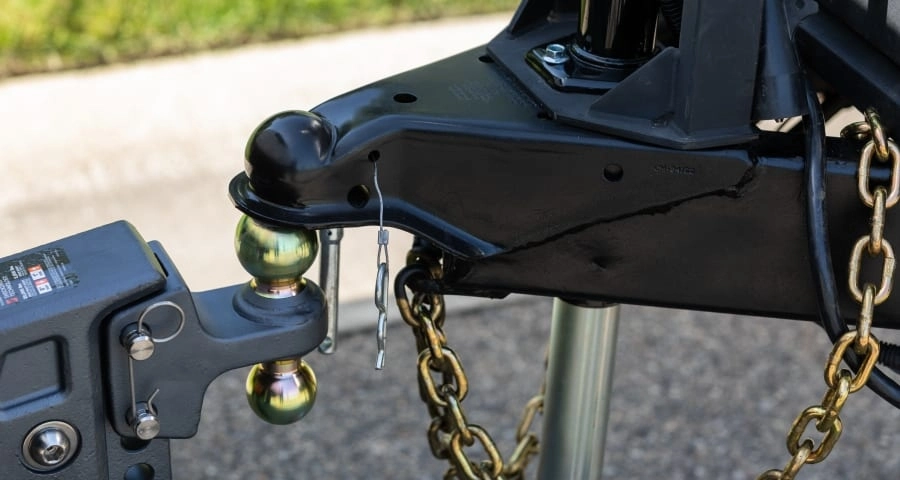
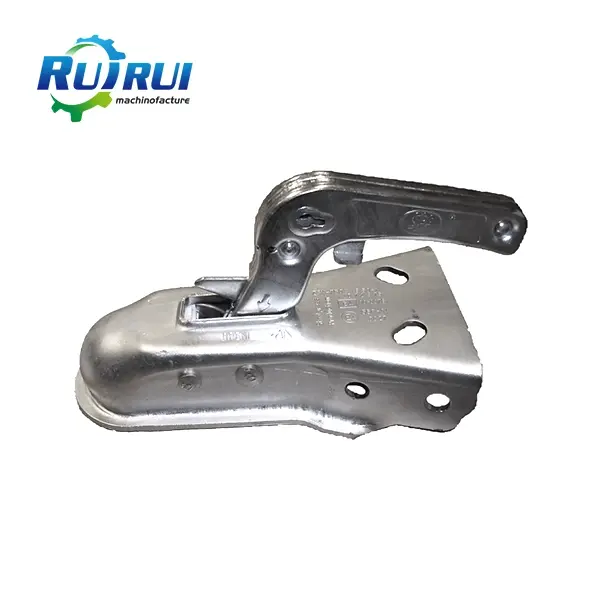
During transportation, trailer coupler units, which are mechanical parts, are used to securely attach trailers to tow vehicles. No matter what the road conditions are like, how the load moves, or how stressful the job is, this system makes sure that trailers stay linked while they're moving. Its main job is more than just attaching; it spreads out the towing forces evenly, keeps the vehicles lined up during stops and turns, and makes sure they don't come apart by accident.
Core Components of Coupler Systems
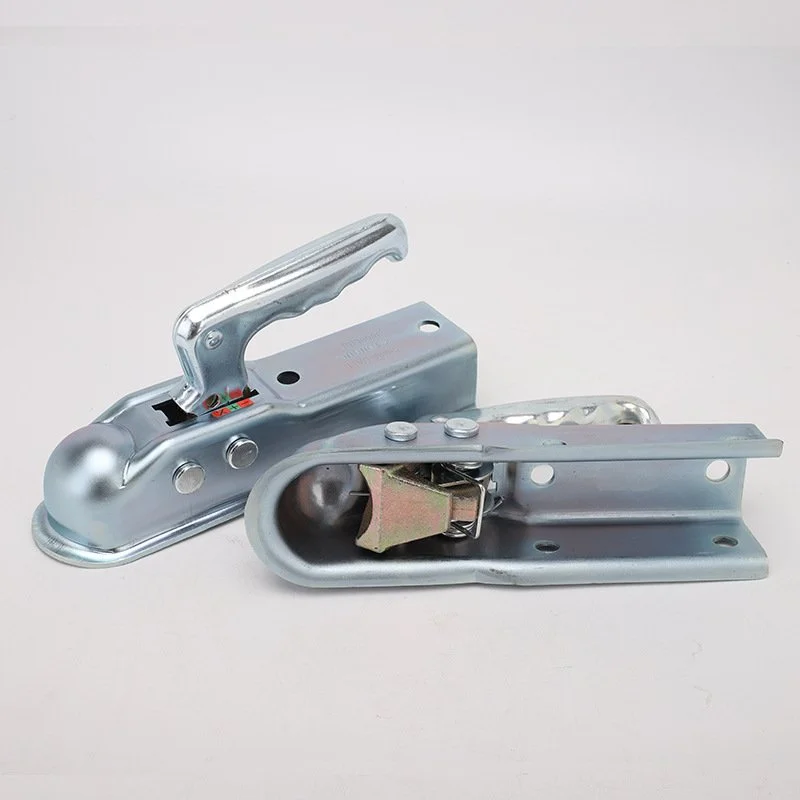
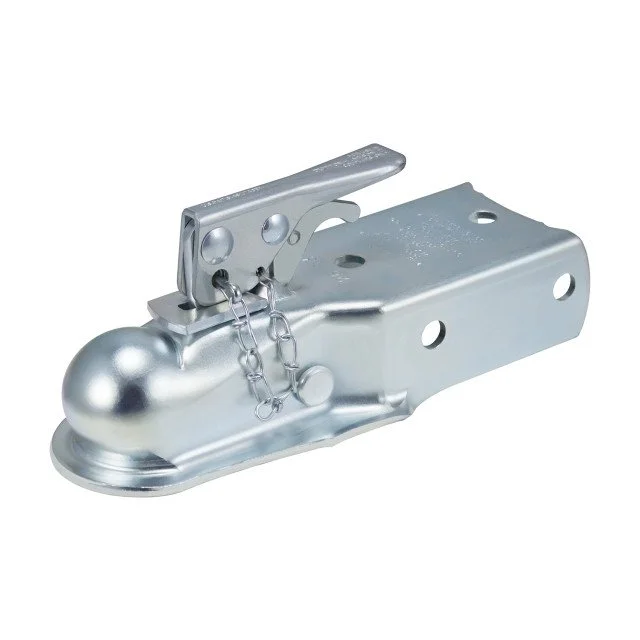
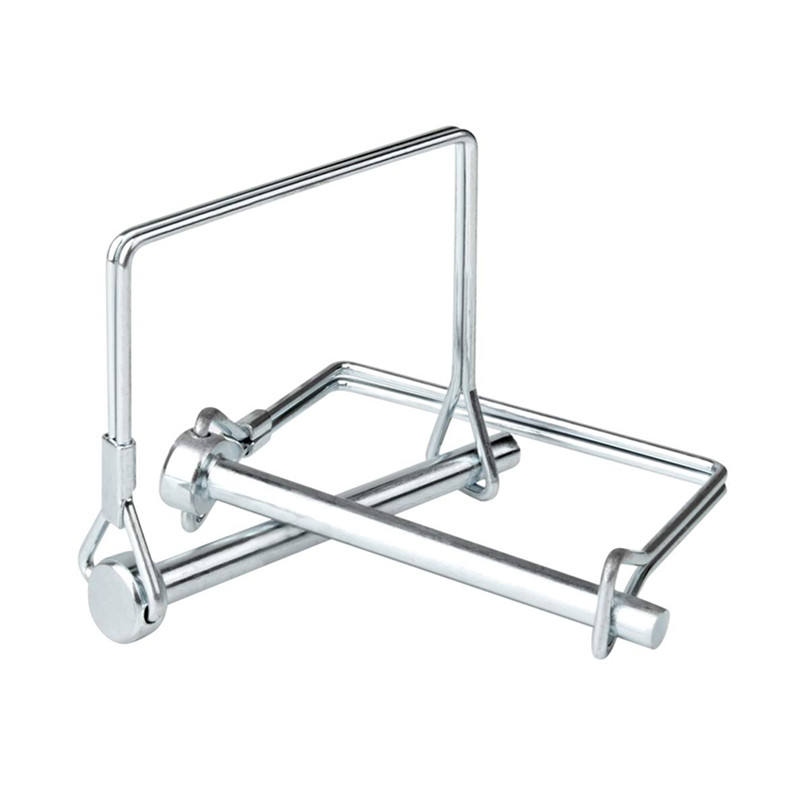
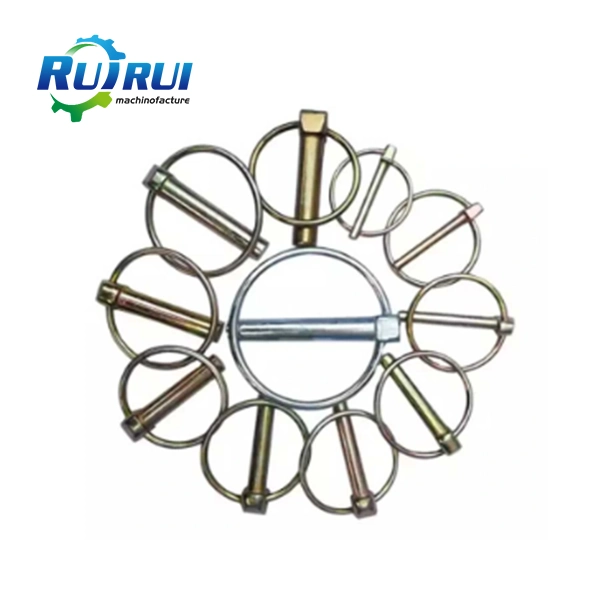
A normal trailer coupler assembly is made up of several parts that fit together and work with each other. To connect, the ball socket or receiving mechanism is the most important part. It's designed to fit snugly around the hitch ball on the vehicle that is pulling the trailer. This connection is held together by a latch that keeps it from coming apart vertically, even if it is hit or vibrated. These days, couplers have latches that are held in place by springs, manual levers, or hydraulic actuators, depending on the size of the job. They have a coupler pin that keeps the latch from opening by accident when the road shakes or when it's under a lot of mechanical stress. A lot of systems made for industry have one.
Operational Principles Behind Secure Towing
It starts to connect when the trailer coupler falls onto the hitch ball. When weight is put on the ball, the latch can either close around it automatically or be closed by hand. This makes a mechanical lock. Good couplers spread the pulling force over a lot of contact points. This lowers the stress that could break the coupler early. The coupler pin then goes through the latch and the body of the coupler, which is another safety feature. People in the industry are worried about "latch bounce," which is when road harmonics can slowly open latches that aren't properly locked. This two-locking method addresses those concerns. According to the SAE J684 standards for trailer couplings, this secondary retention device makes accidents much less likely when heavy-duty transporting is taking place.
Exploring the Different Types of Trailer Couplers & Latches
The different trailer coupler configurations that industrial procurement teams deal with were all made to work in a certain way. By understanding these variations, you can better match the equipment's specs to what is needed in the field, which makes things safer and saves money.
Ball Couplers and Standard Configurations
Tow trucks used for business purposes still mostly use ball trailer coupler. A round hitch ball fits into a socket on these systems. This keeps the attachment safe while letting the system move around. The 2-inch ball is the most common size. It can handle trailers that weigh between 3,500 and 12,000 pounds gross. This makes it good for moving utility trailers, equipment, and other things with a medium amount of space. More weight can be held by bigger balls. For example, 2-5/16-inch balls are rated for professional setups with weights over 20,000 pounds. When ball sizes are standardized, it's easier to switch between fleet operations. However, procurement managers need to make sure that the coupler socket and installed hitch balls have the same size.
Pintle and Lunette Eye Systems
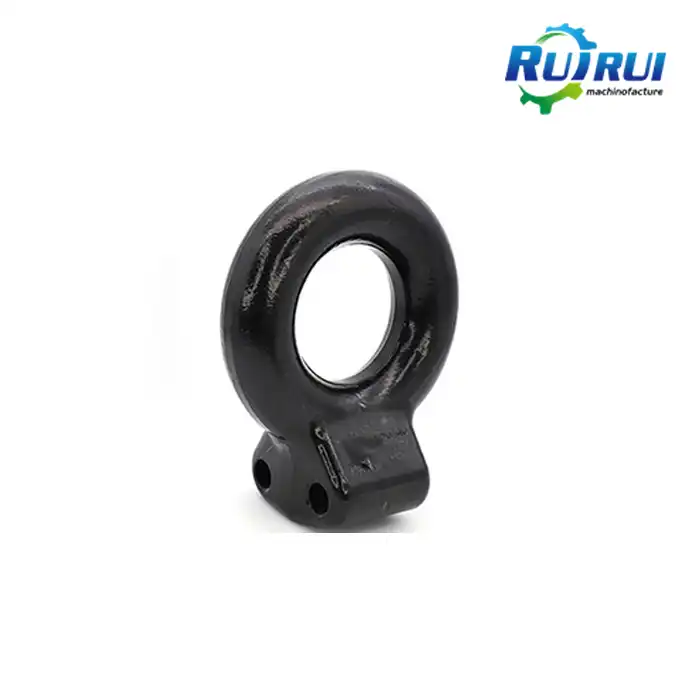
The military and heavy construction have a lot of needs for pintle hook systems with lunette eye rings. This setup lets you move your body more freely when you're off-roading or going through rough terrain. The pintle hook holds the lunette ring in place with a clamp that looks like a jaw. This makes a connection that won't break even if it moves a lot at an angle. Pintle systems let you move from side to side, while ball couplers don't. In other words, mounting points aren't put under as much stress during extreme moves. Most of the time, these sets can hold between 10,000 and 60,000 pounds. Some versions are even rated to hold even more weight for industrial use. Open ball systems are easier to connect quickly when things get rough on the job site, but they make more noise and need more maintenance than enclosed ball systems.
Adjustable Versus Fixed Coupler Designs
It's best to make sure that the vehicles pulling the trailer are the same height as the couplers. This is because fixed-height couplers are not adjustable. Couplers that are adjustable have vertical travel mechanisms that can be used to adjust for different vehicle heights or smooth or rough ground. Most of the time, these are channel mounts with multiple holes for positioning or systems for continuous adjustment. This ability to change is useful when you have a mixed fleet, with trailers that connect to different types of tow vehicles. This means the mechanics are more complicated and there may be wear spots. Fixed designs are often better in industrial settings where load capacity is important. On the other hand, businesses that need to be flexible are willing to put up with the small extra weight that comes with systems that can be adjusted.
Material Selection: Steel Versus Aluminum
The material that couplers are made of has a direct effect on how long they last, how well they resist corrosion, and how much weight they can hold. Steel couplers are the strongest and can hold the most weight. Carbon steel or alloy steel couplers are even stronger. If you powder coat, galvanize, or plate these units correctly, they can last for a long time under mechanical stress and environmental conditions. Aluminum couplers make the trailer lighter, which can save you money on gas and help you carry more when weight is an issue. Aluminum doesn't naturally rust, so it lasts longer in places where it's exposed to chemicals or water. Because aluminum doesn't have as much yield strength as steel, it can't hold as much weight. People need to think about both what the application needs and how much it will cost over time before they buy something. It's important for them to remember that picking the right material will make it last longer between replacements and cut down on downtime.
Specialized Coupler Technologies
Niche trailer coupler variants are made to solve specific problems in certain industries when new operational needs come up. Couplers that are waterproof have sealing systems that keep water out of the working parts. For marine trailers and other tools that work in wet places, this is important. Powerful locking actuators are built into electric couplers. This means you can check the coupling from afar and set up automated engagement sequences that work well in secure areas or for cars that drive themselves. Quick-release mechanisms make it possible to engage and disengage without tools, which cuts down on the time it takes to connect and disconnect. When trailers need to be switched out often, this makes logistics work go more smoothly. While these specialized systems are quite pricey, they can really help with operations if they are properly matched to the task at hand.
How to Choose the Best Trailer Coupler for Your Business Needs?
To pick a strategic trailer coupler, you need to carefully look at how the operational parameters match up with the product specifications. To make this choice, procurement teams should follow a structured process that thinks about many factors that connect to each other.
Load Capacity and Safety Margin Analysis
The weight of the trailer is the main thing that determines which coupler to use. It is recommended by experts in the field to pick couplers that can handle at least 20% more weight than the highest load that is expected. It gives you a safety zone for the forces that act when you turn, speed up, or slow down. There should be 10 to 15% of the trailer's weight in tongue weight, which is the downward force at the coupling point. However, tongue weight should not be more than the coupler's vertical load rating. They could fail in a terrible way if you don't specify enough couplers, and you'll pay more for nothing if you specify too many. When engineers set the minimum coupler requirements, they should think about the worst-case loading situations. These should include the most cargo, the road conditions, and the emergency stopping forces.
Coupler and Hitch Ball Compatibility
The trailer coupler and hitch ball are a perfect pair that work together. You can't take the coupler off of the trailer frame, and the hitch ball goes on the receiver of the car that is pulling the trailer. To make sure they fit together well, both parts need to be the same size and weight limit. A ball that is also 2 inches long is needed for a coupler that is 2 inches long. When used together, balls of different sizes can be dangerous because they can't lock securely. Purchasing managers should check that the diameter and length of the ball shank match the sizes of the receiver tubes on tow vehicles. They should also make sure that the sizes are compatible. Class ratings, from Class I (2,000-pound capacity) to Class V (20,000-pound capacity or more), give buyers a set of rules that makes it easier to buy in many situations.
Evaluating Safety Features and Maintenance Requirements
These days, industrial couplers have more safety features than just simple latching systems. Positive locking indicators let you see or feel that the engagement is correct, which makes it less likely that a person will make a mistake while coupling. In the event that the main coupling fails, the trailer's built-in break-away cables will apply the brakes and stop it from moving. Things can stay in good shape longer in harsh environments with finishes that don't rust. Long-term operational costs are affected by how easy it is to do maintenance. Couplings that need to be oiled or adjusted often add to the work load. When teams in charge of buying things look at what different companies have to offer, they should ask for detailed maintenance plans and see how easy it is for field service workers to get to parts.
Supplier Evaluation and Brand Considerations
Companies with a lot of experience, like Reese, CURT, and Bulldog, keep a lot of records of tests and compliance certifications that help buyers decide what to buy. These brands offer engineering help, replacement parts, and warranties that protect capital investments for applications that are hard to understand. Lead times are cut down because regional distributors keep stock close by. But if you buy in bulk from the manufacturer, you can often get better deals. Even if a new supplier has low prices, you should carefully check their quality systems, testing methods, and customer service after the sale. When buying from new companies, buyers should ask to see proof that they are ISO 9001 certified, as well as test reports for materials and records of load tests.
Benefits of Bulk Purchasing and Custom Solutions
By signing volume purchasing agreements, companies that take care of trailer fleets or sell parts to equipment makers can save a lot of money. Putting orders together saves the company money on shipping, makes things easier for them, and makes you a preferred customer. With customization options, you can pick and choose which features you need for your business. Some of the things you can change are the sizes, the mounting patterns, the finishes, and the locking systems. Custom orders often have lower minimums and longer lead times, but they work great because they don't need any changes made in the field. Companies should make long-term plans for buying things by weighing the pros and cons of standardization against the need for application-specific customization.
Conclusion
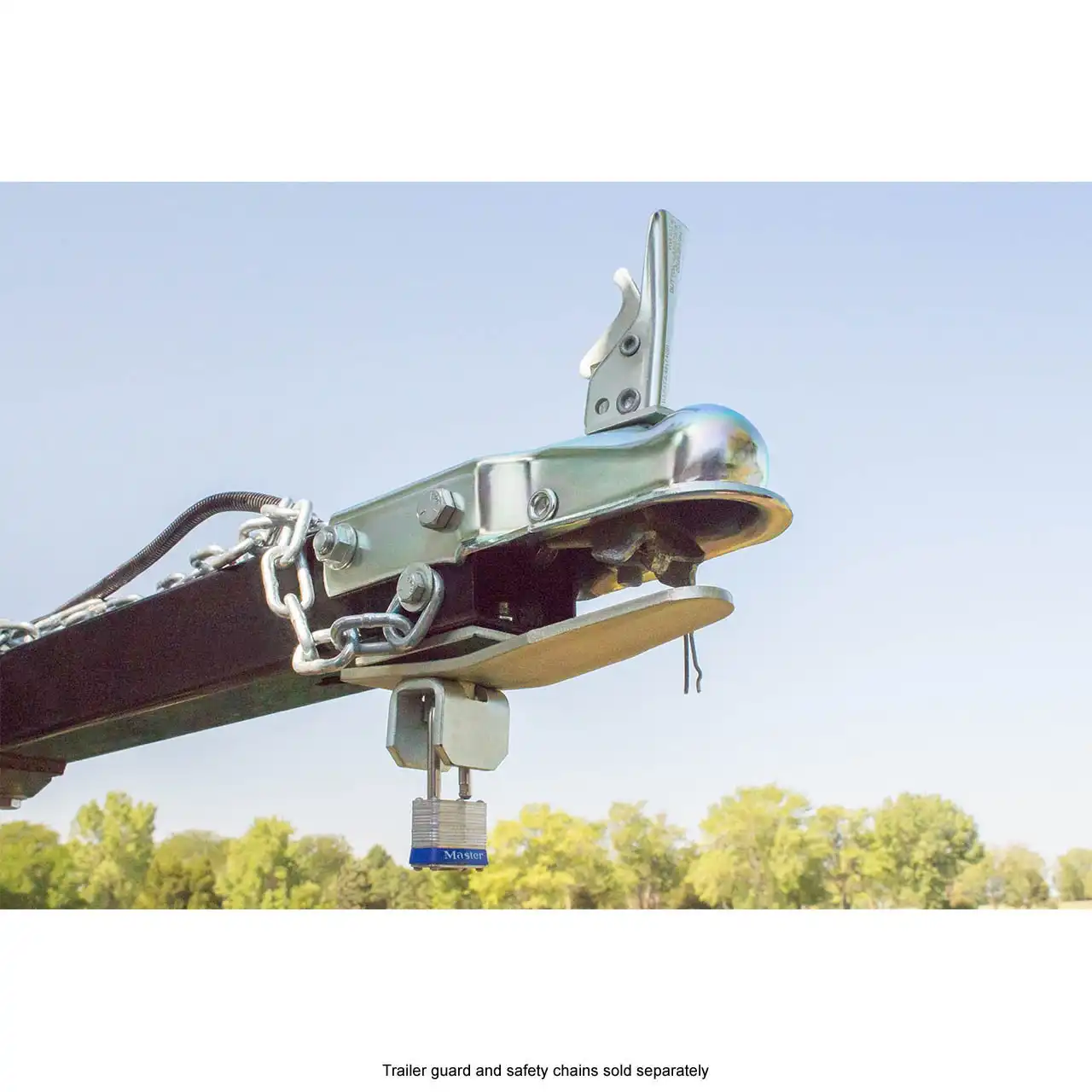
That being said, what you need to know about the technologies that are out there, how to buy things, and how to use them to pick the right trailer coupler. Couplers come in a lot of different styles, from basic ball shapes to electric actuators and pintle hooks, so there is one that can be used for almost any industrial towing need. Only meeting the bare minimum isn't good enough when it comes to safety features, material choices, and capacity ratings. Also, they have to meet the real needs of operations. Buying things in bulk, building relationships with suppliers, and customizing them in a smart way can save you money and make sure the product lasts a long time. You will get the best return on your investment if you install things correctly, follow industry standards, and follow strict maintenance rules. This is because things will last longer and break less often. In the tow business, it's important to stay ahead of the competition by working with manufacturers who have been around for a while and can offer full support and high-quality systems that have been shown to work.
FAQ
How Do I Determine the Right Trailer Coupler Size?
The main things that decide which coupler size to use are the hitch ball diameter and the gross trailer weight. Measure the hitch ball that's already there or look at the car's paperwork to find out what size ball you need. Most people choose between 1-7/8 inches, 2 inches, and 2-5/16 inches. The coupler socket should have the same size as this one. Finding out how much the trailer weighs when it's full of stuff is important. Next, pick a coupler that can support at least 20% more weight than that. Check to see if the tongue weight is less than or equal to the coupler's vertical load rating. To make sure the right specification is made, it's best to talk to engineering teams or supplier technical support at any time.
What Maintenance Practices Extend Coupler Service Life?
Every three months, you should look at the item visually to see if there are any cracks, corrosion, or too much wear. Heavy-duty car grease should be used every 3,000 miles to coat the latches and pivot points. Once in a while, clean the ball socket to get rid of dirt and other things that wear it down faster. Check the coupler pins for damage and replace any that are bent or rusty. Trailers should be stored with the couplers above the ground as much as possible. They won't get wet this way. If you use couplers in places that are corrosive, like salt water, chemicals, or road de-icing treatments, you should rinse them well and reapply protective lubricants. By writing down all the maintenance tasks, you can keep track of each part's history and find units that aren't working right and need to be replaced soon.
Are Electric Trailer Couplers Suitable for Heavy-Duty Applications?
Electric couplers are useful in heavy-duty situations because they can check engagement from a distance, automate coupling sequences, and connect to fleet management systems, among other things. Electric actuators today can provide enough force for couplers that can hold at least 20,000 pounds, which is the same amount of force that a mechanical latch can hold. You should think about how reliable the power system needs to be in harsh conditions and how much power it needs. Industrial units are made to be safe in all kinds of weather and have fail-safe designs that keep things safe even if the power goes out. Sometime the higher price—around 150–200% more than mechanical options—is worth it when automation saves time, improves safety, or lets unmanned vehicles do their job. As part of a proper evaluation, it is important to see if the system's electrical infrastructure works and if the maintenance team can fix electronic problems.
Partner With RUIRUI for Precision Trailer Coupler Manufacturing
RUIRUI is very good at using high-tech sheet metal working methods like laser cutting, CNC machining, robotic welding, and stamping to make precise trailer couplers and other parts that go with them. We can make sure that the couplers we offer meet all of your needs for size, load capacity, and corrosion resistance because we know how to work with mild steel, stainless steel, aluminum alloys, and coated materials. We're a well-known seller of trailer couplers, and we offer OEM customization to companies that make industrial equipment and infrastructure and need high quality at low prices for large orders. We have quality systems that are ISO 9001 certified, and we can make prototypes quickly. The lead time for production is also very short. Because of this, you can trust us to help you couple your trailers.
Email us at kshdhardware@qdkshd.com to talk about what kind of trailer coupler you need. We can give you technical advice, look over samples, and give you competitive quotes for buying in bulk that work with your schedule. Sheetmetalprocessingplant.com has a list of all the trailer parts we sell and the custom metal work we do. When you work with RUIRUI, you can get sturdy, low-cost trailer coupling solutions backed by a long history of making great products.
References
Society of Automotive Engineers, "SAE J684: Trailer Couplings and Hitches – Automotive Type," SAE International Standards, 2018.
Johnson, M.R. and Peterson, L.K., "Mechanical Analysis of Trailer Coupling Systems Under Dynamic Loading Conditions," Journal of Transportation Engineering, Volume 145, Issue 3, 2019.
National Highway Traffic Safety Administration, "Federal Motor Vehicle Safety Standards: Trailer Hitch Systems and Coupling Devices," U.S. Department of Transportation, 2020.
Williams, D.T., "Materials Selection for Heavy-Duty Trailer Components: Corrosion Resistance and Structural Performance," Materials Science in Transportation Engineering Quarterly, Volume 28, 2021.
Industrial Fasteners Institute, "Best Practices for Installation and Maintenance of Trailer Coupling Assemblies," IFI Technical Manual Series, Fourth Edition, 2020.
Chen, X. and Rodriguez, A., "Failure Mode Analysis of Commercial Trailer Coupler Latch Mechanisms: Field Study Results," International Journal of Vehicle Design, Volume 84, Issue 2, 2022.

Send Inquiry
Related Industry Knowledge
- The Benefits of Using a Hitch Lock for Security
- Best Trailer Coupler for Boat Trailer: Corrosion-Proof vs Coated
- Understanding Trailer Pin Types: A Comprehensive Guide
- The Ultimate Guide to Drop Hitches for Level Towing
- How Trailer D Pin Extends the Life of Your Trailer Coupler?
- Smart Weight Distribution: AC Brackets That Protect Your Walls
- How do I maintain and clean the gooseneck hitch ball to ensure longevity?
- Can I use any pin as a trailer safety pin?
- How do you prevent rust on metal outdoor dustbins?
- Are metal dustbins environmentally friendly?