
How to create sheet-metal part joggle radius?
In metal fabrication and production, the ability to create a joggle radius in sheet metal parts is essential. This procedure creates a graduated offset in the material, which is necessary for a number of uses in sectors including aerospace and automotive. The quality and usefulness of sheet metal components may be greatly improved by comprehending the complexities of joggle radius production. This thorough manual will explore the methods, resources, and factors required to become an expert in producing joggle radii in product, offering insightful information to both inexperienced fabricators and seasoned pros.
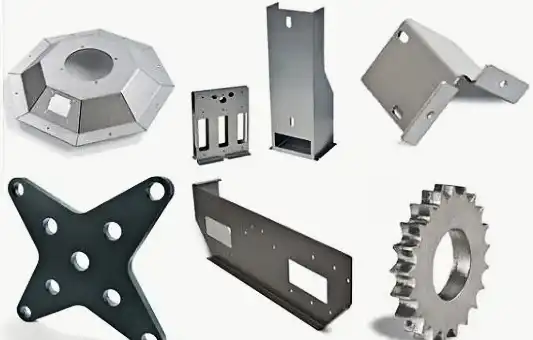
Understanding Sheet Metal Joggle Radius
Definition and Purpose of Joggle Radius
In a product, a smooth, curved transition between two offset surfaces is called a joggle radius. In assemblies where overlapping or mating pieces are necessary, this characteristic is essential for guaranteeing correct fit and alignment. The joggle radius improves the component's overall structural integrity and lessens the concentration of stress.
Applications in Various Industries
Because of their vital role in improving the performance and functioning of sheet metal parts, toggle radii are extensively used in a variety of industries. They are essential for producing aerodynamic surfaces in the aerospace industry, which lower drag and increase fuel economy. Joggle radii are crucial in aircraft design because precise panel fitting is necessary to preserve structural integrity and guarantee safety. Joggle radii are used by automakers in body panels and structural parts to enhance both performance and appearance. These characteristics make automobiles stronger and more resilient overall while making assembly simpler. Joggle radii are also crucial to the HVAC industry's ducting and ventilation systems because they lower pressure losses and preserve airflow efficiency. By comprehending the many uses of joggle radii, designers may see how crucial it is to become proficient in their production, which will eventually result in improved sheet metal design functionality and product quality.
Importance of Precision in Joggle Radius Formation
When making joggle radii, accuracy is crucial. Fitment problems, weakened structural integrity, or cosmetic flaws might result from even little variances. Whether the sheet metal item is designed for structural support, aerodynamic efficiency, or seamless integration with other components, accurate joggle radius production guarantees optimum performance.
Tools and Equipment for Creating Joggle Radius
Manual Tools for Small-Scale Production
Manual tools may be useful for producing joggle radii in products for small-scale or prototype manufacturing. Joggle pliers that are controlled by hand are adaptable instruments that provide exact control over the shaping process. When used properly, sheet metal brakes and flanging tools may also be modified to create joggle radii. These manual techniques are more time-consuming and labor-intensive, but they are flexible and economical for low-volume manufacturing.
Automated Machinery for Large-Scale Manufacturing
Automated equipment is crucial for achieving reliable and superior joggle radii in sheet metal parts in large-scale production settings. When equipped with specialized tools, CNC press brakes are excellent at producing joggle radii with remarkable precision and consistency, guaranteeing that every part satisfies exact requirements. Furthermore, hydraulic presses with specially designed dies are a good option for high-volume manufacturing as they provide quick cycle times and consistency across big component batches. Superior quality and simplified production processes are the outcome of this automation, which also increases efficiency and reduces the possibility of human mistake.
Specialized Joggle Forming Tools and Dies
For accurate and consistent results, specialized joggle forming dies and equipment are essential. These tools may be tailored to fit certain part geometries and are made to produce particular joggle profiles. While hardened steel dies provide durability and precision over lengthy production runs, adjustable joggle dies offer for flexibility in generating different joggle diameters. To get the best results in joggle radius creation, you must invest in high-quality, specially designed tools.
Techniques for Creating Joggle Radius in Sheet Metal Parts
Step-by-Step Process for Manual Joggle Formation
It takes a thorough technique to manually create a joggle radius. Start by precisely identifying the placement of the joggle on the sheet metal component. Next, gradually create the offset using joggle pliers or a flanging tool, being careful to keep alignment and pressure constant. To guarantee uniform deformation, work gradually throughout the joggle's length, switching sides. Lastly, check the created joggle's precision using a radius gauge and make any required corrections.
CNC Programming for Automated Joggle Radius Creation
Appropriate programming is essential when using CNC equipment for joggle radius creation in sheet metal parts. Start by utilizing CAD software to create a 3D model of the required joggle profile. Make sure the toolpath takes material thickness and spring-back into account before translating this model into G-code that the CNC machine can understand. If more than one pass is required to reach the required joggle radius, use dwell durations to account for material relaxation. Fine-tune the program through test runs to optimize the process for consistent results.
Considerations for Different Materials and Thicknesses
The approach to creating joggle radii must be tailored to the specific material and thickness of the sheet metal part. Softer materials like aluminum may require gentler forming techniques to prevent tearing, while harder steels might necessitate more force and potentially heat treatment. Thicker materials generally demand larger joggle radii to prevent cracking or excessive thinning. Always consult material-specific forming guidelines and conduct test runs to determine the optimal parameters for joggle radius creation in various sheet metal types and thicknesses.
Conclusion
Mastering the creation of joggle radii in sheet metal parts is a valuable skill that enhances the quality and functionality of fabricated components. By understanding the techniques, tools, and considerations involved, manufacturers can produce precise and reliable joggle features across a wide range of applications. Continuous practice and adaptation to new technologies will ensure success in this critical aspect of sheet metal fabrication. If you want to get more information about this product, you can contact us at kshdhardware@qdkshd.com.
References
1. "Sheet Metal Forming Handbook" by Frank W. Wilson.
2. "Advanced Sheet Metal Fabrication" by Timothy Remus.
3. "Manufacturing Processes for Engineering Materials" by Serope Kalpakjian and Steven R. Schmid.
4. "Sheet Metal Forming Processes and Die Design" by Vukota Boljanovic.
5. "Principles of Metal Manufacturing Processes" by J. Beddoes and M.J. Bibby.
6. "Metal Forming: Mechanics and Metallurgy" by William F. Hosford and Robert M. Caddell.

Send Inquiry
Related Industry Knowledge
- Understanding the Different Types of Trailer Couplers
- Adjustable Trailer Coupler: Flexibility for Multiple Balls
- Standard Trailer Hitch Ball Sizes | How to Choose
- Custom Electrogalvanized U-bolts: How to Match Your Project's Exact Size & Load Needs?
- Bulk Discounts: Commercial-Grade AC Brackets Shipped Worldwide
- What Are the Must-Have CNC Metal Accessories?
- What are the Benefits of Using a Hitch Packer Adapter?
- What are the benefits of a colored corrugated metal fence?
- Where are hydraulic rising bollards used?
- How durable is sheet metal?