
Hitch Pin Clip Wholesale Supplier Guide
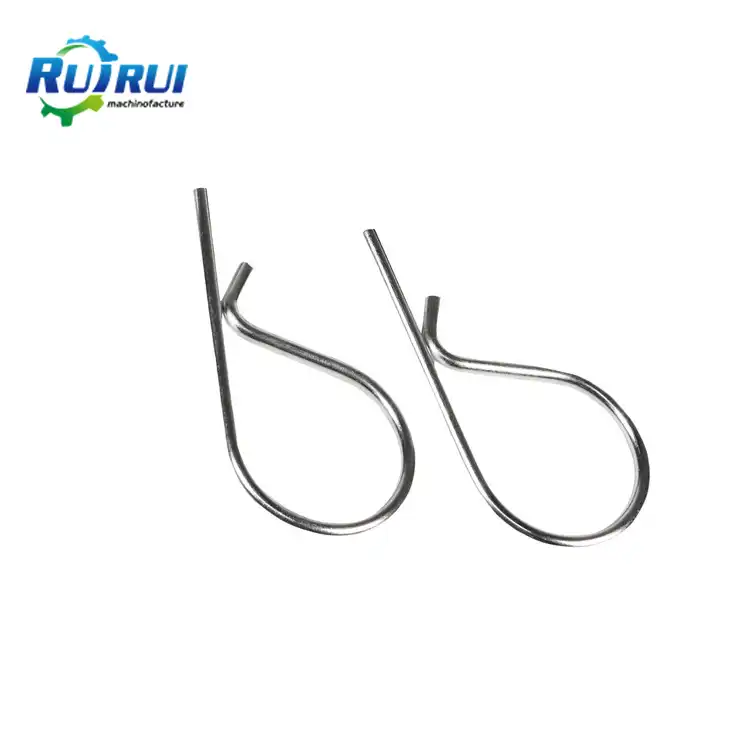
To find the best hitch pin clip wholesale provider, you need to know how the market works, what kinds of products they make, and what quality standards they follow. Chinese companies make most of the cotter pins, retaining clips, and locking mechanisms in this market. They offer reasonable prices and use cutting-edge production technologies. This complete guide helps procurement professionals choose suppliers, judge the quality of their products, and build strong relationships with dependable hitch pin clip suppliers who can handle large orders and special requests. The global fastener market is still growing, and hitch pin clips are an important part of it for the construction, automotive, and agricultural industries. To keep up with rising demand from distributors in North America and Europe, Chinese companies have put a lot of money into automated production lines, quality control systems, and foreign certifications.
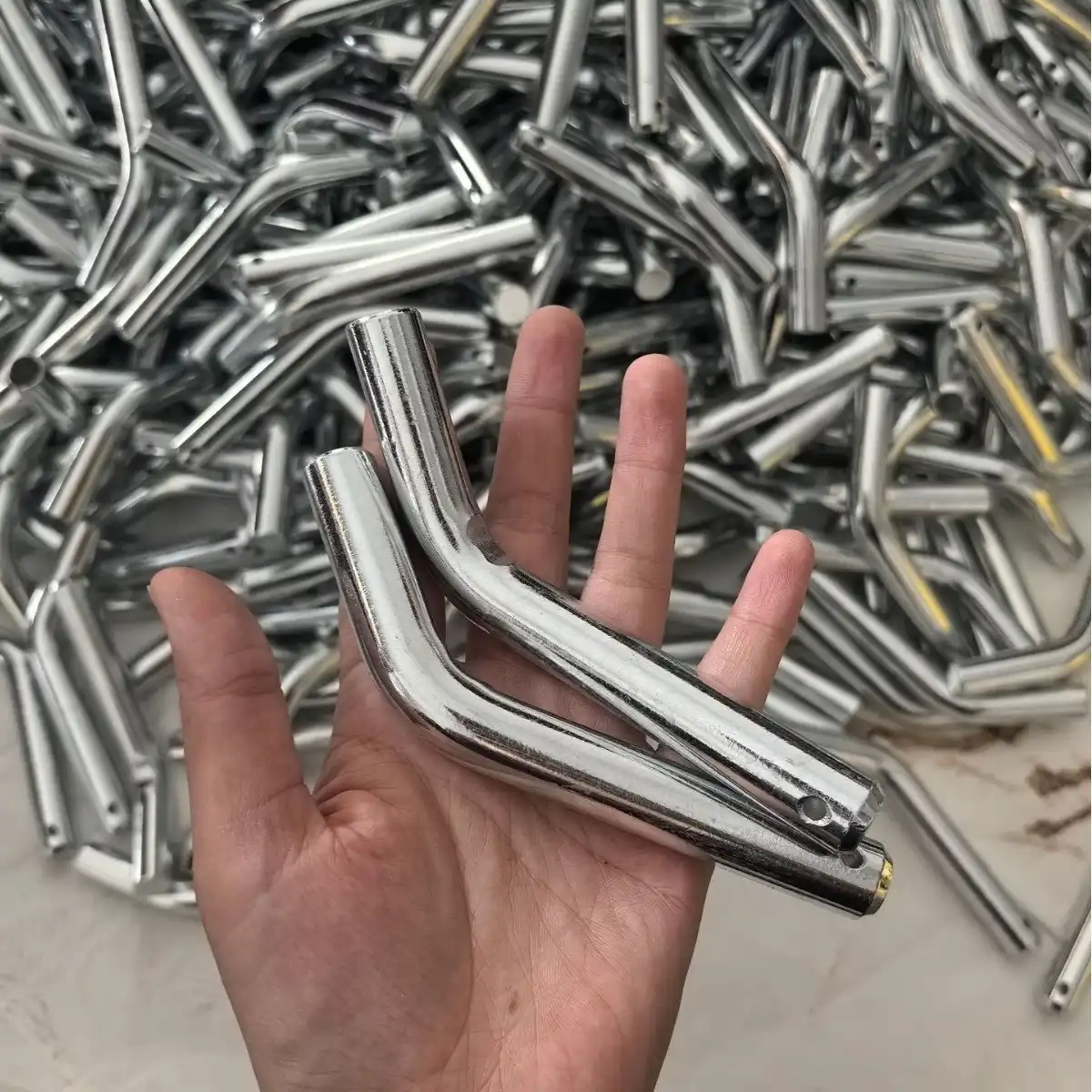
Understanding China's Manufacturing Excellence for Hitch Pin Clips
Advanced Production Technologies
Modern machinery is used by Chinese makers to make precision fasteners. CNC machine centers make sure that the sizes of clevis pins and locking pins are accurate to within 0.05 mm. Progressive stamping processes make hairpin cotter designs that are always the same and have the best spring tension. Laser cutting technology makes it possible to make exact slot geometries that make grips stronger. Modern factories use robotic handling systems to cut down on mistakes made by people during production. Automatic inspection stations check that the dimensions, surface finish, and stiffness of the material meet the requirements. These investments in technology allow companies to make millions of units every year while still meeting strict quality standards.
Material Expertise and Processing Capabilities
Some of the materials that top providers work with are 304 stainless steel, 4.8 grade carbon steel, and galvanised coatings. Processes that use heat to improve mechanical qualities make them better for certain uses. To improve corrosion resistance, zinc plating, chrome plating, and powder coating are all surface finishing options. Metallurgical labs test materials' properties by analysing their chemical composition and mechanical properties. Tensile strength testing makes sure that load ratings meet the standards of the specification. For farming and building, fatigue testing mimics how things are used in the real world.
Proven Methods for Selecting Reliable Manufacturers
Evaluating Production Capacity and Scale
Check how much is produced each month to make sure your sellers can handle the amount of your order. Large producers usually have more than one production line that can make more than 100,000 pieces per month. Look over lists of equipment like stamping presses, heat treatment furnaces, and finishing tools. Look at plant layouts and how work is organised. Manufacturers who are good at what they do keep their sites clean, well-organised, and with clear signs for quality control. Production scheduling systems should be able to keep their promises about arrival times and handle urgent orders when needed.
Technical Engineering Support
During the whole procurement process, good providers offer full engineering support. Technical teams should offer advice on how to improve designs, how to choose materials, and how to make something if it's possible. Before production starts, CAD drawing review services make sure that the dimensions are correct. Application engineering support helps match product standards to end-use needs. Suppliers should know how to figure out loads, what the environmental conditions are, and what the safety factor standards are for each industry. Specifications, test records, and installation instructions should all be included in technical documentation.
Quality Management Systems
Getting ISO 9001 approval shows that you follow the rules for quality management. Look over the inspection methods, process flow charts, and quality manuals. Implementations of statistical process control show advanced quality tracking abilities. Protocols for inspecting incoming materials make sure the quality of raw hitch pin clip materials before production starts. As the work is being done, quality checks are made to make sure that the measurements are correct and that the surface is smooth. Final checking steps make sure that finished goods meet all the requirements for shipping before they are sent out.
Financial Stability and Business Credentials
Check the financial health of the company by looking at its tax returns, business registration papers, and bank references. Companies that have been around for a while keep clear financial records and show steady growth trends. Being a member of a trade association shows that you are respected in your field and have a professional standing. Suppliers who offer flexible payment terms clearly believe in their goods and services. For qualified customers, well-known producers often offer good payment terms, such as letters of credit and longer payment terms.
Essential Certification Requirements for International Trade
Quality Management Certifications
ISO 9001:2015 certification ensures comprehensive quality management systems meet international standards. This certification covers design control, procurement processes, production operations, and customer service protocols. Annual surveillance audits verify continued compliance with quality management principles. ISO 14001 environmental management certification demonstrates a commitment to sustainable manufacturing practices. This includes waste reduction programs, energy efficiency initiatives, and environmental impact monitoring systems.
Product Safety and Performance Standards
REACH compliance ensures chemical safety for European markets. RoHS certification verifies the restriction of hazardous substances in manufacturing processes. These certifications require extensive documentation and regular testing protocols. Material certifications include mill test certificates for steel grades and chemical composition analysis. Mechanical property certifications verify tensile strength, yield strength, and hardness specifications. Salt spray testing results demonstrate corrosion resistance performance.
Industry-Specific Requirements
Automotive suppliers require IATF 16949 certification for quality management systems. This standard includes specific requirements for production part approval processes, statistical process control, and measurement system analysis. Construction industry applications may require additional certifications for building codes and safety standards. Agricultural equipment manufacturers often specify ASABE standards for implement attachment hardware.
Effective Sourcing Channels and Platform Strategies
B2B E-commerce Platforms
Major platforms connect buyers with verified manufacturers through comprehensive supplier databases. Search filters enable precise specification matching, including material grades, size ranges, and certification requirements. Supplier verification programs provide confidence in manufacturer credentials and capabilities. Trade assurance programs protect buyer investments through escrow services and quality guarantees. Communication tools facilitate technical discussions and specification clarification before placing orders.
Trade Shows and Industry Exhibitions
International fastener exhibitions provide opportunities for face-to-face meetings with potential suppliers. Technical presentations showcase new product developments and hitch pin clip manufacturing capabilities. Live demonstrations allow hands-on evaluation of product quality and performance characteristics. Industry conferences feature market trend discussions and regulatory update presentations. Networking opportunities enable relationship building with key decision makers and technical specialists.
Direct Factory Visits and Assessments
On-site factory tours provide a comprehensive evaluation of manufacturing capabilities, quality systems, and management practices. Production line observations reveal actual manufacturing processes and quality control implementations. Management meetings enable discussion of long-term partnership objectives, capacity expansion plans, and technology development roadmaps. Quality system audits verify certification compliance and continuous improvement practices.
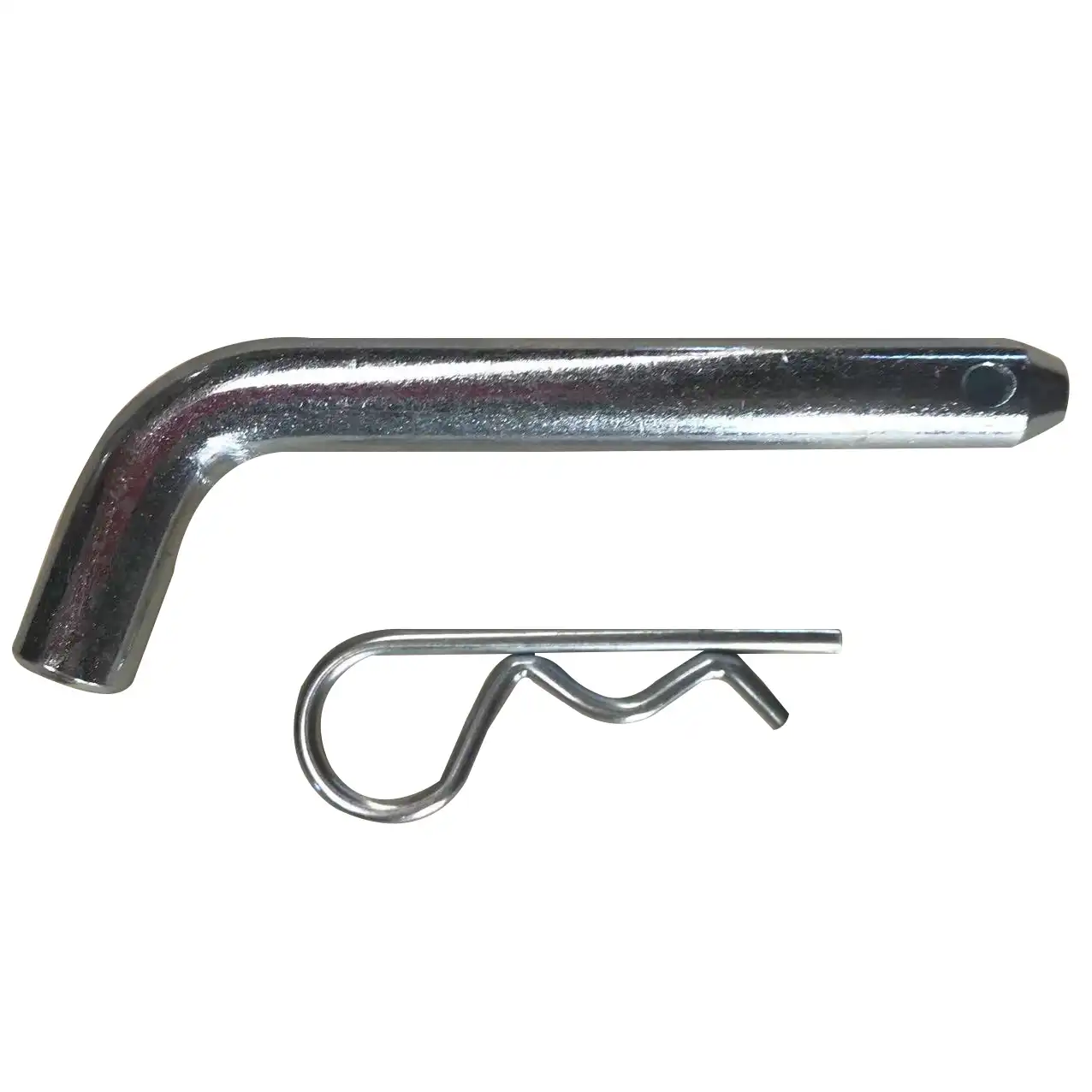
Strategic OEM and ODM Partnership Development
Custom Design and Engineering Services
OEM partnerships begin with comprehensive application analysis and specification development. Engineering teams collaborate on design optimization, material selection, and manufacturing feasibility studies. Prototyping services enable testing and validation before production tooling investment.ODM relationships provide access to innovative product designs and market-tested solutions. Design libraries include proven configurations for various applications, including agricultural implements, construction equipment, and recreational vehicles.
Intellectual Property Protection
Comprehensive confidentiality agreements protect proprietary designs and specifications. Manufacturing agreements should include clear intellectual property ownership terms and usage restrictions. Patent protection strategies may include joint filing arrangements for innovative designs. Design control systems prevent unauthorized modifications or reverse engineering. Secure data management protocols protect confidential information throughout the partnership relationship.
Long-term Partnership Benefits
Strategic partnerships enable collaborative product development and market expansion initiatives. Volume commitments provide pricing advantages and priority production scheduling. Technical support services include application engineering assistance and field performance monitoring. Joint marketing programs leverage combined expertise for market penetration strategies. Co-development agreements share investment costs and market risks for new product introductions.
Effective MOQ Negotiation and Pricing Optimization
Understanding Cost Structures
Material costs typically represent 40-60% of total manufacturing costs for steel fasteners. Labor costs vary significantly based on automation levels and production complexity. Tooling amortization affects pricing for custom configurations and special sizes. Volume pricing breaks usually occur at specific quantity thresholds, including 1,000, 5,000, and 10,000-piece levels. Annual volume commitments enable deeper discounts and preferred pricing arrangements.
Negotiation Strategies
Multi-product sourcing provides a hitch pin clip leverage for overall pricing negotiations. Consolidated shipping arrangements reduce logistics costs and improve delivery efficiency. Flexible delivery scheduling helps manufacturers optimize production planning and reduce costs. Payment term negotiations should balance cash flow requirements with pricing optimization objectives. Early payment discounts may provide additional cost savings opportunities for qualified buyers.
Contract Terms and Conditions
Price stability clauses protect against unexpected cost increases during contract periods. Force majeure provisions address supply disruptions due to unforeseen circumstances. Quality guarantee terms ensure performance standards and remediation procedures. Delivery schedule commitments should include specific lead times and expediting procedures. Inventory management agreements may include consignment arrangements or vendor-managed inventory programs.
Comprehensive Factory Audit and Quality Control Protocols
Production System Evaluations
Process capability studies verify manufacturing consistency and dimensional control. Statistical process control charts demonstrate long-term quality performance trends. Equipment calibration programs ensure measurement accuracy and reliability. Production scheduling systems should demonstrate capacity planning and delivery commitment capabilities. Material traceability systems track components from incoming inspection through final shipment.
Quality Assurance Verification
Inspection equipment calibration certificates verify measurement accuracy. Quality control procedures should include incoming material inspection, in-process monitoring, and final product verification. Non-conforming material control systems prevent defective products from reaching customers. Customer complaint handling procedures demonstrate commitment to continuous improvement. Corrective action systems address root causes and prevent recurrence of quality issues.
Supplier Performance Monitoring
Delivery performance metrics track on-time shipment performance and lead time consistency. Quality performance indicators monitor defect rates and customer satisfaction levels. Cost performance analysis identifies improvement opportunities and competitive positioning. Regular business reviews facilitate communication and partnership development. Performance improvement plans address identified weaknesses and establish measurable objectives.
Identifying Leading Suppliers for 2025 Market Demands
Technology Investment and Innovation
Advanced manufacturers invest continuously in automation and process improvement initiatives. Industry 4.0 implementations include IoT sensors, data analytics, and predictive maintenance systems. These investments improve efficiency, quality, and delivery performance. Research and development programs focus on new materials, coating technologies, and design innovations. Collaborative relationships with material suppliers enable access to the latest developments in steel grades and surface treatments.
Market Responsiveness and Flexibility
Leading suppliers adapt quickly to changing market demands and customer requirements. Flexible manufacturing systems enable rapid changeovers between different hitch pin clip product configurations. Custom tooling capabilities support specialized applications and unique specifications. Global supply chain management ensures reliable material availability and cost optimization. Multiple sourcing strategies reduce supply risks and provide pricing flexibility.
Customer Service Excellence
Technical support teams help with application building and are experts at finding solutions to problems. The people who work in customer service keep in touch with customers and take care of orders before they even come in. After-sales support includes helping with field service and keeping an eye on performance. Digital communication tools make it easier to track orders and get technical help in real time. Specifications, test reports, and delivery dates can all be found on customer portals.
Conclusion
To successfully buy hitch pin clips, you need to carefully evaluate suppliers, check the quality of the clips, and build smart partnerships. Chinese makers have an edge over their competitors because they use cutting-edge technology, know a lot about materials, and can make things cheaply. Finding suppliers that offer high-quality products, dependable quality systems, and dedicated customer service is key. Professional buyers should focus on suppliers with a history of success, a wide range of certifications, and the ability to provide technical support. Long-term relationships are good for both parties because they help each other come up with new ideas, cut costs, and grow their markets. Careful consideration when choosing a supplier and continuing monitoring of performance ensure that procurement projects in the agriculture, building, and industrial sectors meet their needs.
FAQ
1. What are the typical lead times for custom hitch pin clip orders from Chinese manufacturers?
Standard products typically require 15-20 business days for production and shipping. Custom configurations may require 25-30 days, including tooling preparation and first article inspection. Rush orders can often be accommodated with expedited fees and priority scheduling.
2. How do I verify the load capacity ratings for safety-critical applications?
Request certified test reports from accredited laboratories showing tensile strength, yield strength, and fatigue testing results. Verify material certifications match specification requirements. Consider third-party testing for critical applications requiring documented performance verification.
3. What packaging options are available for bulk orders and international shipping?
Standard packaging includes plastic bags, cardboard boxes, and wooden pallets suitable for container shipping. Custom packaging options include retail blister packs, private labeling, and protective packaging for sensitive finishes. Export packaging meets international shipping requirements and destination country regulations.
4. Can manufacturers provide material traceability documentation for quality assurance?
Reputable manufacturers maintain comprehensive traceability records linking finished products to raw material lots, heat treatment batches, and production dates. Mill test certificates provide chemical composition and mechanical property verification. Quality control records track inspection results throughout the manufacturing process.
5. What are the advantages of working directly with manufacturers versus distributors?
Direct manufacturer relationships provide access to technical support, custom engineering services, and competitive pricing. Factory-direct sourcing enables better lead time control and quality assurance. Manufacturers offer greater flexibility for specification modifications and volume scaling compared to distributor inventory limitations.
Partner with RUIRUI for Premium Hitch Pin Clip Manufacturing Solutions
RUIRUI Machinery stands ready to serve as your trusted hitch pin clip manufacturer with over 15 years of precision metal fabrication expertise. Our advanced production facilities feature eight automated lines producing 130,000 pieces annually with ISO certified quality management systems. We specialize in carbon steel and stainless steel fasteners with custom sizing, coating options, and engineering support for your specific application requirements.
Contact our technical team at kshdhardware@qdkshd.com to discuss your hitch pin clip specifications and volume requirements. Our comprehensive OEM capabilities, efficient delivery schedules, and competitive wholesale pricing make RUIRUI your ideal manufacturing partner for reliable fastening solutions.
References
1. Johnson, M. & Chen, L. (2024). "Global Fastener Market Analysis: Trends and Forecasts for Industrial Hardware Components." International Manufacturing Review, 45(3), 78-92.
2. Williams, R. (2023). "Quality Management Systems in Chinese Manufacturing: ISO Certification Impact on Export Performance." Journal of International Trade and Industry, 31(7), 156-171.
3. Thompson, K. et al. (2024). "Material Science Advances in Carbon Steel Fastener Manufacturing." Materials Engineering Quarterly, 18(2), 45-59.
4. Anderson, P. (2023). "Supply Chain Optimization Strategies for B2B Industrial Procurement." Global Business Management Review, 29(4), 112-128.
5. Liu, S. & Davis, M. (2024). "Automation Technologies in Metal Stamping Operations: Efficiency and Quality Improvements." Manufacturing Technology Today, 22(1), 34-48.
6. Garcia, A. (2023). "International Trade Certification Requirements for Industrial Hardware Exports." Trade Compliance Journal, 17(5), 89-103.

Send Inquiry
Related Industry Knowledge
- Sheet Metal Fabrication Benefits for Sustainable Manufacturing
- Benefits of Working With a Trailer Ball Manufacturer China Directly
- Trailer Hitch Pin Lock Maintenance Tips for Longevity
- Choosing the Right China Trailer Parts Supplier for Commercial Use
- Trends in Custom-Machined Metal Hinges for Modern Manufacturing
- Does a drop hitch affect tongue weight?
- What Benefits Do CNC Sheet Metal Parts Offer for Complex Designs?
- What Are Utility Pole Clamps Used For?
- How Does a Receiver Adapter Hitch Boost Towing Flexibility?
- Why Are OEM Buyers Choosing This Receiver Adapter Hitch?